

Finding out how much a good food processor costs involves looking at several key factors. Prices can range from under $100 for basic models to over $500 for high-end, professional machines. Key elements influencing the cost include brand reputation, motor power, bowl capacity, and included attachments, all of which should align with your specific cooking needs and frequency of use. Making an informed decision ensures you get a valuable tool without overspending.
How Much Does a Good Food Processor Cost
Welcome to the world of efficient kitchen prep! A food processor is a true game-changer, helping you chop, slice, shred, knead, and puree with remarkable speed and consistency. But as you start exploring options, one question quickly comes to mind: “How much does a good food processor cost?” It’s a fantastic question, and the answer isn’t a simple number.
The cost of a good food processor varies widely, depending on numerous factors like brand, size, power, and features. From budget-friendly models perfect for occasional use to professional-grade machines built for daily culinary adventures, there’s a food processor for every kitchen and every wallet. This guide will walk you through the price spectrum, uncover what drives these costs, and help you determine the best value for your specific needs. By the end, you’ll be well-equipped to make an informed decision and invest in a food processor that truly elevates your cooking. Let’s dive in!
Key Takeaways
- Price Range Varies Widely: A good food processor can cost anywhere from under $100 for basic models to over $500 for premium, professional-grade machines.
- Factors Drive Cost: Key determinants of cost include brand reputation, motor wattage, bowl capacity, and the variety of blades and discs included. These features directly impact performance and versatility.
- Align Cost with Needs: Your ideal budget should reflect how often you plan to use the food processor and the complexity of tasks you’ll perform. Don’t overpay for features you won’t regularly use.
- Mid-Range Offers Best Value: Many home cooks find the sweet spot in the $150-$350 range, offering a superb balance of power, durability, and versatile features for most everyday cooking tasks.
- Consider Long-Term Value: Investing in a more expensive, reputable brand often means better build quality, a longer warranty, and superior, consistent performance. This can save you money on replacements and repairs in the long run.
- Shop Smart for Savings: Always look for sales, discounts, and refurbished options. Comparing prices across different retailers can help you secure the best deal on your chosen food processor.
What Defines a “Good” Food Processor?
Before we talk about cost, let’s understand what makes a food processor “good.” It’s not just about the price tag; it’s about meeting your needs effectively and reliably.
Performance and Power
A good food processor should have a robust motor that can handle tough ingredients without bogging down. Think about dense doughs, hard cheeses, or large batches of vegetables. Higher wattage generally means more power and less strain on the motor, leading to better performance and longevity. A powerful motor ensures smooth processing and prevents the machine from overheating quickly.
Durability and Build Quality
You want a food processor that feels solid and well-made. Look for sturdy construction, especially in the base, motor housing, and bowl materials. High-quality plastics, stainless steel components, and a heavy base contribute to stability and durability. A good food processor is an investment designed to last for years, not just a few months.
Versatility and Attachments
Beyond basic chopping, a good food processor often comes with a variety of attachments. These can include different S-blades, slicing discs (thin and thick), shredding discs (fine and coarse), and sometimes even kneading dough blades or whisking attachments. The more versatile your machine, the more tasks it can tackle, making it an indispensable kitchen tool.
Ease of Use and Cleaning
Even the most powerful food processor isn’t “good” if it’s a hassle to use or clean. Look for intuitive controls, easy assembly and disassembly, and dishwasher-safe parts. A wide feed tube is also a plus, as it reduces the need for pre-cutting ingredients.
The Food Processor Price Spectrum: From Basic to Pro
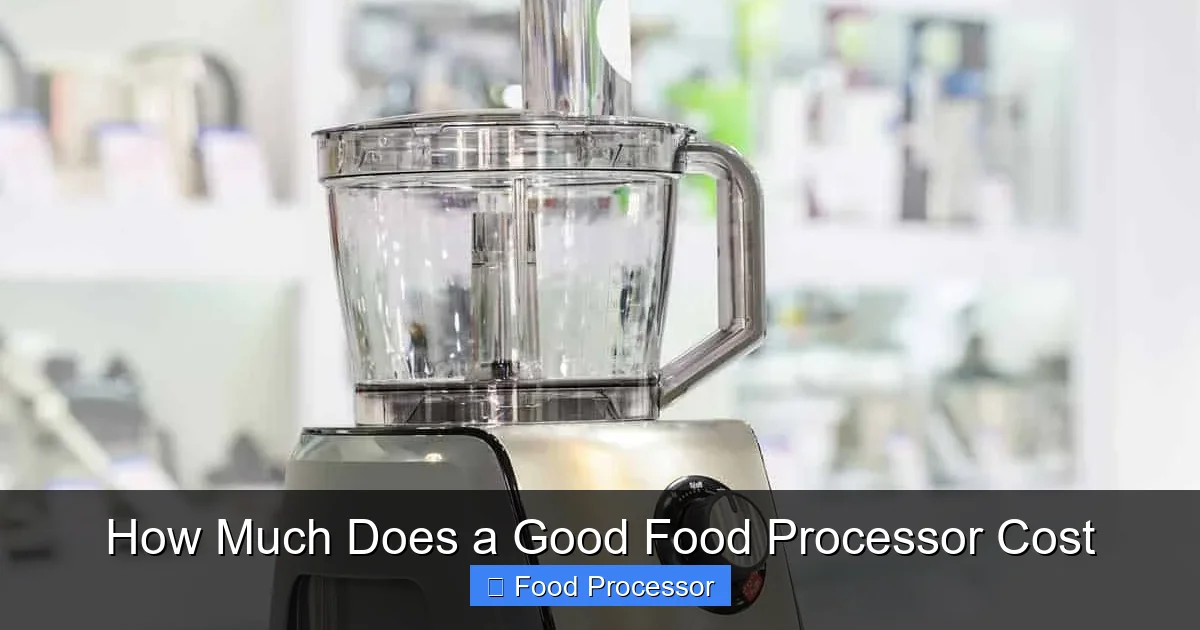
Visual guide about How Much Does a Good Food Processor Cost
Image source: kitchenseer.com
The cost of a good food processor can range from surprisingly affordable to a significant investment. Let’s break down what you can expect at different price points.
Entry-Level Food Processors (Typically $50 – $150)
At the lower end of the spectrum, you’ll find compact and basic models. These are often perfect for individuals or small families who need a food processor for occasional, lighter tasks.
- What to expect: Smaller bowl capacities (1-8 cups), less powerful motors (250-600 watts), and usually only one or two basic blades/discs. They might be made with lighter plastic components.
- Best for: Chopping nuts, making salsa, mincing garlic, or small batches of dips.
- Limitations: May struggle with large quantities, very hard ingredients, or heavy doughs. Durability might be a concern with very frequent use.
Mid-Range Food Processors (Typically $150 – $350)
This is the sweet spot for many home cooks. Mid-range food processors offer a fantastic balance of power, capacity, and versatility without breaking the bank.
- What to expect: Medium to large bowl capacities (9-14 cups), robust motors (600-1000 watts), and a good selection of attachments like multiple slicing/shredding discs and a dough blade. Build quality is noticeably better, often with more durable plastics and sometimes stainless steel accents.
- Best for: Daily cooking, preparing meals for families, making purees, shredding cheese, slicing vegetables for salads, and even kneading bread dough.
- Value: These models often represent the best value for money, providing excellent performance and durability for a wide range of tasks.
High-End and Professional Food Processors (Typically $350 – $700+)
These are the workhorses found in serious home kitchens and often even in commercial settings. They are built for maximum power, durability, and a wide array of functions.
- What to expect: Large capacities (14 cups and up), extremely powerful motors (1000+ watts), premium construction materials (heavy-duty plastics, brushed stainless steel), and a comprehensive set of specialized attachments. They often come with longer warranties.
- Best for: Enthusiastic home chefs, large families, frequent batch cooking, intricate food preparation, and handling very tough ingredients or large volumes with ease.
- Investment: While the initial cost is higher, these machines are designed for decades of reliable use, justifying the price for those who demand the best performance and longevity.
Key Factors That Influence Food Processor Cost
Visual guide about How Much Does a Good Food Processor Cost
Image source: repository-images.githubusercontent.com
Understanding these elements will help you discern why one model costs more than another and whether that extra cost is justified for your needs.
Brand Reputation and History
Established brands with a long history of producing quality kitchen appliances often command higher prices. Companies like Cuisinart, KitchenAid, and Breville invest heavily in research, development, and stringent quality control. This leads to reliable products and often better customer support. For example, if you’re curious about how much does a Cuisinart food processor cost, you’ll find they often fall into the mid-to-high range due to their reputation for quality. You’re often paying for peace of mind, consistent performance, and a proven track record.
Motor Power (Wattage)
As mentioned, motor power is crucial. A more powerful motor (higher wattage) means the food processor can handle tougher ingredients and larger loads without straining. This prevents overheating and extends the lifespan of the appliance. Stronger motors require more robust components, which naturally adds to the manufacturing cost and, consequently, the retail price.
Bowl Capacity (Size)
The size of the work bowl directly impacts the food processor’s price. Smaller mini-choppers (1-4 cups) are the most affordable, while large capacity models (12-16 cups or more) are significantly more expensive. Your ideal capacity depends on how many people you typically cook for and the types of tasks you perform. If you’re wondering how to choose the right size food processor, remember that larger bowls allow you to process more ingredients at once, saving time but increasing cost.
Material Quality and Construction
The materials used in a food processor’s construction play a big role in its durability and cost.
- Plastic: While high-quality, BPA-free plastics are common, some cheaper models might use flimsier plastics that are prone to cracking or discoloration.
- Stainless Steel: Found in premium models, stainless steel components (like blades, feed tubes, or even the exterior housing) add to the durability and aesthetic appeal, but also to the cost.
- Heavy Base: A heavier, more stable base usually indicates a more substantial motor and better overall construction, which contributes to a higher price.
Included Attachments and Features
A basic food processor might only come with an S-blade. More expensive models often include a wider array of specialized discs and blades:
- Slicing discs (adjustable thickness)
- Shredding discs (fine, medium, coarse)
- Dough blade
- Julienne or French fry discs
- Citrus juicer attachment
- Storage cases for attachments
Each additional, high-quality attachment adds to the manufacturing cost and the overall price of the food processor. Extra features like multiple speed settings, pulse functions, or smart safety interlocks also increase the price.
Warranty and Customer Support
A longer warranty period (e.g., 5-10 years on the motor) and readily available customer support often come with higher-priced models. This provides an assurance of quality and protects your investment, which is a valuable component of the overall cost.
How to Determine Your Ideal Food Processor Budget
Finding a good food processor isn’t about spending the most; it’s about spending smart. Here’s how to figure out your ideal budget.
Assess Your Cooking Needs and Frequency
Be honest with yourself:
- How often will you use it? Daily? Weekly? Once a month?
- What tasks will you perform? Simple chopping? Shredding large amounts of cheese? Kneading dough? Making nut butter?
- How many people do you cook for? A single person needs less capacity than a family of six.
If you only need it for occasional, light tasks, an entry-level model might be perfectly “good” for you. If you’re a passionate home cook who uses one almost daily, a mid-range or high-end machine will be a better investment.
Consider Your Kitchen Space
Food processors vary in size. A larger, more powerful model will take up more counter or cabinet space. Ensure you have room for the unit itself and its various attachments. Sometimes a smaller capacity but still powerful model might be a better fit for compact kitchens.
Read Reviews and Compare Models
Before settling on a price point, read independent reviews from reliable sources and consumer reports. Pay attention to comments about performance, durability, ease of cleaning, and customer service. Compare features and prices across several brands and models that fit your initial criteria. This will give you a realistic idea of what your money will buy.
Prioritize Essential Features
Make a list of “must-have” features (e.g., specific bowl size, dough blade) and “nice-to-have” features. This helps you avoid overpaying for bells and whistles you won’t use. Focus your budget on the core functionalities that matter most to your cooking style.
Where to Buy and How to Save Money
Once you have an idea of your budget and desired features, it’s time to shop! Knowing where and when to buy can significantly impact the food processor cost.
Online Retailers vs. Brick-and-Mortar Stores
- Online Retailers (Amazon, Walmart.com, Target.com, etc.): Often offer competitive pricing, a wider selection, and customer reviews. Keep an eye out for free shipping deals. If you’re looking to see how much a food processor costs at Walmart, checking their online store can give you a quick comparison.
- Brick-and-Mortar Stores (Department stores, kitchen specialty stores): Allow you to see and feel the product before buying, and staff can offer advice. They might also price match online competitors.
Look for Sales and Discounts
Timing your purchase can lead to significant savings. Keep an eye out for:
- Holiday Sales: Black Friday, Cyber Monday, Prime Day, and other major holiday sales events often feature deep discounts on kitchen appliances.
- Seasonal Sales: Retailers might offer sales during specific times of the year, such as back-to-school or spring cleaning.
- Clearance Items: Sometimes older models are phased out to make way for new ones, offering a chance to grab a great deal.
Consider Refurbished Models
Many reputable manufacturers and retailers offer refurbished food processors. These are units that might have been returned, repaired, and thoroughly tested to ensure they work like new. They often come with a warranty, albeit sometimes shorter, and are sold at a substantial discount. This can be an excellent way to get a higher-end model for a mid-range price.
Is a Higher Price Always Worth It? (Value vs. Cost)
Not always, but often. A more expensive food processor typically offers:
- Better Motor: More powerful, quieter, and longer-lasting.
- Superior Build: Durable materials, more stable design.
- More Features/Attachments: Greater versatility for different tasks.
- Longer Warranty: Greater peace of mind for your investment.
If you use your food processor frequently, for a variety of challenging tasks, or simply value top-tier performance and durability, then investing in a higher-priced, high-quality model is often worth the initial cost. It will perform better, last longer, and save you from the frustration and potential replacement costs of a cheaper, less capable machine. However, if your needs are minimal, a lower-cost model can still be a perfectly “good” choice for you. The key is aligning the cost with the value *you* derive from the features and performance.
Making Your Investment Last: Maintenance & Longevity
Once you’ve purchased your food processor, proper care ensures you get the most out of your investment and helps maintain its performance over the years. This isn’t strictly about cost, but it impacts the *value* you get for the cost.
Proper Cleaning Routines
Always follow the manufacturer’s cleaning instructions.
- Disassemble Completely: Take apart all removable parts after each use.
- Immediate Rinse: Rinse blades, bowls, and lids immediately to prevent food from drying and sticking.
- Dishwasher Safe? Many parts are top-rack dishwasher safe, but some manufacturers recommend hand-washing blades to maintain sharpness. Check your manual.
- Wipe Down Base: Never submerge the motor base in water. Wipe it clean with a damp cloth.
Regular, thorough cleaning prevents food buildup, odors, and potential issues with moving parts.
Smart Storage Practices
Storing your food processor correctly helps protect its components.
- Keep Blades Safe: Store blades in their designated storage container (if provided) or carefully wrapped to protect both the blades and your hands.
- Protect the Bowl: Avoid stacking heavy items directly on the work bowl to prevent scratches or cracks.
- Organize Attachments: Keep all attachments together so they don’t get lost or damaged. Some high-end models come with a dedicated storage box for discs.
Understanding When to Replace vs. Repair
Even a good food processor might eventually encounter issues. Knowing when to repair or replace can be cost-effective.
- Minor Issues: If a blade dulls, a seal breaks, or a small part gets lost, check if replacement parts are available from the manufacturer. Often, these are inexpensive fixes.
- Major Motor Failure: If the motor stops working and the warranty has expired, the cost of repair might outweigh the cost of a new, entry-level food processor. Compare repair estimates against new unit prices.
Considering what to consider when buying a food processor also includes thinking about the availability and cost of replacement parts. Sometimes, investing slightly more upfront in a brand with readily available parts can save money in the long run.
Conclusion
Deciding how much a good food processor costs isn’t about finding the cheapest option; it’s about finding the *right* option for your kitchen and budget. We’ve explored the wide price range, from basic models under $100 to professional powerhouses exceeding $700. We’ve also delved into the key factors that drive these costs: brand reputation, motor power, bowl capacity, material quality, and the array of attachments.
Remember to assess your individual cooking needs, frequency of use, and available kitchen space to determine your ideal budget. The “sweet spot” for many home cooks often falls in the $150-$350 range, offering a robust blend of performance, durability, and versatility. By comparing brands, reading reviews, and taking advantage of sales, you can secure an excellent deal on a food processor that will be a valuable asset in your kitchen for years to come. Invest wisely, and enjoy the countless culinary possibilities your new food processor unlocks!
