

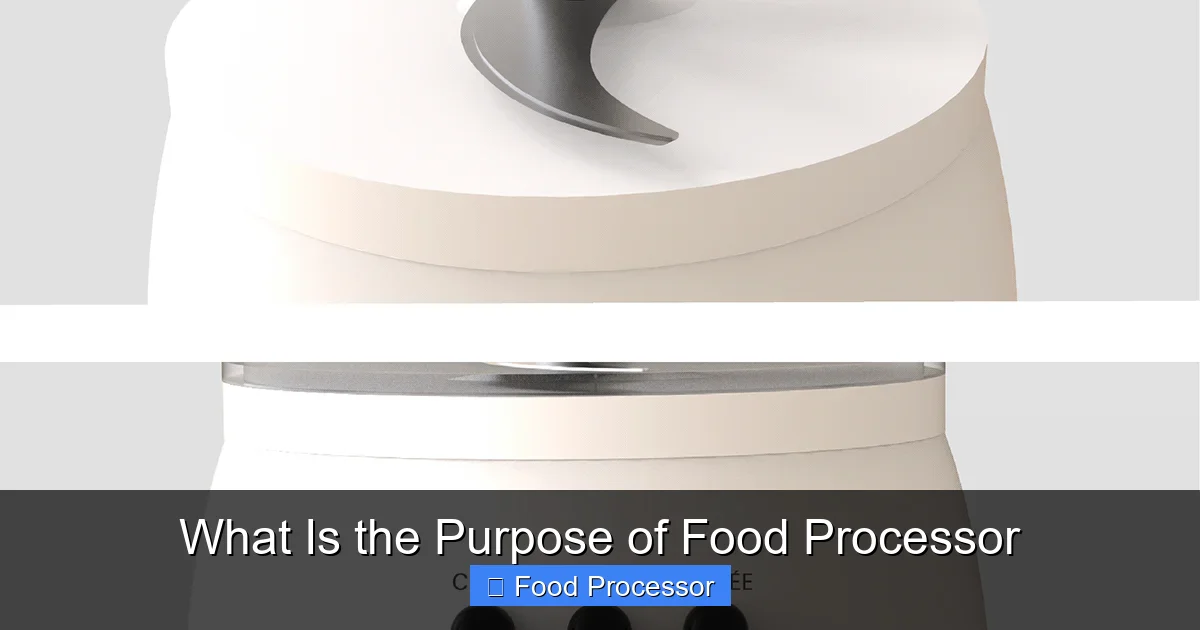
A food processor is a versatile kitchen appliance designed to make food preparation faster and easier. Its primary purpose is to automate repetitive tasks like chopping, slicing, shredding, and pureeing, saving you significant time and effort compared to manual methods. This guide will explore the many functions of a food processor, helping you understand how it can become an indispensable tool for everyday cooking and complex culinary projects, ultimately transforming your kitchen efficiency.
What Is the Purpose of Food Processor?
Ever wondered what that sleek, powerful machine in many kitchens is truly for? Or perhaps you own one and only use it for a fraction of its capabilities? You’re in the right place! The food processor is an incredibly versatile kitchen appliance, and understanding its true purpose can unlock a world of culinary possibilities, making your cooking journey much easier and more enjoyable.
This comprehensive guide will walk you through the many functions and advantages of a food processor. We’ll explore its core purpose, delve into its diverse applications, and offer practical tips to help you get the most out of this kitchen powerhouse. By the end, you’ll see why a food processor is much more than just a chopping machine; it’s a true kitchen game-changer!
Key Takeaways
- Time-Saving Efficiency: The core purpose of a food processor is to drastically reduce food preparation time for tasks like chopping, slicing, and grating, making cooking more efficient.
- Remarkable Versatility: Beyond basic chopping, food processors can shred, slice, purée, knead dough, grind nuts, and emulsify, replacing multiple single-purpose kitchen tools.
- Consistent Results: It delivers uniform cuts and textures, which is challenging to achieve manually, leading to better-looking and more evenly cooked dishes.
- Ease of Use: With simple assembly and intuitive controls, most food processors are user-friendly, allowing home cooks to tackle complex recipes with greater confidence.
- Broad Culinary Applications: From everyday meal prep to making sauces, doughs, nut butters, and baby food, a food processor significantly expands your cooking repertoire.
- Essential Kitchen Investment: For anyone looking to enhance their cooking experience, improve speed, and explore new recipes, understanding and utilizing a food processor is invaluable.
Understanding the Core Purpose: Time-Saving and Efficiency
At its heart, the primary purpose of a food processor is to save you time and effort in the kitchen. Think about all the tedious, repetitive tasks involved in meal preparation: chopping onions, mincing garlic, grating cheese, slicing vegetables. These can be time-consuming and often lead to tired hands and teary eyes. This is where the food processor shines.
It’s designed to perform these tasks with incredible speed and precision. What might take you ten minutes to chop by hand, a food processor can accomplish in mere seconds. This efficiency isn’t just about speed; it’s about reducing the drudgery of cooking, allowing you to focus on the creative aspects of your recipes. Whether you’re a busy parent, a culinary enthusiast, or someone who just wants to get dinner on the table faster, the food processor is your ally.
Beyond Chopping: The Multifaceted Uses of a Food Processor
While its ability to chop quickly is a major selling point, the purpose of a food processor extends far beyond just basic chopping. With various blades and attachments, it can perform a wide array of functions that would otherwise require multiple kitchen tools or significant manual labor.
Chopping, Mincing, and Dicing
This is often the first function people think of when they consider a food processor. It excels at breaking down ingredients into uniform pieces, from coarse chops to fine minces.
- Perfecting Your Mise en Place: Imagine preparing a stir-fry that calls for finely chopped bell peppers, onions, and carrots. Manually, this can take a while. With a food processor, you can quickly achieve consistent pieces, ensuring even cooking and a professional presentation. Just remember to pulse for control!
- Example: Onions, Garlic, and Herbs: Say goodbye to watery eyes from chopping onions. A few pulses in the food processor will mince them perfectly. The same goes for garlic, ginger, and fresh herbs, preparing them in seconds for sauces, marinades, or garnishes.

Visual guide about What Is the Purpose of Food Processor
Image source: ambassador.com.ph
Shredding and Grating
Many food processors come with reversible shredding discs that can transform blocks of cheese or firm vegetables into grated goodness in moments.
- From Cheese to Vegetables: Need shredded cheese for tacos, pizza, or a casserole? Forget the box grater! The food processor makes quick work of hard and semi-hard cheeses. It’s also fantastic for shredding carrots for salads or cakes, potatoes for hash browns, or even large quantities of cabbage for coleslaw. If you want to master this, learn how to use your food processor to shred cabbage for a healthy side dish or ferment.
Slicing with Precision
With a slicing disc, your food processor can produce perfectly even slices of fruits and vegetables, something that’s incredibly difficult to achieve by hand.
- Uniformity for Professional Results: Think of slicing potatoes for a gratin, cucumbers for a salad, or apples for a tart. Hand-slicing can lead to uneven thickness, causing some pieces to cook faster than others. The food processor delivers consistent slices every time, ensuring even cooking and beautiful presentation.
Pureeing and Blending
While blenders are designed for liquids, a food processor is excellent for creating thick purées, smooth sauces, and creamy spreads from solid ingredients, often with less added liquid than a blender requires.
- Smooth Textures for Sauces and Soups: Craving homemade hummus? A food processor is essential for achieving that silky-smooth texture. It’s also perfect for making pesto, nut butters (like almond or peanut butter), baby food, and creamy vegetable soups. For example, if you’re making a rich tomato sauce, the food processor can quickly transform canned tomatoes into a smooth base. Understanding why a food processor is different from a blender can help you choose the right tool for the job.
Kneading Dough
Some food processors come with a specialized dough blade, turning this often labor-intensive task into a simple one.
- Less Effort, Perfect Consistency: For bakers, the food processor can be a game-changer. It can quickly bring together and knead dough for bread, pizza, and pie crusts, creating a consistent texture without the sticky mess or muscle strain of hand-kneading. This is especially useful for recipes requiring cold butter cut into flour, like flaky pastry dough.
Grinding Nuts and Spices
If you love fresh flavors, a food processor can help you grind nuts for baking or create your own spice blends.
- Freshly Ground Flavors: Want to make your own nut flour for gluten-free baking? The food processor can grind almonds, walnuts, or pecans into a fine meal. It’s also great for making fresh breadcrumbs from stale bread or for grinding whole spices for maximum aroma and flavor in your cooking. Did you know a food processor can even help make homemade peanut butter?
Making Emulsions and Dressings
The feed tube on most food processors is designed for adding liquids gradually while the machine is running, which is perfect for creating stable emulsions.
- Effortless Blending for Smooth Results: Homemade mayonnaise, aioli, and vinaigrettes are a breeze with a food processor. The continuous processing combined with a slow, steady stream of oil through the feed tube ensures a perfectly emulsified, stable sauce or dressing.
Why Invest in a Food Processor?
Now that you know the wide range of tasks a food processor can handle, let’s summarize the key benefits that highlight its essential purpose in the modern kitchen.
Speed and Efficiency
The most significant advantage is undoubtedly the time it saves. What might take minutes or even hours by hand can be done in seconds or minutes with this appliance. This speed makes weeknight cooking less daunting and allows you to prepare more complex meals without feeling overwhelmed.
Versatility
A single food processor can replace a mandoline, a cheese grater, a mincer, a dough mixer, and even a mortar and pestle for certain tasks. This versatility saves counter space and reduces the number of gadgets you need to own. It’s truly a multi-tasking marvel. Many home cooks discover the many advantages of a food processor only after bringing one into their kitchen.
Consistency
Achieving uniform cuts by hand is difficult and time-consuming. A food processor consistently delivers even slices, shreds, and chops, which not only looks better but also ensures that ingredients cook evenly, leading to better overall results in your dishes.
Safety
Using sharp knives and manual graters can be risky. The enclosed design of a food processor keeps your hands away from sharp blades, significantly reducing the risk of cuts and injuries during food prep.
Choosing and Maintaining Your Food Processor
To fully appreciate the purpose of a food processor, it’s important to choose the right one and know how to use it effectively.
Selecting the Right Food Processor
When buying a food processor, consider your cooking habits.
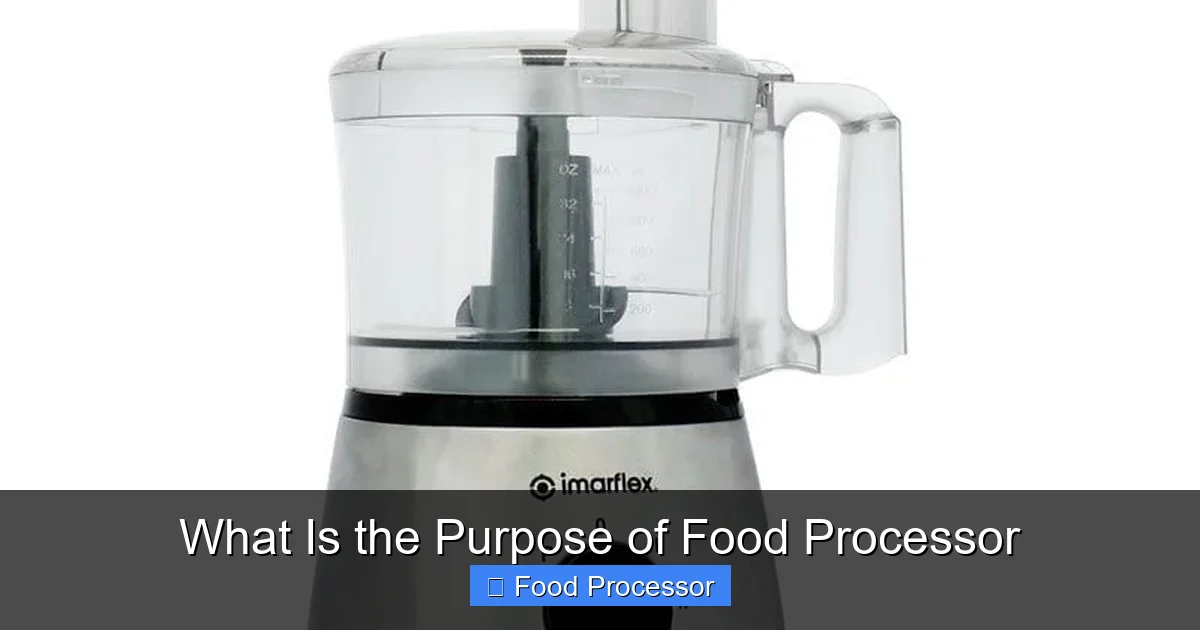
- Size, Power, and Attachments: Food processors come in various sizes, from compact mini choppers to large 14-cup models. If you cook for a crowd or prepare large batches, a larger capacity might be best. Look for a powerful motor (measured in watts) for tougher jobs like kneading dough or grinding nuts. Check what attachments are included, such as different blades for chopping, shredding, slicing, and sometimes a dough blade. For more guidance, here’s what to consider when buying a food processor.
Visual guide about What Is the Purpose of Food Processor
Image source: cebuappliancecenter.com
Essential Tips for Using Your Food Processor Effectively
To maximize the purpose of your food processor, follow these simple guidelines:
- Don’t Overfill: Always avoid filling the work bowl past the maximum fill line. Overfilling can lead to uneven processing, strain the motor, and cause leakage.
- Use the Pulse Function: The pulse button is your best friend for precise control. Instead of continuous blending, use short pulses to gradually chop or mix ingredients until you reach the desired consistency. This prevents over-processing and turning ingredients into mush.
- Cut Food into Manageable Pieces: Before adding ingredients to the food processor, cut them into pieces that will fit comfortably through the feed tube or around the blade. This helps the machine work more efficiently and ensures even processing.
- Clean Immediately: Food particles can dry and stick, making cleanup harder. Rinse the bowl, lid, and blades immediately after use, or wash them with warm soapy water. Many parts are dishwasher-safe, but always check your manufacturer’s instructions.
Troubleshooting Common Food Processor Issues
Even the most reliable appliances can sometimes have quirks. Knowing how to address minor issues helps you continue to enjoy the full purpose of your food processor.
What If My Food Processor Isn’t Working Right?
A common concern is when the machine doesn’t seem to function as expected.
- Blade Not Spinning: If your food processor’s blade isn’t spinning, first check if the bowl and lid are correctly assembled and locked into place. Most food processors have safety interlocks that prevent operation if not assembled properly. Also, ensure the power cord is securely plugged in. For a deeper dive, read about why your food processor blade might not be spinning and how to fix it.
- Food Not Processing Evenly: This often happens due to overfilling or not cutting ingredients into similar sizes before adding them. Try processing smaller batches, or ensure all pieces are roughly the same size to help the blades work more efficiently. Using the pulse function also gives you more control over consistency.
Conclusion
The purpose of a food processor is remarkably broad and incredibly beneficial for anyone who spends time in the kitchen. It’s an invaluable tool designed to simplify, speed up, and enhance your food preparation experience. From the simplest tasks like chopping vegetables to more complex ones like kneading dough or making homemade sauces, this versatile appliance empowers you to cook more efficiently, explore new recipes with confidence, and enjoy the process of creating delicious meals.
Investing in and learning to properly use a food processor is an investment in your culinary journey. It frees up your time, reduces manual effort, and consistently delivers professional-quality results, truly making it an indispensable kitchen companion. Embrace the power of your food processor, and transform your cooking for the better!
