

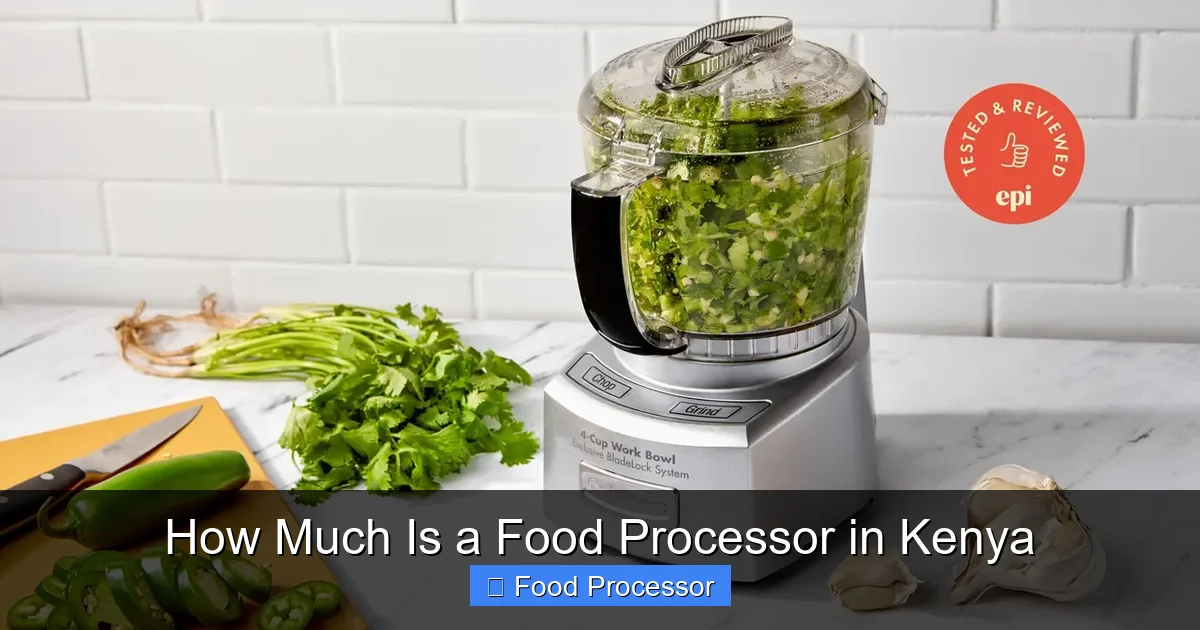
Finding out how much a food processor in Kenya costs involves considering various factors like brand, capacity, and features. Prices typically range from KSh 3,000 for basic models to over KSh 40,000 for premium, feature-rich appliances. This guide helps you navigate the Kenyan market, understand price influencers, and find the perfect food processor for your needs and budget, whether you’re shopping online or at a physical store.
How Much Is a Food Processor in Kenya
Are you tired of chopping, dicing, and grating by hand? Do you dream of effortlessly preparing delicious meals in your Kenyan kitchen? A food processor is a game-changer! It can save you tons of time and effort. But before you dive in, a common question pops up: “How much is a food processor in Kenya?”
This guide is here to help you answer that very question. We’ll explore the different price ranges you can expect, factors that influence the cost, and the best places to buy a food processor in Kenya. By the end, you’ll be well-equipped to make an informed decision and find the perfect kitchen companion that fits both your culinary needs and your budget. Let’s get started on this exciting journey to simplify your cooking!
Key Takeaways
- Wide Price Range: Food processors in Kenya can cost anywhere from KSh 3,000 for small, basic models to over KSh 40,000 for large, high-end appliances with multiple functions.
- Key Influencers: Brand reputation, motor wattage, bowl capacity, included attachments, and smart features significantly impact the final price of a food processor.
- Where to Buy: You can find food processors at major online retailers like Jumia and Kilimall, large supermarkets such as Carrefour and Naivas, and dedicated electronics stores.
- Budget-Friendly Options: Local brands and smaller capacity models often provide more affordable entry points for those on a tight budget.
- Consider Your Needs: Before buying, assess your cooking habits and desired functions to choose a food processor that offers the best value and utility for you.
- Always Compare: Shopping around, checking for sales, and reading customer reviews are crucial steps to ensure you get the best deal and a reliable product.
- Warranty Matters: Opt for food processors with a clear warranty and good after-sales support, especially when investing in higher-priced models.
Understanding the Price Spectrum of Food Processors in Kenya
The cost of a food processor in Kenya isn’t fixed. It varies quite a lot, just like with many other appliances. You can find simple, compact models for a few thousand shillings. On the other hand, professional-grade or multi-functional machines can cost significantly more. Let’s break down what typically influences how much a food processor in Kenya will cost you.
Factors That Influence the Price
Several key factors play a big role in determining the price tag of a food processor. Knowing these will help you understand why some models are more expensive than others.
Brand Reputation and Origin
Brands matter a lot. Well-known international brands like Kenwood, Philips, Bosch, and Cuisinart often come with a higher price. This is due to their reputation for quality, durability, and advanced features. Local or regional brands like Ramtons, Mika, and Von are usually more affordable. They offer good value for money, especially if you’re looking for basic functionalities. So, how much is a food processor in Kenya often depends on whether it’s an internationally recognized brand or a more localized option.
Capacity and Size
Food processors come in different sizes, measured by their bowl capacity.
-
Small/Mini Food Processors (1-3 cups): These are great for small tasks like chopping herbs, nuts, or making dips for one or two people. They are typically the cheapest, often ranging from KSh 3,000 to KSh 6,000.
-
Compact Food Processors (4-7 cups): A good middle ground for daily use in smaller households. They handle most common tasks well and are usually priced between KSh 6,000 and KSh 12,000.
-
Full-Size Food Processors (8-14 cups): Ideal for larger families or if you do a lot of cooking and meal prepping. These offer more power and versatility. You can expect to pay anywhere from KSh 12,000 to KSh 25,000 or more for these. If you’re wondering how to choose the right size food processor, consider how many people you typically cook for.
-
Professional/Extra-Large Food Processors (16+ cups): Meant for commercial use or very large households. These are the most expensive, often exceeding KSh 30,000 to KSh 50,000.
Motor Wattage and Power
The motor’s power, measured in watts, affects how efficiently and quickly a food processor can handle tough ingredients. Higher wattage means more power.
-
Lower Wattage (300-600W): Suitable for basic tasks like chopping soft vegetables or mixing light dough. These are found in more affordable models.
-
Mid-Range Wattage (600-1000W): Good for most everyday cooking, including shredding harder vegetables, kneading dough, and making purees. These are common in mid-range priced food processors.
-
High Wattage (1000W+): Designed for heavy-duty tasks, frequent use, and processing large quantities or very tough ingredients. These are typically found in premium and more expensive models. This also impacts how long you can leave a food processor running.
Features and Attachments
More features and accessories naturally lead to a higher price.
-
Basic Models: Usually come with just a main blade (S-blade) and perhaps a reversible slicing/shredding disc. These keep the answer to “how much is a food processor in Kenya” on the lower side.
-
Mid-Range Models: May include additional discs for grating, julienning, or French fries, along with a dough blade and different speed settings.
-
Premium Models: Often boast advanced features like multiple processing bowls, adjustable slicing discs, citrus juicers, whisk attachments, built-in scales, pulse functions, and even pre-programmed settings. Some might even come with a blender attachment, making them multi-purpose kitchen tools. Many people ask why is a food processor better than a blender, and it often comes down to these specialized attachments.
Material Quality and Durability
The materials used for the housing, bowl, and blades affect both durability and cost.
-
Plastic Bowls and Housing: Common in budget-friendly models. They are lightweight but might not be as durable over time.
-
BPA-Free Tritan or Glass Bowls: Found in mid-range to high-end models, offering better durability, stain resistance, and a premium feel.
-
Stainless Steel Blades: Standard across most good food processors. High-quality stainless steel will last longer and stay sharper.
General Price Ranges for Food Processors in Kenya
To give you a clearer picture, here’s a general breakdown of what you can expect to pay for a food processor in Kenya. Remember, these are estimates, and prices can fluctuate based on sales, promotions, and the specific retailer.
Budget-Friendly Food Processors (KSh 3,000 – KSh 8,000)
In this range, you’ll find smaller capacity food processors (1-4 cups) or compact models from local brands like Mika, Von, and Ramtons. They typically have lower wattage motors (300-600W) and come with basic attachments like an S-blade and maybe one or two slicing/shredding discs. These are perfect for single users, small families, or those new to food processors who want to try one out without a significant investment.
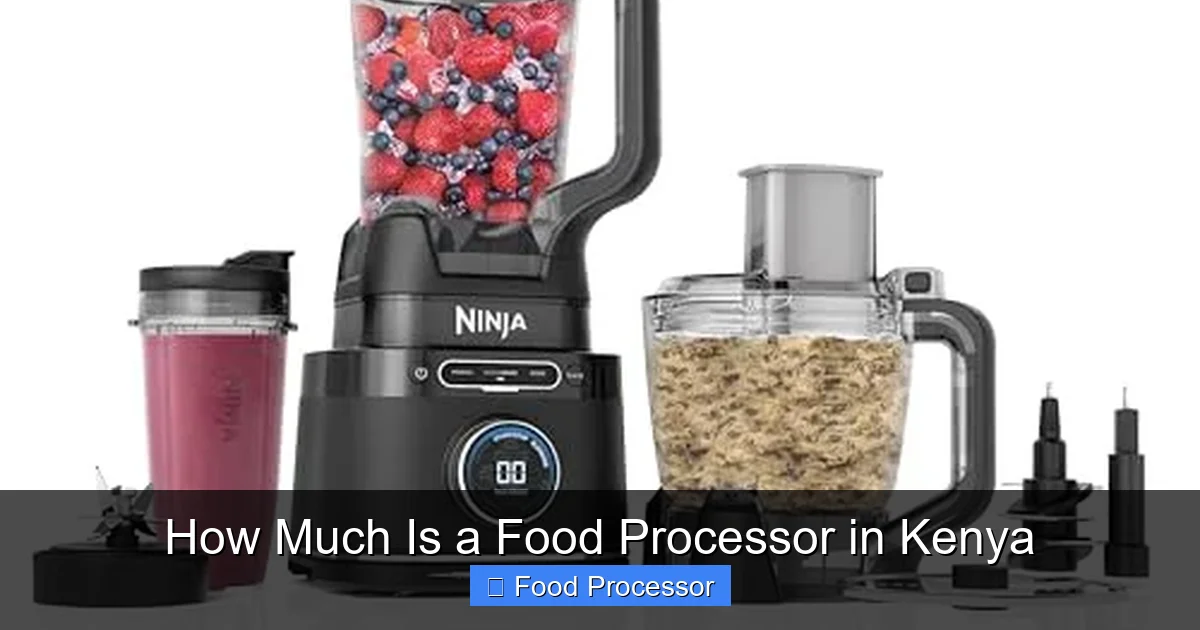
Visual guide about How Much Is a Food Processor in Kenya
Image source: m.media-amazon.com
Mid-Range Food Processors (KSh 8,000 – KSh 18,000)
This is where you’ll find a wide variety of full-size food processors (8-12 cups) from reputable brands such as Kenwood, Philips, and some larger Ramtons or Von models. They usually feature more powerful motors (700-1000W), multiple speed settings, and a good selection of attachments for slicing, shredding, kneading, and chopping. This range offers a great balance of performance, versatility, and durability for most households.
High-End/Premium Food Processors (KSh 18,000 – KSh 40,000+)
For those who cook frequently, prepare large meals, or seek professional-grade performance, this range offers top-tier food processors. Here, you’ll find larger capacities (12-14+ cups) and very powerful motors (1000W+). Brands like Bosch, more advanced Kenwood models, and even imported Cuisinart food processors fall into this category. They often boast premium build materials, advanced safety features, sophisticated electronic controls, and a comprehensive set of specialized blades and discs for virtually any culinary task. Understanding how much a Cuisinart food processor costs internationally can give you an idea of the premium end of the market.
Where to Buy a Food Processor in Kenya
Now that you have an idea of how much a food processor in Kenya costs, where can you actually buy one? You have several excellent options, both online and physical.
Online Marketplaces
Online shopping has become very popular in Kenya. It offers convenience and a wide selection.
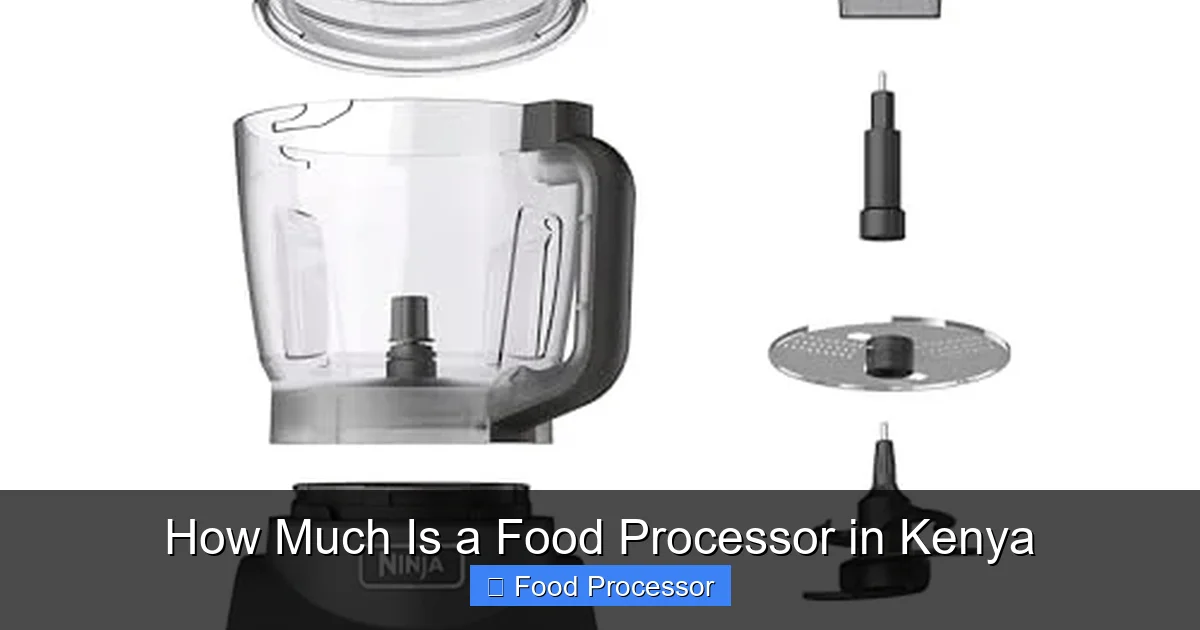
Visual guide about How Much Is a Food Processor in Kenya
Image source: m.media-amazon.com
-
Jumia Kenya: This is arguably the largest online retailer in Kenya. Jumia offers a vast range of food processors from various brands, often with competitive prices and frequent sales. You can easily compare models and read customer reviews. Look out for “Jumia Express” or “Official Store” listings for better reliability.
-
Kilimall: Another popular e-commerce platform that offers a good selection of electronics and kitchen appliances, including food processors. Prices are often competitive, and they also have various promotions.
-
Avechi Kenya: Known for electronics, Avechi also stocks a variety of kitchen appliances, sometimes offering specific deals on food processors.
-
Kitali and Anko Retail: These are other emerging online stores that stock home appliances. They might have niche brands or different pricing structures worth checking out.
Supermarkets and Hypermarkets
Major supermarket chains in Kenya often have dedicated sections for home appliances. Shopping here allows you to see the product physically.
-
Carrefour: With multiple branches across Kenya, Carrefour usually has a good range of food processors from various brands at different price points. They often run sales and promotions.
-
Naivas: A popular local supermarket chain that also stocks a selection of kitchen appliances. Their prices are generally competitive for mid-range and budget options.
-
Quickmart: Another growing supermarket chain that has expanded its non-food items, including small kitchen appliances.
Electronics and Appliance Stores
These specialized stores often provide expert advice and a broader selection of premium models.
-
Hotpoint Appliances: A well-known retailer for electronics and home appliances in Kenya. They carry a wide range of brands, including high-end models, and provide good after-sales service.
-
Brand Specific Stores (e.g., Ramtons, Mika, Von outlets): Many brands have their own showrooms or dedicated sections in larger stores. This can be a good place to find their full product line.
-
Larger Electronics Retailers: Stores that sell TVs, fridges, etc., will usually also have a section for smaller kitchen appliances like food processors.
Tips for Getting the Best Deal on a Food Processor
Finding out how much is a food processor in Kenya is just the first step. Getting a good deal requires a bit of savvy shopping.
Compare Prices Across Retailers
Don’t settle for the first price you see. Always check at least 2-3 different stores or online platforms. Prices for the exact same model can vary significantly.
Look for Sales and Discounts
Keep an eye out for seasonal sales, Black Friday deals, end-of-year promotions, or specific brand promotions. Online marketplaces like Jumia often have daily deals. Subscribing to newsletters from your favorite retailers can alert you to upcoming sales.
Read Reviews
Before making a purchase, read customer reviews. They offer real-world insights into the product’s performance, durability, and any common issues. This can help you avoid buying a cheap food processor that doesn’t meet expectations.
Consider Your Needs (Beyond Just Price)
While price is a big factor, think about what you truly need. A very cheap food processor might not have the power or capacity you require, leading to buyer’s remorse. On the flip side, paying for features you’ll never use is also a waste. Consider what to consider when buying a food processor to ensure it aligns with your specific cooking style.
Check Warranty and After-Sales Support
Always prioritize food processors with a good warranty (at least 1-2 years). Knowing that you have support in case of a fault is invaluable. In Kenya, local brands often have easily accessible service centers.
What to Consider Before Making Your Purchase
Beyond the price tag, there are practical considerations that will help you choose the right food processor.
Your Cooking Habits
Do you cook for a large family or just yourself? How often do you cook? What kind of dishes do you prepare? If you make a lot of purees, doughs, or need to shred large quantities of vegetables, a higher capacity and more powerful model will be beneficial. If you only need to chop onions occasionally, a mini food processor might suffice.
Space in Your Kitchen
Food processors can take up counter space. Measure the available area in your kitchen before buying. Some models are quite bulky, especially the larger capacity ones.
Ease of Cleaning
Nobody wants to spend hours cleaning kitchen appliances. Look for models with dishwasher-safe parts. This makes post-cooking cleanup much easier and faster. Check if you can put food processor parts in the dishwasher before buying.
Safety Features
Ensure the food processor has safety locks that prevent it from operating if the bowl or lid isn’t properly assembled. This is a standard feature on most modern food processors but always worth confirming.
Troubleshooting Common Buying Dilemmas
“The Price Seems Too Good to Be True”
If a deal looks incredibly cheap, exercise caution. It could be a counterfeit product, used item misrepresented as new, or lack a proper warranty. Always buy from reputable sellers, especially online. Read reviews about the seller, not just the product.
“My Food Processor Isn’t Working After Purchase”
First, check the assembly. Many food processors have safety mechanisms that prevent them from turning on if the bowl or lid isn’t locked correctly. If it’s a new purchase and still not working, refer to your warranty and contact the retailer or brand’s service center immediately.
Conclusion
Deciding “how much is a food processor in Kenya” involves more than just looking at a price tag. It’s about balancing your budget with your needs, desired features, and the reliability of the brand. From compact, budget-friendly options starting around KSh 3,000 to high-end, powerful machines exceeding KSh 40,000, the Kenyan market offers a wide array of choices.
By considering factors like brand, capacity, wattage, and features, and by smartly shopping across online and physical stores, you can find a food processor that will be a valuable asset in your kitchen. Invest wisely, and get ready to enjoy faster, easier, and more enjoyable cooking experiences. Happy processing!
