
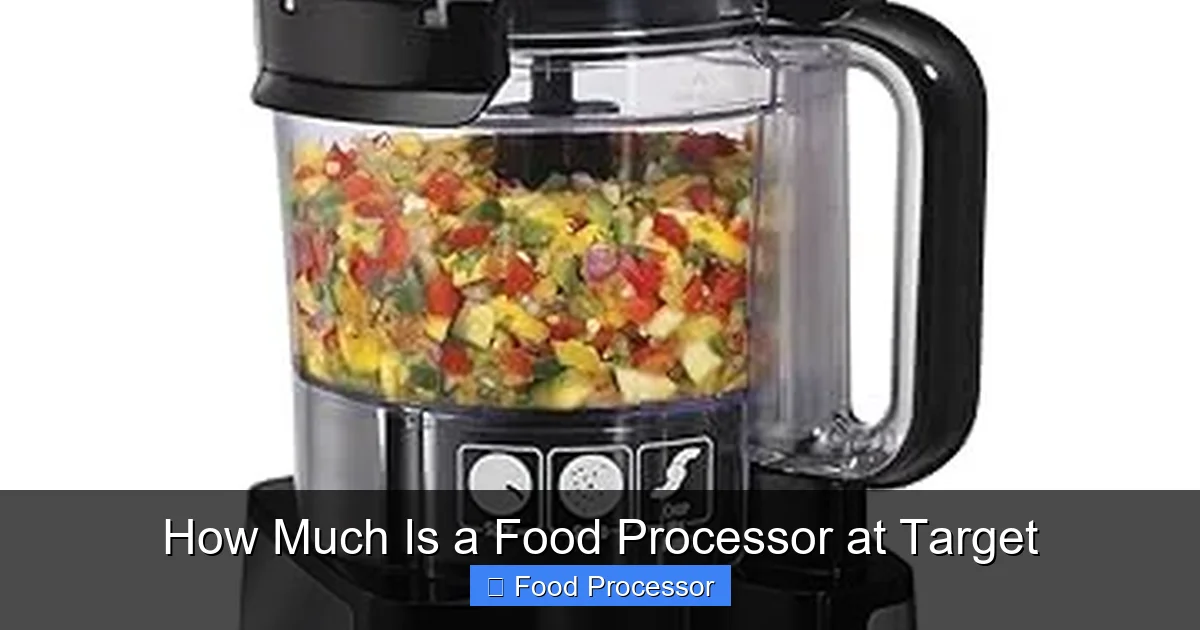
Wondering how much is a food processor at Target? This comprehensive guide breaks down everything you need to know. You’ll learn about typical price ranges, the factors that influence cost, and popular brands like Cuisinart and Ninja. We also share savvy tips to help you snag the best deals, ensuring you find the ideal kitchen companion without overspending.
How Much Is a Food Processor at Target
Welcome, fellow home cooks and kitchen enthusiasts! Are you considering adding a versatile food processor to your culinary arsenal but wondering about the cost? Specifically, how much is a food processor at Target? You’ve come to the right place. Target is a beloved retail giant known for its wide selection of home goods, including kitchen appliances, often at competitive prices. Navigating their extensive inventory to find the perfect food processor at the right price can feel a bit overwhelming, but don’t worry, we’re here to help!
In this comprehensive guide, we’ll walk you through everything you need to know about purchasing a food processor at Target. We’ll explore typical price ranges, dive into the factors that influence those prices, introduce you to the popular brands you’ll find there, and, most importantly, equip you with strategies to find the best possible deals. By the end of this article, you’ll be well-prepared to make an informed decision and bring home the ideal kitchen workhorse for your needs and budget. Let’s get started on finding your new favorite kitchen gadget!
Key Takeaways
- Price Range Varies: Food processors at Target generally range from $30 for basic choppers to over $300 for high-end, full-sized models with advanced features.
- Factors Affect Price: Key elements influencing cost include brand reputation, bowl capacity, motor wattage, included accessories, material quality, and any smart or specialized features.
- Target Offers Diverse Brands: You’ll find a wide selection of brands like Hamilton Beach, Ninja, Cuisinart, and KitchenAid, each catering to different budgets and needs.
- Look for Deals: Target frequently offers sales through weekly ads, Circle offers, and clearance sections. Using your Target RedCard can also provide an additional 5% savings.
- Consider Your Needs: Before buying, evaluate your typical cooking tasks, available kitchen space, and desired features to choose the most suitable and cost-effective food processor.
- Online vs. In-Store: Both shopping methods at Target have pros and cons. Online offers wider selection and easy price comparison, while in-store allows you to see and feel the product directly.
Understanding the Cost Range of Food Processors at Target
The price tag on a food processor at Target can vary quite a bit, primarily depending on its size, brand, power, and features. Generally, you can expect to see prices ranging from budget-friendly options starting around $30 to more professional-grade machines that can exceed $300.
Entry-Level Food Processors (Typically $30 – $70)
These are usually smaller models, often referred to as mini choppers or compact food processors with capacities between 1.5 to 5 cups. They’re perfect for basic tasks like chopping nuts, mincing garlic, or making small batches of dips. Brands like Hamilton Beach or Proctor Silex often dominate this segment. They typically have simpler controls, fewer accessories, and less powerful motors.
Mid-Range Food Processors (Typically $70 – $180)
This category offers a sweet spot for many home cooks. You’ll find full-sized models with capacities ranging from 7 to 12 cups, capable of handling a wider array of tasks. Brands like Ninja, Cuisinart, and some KitchenAid models fall into this bracket. These food processors usually feature more robust motors, multiple speed settings, and come with a selection of blades and discs for slicing, shredding, and kneading. This range often offers the best balance of features, performance, and value.
High-End Food Processors (Typically $180 – $300+)
At the higher end, you’re looking at professional-grade or premium consumer models, often from established brands like Cuisinart (their larger, more powerful models) or KitchenAid. These food processors typically boast larger capacities (12-14 cups or more), exceptionally powerful motors, durable construction (sometimes with stainless steel components), and a comprehensive suite of accessories for every conceivable task. They are designed for frequent use and demanding jobs, offering superior performance and longevity.
Factors Influencing Food Processor Prices at Target
Several key factors play a significant role in determining how much a food processor costs at Target. Understanding these can help you pinpoint why one model is priced differently from another and what you’re truly paying for.
Brand Recognition and Reputation
Just like with any appliance, the brand name carries weight. Established brands with a reputation for quality, durability, and customer service often command higher prices. For example, you might find that a Cuisinart food processor, known for its robust performance, generally costs more than a lesser-known brand, even if their capacities are similar. Brands like KitchenAid also fall into this category, while Hamilton Beach and Proctor Silex typically offer more budget-friendly options.
Visual guide about How Much Is a Food Processor at Target
Image source: foodprocessr.com
Bowl Capacity and Size
The size of the food processor’s work bowl directly impacts its price. Larger capacities (10-14 cups) are more expensive than smaller ones (1.5-7 cups) because they can handle bigger batches, require more powerful motors, and use more materials. When deciding on size, it’s helpful to consider how to choose the right size food processor based on your family size and typical cooking needs.
Motor Power (Wattage)
A more powerful motor (measured in watts) can handle tougher ingredients like dough or hard vegetables without bogging down. Food processors with higher wattage (e.g., 600W-1000W+) are generally more expensive but offer better performance and durability, especially for heavy-duty tasks. Lower wattage models (250W-400W) are fine for lighter chopping and pureeing.
Included Accessories and Blade Variety
A basic food processor might only come with an S-blade for chopping. More expensive models often include a variety of discs for slicing (thin, thick), shredding (fine, coarse), grating, and even a dough blade. The more attachments and specialized blades included, the higher the price, as these accessories add to the versatility of the appliance.
Material Quality and Construction
The materials used in a food processor’s construction affect both its durability and price. Models made with sturdy, BPA-free plastics, high-quality stainless steel blades, and heavy bases tend to be more expensive but also more resilient and longer-lasting. Budget models might use thinner plastics or less robust components.
Advanced Features and Technology
Some food processors come with advanced features like touch controls, programmable settings, multiple feed tube sizes, or even integrated scales. These technological enhancements and convenience features will naturally increase the overall cost of the appliance.
Types of Food Processors You’ll Find at Target
Target stocks a diverse range of food processors, ensuring there’s something for every kitchen and budget. Understanding the different types can help you narrow down your search.
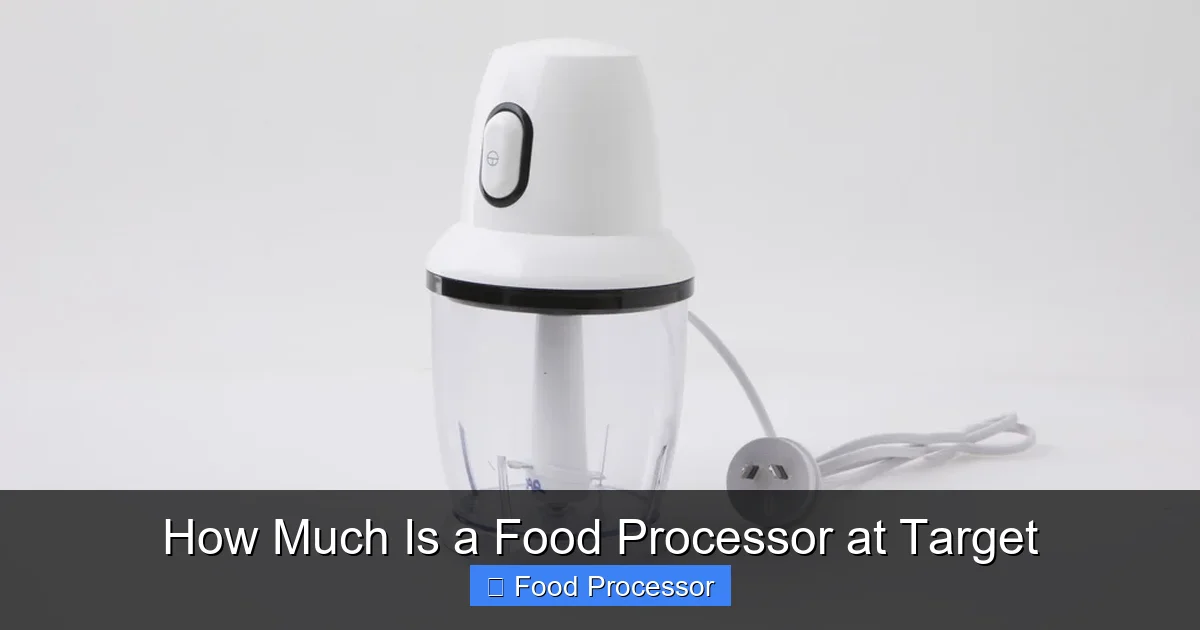
Mini Food Processors / Choppers
These are the smallest and most affordable options, typically with 1.5 to 3-cup capacities. They’re perfect for quick, small jobs like mincing herbs, chopping nuts, or making single-serve dressings. They’re compact, easy to store, and ideal for individuals or small households with limited kitchen space.
Visual guide about How Much Is a Food Processor at Target
Image source: pdbimg.choice.com.au
Compact Food Processors
Stepping up slightly, compact models usually range from 4 to 7 cups. They offer a good balance for everyday tasks in smaller to medium-sized households. They can handle chopping vegetables, pureeing sauces, and making dips with ease, without taking up too much counter space.
Full-Size Food Processors
These are the workhorses of the kitchen, with capacities from 8 to 14 cups or more. Full-size food processors are best for families, avid bakers, or anyone who frequently prepares meals from scratch. They can tackle large batches of ingredients, knead dough, shred cheese, and perform a wide range of tasks efficiently. They are also often available as food processor and blender combos, offering even more versatility in one appliance.
Food Processor/Blender Combos
Some brands offer appliances that combine the functions of a food processor and a blender into one unit, often with interchangeable bases or attachments. These can be a great space-saving solution and offer excellent value, especially if you’re deciding between “what is the best food processor and blender combo”. These versatile machines can seamlessly switch between chopping, slicing, and pureeing your ingredients to blending smoothies or soups. While a food processor is different from a blender and generally excels at solid food prep, a combo unit aims to give you the best of both worlds.
Popular Food Processor Brands at Target and Their Price Points
Target carries a variety of well-known and trusted brands, each offering different features and price points. Here’s a look at some you’re likely to encounter:
- Hamilton Beach: Known for affordability and functional design. You’ll find many entry-level and mid-range food processors from Hamilton Beach, typically priced from $30 to $80. They are a solid choice for basic chopping and slicing without breaking the bank.
- Proctor Silex: Often the most budget-friendly option. Proctor Silex choppers and mini food processors can be found for as low as $25-$40, ideal for very occasional, light use.
- Ninja: A popular brand that often combines blenders and food processors into versatile systems. Ninja food processors at Target usually range from $80 to $200+, depending on whether they’re stand-alone units or multi-functional kitchen systems. They are known for their powerful motors.
- Cuisinart: A leader in the food processor market. Cuisinart models at Target span the mid-range to high-end, typically from $90 for compact models up to $300+ for their larger, more robust full-size units. They are highly regarded for performance and durability.
- KitchenAid: While famous for stand mixers, KitchenAid also offers a strong line of food processors. Their models at Target usually fall within the $100 to $250 range, offering stylish designs, good performance, and a range of capacities.
How to Find the Best Deals on Food Processors at Target
Finding a great food processor at Target is exciting, but finding it at a great price is even better! Here’s how to maximize your savings:
Check Weekly Ads and Circle Offers
Target regularly publishes weekly ads both in print and online, highlighting sales on various categories, including kitchen appliances. Always check these ads before you shop. Additionally, download the Target app and sign up for Target Circle. This free loyalty program offers personalized deals, which can often include discounts on food processors. You can “clip” these digital coupons and apply them at checkout.
Look for Clearance Items
Don’t overlook the clearance sections, both in-store and online. Target frequently marks down items to clear inventory, especially after holidays or when new models are released. Clearance items are typically identified with red tags in stores and a specific “Clearance” filter online. You might snag a fantastic deal on a quality food processor this way.
Utilize Target RedCard Benefits
If you shop at Target frequently, consider getting a Target RedCard (debit or credit). RedCard holders receive an automatic 5% discount on nearly all purchases, including food processors. This seemingly small discount can add up, especially on a larger appliance purchase, and makes a big difference over time. Plus, you get free shipping on most Target.com orders.
Compare Prices with Competitors
Before making a final purchase, quickly compare the price of your desired food processor at Target with other major retailers. While we’re focusing on Target here, it’s always wise to check how much does a food processor cost at Walmart or other electronics stores. Target often price-matches, so if you find a lower advertised price from a qualifying competitor, they might honor it.
Shop During Seasonal Sales
Timing your purchase can lead to significant savings. Keep an eye out for major sales events like Black Friday, Cyber Monday, post-holiday sales (e.g., after Christmas), and sometimes “Deal Days” that Target hosts during the summer. Kitchen appliances, including food processors, are often heavily discounted during these periods.
Making Your Purchase: Online vs. In-Store at Target
Target offers two convenient ways to buy a food processor: online via Target.com or in person at one of their many stores. Both have their advantages.
Shopping Online at Target.com
Pros: A wider selection of models and brands than what might be available in a single store, easy price comparisons, customer reviews and ratings at your fingertips, and the convenience of home delivery or in-store pickup (Drive Up/Order Pickup). You can also easily check for online-exclusive deals.
Cons: You can’t physically inspect the product before buying, and colors or sizes might look different in person. Shipping times might vary, though Target offers fast shipping options.
Visiting Your Local Target Store
Pros: You can see and touch the food processor, get a feel for its size and weight, and verify its build quality. Immediate gratification – you can take it home right away. Store associates can also answer questions. You can also easily spot clearance items that might not be prominently featured online.
Cons: Limited selection compared to online, as stores have finite shelf space. It might be harder to compare prices across different models quickly without using your phone. You also have to physically go to the store, which takes time.
What to Consider Before Buying a Food Processor at Target
Before you commit to a purchase, take a moment to consider a few crucial aspects that will ensure you pick the best food processor for your needs and budget. This goes beyond just the price tag.
Your Cooking Needs and Frequency
Think about what you’ll primarily use the food processor for. Do you need it for daily vegetable chopping, occasional dough kneading, or specific recipes like hummus or pesto? Your intended use will dictate the required power, capacity, and accessories. This is part of what to consider when buying a food processor.
Available Kitchen Space
Food processors, especially full-sized models, can take up a fair amount of counter or cabinet space. Measure your available space before buying to avoid purchasing a machine that’s too bulky for your kitchen.
Budget
Determine your realistic budget beforehand. While it’s tempting to go for the cheapest option, investing a little more in a mid-range food processor can often provide better durability and versatility in the long run. Conversely, don’t overspend on features you’ll never use.
Reviews and Ratings
Always check customer reviews and ratings, especially on Target’s website. They provide valuable real-world insights into a food processor’s performance, durability, ease of cleaning, and common issues. Look for models with consistently high ratings and positive feedback.
Warranties and Returns at Target
Understanding the warranty and return policy is important for any appliance purchase.
Target’s Return Policy
Target generally offers a generous return policy. Most unopened items in new condition can be returned within 90 days for a full refund or exchange. If you used your Target RedCard, you might get an extended return window (usually an extra 30 days). Always keep your receipt or have your RedCard/payment method handy for easy returns. For defective items, the policy might be more lenient, but it’s always best to check Target’s official return policy online or ask a store associate.
Manufacturer Warranties
Beyond Target’s return window, your food processor will be covered by the manufacturer’s warranty. This typically covers defects in materials and workmanship for a specified period (e.g., 1-5 years, sometimes longer for the motor). Make sure to register your product with the manufacturer after purchase and keep your receipt, as this is usually required for warranty claims. Warranty details are usually found in the product manual or on the manufacturer’s website.
Conclusion
Hopefully, this comprehensive guide has shed light on the question, “How much is a food processor at Target?” We’ve explored the diverse price landscape, from affordable mini choppers to powerful full-sized machines, and delved into the many factors that influence their cost. You’re now familiar with the popular brands available at Target, understand the different types of food processors, and, most importantly, have a toolkit of strategies to find the best possible deals.
Remember, the “best” food processor isn’t necessarily the most expensive one; it’s the one that perfectly fits your specific cooking needs, budget, and kitchen space. By considering bowl capacity, motor power, included accessories, and reputable brands, coupled with smart shopping techniques like leveraging Target Circle and RedCard discounts, you’re well on your way to making a confident and satisfying purchase. Happy cooking!
