


Accidentally getting your food processor wet or having it stop working near the sink can be frustrating, but often fixable. This guide provides a comprehensive, step-by-step approach to safely diagnose and repair common issues. You’ll learn how to prioritize safety, properly dry the appliance, clear obstructions, and check assembly, helping you get your food processor back to chopping and blending in no time.
How to Fix Food Processor in Sink
Picture this: you’re in the middle of preparing a delicious meal, your food processor is buzzing away, and suddenly, it sputters, stops, or perhaps even takes an unexpected plunge or splash near the sink. Panic might set in. Is your trusty kitchen companion destined for the bin? Not necessarily! Many common food processor issues, especially those occurring near a sink, can be fixed with a bit of patience and the right steps.
This comprehensive guide is designed to walk you through the process of diagnosing and fixing your food processor, particularly after an incident involving water or a sudden stoppage in the vicinity of your kitchen sink. We’ll cover everything from crucial safety precautions to step-by-step troubleshooting, ensuring you have the best chance of bringing your appliance back to life. You’ll learn how to identify common problems, perform basic repairs, and understand when it’s time to call in a professional or consider a replacement. Let’s get your food processor working again!
Key Takeaways
- Prioritize Safety First: Always unplug your food processor immediately if it’s wet or stops working, and ensure the area is clear and safe before attempting any fixes.
- Thorough Drying is Crucial for Water Exposure: If your food processor got wet, meticulous disassembly and complete air drying of all components, especially the motor base, is essential to prevent permanent damage and electrical hazards.
- Check for Jams and Proper Assembly: Many food processor issues stem from food obstructions around the blade or incorrect assembly of the bowl and lid, which can trigger safety interlocks.
- Address Overheating: If the unit stops mid-task, it might have an overheating protection system. Allow it to cool down completely (30-60 minutes) before attempting to restart.
- Inspect Power and Connections: Always verify the power cord for damage and test the electrical outlet to rule out simple power supply problems before delving into internal issues.
- Know When to Seek Professional Help: For significant water damage, electrical sparks, or persistent problems after basic troubleshooting, it’s safer to consult a professional or consider replacing the unit.
Safety First: Before You Begin
Before you even think about touching a malfunctioning food processor, especially if it’s near water, safety must be your absolute top priority. Electrical appliances and water are a dangerous combination. Taking a few moments to ensure your safety can prevent serious injury.
Unplug the Food Processor Immediately
The very first thing you need to do is disconnect the power. If the food processor is still plugged in, pull the plug from the wall socket. Do not touch the appliance itself if it’s wet and still connected to power. If the plug is wet or hard to reach, turn off the circuit breaker for your kitchen before proceeding. This step is non-negotiable.
Clear the Work Area
Remove any loose items, food scraps, or standing water from around the food processor. You need a clear, dry, and stable surface to work on. This prevents further accidents and allows you to focus on the task at hand.
Assess for Immediate Danger
Check for any visible signs of severe damage like exposed wires, smoke, or a burning smell. If you see any of these, do not proceed with troubleshooting. It’s best to take the unit to a qualified repair technician or consider it a total loss.
Wear Protective Gear
While not always necessary for minor fixes, if you’ll be handling blades or potentially sharp edges, consider wearing cut-resistant gloves.
Understand Why Your Food Processor Might Fail in the Sink Area
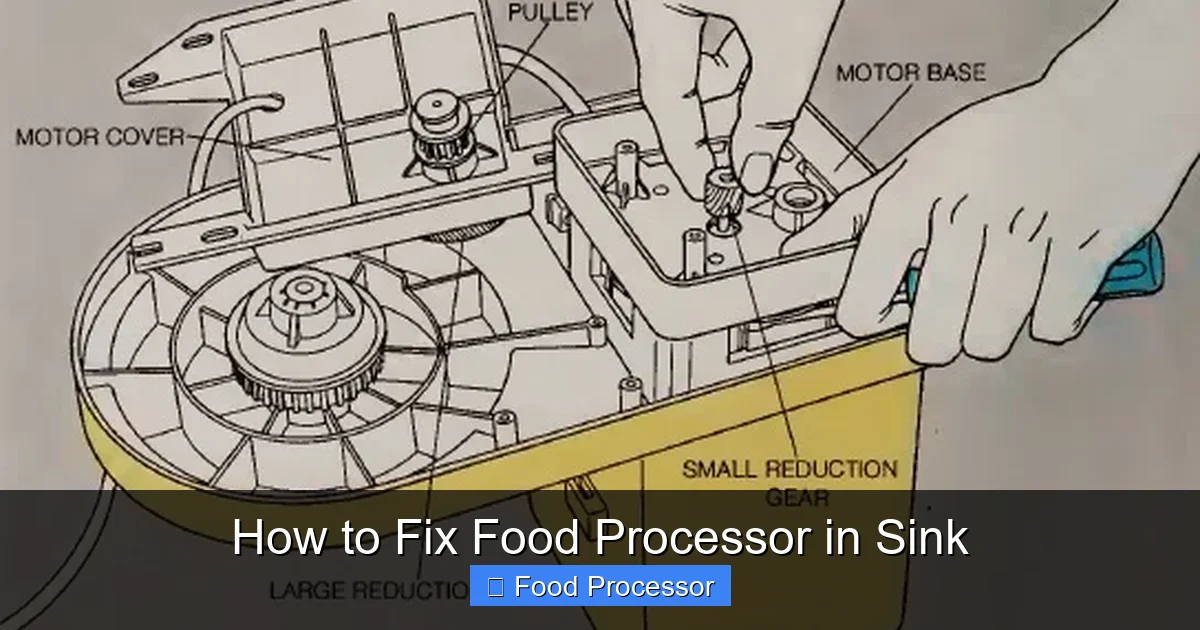
Visual guide about How to Fix Food Processor in Sink
Image source: 1.bp.blogspot.com
Understanding the common culprits behind a food processor failure, especially one occurring near the sink, can help you narrow down the problem quickly.
Water Damage (Splashes or Submersion)
This is the most obvious reason if your food processor was close to or came into contact with water. Even a splash can sometimes affect sensitive electrical components, leading to a short circuit or corrosion over time. Submersion is often a death sentence for electronics, but sometimes drying it out can work if caught immediately.
Overload or Overheating
Food processors are designed with thermal protection. If you’ve been processing tough ingredients for too long, or overloading the bowl, the motor can overheat and automatically shut off to prevent damage. This often happens without any water involvement, but coincidentally near the sink.
Jamming
A large piece of food, too many ingredients, or something hard like a pit or bone can jam the blade, preventing it from spinning. The motor might hum, but the blade won’t move.
Lid/Bowl Assembly Issues
Most modern food processors have safety interlocks. The motor won’t start unless the bowl is correctly locked onto the base and the lid is securely latched into place. If these aren’t aligned perfectly, your food processor won’t turn on.
Power Supply Problems
Sometimes the issue isn’t with the food processor itself but with the power source. A faulty outlet, a tripped circuit breaker, or a damaged power cord can all prevent the appliance from turning on.
Step 1: Disconnect and Disassemble for Inspection
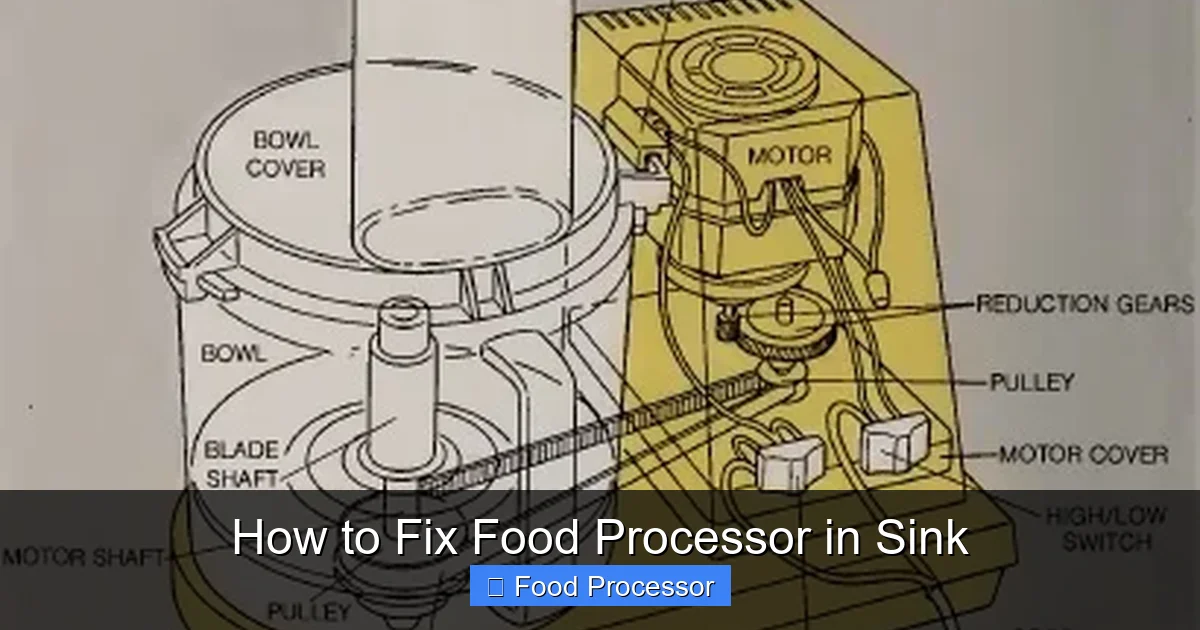
Visual guide about How to Fix Food Processor in Sink
Image source: 1.bp.blogspot.com
Once safety is assured, you can begin the inspection process. This involves carefully taking the unit apart.
Unplug the Food Processor (Again, if You Haven’t)
Double-check that the unit is unplugged from the wall. This cannot be stressed enough.
Carefully Remove the Bowl and Lid
Twist the bowl counter-clockwise to unlock it from the motor base. Lift it off. Then, remove the lid from the bowl. Place these components on a clean, dry surface.
Remove the Blade Assembly
Gently lift the blade or disc assembly from the center spindle of the bowl. Be extremely careful when handling the blades as they are very sharp.
Empty Any Food Contents
If there’s food remaining in the bowl, empty it out. This allows for a clearer view of the components and prevents further mess.
Step 2: Check for Water Damage and Dry Thoroughly
If water was involved, this is the most critical step to fix food processor in sink issues. Patience here can save your appliance.
Assess for Visible Water Inside the Motor Base
Look closely at the motor base. Do you see any water droplets or dampness around the electrical components? Tilt the unit gently to see if any water drains out. *Do not shake it aggressively.*
Open Up the Base (If Comfortable and Safe)
For some models, you might be able to open the bottom of the motor base using a screwdriver to expose the internal components. *Only do this if you are comfortable with basic electronics and have the right tools. Consult your owner’s manual for instructions on disassembly.* If you’re not sure, skip this step and focus on external drying. Look for signs of corrosion or burnt components if you do open it up.
Air Dry Completely for an Extended Period
This is paramount. If water has entered the motor base, you need to dry it out completely.
- Use a fan: Position a small fan to blow cool air over and into the motor base for at least 24 to 72 hours.
- Avoid heat: Do not use a hairdryer on a hot setting as excessive heat can melt plastic components or damage delicate electronics. If you use a hairdryer, keep it on a cool setting and hold it at a distance.
- Rice or desiccant: Some people place the motor base in a container with uncooked rice or desiccant packets for a few days. While this can help absorb moisture, it’s less effective than active airflow from a fan.
*Ensure every component, especially the electrical parts in the motor base, is bone dry before proceeding to the next steps or attempting to plug it in.*
Step 3: Clear Any Jams or Obstructions
A common reason for a food processor to stop working or for the food processor blade not spinning is a jam.
Inspect the Blade and Spindle
With the blade removed, carefully inspect the spindle (the central shaft that the blade sits on) on the motor base. Check for any food particles, hardened ingredients, or debris that might be preventing free movement.
Remove Stuck Food or Debris
Use a small brush, a wooden skewer, or even a toothpick to carefully dislodge any stuck food. Never use your fingers directly near the sharp blades.
Check the Motor Base Ventilation
Ensure the ventilation slots on the motor base are clear of dust and debris. Blocked vents can lead to overheating. Use a soft brush or a vacuum cleaner with a hose attachment to clear them.
Step 4: Verify Proper Assembly and Safety Interlocks
Many food processor issues are simply due to improper assembly. The safety interlock system is designed to prevent the unit from operating if not assembled correctly. If you’re wondering how to assemble a food processor step by step, ensuring each piece locks correctly is crucial.
Ensure Bowl is Locked Onto the Base
Place the empty bowl back onto the motor base. Twist it clockwise firmly until you hear a click or feel it lock securely into place. It shouldn’t wiggle.
Lid is Securely Latched
Once the bowl is on, place the lid on top. Twist the lid clockwise until it too clicks and locks. There’s often a tab on the lid that needs to align with a slot on the handle of the bowl.
Pusher is in Place (If Required)
Some models require the food pusher (the piece that fits into the feed tube) to be in place for the safety interlock to engage. Try inserting it if your unit isn’t starting.
Step 5: Inspect the Power Cord and Outlet
Sometimes, the problem isn’t the food processor itself, but the power supply. This is a good step to perform if your food processor is not turning on at all.
Check for Cuts or Fraying on the Cord
Visually inspect the entire length of the power cord for any cuts, kinks, or signs of fraying, especially near the plug and where it enters the appliance. A damaged cord is a serious electrical hazard and requires professional repair or replacement.
Test the Outlet with Another Appliance
Plug another small appliance (like a lamp or a phone charger) into the same outlet. If the other appliance works, you know the outlet is fine. If not, the issue is with your outlet or household electricity.
Reset the Circuit Breaker
If the outlet isn’t working, check your home’s electrical panel. A circuit breaker might have tripped, especially if the food processor overloaded or experienced a short circuit. Flip the tripped breaker back to the “ON” position.
Step 6: Address Overheating Protection
If your food processor stopped suddenly during use, particularly after heavy processing, it likely engaged its thermal overload protector.
Understand Thermal Cut-off
This is a safety feature that automatically shuts off the motor when it gets too hot. It’s designed to prevent permanent damage to the motor.
Wait 30 Minutes to an Hour
Give the food processor plenty of time to cool down completely. Unplug it and let it rest for at least 30 minutes, or even an hour, to ensure the thermal switch resets.
Reduce Load Next Time
Once it cools, try operating it again with a smaller load of ingredients or by pulsing instead of continuous running.
Step 7: Advanced Checks (If Comfortable and Safe)
If the previous steps haven’t worked, and you’re comfortable with a bit more technical investigation, here are a few more things to check. If your food processor stopped working how to fix it often involves looking deeper into the motor.
Examine the Motor Coupling
The motor coupling is a plastic or rubber piece that connects the motor shaft to the blade assembly. Over time, or with heavy use, this coupling can wear down, strip, or break. If it’s damaged, the motor will spin, but the blade won’t turn. You might need to order a replacement part specific to your food processor model.
Check for Burnt Smells or Sounds
If you open the base and detect a burnt smell or see any black marks on the internal wiring or components, this indicates electrical damage. Similarly, if the motor makes unusual grinding or whirring noises, it might be failing internally. These usually require professional repair or replacement.
Troubleshooting Common Scenarios After “In Sink” Incidents
Let’s look at a few common scenarios you might encounter after dealing with a food processor near the sink.
Processor Hums But Doesn’t Spin
This usually points to a jammed blade or a faulty motor coupling. Revisit Step 3 (clearing jams) and Step 7 (checking the motor coupling). Also, ensure you haven’t overloaded the bowl, preventing the blade from moving freely.
Processor Turns On But Stops Quickly
This could be due to overheating (revisit Step 6), an intermittent power connection (check cord and outlet in Step 5), or a failing motor. If it’s not overheating, and the power is stable, the motor might be struggling.
Smoke or Strange Odors
If you see smoke or smell burning plastic or electronics, immediately unplug the food processor and do not attempt to use it again. This indicates a serious electrical fault or motor failure. It’s a fire hazard and requires professional assessment or replacement.
When to Call a Professional or Consider Replacement
While many food processor issues can be DIY fixed, there are times when it’s best to seek expert help or invest in a new appliance.
Major Water Damage
If your food processor was fully submerged for an extended period, especially if it was plugged in, the chances of successful repair are slim due to extensive circuit damage and corrosion.
Electrical Issues (Sparks, Smoke, Shocks)
Any indication of electrical hazard – sparks, smoke, burning smells, or receiving a shock – means the appliance is dangerous. Do not use it. Seek professional help or replace it.
Persistent Problems After Basic Troubleshooting
If you’ve gone through all the steps diligently and the food processor still isn’t working, or if the problem recurs frequently, it might be time to consult a qualified appliance repair technician. They have specialized tools and knowledge to diagnose deeper issues.
Cost of Repair vs. New Unit
Get an estimate for professional repair. If the cost of fixing it approaches or exceeds the cost of a new food processor, especially for older or less expensive models, replacement is often the more economical and reliable option. Consider the age and overall condition of your appliance when making this decision.
Conclusion
Having your food processor unexpectedly stop, especially near the sink, can be a major inconvenience. However, by following these step-by-step instructions, prioritizing safety, and systematically troubleshooting common problems like water damage, jams, and power issues, you stand a good chance of getting your appliance back up and running. Remember, patience and thoroughness, especially when drying out components, are key. If you encounter serious electrical issues or the repair cost outweighs a new purchase, don’t hesitate to consult a professional or consider upgrading. Happy cooking!
