

A food processor is an invaluable tool for Indian cooking, transforming tedious tasks into quick, effortless processes. This guide helps you identify the best food processor for Indian cooking by focusing on essential features like powerful motors, varied blades, and optimal capacity for everything from grinding spices and making pastes to kneading dough and chopping vegetables. Learn how to choose the right model to simplify your culinary journey and elevate your Indian dishes.
Best Food Processor for Indian Cooking
Welcome, home cooks! If you love Indian cuisine, you know it’s a symphony of flavors, textures, and aromas. But you also know it often involves a lot of prep work: endless chopping, grinding, and kneading. This is where the right kitchen appliance can be a true game-changer. Forget tired hands and teary eyes from chopping onions; the best food processor for Indian cooking can revolutionize your kitchen experience.
In this comprehensive guide, we’ll walk you through everything you need to know to pick a food processor that stands up to the unique demands of Indian cooking. We’ll cover the essential features, discuss how to match the appliance to your specific needs, and provide practical tips to make your culinary journey smoother and more enjoyable. By the end, you’ll be well-equipped to choose a food processor that will become your trusted companion in preparing delicious Indian meals.
Key Takeaways
- Powerful Motor is Paramount: Indian cooking often requires grinding tough spices, making thick pastes, and kneading dense dough, so a robust motor of at least 700-1000 watts is essential for efficient operation.
- Versatility in Blades and Attachments: Look for an S-blade for chopping and pureeing, a dough blade for Indian breads like roti, and various slicing/shredding discs to handle diverse ingredients and preparation styles.
- Appropriate Capacity is Crucial: Choose a bowl size (typically 10-14 cups) that suits your family size and cooking frequency to avoid overloading or multiple batches, ensuring smooth and consistent results.
- Durability and Build Quality: Indian cooking involves intensive use. Opt for models with sturdy construction, metal gears, and high-quality materials that can withstand frequent and demanding tasks.
- Ease of Cleaning: With spices and often oily preparations, a food processor that is easy to disassemble and has dishwasher-safe parts will save you significant time and effort in the long run.
- Specialized for Indian Tasks: The ideal food processor should excel at grinding ginger-garlic paste, pureeing tomatoes for gravies, chopping large quantities of onions, and effectively kneading roti dough.
The Indian Kitchen’s Demands: Why a Standard Food Processor Might Not Cut It
Indian cooking is distinct. It often requires specific tasks that not all food processors are designed to handle efficiently. Unlike simple chopping or light slicing, Indian recipes demand power and precision for:
Grinding Tough Spices and Making Thick Pastes
From dry garam masala to wet ginger-garlic paste or vibrant curry pastes, Indian cooking relies heavily on freshly ground ingredients. This requires a food processor with a robust motor that won’t strain or overheat. A weak motor might struggle, leading to uneven results or even burning out.
Handling Large Volumes of Ingredients
Whether you’re making a big batch of bhaji, preparing a family-sized curry, or cooking for a festive occasion, Indian recipes often call for generous quantities of onions, tomatoes, and other vegetables. A small food processor can quickly become inadequate, forcing you to work in multiple batches, which slows down the cooking process.
Kneading Dough for Indian Breads
Roti, naan, puri, paratha – these staples require perfectly kneaded dough. This is a heavy-duty task that demands a strong motor and a dedicated dough blade. A regular food processor might not have the power or the right attachment to create smooth, elastic dough without overheating or damaging the motor. For more specific guidance on this, check out our guide on finding the best food processor for roti dough.
Key Features to Look For in the Best Food Processor for Indian Cooking
To truly excel in an Indian kitchen, a food processor needs specific attributes. Here’s what to prioritize:
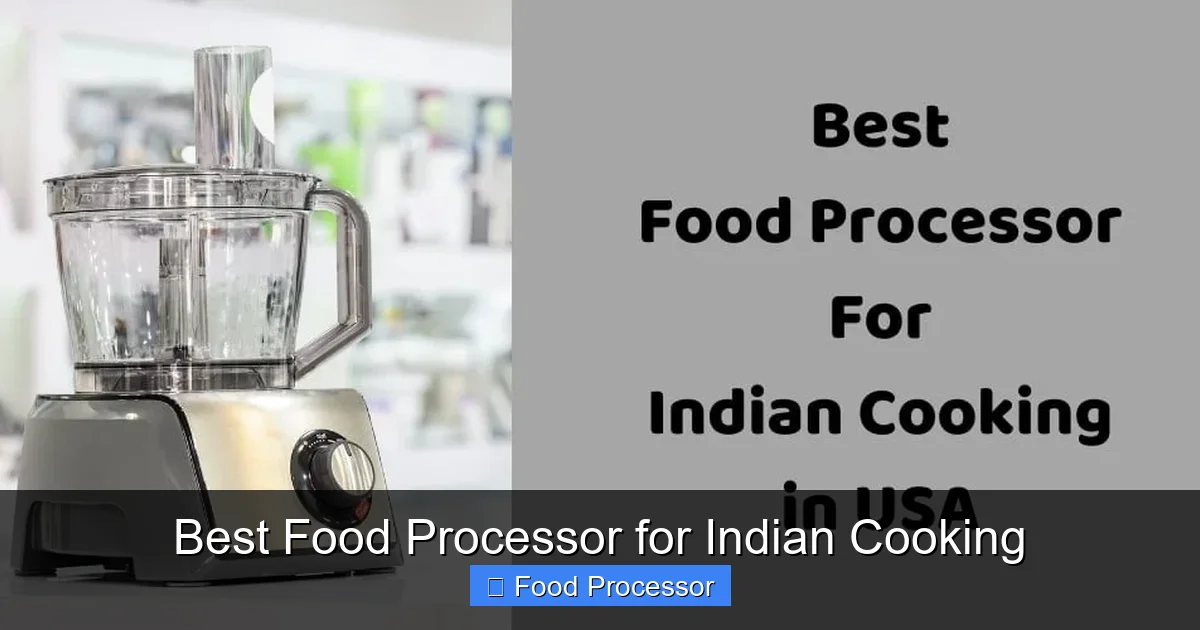
Visual guide about Best Food Processor for Indian Cooking
Image source: beautifulkitchenguide.com
Powerful Motor
This is arguably the most critical feature. For tasks like grinding hard spices, making thick chutneys, or kneading dough, you need serious power. Look for a motor with at least 700 watts, but ideally 1000 watts or more. A powerful motor ensures smooth operation, prevents stalling, and extends the lifespan of your appliance.
Generous Capacity
Indian cooking often involves larger quantities of ingredients. A food processor with a main work bowl capacity of 10-14 cups is generally ideal for most Indian households. This allows you to process a significant amount of onions, tomatoes, or a batch of dough without constantly emptying and refilling. Smaller bowls (e.g., 3-5 cups) are useful for small tasks like a single ginger-garlic paste, but they won’t suffice for main meal prep. Consider a model with a larger work bowl if you frequently cook for a crowd.
Variety of Blades and Attachments
The versatility of your food processor depends on its accessories. Here’s what you’ll need:
- S-Blade (Chopping/Mixing Blade): This is your primary blade, perfect for chopping onions, garlic, ginger, chilies, and pureeing gravies or making smooth pastes. It should be sharp and robust.
- Dough Blade: A specialized plastic blade designed to knead dough without overworking it. This is a must-have if you plan to make Indian breads.
- Slicing/Shredding Discs: Adjustable slicing discs are fantastic for evenly slicing vegetables like potatoes, carrots, or cucumbers for salads or pakoras. Shredding discs are great for grating cheese or vegetables for koftas. These discs are incredibly useful for efficient vegetable preparation, especially when you need to quickly chop a large quantity. You might want to explore options for the best food processor for slicing vegetables to find the perfect match for your needs.
- Grinding Attachments: Some models come with smaller grinding cups or blades specifically designed for dry spices. While the S-blade can handle some grinding, dedicated attachments often provide finer, more consistent results. This is particularly beneficial if you want to make your own garam masala or other spice blends. For advanced spice grinding, checking out a guide on the best food processor for grinding spices at home can offer more specialized insights.
Durable Construction
Indian cooking demands a lot from its tools. Look for a food processor made with high-quality, durable materials. A heavy base indicates a stable motor, and strong, BPA-free plastic for the work bowl and lid will ensure longevity. Metal gears in the motor housing are a significant plus, as they are more robust than plastic ones.
Ease of Cleaning
With strong spices and often oily preparations, cleanup is an important consideration. Choose a model where the work bowl, lid, and blades are easy to disassemble and are dishwasher-safe. Minimal nooks and crannies will prevent food residue from getting stuck and make cleaning less of a chore.
Matching Your Food Processor to Specific Indian Cooking Needs
Let’s dive into how the right food processor tackles common Indian culinary tasks.
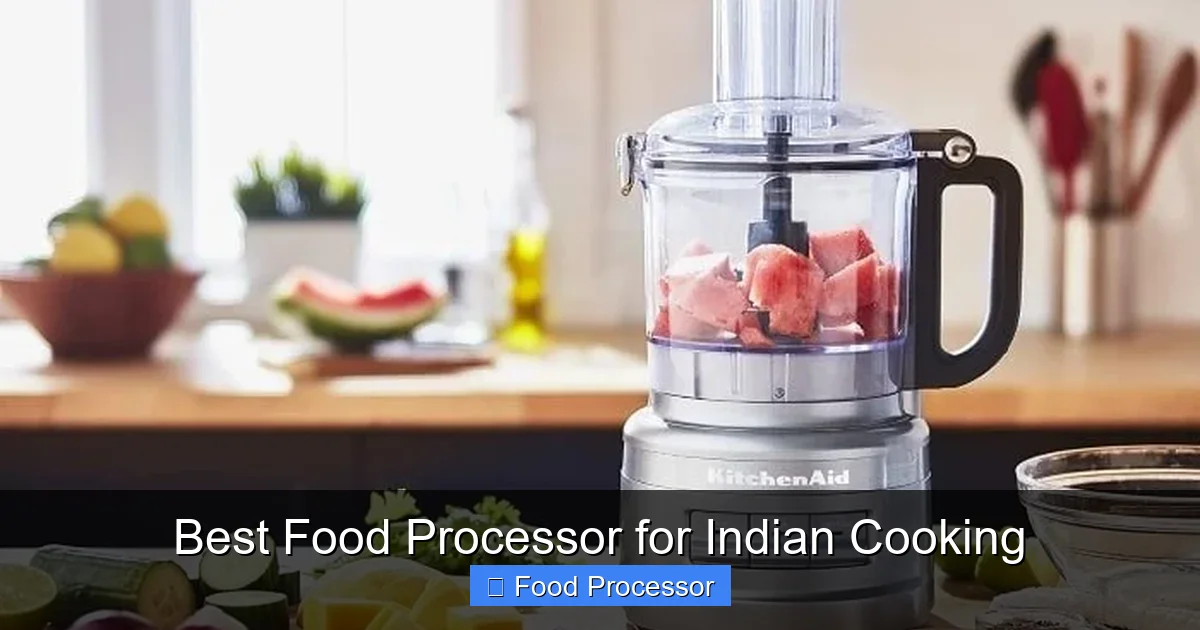
Visual guide about Best Food Processor for Indian Cooking
Image source: beautifulkitchenguide.com
Grinding Wet & Dry Spices and Pastes
Imagine making your own fresh ginger-garlic paste in seconds, or grinding whole spices to create aromatic curry powders. A powerful food processor with sharp blades can do this effortlessly. For wet pastes like green chili paste or coconut chutney, the S-blade will whir ingredients into a smooth consistency. For dry grinding, ensure your processor has enough power to pulverize tough spices evenly. This functionality is also key for creating flavorful curry paste from scratch.
Chopping Vegetables with Precision
Dicing onions, mincing garlic, chopping tomatoes, or shredding carrots for a halwa becomes a breeze. The S-blade quickly and uniformly chops vegetables, saving immense time and effort. With slicing discs, you can achieve perfect, consistent slices for vegetable curries or deep-fried snacks. If you often find yourself tearing up while preparing meals, finding the best food processor for chopping onions without tears can be a real kitchen savior.
Kneading Dough for Indian Breads
Say goodbye to sticky hands and strenuous kneading! A food processor with a dough blade and a powerful motor can knead soft, pliable dough for roti, puri, and paratha in just a few minutes. This feature alone makes it indispensable for many Indian homes, ensuring consistent dough every time.
Pureeing Gravies and Chutneys
Achieve silky-smooth gravies for curries like Butter Chicken or rich Dal Makhani. The S-blade can quickly puree cooked vegetables and spices, eliminating lumps. Similarly, it’s perfect for blending fresh chutneys like mint, coriander, or tomato chutney, giving them a perfectly smooth texture.
Choosing the Best Food Processor for Indian Cooking: A Step-by-Step Guide
Ready to make your choice? Follow these steps to find your ideal kitchen partner:
Step 1: Assess Your Cooking Volume and Frequency
Consider how often you cook Indian food and for how many people. If you cook daily for a large family, a 12-14 cup model with a powerful motor is a wise investment. For occasional cooking or smaller portions, a 10-cup model might suffice.
Step 2: Determine Your Must-Have Functions
Prioritize what you’ll use it for most. Is kneading dough essential? Do you grind your own spices? Make a list of your primary tasks and ensure the food processor you choose has the necessary power and attachments.
Step 3: Set Your Budget
Food processors range widely in price. While it’s tempting to go for the cheapest option, remember that a more powerful, durable model will generally perform better and last longer, especially with the rigorous demands of Indian cooking. View it as an investment in your culinary passion.
Step 4: Research Brands and Models
Look into reputable brands known for their food processors, such as Cuisinart, KitchenAid, Breville, and Hamilton Beach. Check their specific models for wattage, capacity, and included accessories. Many brands offer variations tailored to different needs.
Step 5: Check Reviews and Durability
Read customer reviews, especially from those who use their food processors for similar heavy-duty tasks like grinding spices or kneading dough. Pay attention to comments about motor strength, blade sharpness, ease of cleaning, and overall durability. A reliable motor and sturdy build are key indicators of a long-lasting appliance.
Tips for Maximizing Your Food Processor in Indian Cooking
Once you have your food processor, here are some tips to get the most out of it:
Don’t Overload
While a generous capacity is good, never fill the work bowl beyond the maximum fill line. Overloading can strain the motor, lead to uneven processing, and potentially damage the appliance. Process in batches if necessary.
Use the Pulse Function
The pulse button is your best friend for Indian cooking. It gives you precise control over consistency, preventing over-processing. Use it for coarse chopping onions, controlling the texture of chutneys, or gently combining ingredients.
Add Liquid Gradually
When making wet pastes or purees, add liquids (water, oil, yogurt) gradually through the feed tube while the processor is running. This helps achieve a smoother, more consistent texture and prevents the motor from getting bogged down.
Clean Immediately
Spices and strong aromatics can leave stubborn stains and smells if left to dry. Clean the work bowl, lid, and blades immediately after use. Many parts are dishwasher-safe, but a quick rinse and wipe can often prevent more intensive cleaning later.
Store Blades Safely
Food processor blades are extremely sharp. Always handle them with care. Store them in their designated storage box (if provided) or in a way that prevents accidental cuts.
Common Troubleshooting for Food Processors in Indian Cooking
Even the best appliances can encounter hiccups. Here are some common issues and their solutions:
Motor Stalling or Overheating
If your motor slows down or stops, especially with tough ingredients like whole spices or thick dough, you might be overloading it. Reduce the quantity of ingredients. Also, ensure the processor isn’t running continuously for too long without a break; give it a minute to cool down.
Uneven Chopping/Grinding
This often happens when ingredients are too large or the bowl is too full. Cut ingredients into uniform, smaller pieces before adding them. Use the pulse function in short bursts, scraping down the sides of the bowl between pulses to ensure everything gets processed evenly.
Leaking Bowl
A leaking bowl usually indicates that the lid isn’t properly locked into place, or the work bowl isn’t securely seated on the base. Check all connections. If the leak persists, inspect the gasket around the lid or blade assembly for wear and tear.
Dough Not Kneading Properly
If your dough isn’t coming together or is too sticky/dry, check your recipe’s liquid-to-flour ratio. Also, ensure you are using the dedicated dough blade, not the S-blade. If the dough is just circling and not kneading, it might be too dry; add a tablespoon of water at a time until it forms a cohesive ball.
Conclusion
Investing in the best food processor for Indian cooking is more than just buying another kitchen gadget; it’s about upgrading your culinary journey. With the right features – a powerful motor, versatile blades, and appropriate capacity – you can significantly reduce prep time, achieve consistent results, and truly enjoy the process of making authentic Indian dishes.
Remember to consider your specific needs, research reputable brands, and prioritize durability and ease of cleaning. Once you find your perfect match, you’ll wonder how you ever managed without it. Happy cooking!
