

Traveling with a slow cooker is easy when you know the right packing techniques. This guide covers essential tips to pack your slow cooker safely, prevent spills, and protect it during transit. Whether you’re heading to a potluck or a family visit, these steps will help you transport your slow cooker with confidence and care.
Key Takeaways
- Use a sturdy container: Protect your slow cooker with a durable, well-fitting box or travel bag designed for fragile items.
- Empty and clean: Always empty, clean, and dry your slow cooker before packing to prevent odors and mold.
- Secure the lid: Use tape, a bungee cord, or a lid lock to keep the lid firmly in place during transport.
- Wrap for cushioning: Wrap the slow cooker in bubble wrap or thick towels to absorb shocks and prevent damage.
- Pack upright: Transport the slow cooker upright to avoid spills and leaks.
- Label clearly: Mark your package as fragile and handle with care for safe handling during transit.
Introduction
Traveling with a slow cooker may seem challenging, but it’s entirely doable with the right preparation. Whether you’re bringing a cooked meal to a gathering or transporting your appliance to a new home, safety and care are key. In this guide, you’ll learn step-by-step how to pack your slow cooker securely, prevent spills, and protect it from damage during travel. Let’s get started!
Step 1: Prepare Your Slow Cooker
Empty and Clean the Appliance
Before packing, ensure your slow cooker is completely empty. Remove any leftover food or liquids. Wash the insert and lid with warm, soapy water. Dry thoroughly to prevent mold and odors. A clean, dry slow cooker is easier to pack and less likely to develop mold during transit.
Check for Damage
Inspect your slow cooker for cracks, chips, or loose parts. Repair or replace damaged items before traveling to avoid further damage or safety hazards during transit.
Step 2: Secure the Lid
Use Tape or a Lid Lock
To prevent accidental opening, securely fasten the lid with waterproof tape or use a lid lock if your model has one. Wrap the tape tightly around the edges, but avoid covering ventilation holes.
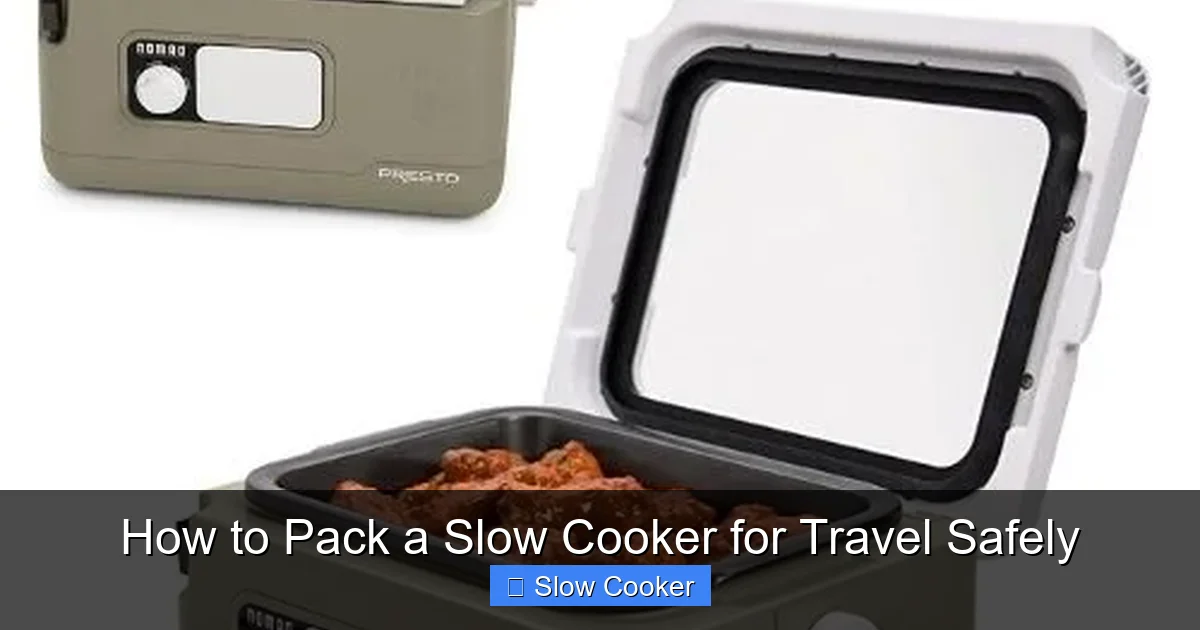
Visual guide about How to Pack a Slow Cooker for Travel Safely
Image source: thingsfrommars.com
Alternative: Wrap with a Cloth
If you prefer not to tape, wrap the lid with a thick cloth or towel and secure it with elastic bands or rubber bands. This adds an extra layer of protection and keeps the lid in place.
Step 3: Wrap for Cushioning
Use Bubble Wrap or Towels
Wrap the entire slow cooker in bubble wrap for maximum protection. If bubble wrap isn’t available, thick towels or packing blankets work well. Secure the wrapping with packing tape or rubber bands.
Pay Attention to the Corners
Focus on the corners and edges, which are most vulnerable to impacts. Double wrap these areas for added security.
Step 4: Choose the Right Packing Container
Select a Sturdy Box or Bag
Place the wrapped slow cooker into a sturdy, appropriately-sized box. Use a box with padding or foam inserts if possible. For smaller or compact slow cookers, a reinforced travel bag designed for fragile items can work well.
Fill Empty Spaces
Fill any gaps inside the box with crumpled paper, foam peanuts, or towels. This prevents movement inside the box, reducing the risk of damage.
Step 5: Secure and Label the Package
Seal the Container Properly
Close the box or bag securely with packing tape or strong straps. Double-check that everything is tight and stable.
Label as Fragile
Clearly mark the package with “Fragile” and “Handle with Care” stickers. This alerts handlers to treat the package gently during transit.
Step 6: Transporting Your Slow Cooker
Keep Upright
Always carry the slow cooker upright. If using a vehicle, place it on the floor or in a stable spot to prevent tipping.
Use Additional Supports
If possible, secure the package with seat belts or straps to prevent sliding. Avoid placing heavy items on top of the slow cooker.
Carry with Care
Handle the package gently, and avoid sudden movements or impacts. If shipping via courier, choose a service that handles fragile items carefully.
Additional Tips for Safe Travel
- Temperature considerations: If transporting hot or cold food, consider using insulated bags or coolers for added safety.
- Travel time: Minimize transit time to prevent prolonged exposure to heat or cold, which could damage the appliance.
- Check airline or courier policies: Some carriers have restrictions on transporting appliances. Confirm their rules before shipping.
Troubleshooting Common Issues
- Lid won’t stay secure: Use stronger tape or a more secure lid lock; double-wrap with additional padding.
- Damage during transit: Always use sturdy packaging, reinforce corners, and handle with care.
- Spills or leaks: Ensure the appliance is thoroughly dry and the lid is secured tightly before packing.
Conclusion
Transporting a slow cooker safely is simple when you follow these steps. Proper cleaning, secure packaging, and careful handling make all the difference. Whether you’re traveling a short distance or across the country, these tips will help ensure your slow cooker arrives intact and ready to use. Happy travels and enjoy your delicious meals wherever you go!
FAQs
How do I prevent my slow cooker from leaking during travel?
Ensure the lid is securely fastened with tape or a lid lock, and pack the appliance upright. Wrapping it tightly with cushioning material also helps prevent leaks.
Can I pack my slow cooker in checked luggage?
Yes, but make sure it is well-protected with padding and marked as fragile. Always check airline policies regarding transporting appliances.
What’s the best way to cushion my slow cooker for travel?
Use bubble wrap, thick towels, or packing blankets to wrap the appliance thoroughly. Place it in a sturdy box with padding around it to absorb shocks.
Should I transport my slow cooker upright or on its side?
Always transport your slow cooker upright to prevent leaks and spills. Lying it on its side increases the risk of contents leaking or damaging the appliance.
How do I handle a damaged slow cooker after travel?
If you notice damage, document it with photos and contact the shipping carrier if applicable. Avoid using a cracked or damaged appliance for safety reasons.
Is it safe to transport hot food in a slow cooker?
It’s best to transport food after it has cooled down to prevent burns and spills. If hot food must be transported, use insulated containers designed for hot items.
