

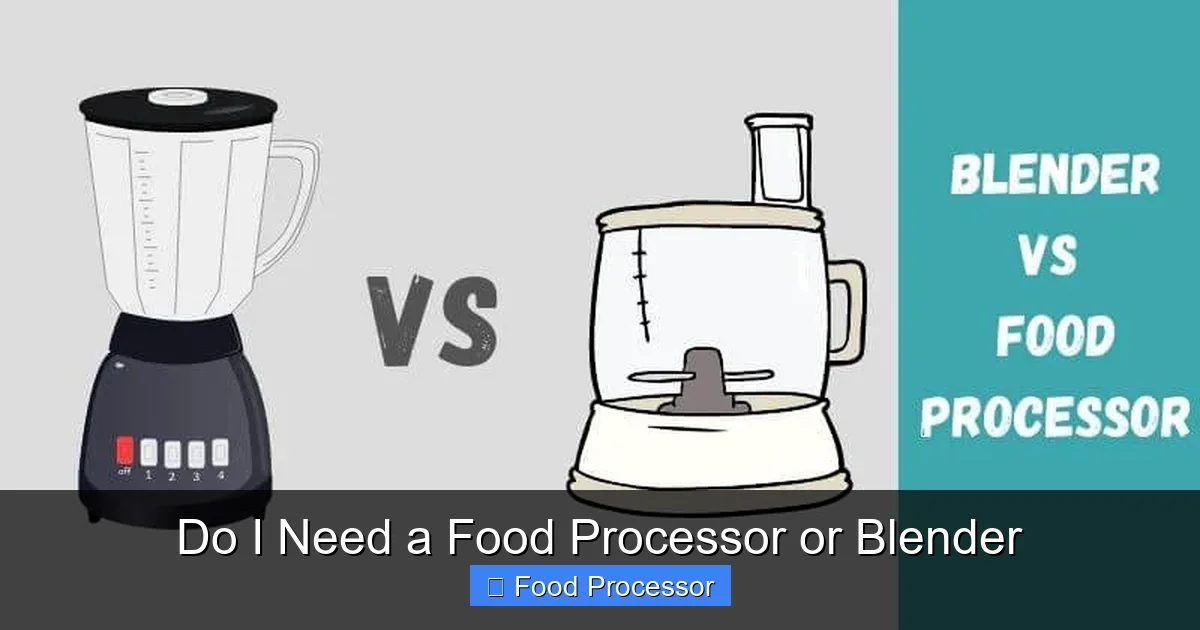
Deciding whether you need a food processor or blender hinges on your primary cooking tasks. A food processor excels at chopping, slicing, shredding, and kneading, perfect for meal prep, baking, and thick dips. A blender, on the other hand, is designed for liquefying, pureeing smooth, and crushing ice, making it ideal for smoothies, soups, and sauces. Understanding these distinct functions will guide you to the right choice for your kitchen.
Do I Need a Food Processor or Blender?
Ah, the classic kitchen conundrum! You’re staring at a recipe, and it calls for either a “food processor” or a “blender,” and you start to wonder: do I really need both? Are they basically the same thing? If you’ve ever felt this confusion, you’re definitely not alone. Many home cooks struggle with distinguishing these two incredibly useful, yet distinctly different, kitchen appliances.
The truth is, while a food processor and blender share some similarities – they both have blades and spin things around – they are designed for very different tasks. Trying to use one for the other’s main job can lead to frustrating results, or even a ruined dish!
This comprehensive guide is here to clear up all that uncertainty. We’ll dive deep into what each machine does best, where their capabilities overlap, and how to assess your own cooking style to make the perfect choice for your kitchen. By the end, you’ll confidently know whether a food processor or blender is the right fit for you, or if perhaps a combination unit is the answer.
Key Takeaways
- Core Functionality: Food processors are best for chopping, slicing, shredding, and kneading dough, handling solids and thick mixtures. Blenders are superior at liquefying, pureeing smooth, and crushing ice, ideal for liquids.
- Texture Goals: If your recipes require chunky, shredded, or finely chopped ingredients, a food processor is your tool. For silky smooth purees, drinks, or sauces, a blender is essential.
- Capacity for Liquids: Blenders are designed with tightly sealed pitchers for liquids. While food processors can handle some wet ingredients, their bowls are not as liquid-friendly and can leak.
- Versatility vs. Specialization: A food processor comes with various blades and discs for diverse prep tasks. A blender typically has one set of fixed blades optimized for blending liquids.
- Overlap & Limitations: There’s some overlap, but neither appliance perfectly substitutes the other. A food processor can make a chunky smoothie, but not a smooth one. A blender struggles with chopping vegetables evenly or kneading dough.
- Combo Units: For those with limited space or who need both functionalities, a food processor and blender combo unit offers convenience, though it might not match the power of two dedicated appliances.
- Decision Factor: Evaluate your most frequent cooking needs. Are you more into meal prep, baking, and making dips, or do you prioritize smoothies, soups, and silky sauces? Your answer will point you to the right appliance.
Understanding the Basics: Food Processor vs. Blender
Before we can decide which appliance you need, let’s understand their core identities. Think of them as specialized tools, each with its own superpower in the kitchen.
What is a Food Processor?
Imagine a sturdy workhorse, ready to tackle various prep tasks with ease. That’s your food processor. It typically consists of a wide, relatively short bowl that sits on a powerful motor base. The most common attachment is the “S-blade,” a two-pronged blade that spins at the bottom of the bowl. But what really sets a food processor apart is its versatility with various attachments, including slicing discs, shredding discs, grating discs, and sometimes even a dough blade.
Its primary strength lies in processing solid and semi-solid foods. It’s designed to chop, mince, slice, shred, grate, mix, and even knead. When you use a food processor, you’re generally looking for textures ranging from coarsely chopped to finely minced, or a thick, chunky puree. It’s excellent for breaking down ingredients without liquefying them entirely.
What is a Blender?
Now, picture a tall, sleek pitcher perched on a powerful motor base, often found next to the coffee maker. This is your blender. Its defining features are its tall, narrow pitcher with fixed blades at the bottom and a powerful motor designed to create a vortex. Blenders are built for speed and power, specifically to handle liquids and transform solids into a smooth, even consistency.
A blender’s main mission is to liquefy, emulsify, and create perfectly smooth purees. It excels at tasks where you want to incorporate air, crush ice, or achieve a uniform, liquid consistency. Think creamy soups, frosty smoothies, and silky sauces. The design of the pitcher and blades ensures that ingredients are continuously drawn down into the blades, resulting in a homogenous blend.
When Do You Need a Food Processor?
If your kitchen adventures frequently involve significant prep work, a food processor is likely your unsung hero. It’s a fantastic time-saver for anyone who loves to cook from scratch, bake, or prepare large batches of meals.
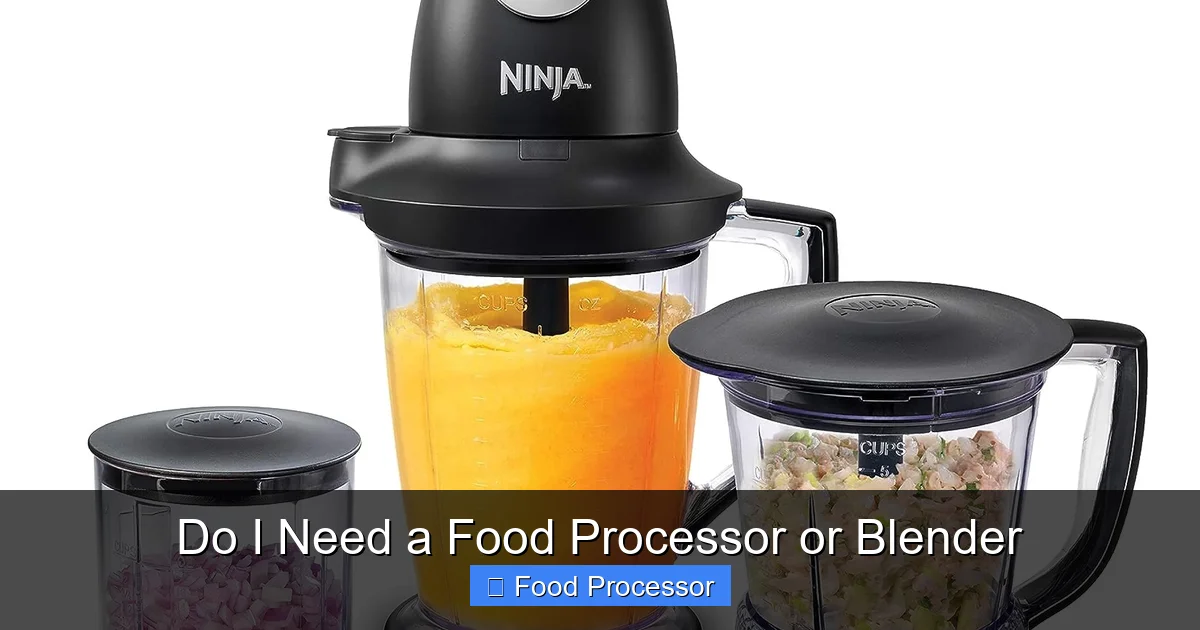
Visual guide about Do I Need a Food Processor or Blender
Image source: m.media-amazon.com
- Chopping Vegetables: Need to dice an onion, mince garlic, or finely chop carrots for a mirepoix? A food processor does it in seconds, saving your hands and knife skills.
- Slicing and Shredding: Say goodbye to tedious manual grating! With its specialized discs, a food processor can slice cucumbers, shred cabbage for coleslaw, or grate blocks of cheese in a fraction of the time. This is one of the biggest advantages of a food processor.
- Making Dough: From flaky pie crusts to bread dough and cookie dough, a food processor can combine ingredients quickly and efficiently, preventing overworking.
- Preparing Spreads and Dips: Homemade hummus, pesto, salsas, and nut butters are where a food processor truly shines. It processes solid ingredients into thick, rich textures beautifully. If you’re wondering should I use a blender or food processor for salsa, the food processor is generally preferred for its ability to create chunky, textured results.
- Grinding Nuts and Making Breadcrumbs: If you need finely ground nuts for baking or fresh breadcrumbs for a coating, a food processor handles these dry, solid ingredients with ease.
- Mincing Herbs: Quickly mince fresh herbs for dressings, marinades, or garnishes without bruising them.
When Do You Need a Blender?
If your culinary world leans towards drinks, creamy textures, and liquid-based meals, then a blender is an indispensable appliance for you. It’s all about smooth consistency and effortless mixing of fluids.
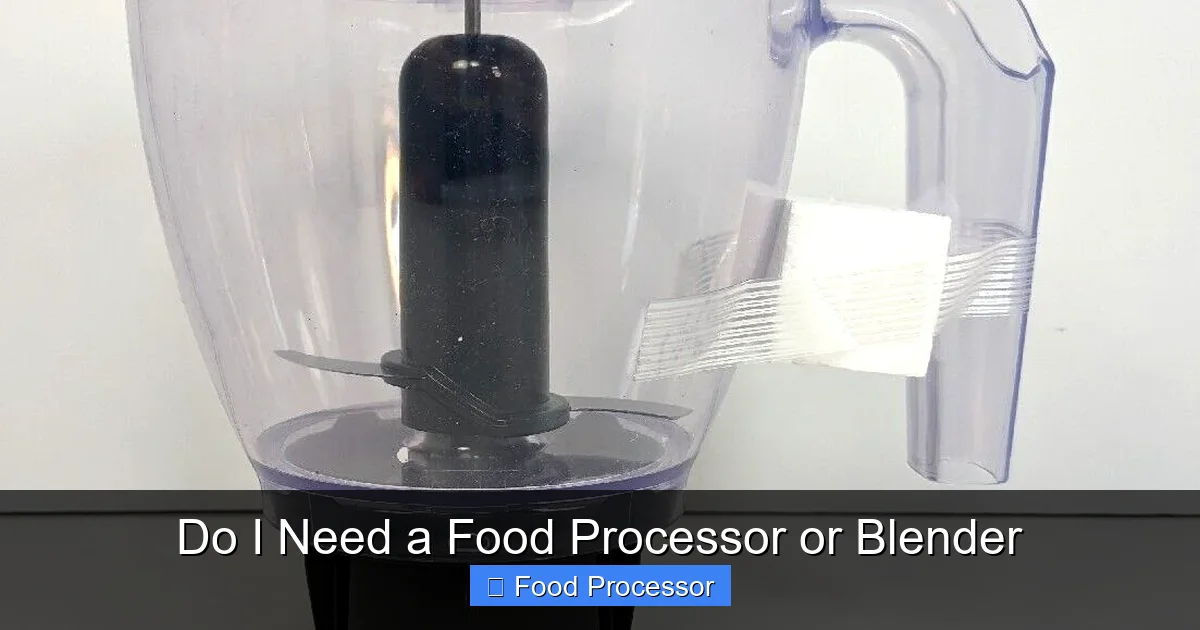
Visual guide about Do I Need a Food Processor or Blender
Image source: i.ebayimg.com
- Making Smoothies and Shakes: This is arguably the most popular use for a blender. From fruit smoothies to protein shakes and milkshakes, a blender effortlessly combines ice, frozen fruit, and liquids into a silky-smooth drink.
- Pureeing Soups: Whether hot or cold, a blender transforms chunky ingredients into wonderfully smooth and creamy soups. If you’re pondering should I use a blender or food processor for soup, the blender wins for smooth results.
- Creating Smooth Sauces and Dressings: For salad dressings, marinades, or creamy sauces like hollandaise, a blender ensures perfect emulsification and a uniform texture.
- Crushing Ice: Blenders, especially those with powerful motors, are built to pulverize ice for cocktails, slushies, or frozen desserts.
- Blending Batters: Pancake batter, waffle batter, or thin cake batters can be quickly and smoothly mixed in a blender, reducing lumps.
- Making Nut Milks: If you enjoy homemade almond milk or oat milk, a blender is essential for breaking down the nuts or grains and combining them with water.
The Overlap: Can One Do the Other’s Job?
This is where the confusion often lies. There’s some overlap, but it’s crucial to understand the limitations. Neither appliance is a perfect stand-in for the other, especially when aiming for optimal results.
Can a Food Processor Act as a Blender?
A food processor can perform some “blending” tasks, but with significant caveats. It can create thick, chunky purees like those for a pesto or a salsa, and it can even make a relatively thick smoothie if you don’t mind a slightly less smooth texture and use minimal liquid. However, its wide bowl and S-blade are not designed to create the powerful vortex needed to fully liquefy ingredients or crush ice effectively. Trying to make a truly smooth, liquid-consistency soup or a perfectly aerated smoothie in a food processor often results in a lumpy, uneven mixture, and you risk leaks due to its less sealed bowl. For truly liquid blending, a food processor falls short. For more detailed insights, you might ask, can a food processor be used in place of a blender? The answer is generally for specific, thicker liquid tasks, but not for all.
Can a Blender Act as a Food Processor?
Attempting to use a blender as a food processor for chopping, slicing, or shredding dry, solid ingredients is usually a recipe for disaster. The blender’s tall, narrow pitcher and powerful, fixed blades are designed to pull ingredients down and liquefy them, not to chop them evenly. You’ll often end up with some ingredients over-processed into a paste at the bottom, while others remain largely untouched at the top. For instance, trying to chop onions will likely give you onion juice at the bottom and large chunks at the top. It’s also not suitable for tasks like kneading dough or grating cheese, as it simply lacks the appropriate blades and bowl design.
Assessing Your Kitchen Needs: A Decision Guide
Now that you understand the distinct roles of a food processor and blender, let’s figure out which one (or both!) will best serve your culinary habits.
Consider Your Typical Cooking Style
- The Everyday Cook/Meal Prepper: If you’re regularly chopping vegetables for stir-fries, making salads, shredding cheese, or preparing ingredients for weekly meals, a food processor will be a game-changer for its speed and efficiency in prep tasks.
- The Smoothie Enthusiast/Health-Conscious Cook: If your mornings start with a smoothie, you regularly make protein shakes, or you love homemade pureed soups and healthy dressings, a blender is a non-negotiable.
- The Baker: A food processor is invaluable for making pie crusts, biscuit dough, and combining ingredients for various baked goods. If you bake frequently, especially from scratch, it’s a huge asset.
- The Sauce/Dip Maker: If homemade pesto, hummus, or creamy sauces are staples in your kitchen, a food processor is excellent for thick textures, while a blender is perfect for silky smooth ones.
Frequency of Use
How often do you anticipate using either machine? If you’ll only use it once a month for a specific recipe, you might consider manual alternatives or a less expensive basic model. If it’s a daily or weekly appliance, investing in a high-quality, durable unit makes sense. For instance, if you’re a daily smoothie maker, a high-power blender is a must. If you bake bread weekly, a robust food processor is a smart choice.
Kitchen Space and Budget
Consider how much counter or cabinet space you have. Both appliances take up significant room. Also, think about your budget. Entry-level models are affordable, but professional-grade units can be quite an investment. Sometimes, choosing one high-quality, dedicated appliance over two mediocre ones is the better strategy.
The Hybrid Option: Food Processor and Blender Combo Units
What if your cooking habits genuinely span both worlds? You love your morning smoothie, but you also hate chopping veggies by hand. This is where food processor and blender combo units come into play.
These units typically feature a single powerful motor base that can accommodate both a food processor bowl with its S-blade and discs, and a traditional blender pitcher. It’s like having two appliances in one, sharing the same motor.
Pros of Combo Units:
- Space-Saving: You only need to store one motor base, which is a big plus for smaller kitchens.
- Cost-Effective: Often, a good combo unit can be more affordable than buying two high-quality separate appliances.
- Convenience: Switching between tasks is relatively simple by just swapping out the bowl/pitcher.
Cons of Combo Units:
- Performance Compromises: While convenient, combo units sometimes don’t excel as much as dedicated, high-end food processors or blenders. The motor might be optimized more for one function than the other, or lack the specialized features of dedicated machines.
- Durability: Depending on the brand and model, a combo unit might not be as robust as two separate, purpose-built appliances if you use both functions heavily.
- Price: While potentially cheaper than two high-end units, a good combo unit will still be more expensive than a basic food processor or blender alone.
A combo unit is a fantastic compromise for those who need both functionalities but perhaps don’t have the space or budget for two top-tier machines, or for those who use both features moderately rather than intensively.
Making Your Final Decision
Let’s sum it up to help you make that confident choice.
Choose a Food Processor if:
- You frequently engage in meal prep involving chopping, slicing, dicing, or shredding.
- You’re a keen baker who makes dough, pie crusts, or crumbles from scratch.
- Homemade dips, spreads like hummus and pesto, or chunky salsas are staples in your home.
- You need to grind nuts, make breadcrumbs, or process dry, solid ingredients.
- You prioritize saving time on laborious knife work.
Choose a Blender if:
- Daily smoothies, protein shakes, or milkshakes are a part of your routine.
- You love velvety smooth soups, sauces, and salad dressings.
- Crushing ice for drinks and cocktails is a regular activity.
- You frequently prepare nut milks or other liquid-based concoctions.
- You desire perfectly smooth, uniform liquid consistencies without any chunks.
Consider a Combo if:
- You see yourself needing both solid food prep and liquid blending capabilities fairly equally.
- Kitchen space is at a premium, and you prefer a single motor base.
- Your budget allows for one mid-to-high-range appliance rather than two dedicated top-tier ones.
- You don’t necessarily need professional-grade performance from both functions, but rather good, reliable performance for general home use.
Conclusion
The choice between a food processor or blender doesn’t have to be intimidating. By understanding their unique strengths and considering your personal cooking habits, you can easily determine which appliance will be the most valuable addition to your kitchen arsenal. Remember, the food processor is your best friend for chopping, slicing, and preparing solid ingredients, while the blender is unparalleled for creating smooth liquids and purees.
Whether you opt for a dedicated food processor, a powerful blender, or a versatile combo unit, investing in the right appliance will undoubtedly streamline your cooking process, expand your culinary horizons, and make your time in the kitchen much more enjoyable. Happy cooking!
