
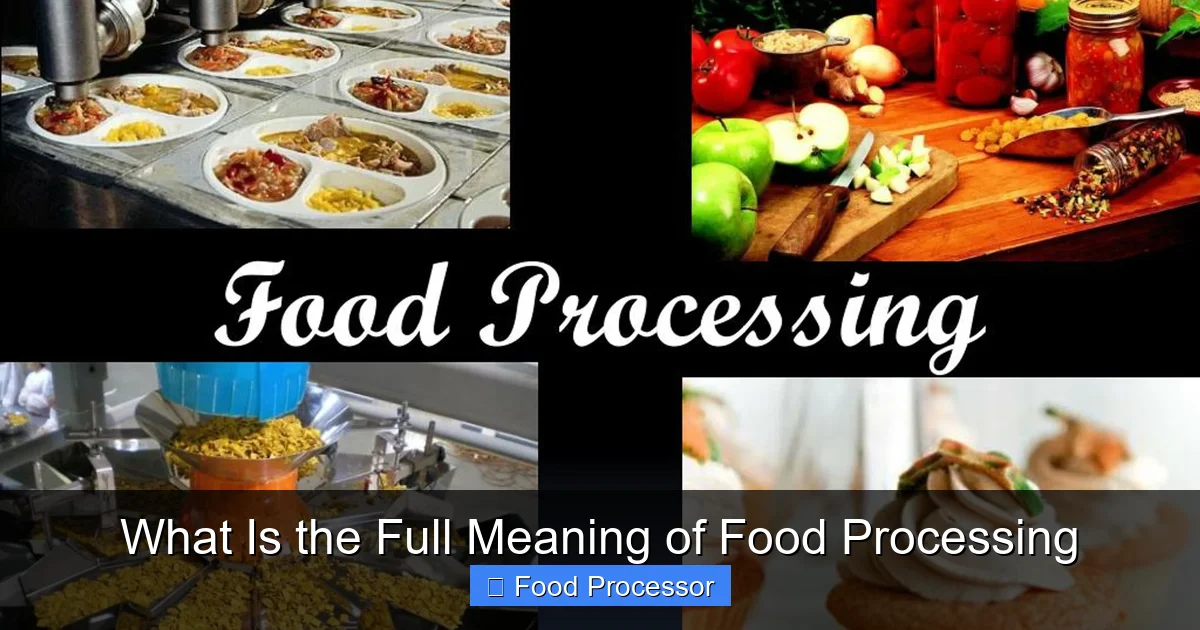
Food processing is much more than just cooking; it encompasses any method that alters raw food into another form. This guide explores the complete definition, from basic preparation like washing and cutting to complex industrial techniques like pasteurization and fermentation. You’ll learn about its diverse purposes, including enhancing safety, extending shelf life, improving nutritional value, and creating convenient products that shape our modern diets.
What Is the Full Meaning of Food Processing?
Have you ever wondered about the journey your food takes from the farm to your plate? It’s a fascinating path, often involving a process called “food processing.” But what exactly does that mean? Is it just about making unhealthy snacks, or is there more to it? In this comprehensive guide, we’re going to dive deep into the full meaning of food processing, unraveling its definitions, purposes, techniques, and its profound impact on our daily lives. By the end, you’ll have a clear understanding of this essential aspect of our modern food system.
Key Takeaways
- Holistic Definition: Food processing covers all operations that change raw food from its natural state, ranging from simple domestic preparation to complex industrial transformations.
- Multifaceted Purpose: Its primary goals include enhancing food safety, extending shelf life (preservation), improving palatability, increasing nutritional value, providing convenience, and creating diverse food products.
- Levels of Processing: Foods are categorized into minimally processed, moderately processed, and highly (or ultra) processed, reflecting the degree of alteration and added ingredients.
- Diverse Techniques: Food processing employs a wide array of methods, including physical (e.g., heating, chilling, grinding), chemical (e.g., adding preservatives, fortifying), and biological (e.g., fermentation) approaches.
- Impact on Modern Life: Food processing is crucial for ensuring a safe, accessible, and varied global food supply, making many staples available year-round and reducing food waste.
- Home vs. Industrial: While often associated with large factories, fundamental food processing activities, like chopping and cooking, occur daily in every home kitchen.
- Informed Choices: Understanding the full meaning and different levels of food processing empowers consumers to make more informed dietary choices that balance convenience, nutrition, and health.
Understanding the Core Definition of Food Processing
At its heart, food processing is any action that changes raw food into another form. Think about that for a moment. It’s a much broader definition than many people realize! It includes everything from the simplest tasks you do in your kitchen to highly complex operations in large factories.
Beyond the Kitchen Counter
When you wash vegetables, peel fruit, chop onions, or even bake a cake, you are engaging in food processing. You’re altering the raw ingredients to make them more palatable, safe, or suitable for consumption. On a larger scale, food processing refers to a series of operations that convert raw agricultural products into marketable food items, or to transform already processed foods into new products.
The Spectrum of Changes
The changes involved in food processing can be physical, chemical, or biological.
- Physical changes might include cutting, grinding, mixing, heating, cooling, drying, or even packaging.
- Chemical changes involve things like adding preservatives, fortifying with vitamins, or creating specific flavors.
- Biological changes often involve fermentation, where microorganisms transform ingredients, like in the making of yogurt, cheese, or bread.
Essentially, if a food has been subjected to any treatment that changes its original state, it has undergone some form of food processing. This simple yet profound definition sets the stage for understanding its vast importance.
The Primary Purposes of Food Processing
Why do we process food? It’s not just for convenience or to create tasty treats. Food processing serves several crucial purposes that are fundamental to our health, safety, and modern way of living. Understanding the importance of food processing helps us appreciate its role.
Enhancing Food Safety
One of the most critical reasons for food processing is to make food safe for consumption. Raw foods can naturally contain harmful microorganisms like bacteria, viruses, and parasites. Processing techniques such as pasteurization (for milk), sterilization (for canned goods), and cooking (for meats) kill these pathogens, significantly reducing the risk of foodborne illnesses. For example, without pasteurization, dairy products would pose a much higher health risk.
Extending Shelf Life (Preservation)
Raw foods spoil quickly due to microbial growth, enzymatic reactions, and oxidation. Food processing methods are vital for extending how long food remains fresh and edible. Techniques like canning, freezing, drying, curing, and fermentation help preserve food for weeks, months, or even years. This allows for efficient distribution, reduces food waste, and makes seasonal foods available year-round. It’s a key part of effective food purchasing, processing, and preservation.
Improving Palatability and Sensory Qualities
Many raw ingredients are not very appealing on their own. Processing can transform them into delicious and attractive dishes. Cooking, seasoning, fermenting, and texturizing foods enhance their flavor, aroma, texture, and appearance. Think about how raw grains are processed into bread, or how raw potatoes become crispy chips. These processes make food more enjoyable and appetizing.
Increasing Nutritional Value and Bioavailability
While some processing can reduce certain nutrients, other forms of food processing can actually enhance nutritional value. Fortification involves adding essential vitamins and minerals (like iodine to salt or vitamin D to milk) to prevent deficiencies. Processing can also improve nutrient bioavailability, meaning it makes nutrients easier for the body to absorb. For instance, cooking certain vegetables breaks down cell walls, releasing more vitamins and minerals.
Providing Convenience and Accessibility
In our fast-paced world, convenience is key. Food processing gives us ready-to-eat meals, pre-chopped vegetables, microwaveable dinners, and quick-cooking grains. These products save time and effort in the kitchen, making healthy eating more accessible for busy individuals and families. They reduce preparation time and simplify cooking.
Creating Variety and New Products
Food processing allows for the creation of an astonishing variety of food products that wouldn’t exist otherwise. From different types of cheeses and yogurts to various breads, snacks, and beverages, processing transforms basic ingredients into an endless array of choices. This variety enriches our culinary experiences and caters to diverse tastes and dietary needs.
Exploring the Different Levels of Food Processing
Not all processed foods are created equal. Experts often categorize foods into different levels of processing, which helps us understand their nutritional profiles and impact on health.
Minimally Processed Foods
These foods are altered very little from their natural state. The processing they undergo is usually to remove inedible parts, make them safe, or preserve them for a short time without changing their core nutritional identity.
- Examples: Washed and pre-cut fruits and vegetables, bagged salads, roasted nuts, pasteurized milk, unsweetened yogurt, whole-wheat flour, dried fruits (without added sugar), frozen fruits and vegetables.
- Purpose: Convenience, safety, extending freshness slightly.
Knowing how to identify minimally processed foods is a great way to make healthier choices.
Moderately Processed Foods
These foods have undergone more significant processing. They often contain added ingredients like salt, sugar, oils, or preservatives, but still largely resemble the raw ingredients. These processes combine ingredients and preserve them for a longer shelf life.
- Examples: Canned vegetables and fruits (in water or light syrup), cheeses, freshly baked bread, tofu, deli meats, packaged breakfast cereals (without excessive sugar), canned fish, jarred pasta sauces.
- Purpose: Enhance flavor, preserve, combine ingredients, offer more convenience.
Highly Processed Foods (Ultra-Processed)
This category includes foods that have been extensively altered and often contain many added ingredients such as artificial flavors, colors, emulsifiers, stabilizers, and high amounts of sugar, salt, and unhealthy fats. They often bear little resemblance to their original ingredients and are designed to be highly palatable, convenient, and long-lasting.
- Examples: Sodas, sugary cereals, instant noodles, frozen dinners, processed meats (like hot dogs, nuggets), candies, packaged cookies, cakes, and snack foods (chips, crackers).
- Purpose: Maximum convenience, extended shelf life, low cost, specific sensory properties, and high profitability.
While not inherently “bad,” excessive consumption of highly processed foods is often linked to negative health outcomes due to their typically lower nutritional density and higher calorie, sugar, salt, and unhealthy fat content.
Common Techniques and Methods in Food Processing
The world of food processing uses a vast array of techniques. These can be broadly grouped into physical, chemical, and biological methods.
Physical Methods
These involve altering the physical state or structure of food.
- Heating: This includes cooking, baking, frying, boiling, steaming, pasteurization (gentle heat to kill pathogens), and sterilization (intense heat for long-term preservation, as in canning).
- Cooling/Freezing: Refrigeration slows down microbial growth and enzymatic reactions, while freezing halts them almost entirely, preserving food quality for extended periods.
- Drying/Dehydration: Removing water content inhibits microbial growth and enzyme activity. Examples include sun-drying fruits, freeze-drying coffee, or creating powdered milk.
- Milling/Grinding: Reducing particle size, such as grinding grains into flour or nuts into butter.
- Mixing/Blending: Combining ingredients evenly to create homogeneous products like sauces, doughs, or purees.
- Filtration/Separation: Removing undesirable components or separating desirable ones, like clarifying fruit juices or separating cream from milk.
- Packaging: Enclosing food in containers to protect it from contamination, spoilage, and physical damage, and to provide information.
Chemical Methods
These involve adding or removing chemical substances to or from food.
- Salting/Curing: Using salt (often with nitrates/nitrites) to draw out moisture and inhibit bacterial growth, common in meats like bacon and ham.
- Smoking: Imparting flavor and preservative properties using smoke compounds, also often used for meats and fish.
- Sugaring: Using high sugar concentrations to preserve fruits (jams, jellies) by reducing water activity.
- Acidification: Lowering the pH with acids (like vinegar in pickling) to inhibit microbial growth.
- Fortification: Adding essential nutrients (vitamins, minerals) to staple foods to enhance their nutritional value and combat deficiencies.
- Adding Preservatives: Chemical additives that prevent spoilage from bacteria, molds, or yeasts, or prevent oxidation (e.g., antioxidants).
Biological Methods
These methods harness the power of microorganisms.
- Fermentation: Using beneficial bacteria, yeasts, or molds to transform food, creating unique flavors, textures, and extending shelf life. Examples include making yogurt, cheese, bread, sauerkraut, kimchi, and kombucha.
Food Processing at Home: Your Everyday Kitchen
While we often associate food processing with large-scale industrial operations, it’s important to remember that it starts right in your kitchen. Every time you prepare a meal, you’re engaging in food processing.
Think about making a simple salad:
- You wash the lettuce (cleaning).
- You chop the tomatoes and cucumbers (physical alteration).
- You mix them with dressing (combining ingredients).
All of these are forms of food processing.
The Role of Kitchen Appliances
Modern kitchen appliances significantly aid in home food processing. A food processor, for instance, can chop, slice, shred, grate, and even knead dough, making these processing steps much faster and easier. Understanding the advantages of using a food processor can truly revolutionize your home cooking, allowing you to quickly transform raw ingredients into delicious meals. Blenders, mixers, ovens, and even microwaves are all tools that help us process food effectively at home.
The Benefits and Drawbacks of Food Processing
Like most complex systems, food processing comes with both advantages and disadvantages.
Advantages
- Food Safety: Reduces the risk of foodborne illnesses.
- Preservation: Extends shelf life, reduces waste, and ensures food availability.
- Nutrient Fortification: Can add essential nutrients to combat deficiencies.
- Convenience: Offers ready-to-eat and easy-to-prepare options.
- Variety: Creates a wide range of diverse food products.
- Affordability: Often makes food more affordable by allowing mass production and distribution.
- Accessibility: Enables food distribution to remote areas and supports urban populations.
Disadvantages
- Nutrient Loss: Some processing methods (especially intense heating) can reduce certain vitamins and minerals.
- Added Ingredients: Highly processed foods often contain excessive amounts of sugar, salt, unhealthy fats, and artificial additives.
- Environmental Impact: Industrial processing can be energy-intensive and generate waste.
- Misleading Marketing: “Processed” can sometimes be a loaded term, and marketing can be confusing regarding nutritional value.
- Health Concerns: High consumption of highly processed foods is linked to obesity, heart disease, and type 2 diabetes.
It’s crucial to distinguish between different levels of food processing. Minimally processed foods generally retain their nutritional integrity and offer many benefits, while a diet heavy in highly processed foods should be approached with caution.
Troubleshooting Misconceptions About Food Processing
One common misconception is that all “processed food” is bad. As we’ve seen, this isn’t true. Washing an apple is processing it, and that’s certainly not bad! The key is understanding the *degree* and *type* of processing.
Another myth is that processed foods are always less nutritious. While some nutrients can be lost, others are enhanced (e.g., fortification), and cooking itself can increase nutrient availability. For instance, cooking tomatoes enhances the bioavailability of lycopene, an antioxidant.
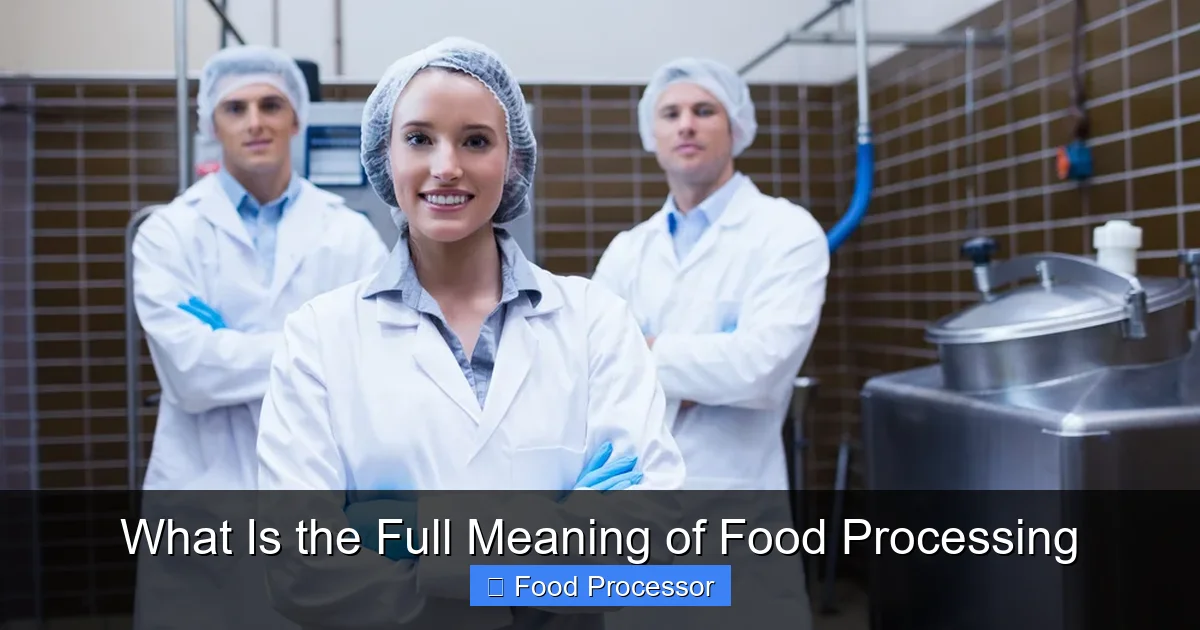
Visual guide about What Is the Full Meaning of Food Processing
Image source: cleanuniforms.com
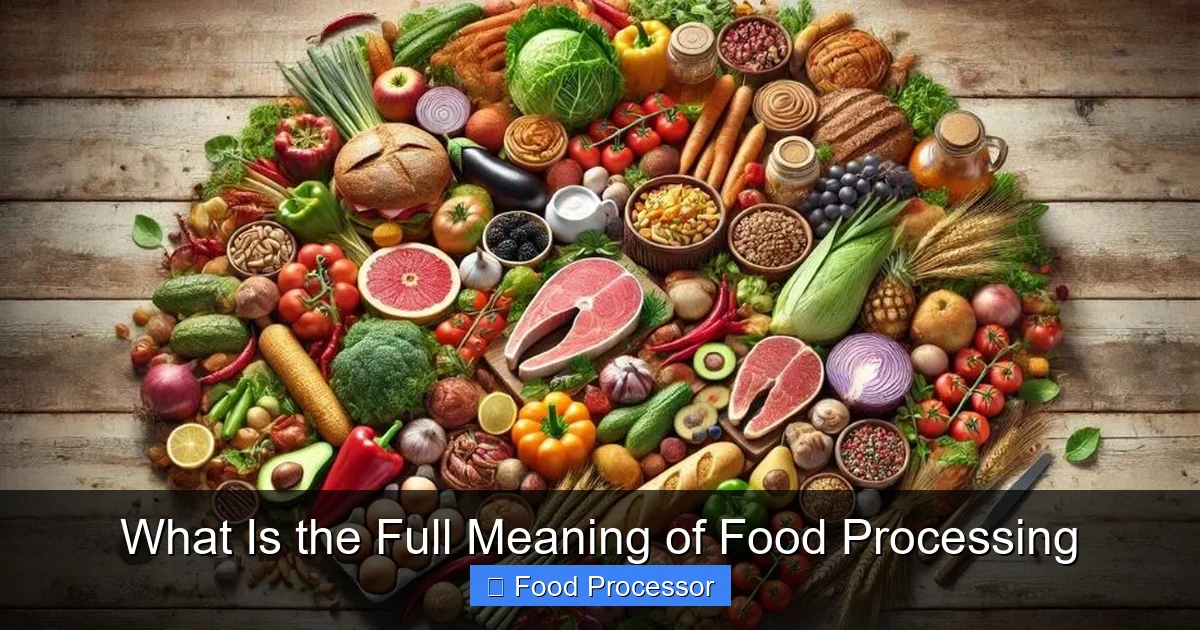
Visual guide about What Is the Full Meaning of Food Processing
Image source: symbolopedia.com
Finally, some believe homemade food is always superior because it’s “unprocessed.” However, home cooking still involves processing – chopping, cooking, fermenting (like making sourdough). The benefit of home processing is often greater control over ingredients, allowing you to minimize added sugars, salts, and unhealthy fats.
Conclusion
So, what is the full meaning of food processing? It’s a broad and essential concept that encompasses every action taken to transform raw ingredients into edible food products. From the simple act of washing a vegetable in your kitchen to the complex industrial techniques that create convenience foods, food processing plays an indispensable role in ensuring food safety, extending shelf life, enhancing flavors, and providing the incredible variety and accessibility we enjoy today.
By understanding the different levels of processing and the techniques involved, you can make more informed choices about the foods you eat. Embracing minimally and moderately processed foods, while being mindful of highly processed options, allows you to benefit from the convenience and safety that food processing offers, without compromising your health goals. It’s a powerful tool in our food system, shaping everything from global trade to your daily meal.
