


It can be incredibly frustrating when your Cuisinart food processor not working suddenly. Most issues stem from common problems like power supply interruptions, incorrect assembly, or an overloaded motor. This guide offers a comprehensive, step-by-step approach to help you diagnose and fix these problems, ensuring your food processor is back to effortlessly chopping and blending in no time.
Welcome to the ultimate guide for when your Cuisinart food processor not working! We understand how frustrating it can be when your trusty kitchen companion suddenly decides to take a break. Cuisinart food processors are renowned for their durability and performance, but like any appliance, they can encounter hiccups. The good news is that many common issues leading to a Cuisinart food processor not working are simple to diagnose and fix yourself.
In this guide, we’ll walk you through the most frequent reasons why your Cuisinart food processor might be refusing to cooperate. We’ll provide clear, step-by-step instructions to help you troubleshoot the problem, along with practical tips to get your appliance back in working order. From power issues to assembly challenges and motor woes, we’ve got you covered. By the end of this article, you’ll be well-equipped to tackle most problems and continue enjoying the convenience of your Cuisinart food processor.
Key Takeaways
- Safety First: Always unplug your Cuisinart food processor before performing any inspection or troubleshooting to prevent electric shock.
- Check Power: The most common reasons a Cuisinart food processor not working involve basic power issues, like an unplugged cord, a tripped circuit breaker, or a faulty outlet.
- Verify Assembly: Cuisinart food processors have strict safety interlocks. Ensure the bowl, lid, and pusher are correctly aligned and locked into place for the unit to power on.
- Avoid Overloading: Overfilling the work bowl or processing very tough ingredients can cause the motor to overheat and trip the thermal reset switch. Give it time to cool down.
- Inspect Blades and Discs: Make sure the blade or disc is correctly seated on the motor shaft and not obstructed by food debris or damaged.
- Consult the Manual: Your specific Cuisinart model may have unique features or troubleshooting tips. Referring to the user manual is always a good idea.
Safety First: Before You Begin Troubleshooting
Before you even think about inspecting your Cuisinart food processor, safety must be your absolute priority. Electrical appliances can be dangerous if not handled correctly.
Unplug the Unit
Always, *always* unplug your Cuisinart food processor from the wall outlet before you start checking any parts, making adjustments, or cleaning. This prevents accidental power-ons and reduces the risk of electric shock.
Allow Cooling Time
If you suspect the unit stopped working due to overheating (perhaps after a long processing session or handling tough ingredients), give it at least 30 minutes to an hour to cool down completely before attempting to restart it.
Step 1: Check the Power Supply
One of the most common reasons a Cuisinart food processor not working is a simple lack of power. It might seem obvious, but it’s often overlooked.
Verify the Wall Outlet
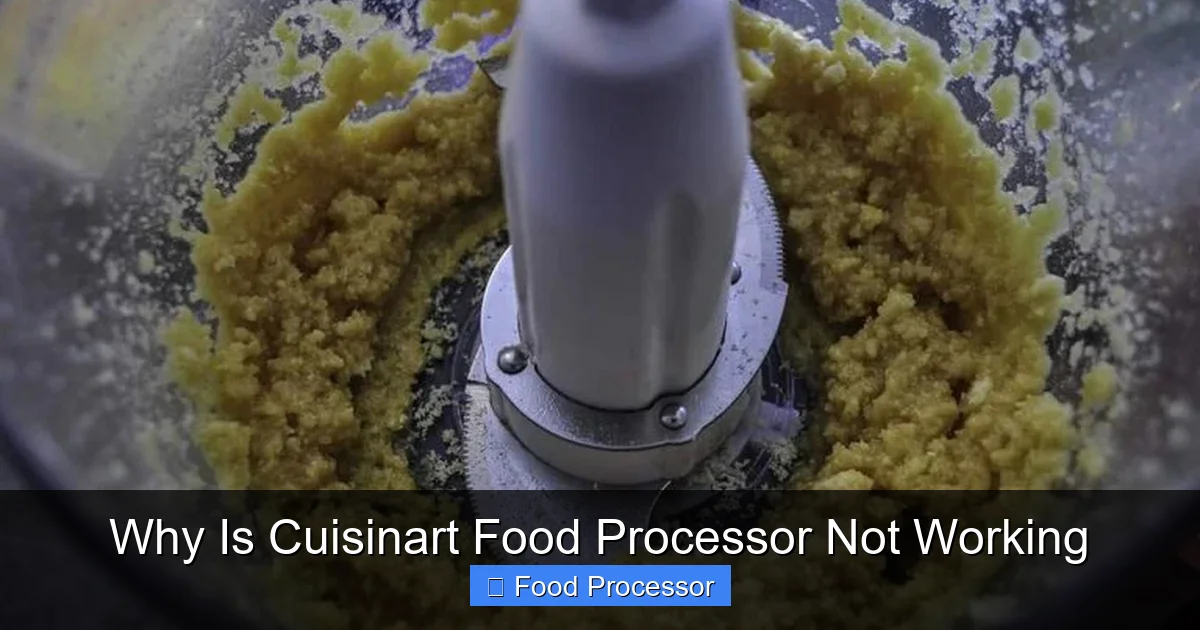
First, make sure the outlet itself is working. You can test this by plugging in another small appliance, like a lamp or a phone charger, into the same outlet. If the other appliance doesn’t work either, the problem is with your outlet or your home’s electrical circuit, not your Cuisinart food processor.
Visual guide about Why Is Cuisinart Food Processor Not Working
Image source: howdykitchen.com
Inspect the Power Cord
Check the power cord for any visible signs of damage, such as fraying, cuts, or kinks. A damaged cord can prevent power from reaching the motor. If you find damage, the cord will need to be replaced, and it’s best to contact Cuisinart customer service or a qualified repair technician.
Reset the Circuit Breaker
If the outlet isn’t working, check your home’s electrical panel. A circuit breaker might have tripped, especially if you were running several high-power appliances on the same circuit. Flip the tripped breaker back to the “ON” position. If it immediately trips again, there’s a deeper electrical issue that requires an electrician. For more general advice on power-related issues, you might find our guide on how to fix a food processor that is not turning on helpful.
Step 2: Ensure Proper Assembly
Visual guide about Why Is Cuisinart Food Processor Not Working
Image source: howdykitchen.com
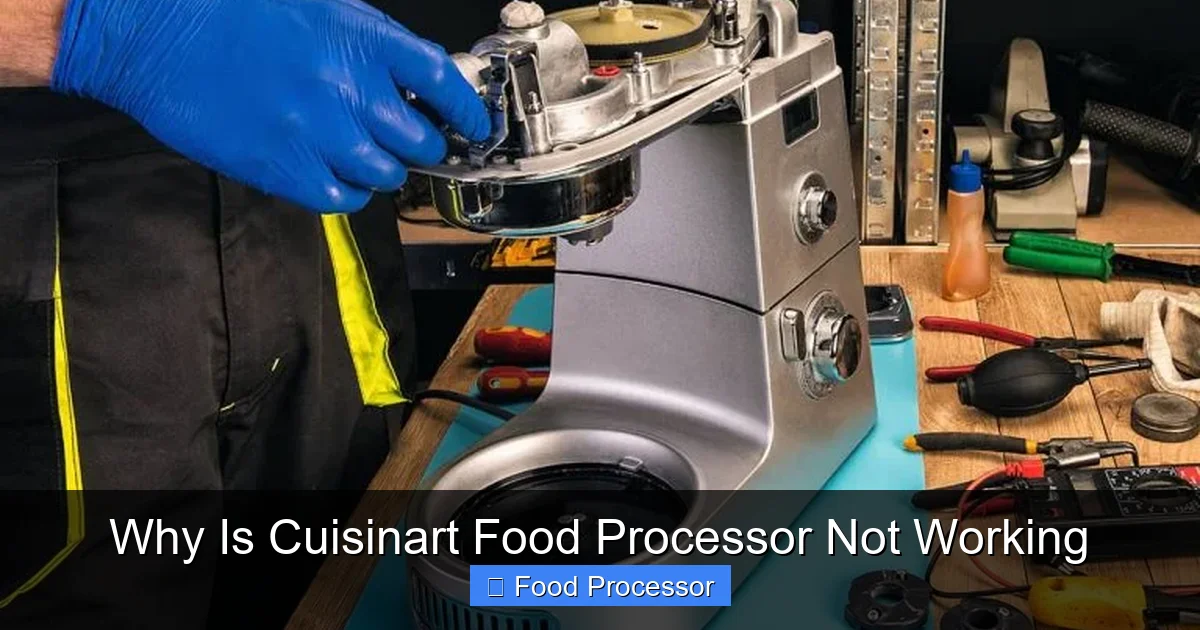
Cuisinart food processors are designed with multiple safety interlocks to prevent accidental operation and injuries. If any part isn’t correctly assembled, the unit simply won’t turn on. This is a very frequent reason a Cuisinart food processor not working.
Secure the Work Bowl
The work bowl must be securely seated on the motor base and twisted into its locked position. You’ll usually hear a click or feel it snap into place. Different models have different locking mechanisms, so refer to your manual if you’re unsure.
Lock the Lid into Place
The lid is another critical safety component. It must be placed correctly on the work bowl and twisted until it locks. Many Cuisinart lids have an arrow or indicator that needs to align with a mark on the bowl or base. If the lid isn’t locked, the unit won’t operate.
Correctly Insert the Pusher
Some Cuisinart models have a safety interlock involving the food pusher (the part that goes into the feed tube). Ensure the pusher is correctly inserted into the feed tube of the lid. If it’s not, the food processor might not engage. For a detailed walkthrough on setting up your appliance, refer to our guide on how to assemble a food processor step-by-step.
Proper Blade/Disc Placement
The processing blade or disc must be correctly placed on the motor shaft within the work bowl. If it’s loose, wobbly, or not fully engaged, the processor might not start or the blade might not spin. We’ll dive deeper into blade issues in the next step.
Step 3: Check for Overload or Overheating
Cuisinart food processors are powerful, but even they have limits. Overloading is a common cause of a Cuisinart food processor not working.
The Thermal Reset Switch
Most Cuisinart food processors are equipped with a thermal overload protection switch. If the motor gets too hot (due to processing very hard ingredients, overfilling the bowl, or running for too long), this switch automatically shuts the unit off to prevent damage.
Allow to Cool Down
If your food processor suddenly stopped mid-task, it’s highly likely the thermal switch was tripped. Unplug the unit, remove the contents from the bowl, and let it cool down for at least 30 minutes to an hour. Some models have a visible reset button on the bottom or side of the base; press it after the unit has cooled.
Reduce the Load
To prevent future overheating, process ingredients in smaller batches. Don’t overfill the work bowl beyond the maximum fill line. Also, cut larger, harder ingredients into smaller pieces before adding them to the processor.
Step 4: Inspect Blades and Accessories
If your Cuisinart food processor is turning on but the blade isn’t spinning, or it’s making strange noises, the issue might be with the blade or other accessories.
Is the Blade Seated Properly?
As mentioned earlier, the blade needs to be securely seated on the motor shaft. Gently wiggle it to ensure it’s not loose. If it feels wobbly, remove it and re-seat it firmly.
Obstructions and Damage
Sometimes, a piece of food (especially tough, fibrous ingredients or something hard like an uncracked nut) can get wedged beneath the blade or between the blade and the bowl. Remove the blade and carefully inspect for any obstructions. Clear any debris. Also, check the blade itself for any signs of damage like dullness, chips, or bends. A damaged blade might need replacement. If you’re experiencing a situation where your food processor blade not spinning, this step is crucial.
Using the Correct Accessory
Ensure you are using the correct blade or disc for the task and that it’s designed for your specific Cuisinart model. Using an incompatible accessory can cause operational issues or damage.
Step 5: Listen to the Motor
The sound (or lack thereof) coming from your Cuisinart food processor’s motor can provide valuable clues.
No Sound at All
If there’s absolutely no sound when you try to turn it on, even after checking power and assembly, the problem might be with the motor itself, the internal wiring, or a faulty switch. This often requires professional attention.
Humming Noise
A low humming sound without the blade spinning suggests that power is reaching the motor, but something is preventing the motor from engaging fully. This could be an obstruction, a seized bearing, or a faulty capacitor. Double-check for obstructions as described in Step 4. If none are found, professional repair might be necessary.
Grinding or Burning Smell
If you hear grinding noises, see smoke, or smell burning plastic or electrical components, immediately turn off and unplug the unit. This indicates a serious motor issue. Continuing to operate it could be dangerous and cause further damage. At this point, the unit likely needs professional repair or replacement.
Step 6: Review Your Cuisinart User Manual
While this guide covers general troubleshooting for why a Cuisinart food processor not working, your specific model might have unique features, safety mechanisms, or troubleshooting steps.
Model-Specific Information
Always consult the user manual that came with your Cuisinart food processor. It provides detailed diagrams, assembly instructions, and a specific troubleshooting section tailored to your model. If you’ve lost the physical manual, you can usually find a digital version on the Cuisinart website by searching for your model number.
When to Seek Professional Help or Consider Replacement
Sometimes, despite your best efforts, your Cuisinart food processor still won’t work.
Persistent Issues
If you’ve gone through all the troubleshooting steps and your food processor remains unresponsive, or if you consistently hear unusual noises or smell burning, it’s time to consider professional repair.
Warranty Considerations
Check if your Cuisinart food processor is still under warranty. If so, contact Cuisinart customer service. Attempting repairs yourself might void the warranty.
Cost-Benefit Analysis
For older units, weigh the cost of repair against the cost of a new food processor. Sometimes, purchasing a new, more efficient model is a more economical choice, especially if the repair cost is significant. For an overall perspective on dealing with appliance failures, our article on food processor stopped working: how to fix it provides additional insights.
Preventative Maintenance Tips
To keep your Cuisinart food processor running smoothly and avoid future breakdowns, consider these tips:
- Regular Cleaning: Clean the work bowl, lid, and blades immediately after each use. Food residue can harden and cause blockages or dull blades.
- Proper Storage: Store your Cuisinart food processor in a clean, dry place. Ensure all parts are completely dry before reassembling.
- Don’t Overload: Always respect the maximum fill lines and process ingredients in batches, especially tough or dense foods.
- Cut Food into Smaller Pieces: Pre-cutting ingredients reduces the strain on the motor.
- Inspect Regularly: Periodically check the power cord, blades, and work bowl for any signs of wear, damage, or buildup.
Conclusion
It can be a real headache when your Cuisinart food processor not working, but as you’ve seen, many common issues have straightforward solutions. By methodically checking the power supply, verifying proper assembly, looking out for overload, and inspecting the blades, you can often bring your appliance back to life without needing professional help. Remember to always prioritize safety by unplugging the unit before any inspection. If you’ve tried all these steps and your Cuisinart food processor still isn’t performing, it might be time to contact Cuisinart customer support or consider a professional repair or replacement. With a little care and regular maintenance, your Cuisinart food processor will continue to be an invaluable tool in your kitchen for years to come.
