

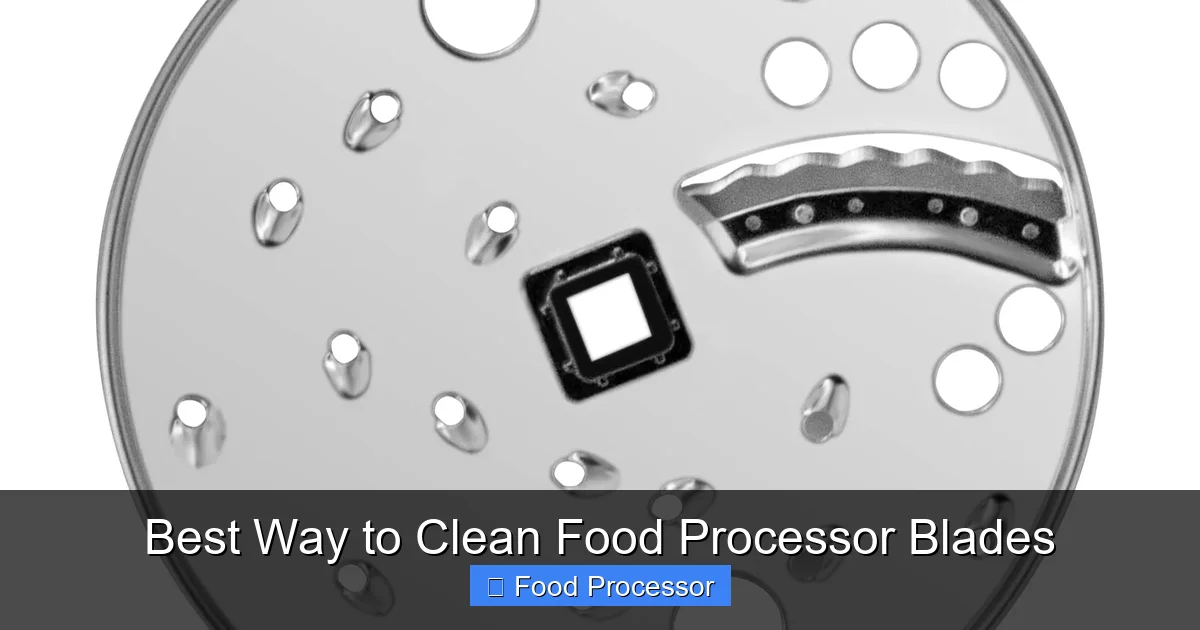
Keeping your food processor blades clean is crucial for hygiene, performance, and longevity. This guide provides a comprehensive approach to the “best way to clean food processor blades,” emphasizing safety first. You’ll learn how to disassemble, hand wash, deep clean stubborn residues, and maintain your blades, ensuring they remain sharp and ready for your next culinary adventure. Following these steps will help prevent odors, bacterial growth, and damage, making the cleaning process straightforward and effective.
Best Way to Clean Food Processor Blades
A food processor is a kitchen workhorse, helping us chop, slice, shred, and puree with incredible efficiency. From preparing ingredients to chop vegetables for a stir-fry to making a smooth hummus, it tackles countless tasks. But with all that processing power comes the inevitable mess. The blades, in particular, can accumulate stubborn food residues, oils, and odors if not cleaned properly and promptly. Not only is this unhygienic, but it can also affect the performance and lifespan of your appliance.
Learning the “best way to clean food processor blades” isn’t just about sparkling tools; it’s about food safety, maintaining blade sharpness, and ensuring your appliance is always ready for its next job. This comprehensive guide will walk you through every step, from immediate post-use cleaning to tackling the toughest stains and odors. We’ll cover both manual and dishwasher methods, essential safety precautions, and tips to keep your blades in pristine condition. Get ready to make cleaning your food processor blades a simple, stress-free task!
Key Takeaways
- Safety is Paramount: Always handle food processor blades with extreme caution. Wear protective gloves and never touch the sharp edges directly.
- Clean Immediately After Use: The best way to clean food processor blades effectively is right after you’ve finished processing food. This prevents food from drying and sticking.
- Disassemble Completely: For a thorough clean, remove the blade, bowl, and lid. Each part needs individual attention, as residue can hide in crevices.
- Choose the Right Method: Hand washing is generally safer and recommended for blades to maintain sharpness, though some are dishwasher-safe. Always check your appliance’s manual.
- Tackle Stubborn Stains and Odors: Use natural remedies like baking soda, vinegar, or lemon for tough spots and lingering smells. A rice trick can help absorb odors.
- Proper Drying and Storage: Ensure all parts, especially the blades, are completely dry before reassembling or storing to prevent rust and bacterial growth.
- Regular Maintenance Extends Life: Consistent and correct cleaning practices will keep your blades sharp, hygienic, and extend the lifespan of your food processor.
1. Safety First: Always Handle with Extreme Care
Before you even think about cleaning your food processor blades, safety must be your absolute top priority. These blades are incredibly sharp and designed to cut through tough foods, making them a significant hazard if mishandled.
1.1. Unplug the Appliance
Always, *always* unplug your food processor from the power outlet before you begin any cleaning or disassembly. This prevents accidental activation, which could lead to severe injury.
1.2. Use Protective Gloves
We highly recommend wearing thick, cut-resistant gloves, like those used for gardening or dishwashing, especially when dealing with the main S-blade or slicing/shredding discs. These add an extra layer of protection between your hands and the razor-sharp edges.
1.3. Avoid Direct Contact with Edges
Never touch the cutting edges of the blades directly. Hold the blade by its central plastic hub or shaft, if present, or by the dull side. Even when scrubbing, use a brush or sponge, not your fingers.
2. Immediate Post-Use Cleaning: The Golden Rule
The absolute best way to clean food processor blades and prevent future headaches is to clean them immediately after each use. Dried-on food is much harder to remove and can require more aggressive scrubbing, which might dull your blades over time.
2.1. Scrape Off Excess Food
As soon as you’re done processing, use a rubber spatula or a soft brush to scrape off any large pieces of food clinging to the blade or inside the bowl. This reduces the amount of residue you’ll have to wash later.
2.2. The “Quick Spin” Method
This is a fantastic trick for preliminary cleaning.
Step-by-Step Quick Spin:
- Fill the food processor bowl about halfway with warm water.
- Add a drop or two of dish soap.
- Place the lid securely on the bowl.
- Pulse the food processor for 10-20 seconds. This creates a soapy vortex that dislodges most food particles from the blade and bowl.
- Carefully remove the blade (remembering safety!).
- Empty the soapy water and rinse the bowl.
While the quick spin method is great for a first pass, it’s usually not enough for a deep clean, especially for sticky ingredients like dough or greasy items.
3. Deep Cleaning by Hand: The Most Thorough Method
Hand washing is often the preferred method for cleaning food processor blades, as it allows for meticulous attention to detail and helps preserve the sharpness of the blades.
3.1. Disassemble Completely
For a truly effective clean, you need to take your food processor apart.
Step-by-Step Disassembly:
- Ensure the unit is unplugged.
- Carefully remove the work bowl from the motor base.
- Gently lift the lid off the bowl.
- With utmost care, grasp the central plastic hub of the blade and lift it straight up and out of the bowl. Place it in a safe, designated spot where you won’t accidentally bump into it. If you ever need to assemble your food processor again, remembering the order of disassembly can be helpful in reverse.
- Remove any other attachments, such as pusher rods, slicing discs, or grating discs.
3.2. Soak If Necessary
If food has dried onto the blades or other parts, a short soak can work wonders.
Soaking Instructions:
Fill your sink or a large basin with warm, soapy water. Submerge the disassembled blades, bowl, lid, and other attachments. Let them soak for 10-15 minutes. This softens stubborn food particles, making them much easier to remove.
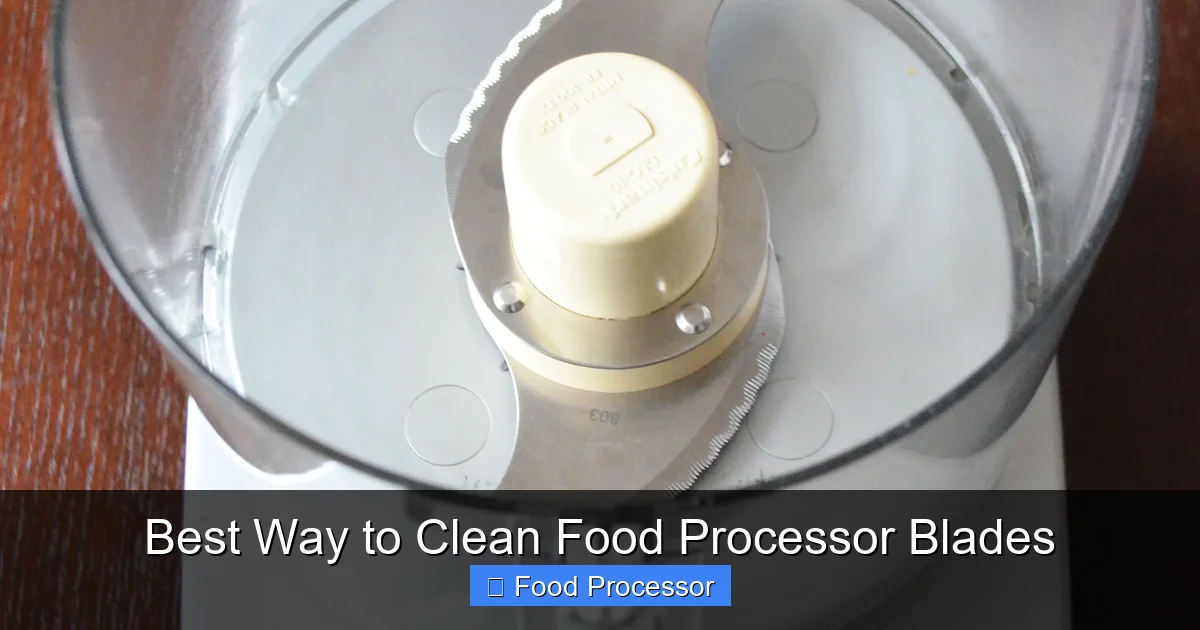
Visual guide about Best Way to Clean Food Processor Blades
Image source: cdn.apartmenttherapy.info
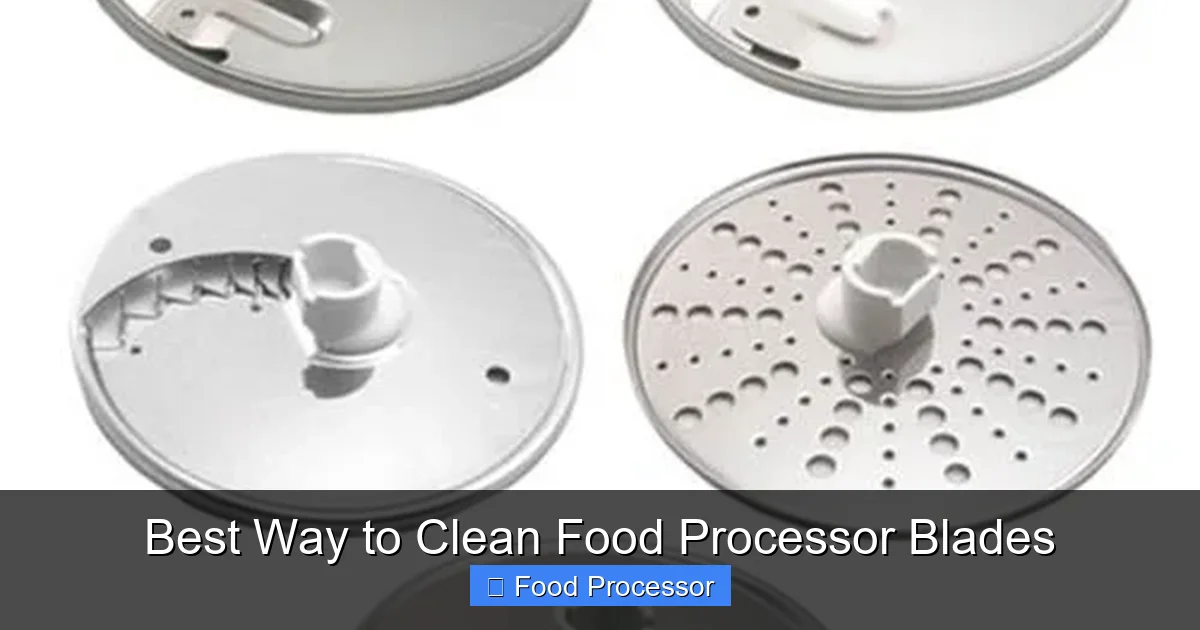
Visual guide about Best Way to Clean Food Processor Blades
Image source: m.media-amazon.com
3.3. Scrub Each Component Carefully
This is where the real cleaning happens.
Scrubbing the Blades:
- Using a long-handled brush with stiff bristles (a bottle brush or a dedicated kitchen brush works well), carefully scrub the blades. Pay close attention to the area where the blade meets the plastic hub, as food often gets trapped here.
- Avoid scrubbing parallel to the sharp edge; instead, scrub perpendicular to it, moving away from the edge. This minimizes the risk of cuts and helps maintain blade integrity.
- For very sticky or greasy residues, a mild abrasive like baking soda can be mixed with dish soap to create a paste for extra scrubbing power.
Cleaning the Bowl and Lid:
- Use a sponge or dishcloth with warm, soapy water to clean the inside and outside of the bowl. Pay attention to any grooves or rims where food might accumulate.
- The lid often has crevices around the feed tube and locking mechanism. Use a small brush (like a toothbrush) or a cotton swab to get into these tight spots.
3.4. Rinse Thoroughly
Rinse all components under warm, running water until all soap suds and food particles are gone. Ensure no soapy residue remains, as this can affect the taste of future foods or leave streaks.
3.5. Dry Completely
This step is critical to prevent water spots, rust, and bacterial growth.
Drying Tips:
- Allow all parts to air dry completely on a drying rack.
- For quicker drying or to prevent water spots, you can carefully dry the blades and other components with a clean, lint-free towel. Again, exercise extreme caution when drying blades.
- Ensure the central metal shaft of the blade is thoroughly dry before storing.
4. Dishwasher Cleaning: When It’s an Option
Many modern food processor components, including some blades, are labeled as dishwasher-safe. Always check your specific model’s user manual before putting blades in the dishwasher. Dishwashers are convenient but can sometimes dull blades over time due to high heat and aggressive detergents.
4.1. Check Your Manual
Refer to your food processor’s manual to confirm which parts are dishwasher-safe. Some blades or plastic components may warp or get damaged in the high heat of a dishwasher.
4.2. Placement in the Dishwasher
For Blades:
- If dishwasher-safe, place blades securely in the top rack, away from other items that could scratch them or be damaged by them.
- Position them so they don’t block spray arms and can receive a thorough wash.
- Avoid overcrowding the dishwasher.
For Bowls and Lids:
- Most bowls and lids are dishwasher-safe and should be placed on the top rack to prevent melting or warping.
- Ensure they are oriented to allow water to drain properly.
4.3. Use a Gentle Cycle
Consider using a gentle cycle and mild detergent, especially for plastic components, to prolong their life.
4.4. Air Dry or Hand Dry
After the dishwasher cycle, if parts aren’t completely dry, let them air dry or carefully hand dry them before storage.
5. Tackling Stubborn Stains and Odors
Sometimes, even the best cleaning routine isn’t enough for those lingering smells or persistent stains, especially after processing strong-smelling foods or shredding cheese, which can leave a sticky film.
5.1. Lemon and Baking Soda Paste for Stains
For discolored plastic parts or stubborn spots on blades:
Method:
- Mix baking soda with a small amount of lemon juice (or water) to form a thick paste.
- Apply the paste to the stained area.
- Let it sit for 15-30 minutes.
- Scrub gently with a brush or sponge, then rinse thoroughly. Lemon’s acidity and baking soda’s abrasive properties work together to lift stains and neutralize odors.
5.2. Vinegar Soak for Odors
If your bowl or blades retain the smell of garlic, onions, or spices:
Method:
- Fill the food processor bowl with a solution of equal parts white vinegar and water.
- Submerge the blades (carefully!) and let them soak for 30 minutes to an hour.
- Wash and rinse as usual. Vinegar is an excellent natural deodorizer.
5.3. The Rice Trick for Persistent Odors
This works well for bowls that smell even after washing.
Method:
- Place a small amount of uncooked rice (about 1/4 cup) in the clean, dry food processor bowl.
- Add the lid and let it sit for a few hours or overnight.
- The rice will absorb lingering odors. Discard the rice afterwards.
6. Special Blades and Attachments
Beyond the standard S-blade, many food processors come with a variety of discs for slicing, shredding, grating, and kneading. These also require careful cleaning.
6.1. Slicing and Shredding Discs
These discs often have sharp edges and small holes where food can get stuck.
Cleaning Tips:
- Use a stiff brush to push out any food stuck in the holes or crevices.
- Soak them if necessary, just like the main blade.
- Handle them by the dull, central hole or the outer rim, away from the sharp cutting surfaces.
6.2. Dough Blades and Plastic Accessories
Dough blades are usually plastic and less sharp, but dough can be very sticky.
Cleaning Tips:
- Scrape off as much dough as possible immediately.
- Soak in warm, soapy water to soften any dried-on residue.
- Use a sponge or brush to clean thoroughly.
7. Troubleshooting Common Cleaning Challenges
Even with the best intentions, you might encounter a few hiccups during the cleaning process.
7.1. Rust Spots on Blades
If you notice small rust spots, especially after not drying thoroughly:
Solution:
- Create a paste of baking soda and a few drops of water.
- Apply it to the rust spot and let it sit for 15-30 minutes.
- Gently scrub with a non-abrasive scrubber or a wadded-up piece of aluminum foil (yes, foil works!).
- Rinse and dry completely. Prevention is key: always dry blades thoroughly!
7.2. Water Stains/Cloudiness on Plastic
Hard water can leave mineral deposits on plastic bowls and lids.
Solution:
- Soak the affected parts in a solution of equal parts white vinegar and water for 30 minutes.
- Wash and rinse as usual. The vinegar will dissolve mineral deposits.
7.3. Blade Not Spinning After Cleaning
If your food processor blade isn’t spinning properly after reassembly, it’s usually due to incorrect placement or a minor blockage.
Solution:
- First, ensure the unit is unplugged.
- Carefully remove the blade and check if there’s any food debris or a stray piece of paper towel caught in the central shaft or the bowl’s drive pin.
- Re-seat the blade, ensuring it drops all the way down onto the drive shaft.
- Make sure the bowl and lid are correctly aligned and locked into place. Often, safety mechanisms prevent operation if not assembled properly. If the issue persists, you might need to consult our guide on how to fix a food processor blade that’s not spinning.
8. Maintenance Tips for Longevity
Proper cleaning is a form of maintenance. Here are a few extra tips to ensure your blades and food processor last for years.
8.1. Avoid Abrasive Cleaners
Harsh chemical cleaners, steel wool, or highly abrasive scrubbers can scratch plastic, dull blades, or remove protective coatings. Stick to mild dish soap, brushes, and sponges.
8.2. Store Blades Safely
Once dry, store blades either within the assembled food processor (if your model allows for safe storage with the blade in) or in a protective blade cover. Many food processors come with storage caddies for their various attachments, which is the ideal place to keep them. This not only protects the blades but also protects your hands when reaching into a cupboard.
8.3. Regular Deep Cleaning
Even if you clean immediately after each use, a monthly deep clean, paying extra attention to all nooks and crannies, will help keep your food processor truly pristine.
Conclusion
Mastering the best way to clean food processor blades is an essential skill for anyone who loves to cook. By prioritizing safety, cleaning immediately after use, and following thorough hand-washing or dishwasher guidelines, you can ensure your blades remain sharp, hygienic, and ready for all your culinary endeavors. Tackling stubborn stains and odors with natural remedies, understanding how to clean special attachments, and applying simple maintenance tips will not only extend the life of your appliance but also make your cooking experience more enjoyable and sanitary. With these practices, your food processor will always be a reliable and sparkling clean helper in the kitchen.
