

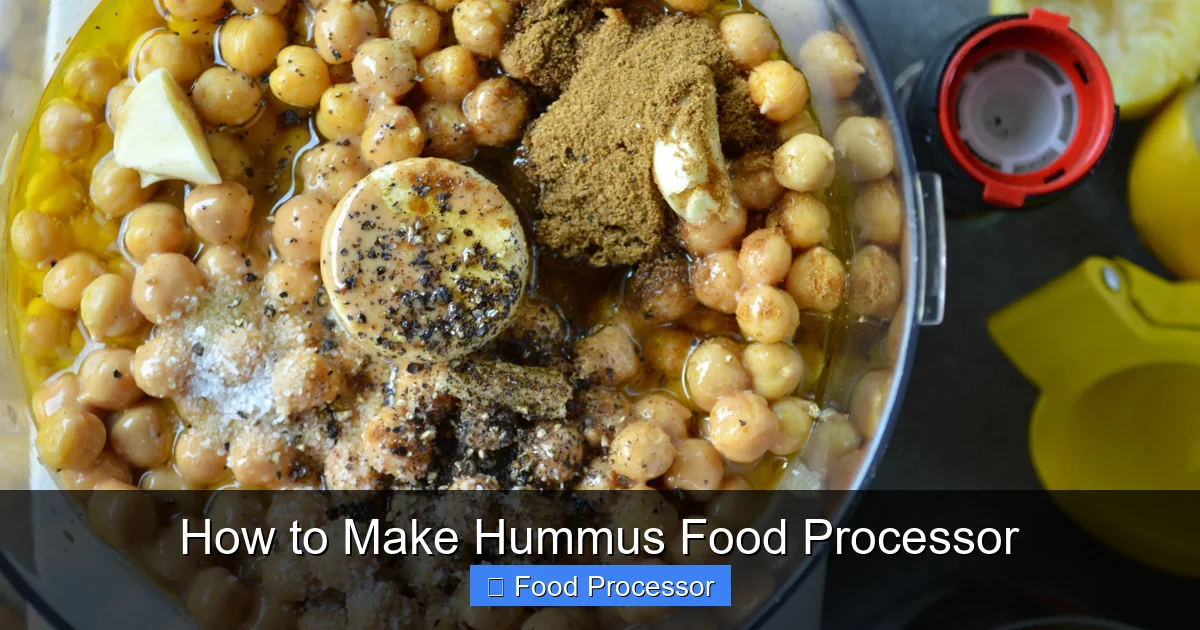
Making delicious, creamy hummus at home has never been easier, especially when you use a food processor. This guide walks you through every step, from selecting the best ingredients to achieving that perfect silky-smooth texture. You’ll learn the essential tricks, like blending tahini first and using ice water, to create a truly professional-quality dip right in your own kitchen. Say goodbye to store-bought and hello to your new favorite homemade snack!
How to Make Hummus Food Processor
Welcome, fellow food enthusiasts! If you’ve ever dreamt of dipping warm pita bread into a bowl of perfectly smooth, rich, and flavorful hummus, you’re in the right place. Forget those store-bought tubs; making hummus from scratch is incredibly rewarding, surprisingly simple, and far superior in taste. And the best part? Your trusty food processor does most of the heavy lifting!
In this comprehensive guide, we’re going to dive deep into how to make hummus in a food processor, transforming humble chickpeas into a culinary masterpiece. We’ll cover everything from selecting the right ingredients to mastering the blending technique that gives you that impossibly creamy texture. Whether you’re a seasoned chef or a kitchen novice, you’ll walk away with the confidence to whip up a batch of delicious homemade hummus food processor style, ready to impress friends and family (or just yourself!).
Let’s get started on your journey to hummus perfection!
Key Takeaways
- Use a Food Processor for Best Results: While blenders can work, a food processor is ideal for achieving the signature smooth and creamy texture of hummus, efficiently breaking down chickpeas and blending ingredients.
- Start with Tahini and Lemon Juice: Processing tahini with fresh lemon juice first creates a light, fluffy base, which is crucial for creamy hummus and helps emulsify the mixture from the beginning.
- Peel Chickpeas for Ultimate Smoothness: Although optional, peeling the thin skins off cooked chickpeas before blending can significantly reduce grittiness and result in an incredibly silky, restaurant-quality hummus.
- Incorporate Ice Water Gradually: Adding small amounts of very cold water, or even ice cubes, while the food processor is running helps lighten the texture and achieve an airy, fluffy consistency.
- Don’t Skimp on Quality Ingredients: High-quality tahini, fresh lemon juice, and good olive oil make a noticeable difference in the final flavor profile of your homemade hummus.
- Taste and Adjust Seasoning: Always taste your hummus before serving and adjust salt, lemon juice, or garlic to your preference. Hummus flavor can deepen slightly after chilling.
- Chill Before Serving: Allowing your hummus to chill for at least 30 minutes to an hour lets the flavors meld together beautifully, enhancing its overall taste and texture.
Why Make Hummus in a Food Processor?
The food processor is truly the MVP when it comes to making hummus. Its powerful motor and sharp S-blade are designed to break down ingredients quickly and efficiently, creating a uniformly smooth paste. While you *could* technically make hummus by hand with a mortar and pestle, or even in a blender, a food processor offers the ideal balance of power and control. It ensures all ingredients are thoroughly combined and emulsified, leading to that signature light and airy texture we all crave. In fact, if you’re wondering about the best tool for the job, you might find our article on Should I Make Hummus In Blender Or Food Processor? particularly enlightening.
Gather Your Ingredients
Before we get blending, let’s talk ingredients. The beauty of hummus lies in its simplicity, but the quality of each component really shines through.
The Essentials:
- Chickpeas (Garbanzo Beans): One 15-ounce can, drained and rinsed. You can also use dried chickpeas, soaked overnight and cooked until very tender. If you’re aiming for *super* smooth hummus, you might even consider peeling the skins off the chickpeas (more on that later!).
- Tahini: 1/2 cup (about 120g). This sesame paste is non-negotiable for authentic hummus flavor and texture. Look for a good quality, runny tahini with a light color. Stir it well before measuring, as the oil often separates.
- Fresh Lemon Juice: 1/4 cup (about 60ml), from 1-2 medium lemons. Freshly squeezed is key here; bottled lemon juice won’t give you the same bright, zesty flavor.
- Garlic: 2-3 cloves, peeled. Adjust to your taste – some like it punchy, others prefer a subtle hint.
- Ice Water: 1/4 to 1/2 cup (60-120ml), very cold. This is one of our secret weapons for achieving an incredibly light and fluffy texture. You can even use a few ice cubes!
- Salt: 1/2 to 1 teaspoon, or to taste. Fine sea salt is usually best.
Optional Additions & Garnishes:
- Extra Virgin Olive Oil: For drizzling over the finished hummus. Choose a good quality oil for a richer flavor.
- Cumin: 1/2 teaspoon ground cumin, for an earthy warmth.
- Paprika or Smoked Paprika: For garnish and a hint of smoky flavor.
- Fresh Parsley: Chopped, for garnish.
- Pine Nuts: Toasted, for garnish and crunch.
- Sumac: For a tangy, slightly sour Middle Eastern spice touch.
Equipment You’ll Need
- Food Processor: A standard-sized food processor (7-cup capacity or larger) is perfect for this recipe. If you’re wondering how to choose the right size food processor for your kitchen needs, check out our guide.
- Measuring Cups and Spoons: For accurate ingredient proportions.
- Spatula: For scraping down the sides of the food processor bowl.
- Fine-Mesh Sieve (Optional): If you plan to peel your chickpeas.
Step-by-Step Instructions: How to Make Hummus Food Processor Style
Follow these steps closely for the best homemade hummus you’ve ever tasted!
Step 1: Prepare Your Ingredients
Proper preparation ensures a smooth process once you start blending.
Rinse and Drain Chickpeas
Open your can of chickpeas, pour them into a fine-mesh sieve, and rinse them thoroughly under cold running water. This washes away any residual canning liquid, which can sometimes give hummus an off-flavor. Let them drain well. If using dried chickpeas, ensure they are cooked until very, very tender.
Visual guide about How to Make Hummus Food Processor
Image source: m.media-amazon.com
Visual guide about How to Make Hummus Food Processor
Image source: img.food.com
Peel Chickpeas (Optional, for Super Smooth Hummus)
This step is a bit time-consuming but yields the absolute creamiest, silkiest hummus imaginable. The skins are thin and edible, but removing them eliminates any potential grittiness. To peel them, simply rub the chickpeas gently between your palms, or pinch each one to pop the skin off. Don’t worry if you miss a few – it will still be delicious!
Mince Garlic
Peel your garlic cloves. You can roughly chop them, as the food processor will do the rest, but ensure they are small enough to blend easily without leaving large chunks.
Step 2: Assemble Your Food Processor
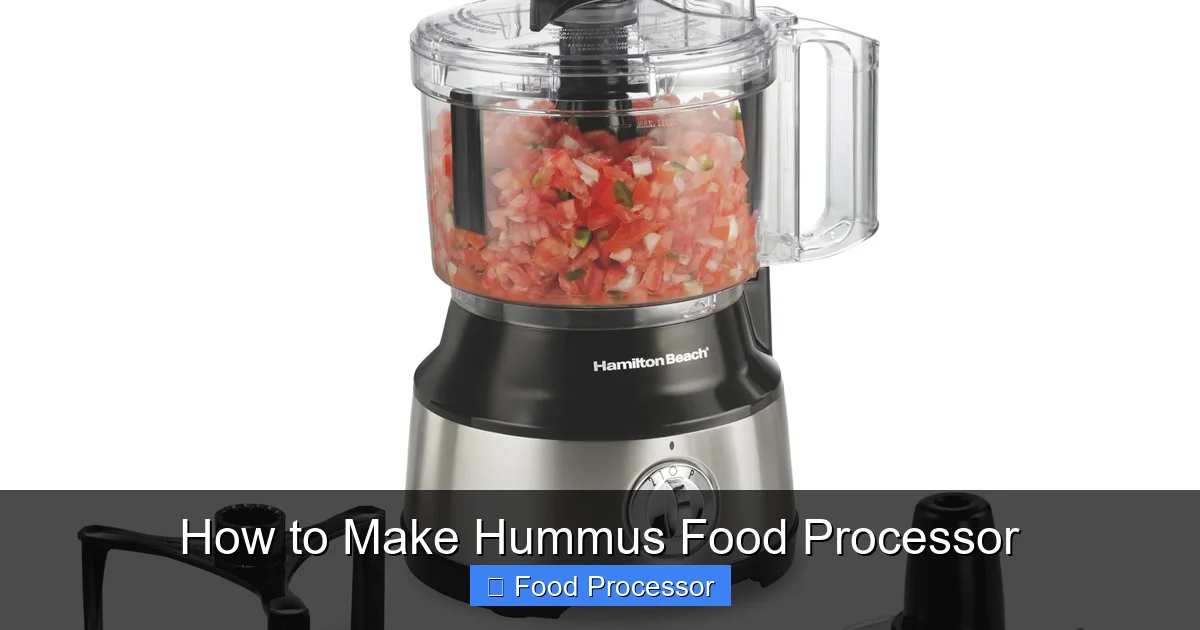
Before you add any ingredients, make sure your food processor is properly set up. Attach the S-blade (also known as the chopping blade) to the central spindle in the bowl. Then secure the bowl to the base, and finally, attach the lid. If you’re new to using this appliance, you might find our guide on How To Assemble Food Processor Step By Step helpful.
Step 3: Process the Tahini and Lemon Juice
This is the secret to an incredibly light and fluffy hummus!
Combine Tahini and Lemon Juice
Add the tahini and fresh lemon juice to the bowl of your food processor. Add a pinch of salt now too.
Process Until Light and Fluffy
Process the tahini and lemon juice for 1-2 minutes continuously. What you’re looking for is a transformation: the mixture will initially be thick, but it will gradually lighten in color and consistency, becoming pale and almost mousse-like. It might even seize up a little at first, but keep going. The acid in the lemon juice works with the tahini to create this magical emulsion. Scrape down the sides of the bowl with a spatula once or twice during this process to ensure everything is well combined.
Step 4: Add Garlic and Chickpeas
Now it’s time for the core ingredients.
Add Garlic
Drop the minced garlic into the tahini mixture. Pulse a few times to incorporate the garlic thoroughly. This helps distribute the garlic flavor evenly without overwhelming the hummus.
Add Chickpeas and Remaining Salt
Add the drained (and peeled, if you opted for it) chickpeas to the food processor. Add the remaining salt and any optional ground cumin at this stage. Close the lid.
Step 5: Achieve Creaminess with Ice Water
This step is critical for a smooth, airy texture.
Process and Drizzle Ice Water
Turn on your food processor and let it run, processing the chickpea mixture. While it’s running, slowly drizzle in the very cold ice water through the feed tube. Add it tablespoon by tablespoon, watching the texture change. The cold water helps to lighten the mixture, making it incredibly smooth and fluffy. You might need anywhere from 1/4 to 1/2 cup of water, depending on the dryness of your chickpeas and your desired consistency. Some people even throw in a couple of ice cubes directly into the mix! Continue processing for 3-5 minutes, scraping down the sides every minute or so, until the hummus is incredibly smooth and creamy. Don’t be afraid to let your food processor run for a bit; longer processing often leads to a smoother result. For general tips on maximizing your appliance’s potential, consider exploring our guide on How To Get The Most Out Of Your Food Processor.
Step 6: Taste and Adjust
This is where you make the hummus truly yours!
Sample and Refine
Stop the food processor and taste a spoonful of your hummus. Does it need more salt? A little more lemon juice for brightness? Perhaps another clove of garlic for a bigger kick? Adjust as needed, processing for a few more seconds after each addition to fully incorporate the new flavors. Remember, the flavors will meld and often deepen as the hummus chills.
Step 7: Serve and Store
Almost there! Time to enjoy your creation.
Transfer and Drizzle
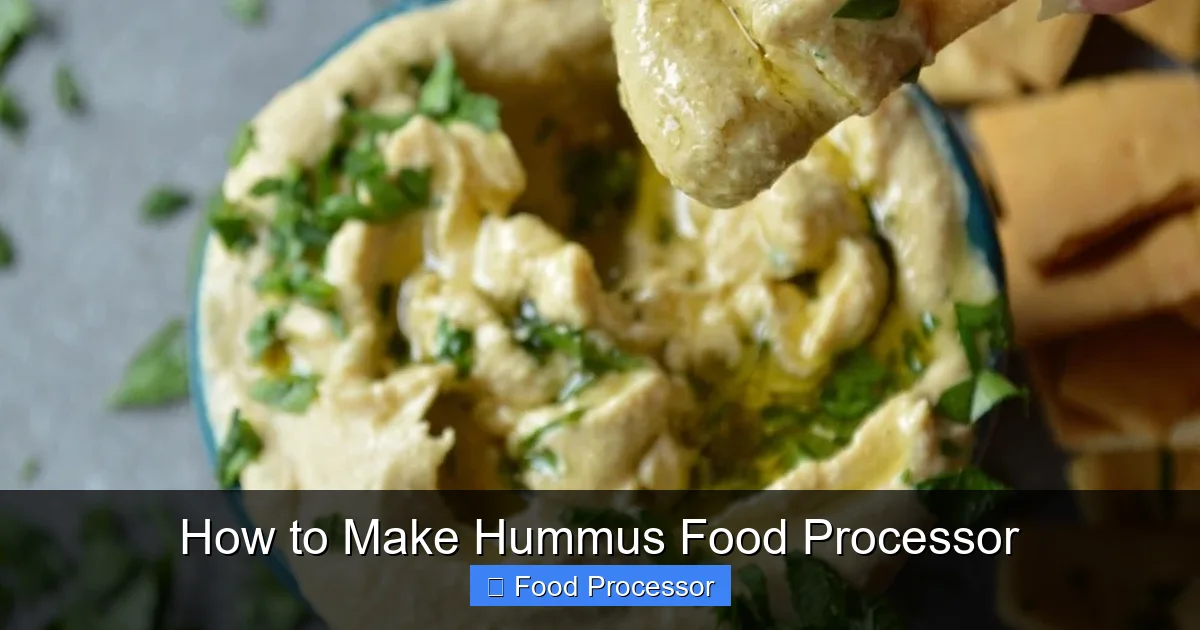
Spoon the finished hummus into a serving bowl. Use the back of a spoon to create a nice swirl or well in the center. Drizzle generously with good quality extra virgin olive oil. Garnish with a sprinkle of paprika, sumac, chopped parsley, or toasted pine nuts, if desired.
Chill Before Serving
For the best flavor and texture, cover the bowl and chill the hummus in the refrigerator for at least 30 minutes to an hour before serving. This allows the flavors to meld beautifully. Homemade hummus will last for 4-5 days in an airtight container in the refrigerator.
Practical Tips for Hummus Perfection
- Don’t Rush the Tahini Step: That initial blend of tahini and lemon juice is critical. It creates the foundational emulsion for creamy hummus.
- High-Quality Tahini Matters: A thin, runny tahini made from Ethiopian sesame seeds often yields the best results. If your tahini is very thick, you might need a little extra lemon juice or water to get it moving.
- Warm Chickpeas: If you’re cooking chickpeas from scratch, processing them while they’re still warm (but not hot) can help them break down more easily into a smoother paste.
- Be Patient with Processing: Don’t be afraid to let your food processor run for several minutes, especially after adding the chickpeas and water. The more it processes, the smoother your hummus will become. Just make sure you’re not running it continuously for an excessively long time without a break to avoid overheating, which can sometimes impact the motor’s longevity. For guidance on processor usage, you might find our article on How Long Can You Leave A Food Processor Running quite useful.
- Customize Your Flavors: Feel free to experiment! Add roasted red peppers for a different twist, a pinch of cayenne for heat, or fresh herbs like cilantro or basil.
- Serving Suggestions: Hummus is fantastic with pita bread, fresh vegetables (carrots, cucumber, bell peppers), crackers, or as a spread in sandwiches and wraps.
Troubleshooting Common Hummus Issues
Even with the best instructions, sometimes things don’t go exactly as planned. Here are some common issues and how to fix them:
My Hummus is Too Thick/Gritty
This is often the most common complaint. The solution is simple: add more ice water, one tablespoon at a time, while the food processor is running. Continue processing for another 1-2 minutes after each addition, scraping down the sides. If it’s still gritty, it likely needs more processing time. Keep going! Also, ensure your chickpeas were cooked very tender, or try peeling them next time.
My Hummus is Too Runny
If you’ve accidentally added too much liquid, you can try adding a few more cooked chickpeas (or even a tablespoon of tahini) and processing again to thicken it up. Another trick is to let it chill in the refrigerator for a few hours; it often thickens slightly as it cools.
My Hummus Tastes Bland
Blandness usually means it needs more seasoning. Add a little more salt, a squeeze of fresh lemon juice, or even an extra clove of garlic (minced, then processed in). A pinch of cumin can also deepen the flavor profile significantly.
My Hummus Tastes Bitter
Bitterness can often come from old or poor-quality tahini, or sometimes from too much garlic, especially if it’s been over-processed to the point of turning greenish. If it’s the tahini, there’s not much to do but try a different brand next time. If it’s garlic, try balancing it with more lemon juice and salt. You can also try adding a tiny pinch of sugar to counteract bitterness, though use sparingly.
My Food Processor Blade Isn’t Spinning
If your food processor isn’t performing as expected, it can be frustrating. Ensure the bowl and lid are correctly locked into place. Most food processors have safety mechanisms that prevent them from operating if not assembled correctly. If you encounter this issue, our guide on How To Fix Food Processor Blade Not Spinning offers some helpful troubleshooting steps.
Conclusion
There you have it! A comprehensive guide on how to make hummus food processor style, transforming simple ingredients into a creamy, flavorful dip that rivals any restaurant. With a little practice and attention to these steps, you’ll be a hummus master in no time. The joy of dipping into a fresh, homemade batch is truly unparalleled. So go ahead, dust off your food processor, gather your ingredients, and get ready to enjoy the rich, satisfying taste of your very own hummus creation. Happy blending!
