

Wondering, “Can you put food processor in dishwasher?” The answer is often yes, but only for certain parts. Most modern food processor bowls, lids, and blades are designed to be dishwasher safe, usually on the top rack. However, the motor base should absolutely *never* go in the dishwasher. Always check your user manual and look for “dishwasher safe” symbols to prevent damage and ensure your food processor lasts longer.
Can You Put Food Processor in Dishwasher?
After whipping up a delicious pesto, shredding a pile of cheese, or mixing a batch of dough, the last thing you want to do is face a sink full of dirty dishes. That’s why the question, “Can you put food processor in dishwasher?” is a common one for many home cooks. The good news is that for most modern food processors, the answer is often “yes,” but with some important caveats.
This comprehensive guide will walk you through everything you need to know about safely cleaning your food processor in the dishwasher. We’ll cover which parts are safe, which are absolutely not, how to properly load your machine, and what precautions to take to keep your appliance in top working condition for years to come. By the end of this article, you’ll be a pro at making cleanup a breeze without risking damage to your valuable kitchen helper.
Key Takeaways
- Check Your Manual First: Always refer to your food processor’s user manual as the definitive guide for which parts are dishwasher safe. This prevents damage and voids any warranty.
- Motor Base is NEVER Dishwasher Safe: The electronic motor base must *always* be kept away from water and cleaned only with a damp cloth. Submerging it or putting it in a dishwasher will destroy the appliance.
- Most Removable Parts ARE Dishwasher Safe: Typically, the work bowl, lid, pusher, and blades are designed to be cleaned in the dishwasher, usually on the top rack. Look for specific “dishwasher safe” symbols.
- Use the Top Rack and Gentle Cycles: To prevent warping, discoloration, or damage to plastic components and sharp blades, place parts on the top rack and use a gentle, low-heat, or air-dry cycle.
- Pre-Rinse and Disassemble: Before loading, scrape off large food particles and fully disassemble your food processor. This ensures a thorough clean and prevents food from baking onto surfaces.
- Beware of Older or Delicate Models: Older food processors or those with delicate finishes (like painted markings) might be better off hand-washed, even if marked “dishwasher safe.” High heat can still cause issues over time.
Understanding Your Food Processor’s Dishwasher Safety
The first and most crucial step in determining if you can put food processor parts in the dishwasher is to understand what your specific model allows. Not all food processors are created equal, and what’s safe for one might damage another.
Read the User Manual
Your food processor’s user manual is your best friend. Manufacturers provide detailed instructions for cleaning and care, including specific guidance on dishwasher safety for each component. Take a few minutes to consult it. It will tell you exactly which parts are dishwasher safe, whether they should go on the top or bottom rack, and any special cycle recommendations. Don’t skip this step; it’s the most reliable source of information.
Look for Dishwasher Safe Symbols
If you’ve misplaced your manual (it happens to the best of us!), look for universal symbols on the food processor parts themselves.
- Dishwasher Safe Symbol: This often looks like a dishwasher with dishes or glasses inside, sometimes with water droplets. If it also specifies “top rack only,” it’s usually indicated.
- No Dishwasher Symbol: A crossed-out dishwasher symbol means the part is *not* safe for the dishwasher.
- Material Markings: Sometimes, plastic parts might have recycling codes. Generally, plastics like polypropylene (PP) and high-density polyethylene (HDPE) are more heat-resistant and thus more likely to be dishwasher safe than softer plastics.
Material Matters: What Your Food Processor is Made Of
The materials used in your food processor parts play a huge role in their dishwasher safety.
- Plastics: Many modern food processor bowls and lids are made from durable, heat-resistant plastics. However, prolonged exposure to high heat, especially on the bottom rack, can still cause warping, clouding, or cracking over time.
- Metals: Blades are typically made of stainless steel, which is generally dishwasher safe. However, abrasive detergents and high heat can dull the blades or, in rare cases, lead to rust spots, especially if other metallic items (like cast iron) are also in the wash.
- Rubber/Silicone: Seals and gaskets are often made of silicone or rubber. These are usually dishwasher safe, but high heat can degrade them over time, leading to cracks or loss of elasticity, which can cause leaks.
- Electronics/Motor: This is the most critical part. The motor base contains electrical components and is *never* dishwasher safe. Exposure to water will cause irreparable damage and poses an electrical hazard.
Components of a Food Processor: What Goes Where?
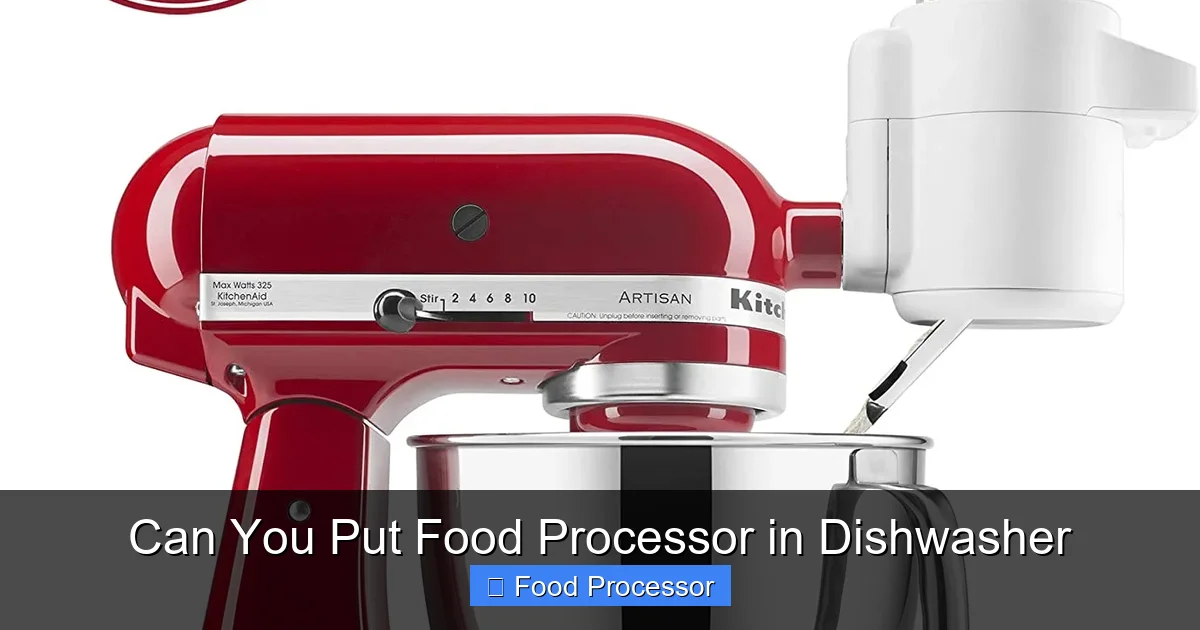
Visual guide about Can You Put Food Processor in Dishwasher
Image source: grindiit.com
Let’s break down your food processor into its individual components and discuss their typical dishwasher safety.
The Motor Base: Handwash ONLY!
This cannot be stressed enough: the motor base, the heaviest part of your food processor, which houses the motor and controls, is never dishwasher safe. It should also never be submerged in water. To clean it, simply wipe it down with a damp cloth and a mild soap solution, then dry it thoroughly. Ensure it’s unplugged before cleaning.
The Work Bowl and Lid
These are the most frequently used parts and, thankfully, are usually dishwasher safe.
- Work Bowl: Most plastic or glass work bowls from reputable brands are designed to withstand dishwasher cycles. Always place them on the top rack to protect them from the intense heat of the heating element typically found at the bottom of the dishwasher.
- Lid: Similar to the work bowl, the lid, often made of plastic, should also go on the top rack. Ensure any attached feed tubes or pushers are separated if possible, or positioned so water can reach all surfaces.
Blades and Discs
The sharp metal blades and various slicing/shredding discs are typically made of stainless steel.
- Blades: The S-blade (chopping blade) and dough blade are generally dishwasher safe. Place them securely in the utensil basket or in dedicated slots on the top rack. Be extremely careful when handling them due to their sharpness.
- Discs: Slicing, shredding, and grating discs are also usually dishwasher safe. Lay them flat on the top rack, ensuring they are stable and won’t get dislodged during the wash cycle.
For more detailed information on cleaning specific components, you might find our guide on Can You Put Food Processor Parts In The Dishwasher helpful.
Pushers and Other Accessories
The food pusher, often a smaller plastic piece, and any other minor attachments like spatulas or cleaning brushes, are almost always dishwasher safe. Place these on the top rack as well, in a secure position.
How to Safely Put Dishwasher-Safe Food Processor Parts in the Dishwasher
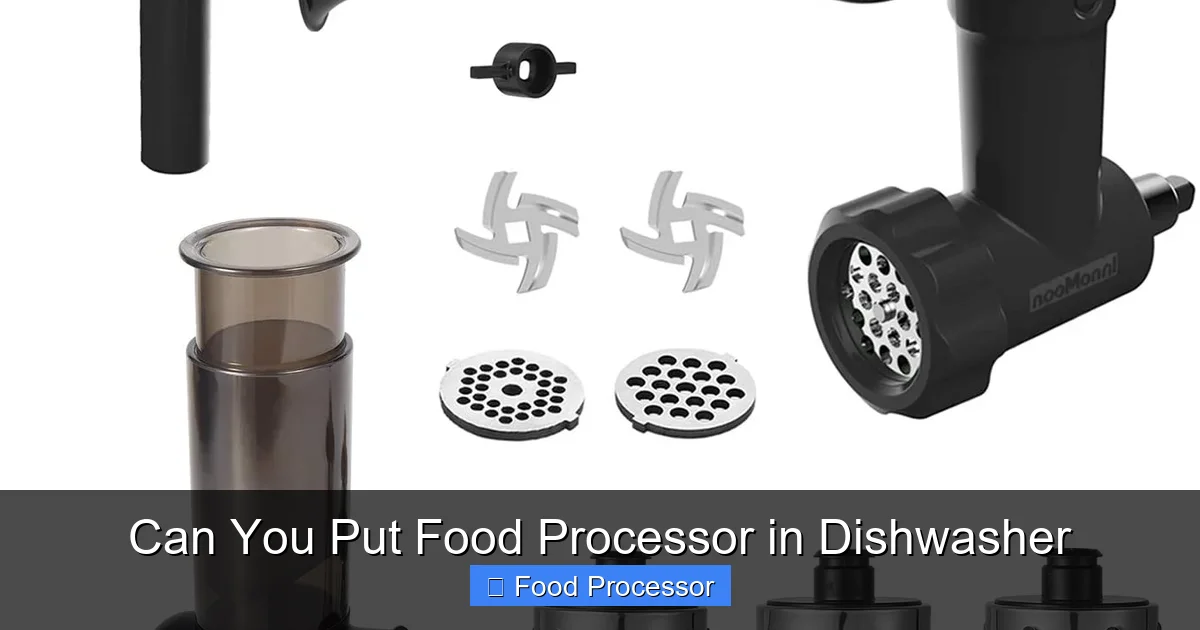
Visual guide about Can You Put Food Processor in Dishwasher
Image source: grindiit.com
Once you’ve confirmed which parts are safe, follow these steps for an effective and safe cleaning process.
Step 1: Disassemble Your Food Processor
Before cleaning, always unplug your food processor and fully disassemble all removable parts. This includes removing the work bowl, lid, pusher, and all blades or discs from the motor base. Be very careful with sharp blades. If you need a refresher on how to take apart your appliance, consult your manual or check out resources on how to assemble a food processor step by step – the disassembly is often the reverse.
Step 2: Scrape Off Large Food Debris
Even if your food processor parts are dishwasher safe, it’s a good practice to scrape off any large chunks of food before loading them. This prevents food particles from clogging your dishwasher filter, being redeposited on other dishes, or baking onto your food processor parts during the drying cycle. A spatula or a stiff brush works well for this. For example, if you’ve been working with sticky dough or chopping vegetables, make sure to remove as much residue as possible.
Step 3: Load Parts Properly
Proper loading is key to ensuring a thorough clean and preventing damage.
Top Rack for Bowls and Lids
Always place plastic work bowls and lids on the top rack of your dishwasher. The bottom rack’s heating element can expose plastic to extremely high temperatures, leading to warping, melting, or discoloration. Ensure they are positioned so water jets can reach all surfaces. Avoid placing them face down if it creates a pocket that fills with water.
Secure Blades and Discs
Sharp blades and discs need to be secured to prevent them from moving around during the wash cycle, which could damage other dishes, the dishwasher itself, or dull the blades.
- S-blade: Place it in the utensil basket with the sharp edge pointing down, if possible, or securely lay it flat on the top rack.
- Discs: Lay slicing and shredding discs flat on the top rack, ensuring they are stable and won’t flip over.
Handle all blades with extreme caution.
Avoid Overcrowding
Don’t jam your food processor parts into an already full dishwasher. Overcrowding prevents water and detergent from reaching all surfaces, resulting in a less effective clean. It can also cause parts to rub against each other, potentially causing scratches or damage.
Step 4: Choose the Right Cycle and Detergent
While many food processor parts are dishwasher safe, using a gentler approach can extend their lifespan.
- Gentle or Normal Cycle: Opt for a “gentle,” “light,” or “normal” wash cycle rather than heavy-duty or sanitize cycles, especially for plastic parts.
- Low Heat or Air Dry: If your dishwasher has a heated dry option, consider turning it off or using an “air dry” setting. High heat from the drying cycle is a common culprit for warping and clouding of plastic components. If you must use heated dry, make sure it’s on the lowest possible setting.
- Mild Detergent: Use your regular dishwasher detergent, but avoid overly abrasive or harsh chemical cleaners, as these can affect finishes over time.
Step 5: Air Dry if Possible
Once the wash cycle is complete, if you’ve used a heated dry, you might want to open the dishwasher door to allow the food processor parts to air dry completely. This further reduces the risk of heat-related damage and helps prevent water spots. Ensure all parts are thoroughly dry before reassembling or storing to avoid mildew or rust on metal components.
What NOT to Put in the Dishwasher
Reiterating these points is crucial for the longevity of your appliance.
The Motor Base
As mentioned, this is a firm “no.” Water and electronics do not mix. Putting the motor base in the dishwasher will permanently damage it and can be dangerous.
Parts Not Marked “Dishwasher Safe”
If a part isn’t explicitly marked as dishwasher safe, assume it’s not. It’s better to be safe than sorry and handwash it instead. This often applies to older models or specific specialty attachments.
Older, Delicately Constructed Parts
Even if an older food processor part *was* once considered dishwasher safe, years of wear and tear, combined with repeated high-heat cycles, can make it more susceptible to damage. If you have an older model or parts that feel particularly brittle or have delicate painted markings, handwashing is often the safer choice.
Handwashing: The Safest Bet for All Parts
Sometimes, handwashing is simply the best option, even for dishwasher-safe components.
When to Handwash
- Sticky or Greasy Residue: If you’ve processed very sticky or greasy foods (like nut butters or heavy doughs), a quick handwash might be more effective at removing residue than a dishwasher cycle.
- Delicate Items: For any parts you’re unsure about, or if you want to be extra cautious, handwashing offers a gentler clean.
- Quick Cleanup: Sometimes, it’s faster to just handwash a few parts than to wait for a full dishwasher cycle.
How to Handwash Effectively
1. Disassemble: Separate all parts from the motor base.
2. Rinse Immediately: Rinse off as much food residue as possible under running water. This prevents food from drying and sticking.
3. Use Warm Soapy Water: Fill your sink with warm water and a few drops of dish soap.
4. Clean with a Brush/Sponge: Use a soft sponge or a brush (especially helpful for tough-to-reach crevices) to clean the work bowl, lid, and other parts. For blades, use extreme caution; consider a bottle brush or specialized blade cleaning brush, or simply rinse carefully under running water, avoiding direct contact with the sharp edge.
5. Rinse Thoroughly: Rinse all parts under clean, running water to remove all soap residue.
6. Dry Completely: Air dry on a rack or towel dry with a clean cloth before reassembling or storing. This prevents water spots and ensures no moisture is trapped.
Troubleshooting Common Dishwasher-Related Issues
Even with careful adherence to guidelines, issues can sometimes arise when you put food processor parts in the dishwasher.
Cloudy or Discolored Plastic
This is often caused by heat or harsh detergents. To minimize this, always use the top rack, a gentle cycle, and avoid heated drying. For existing cloudiness, try soaking in white vinegar or a baking soda paste, though results may vary.
Rust Spots on Blades
While stainless steel is rust-resistant, it’s not entirely rust-proof. This can happen if blades are left wet for too long, if hard water stains, or if they come into contact with certain other metals in the dishwasher. To prevent, dry blades immediately after washing, especially if handwashing. If rust spots appear, you can sometimes remove them with a rust eraser or a paste of baking soda and water, but be gentle.
Rubber Seal Damage
High heat can cause rubber or silicone seals on lids or bowls to stiffen, crack, or lose their elasticity, leading to leaks. Always use lower heat settings or air dry. If a seal is damaged, check if replacement parts are available from your food processor’s manufacturer.
Warping
Excessive heat, especially from the bottom rack or high-heat drying cycles, is the primary cause of plastic warping. Once plastic warps, it usually can’t be easily fixed and the part may no longer fit correctly or seal properly. Prevention is key: stick to the top rack and air dry.
Tips for Maximizing Food Processor Longevity
Taking a few extra steps can significantly extend the life of your food processor, whether you choose to handwash or put food processor parts in the dishwasher.
Pre-rinse Immediately
Rinsing or scraping food residue off immediately after use prevents it from drying and hardening, making cleaning much easier regardless of the method.
Prioritize the Top Rack
Even if a plastic part is “dishwasher safe,” the top rack is always the safest place for it due to lower heat exposure.
Opt for Gentle Cycles
When possible, choose less intense wash and dry cycles. This reduces stress on plastic, rubber, and even metal components.
Regular Inspection
Periodically inspect your food processor parts for any signs of wear, such as cracks, dull blades, or degraded seals. Replacing these small parts can prevent bigger problems down the line.
Proper Storage
Once clean and dry, store your food processor parts properly. Keep blades in their designated storage containers or safely tucked away. Ensure all parts are completely dry before stacking to prevent moisture buildup and potential mold or mildew.
Conclusion
So, can you put food processor in dishwasher? Yes, for most of the removable parts, but with careful consideration. The key takeaways are simple: never put the motor base in the dishwasher, always check your user manual, prioritize the top rack for plastic components, and use gentler wash and dry cycles. By following these guidelines, you can enjoy the convenience of your dishwasher for cleanup while protecting your valuable food processor from damage, ensuring it continues to be a reliable kitchen workhorse for many meals to come. Happy processing and easy cleaning!
