

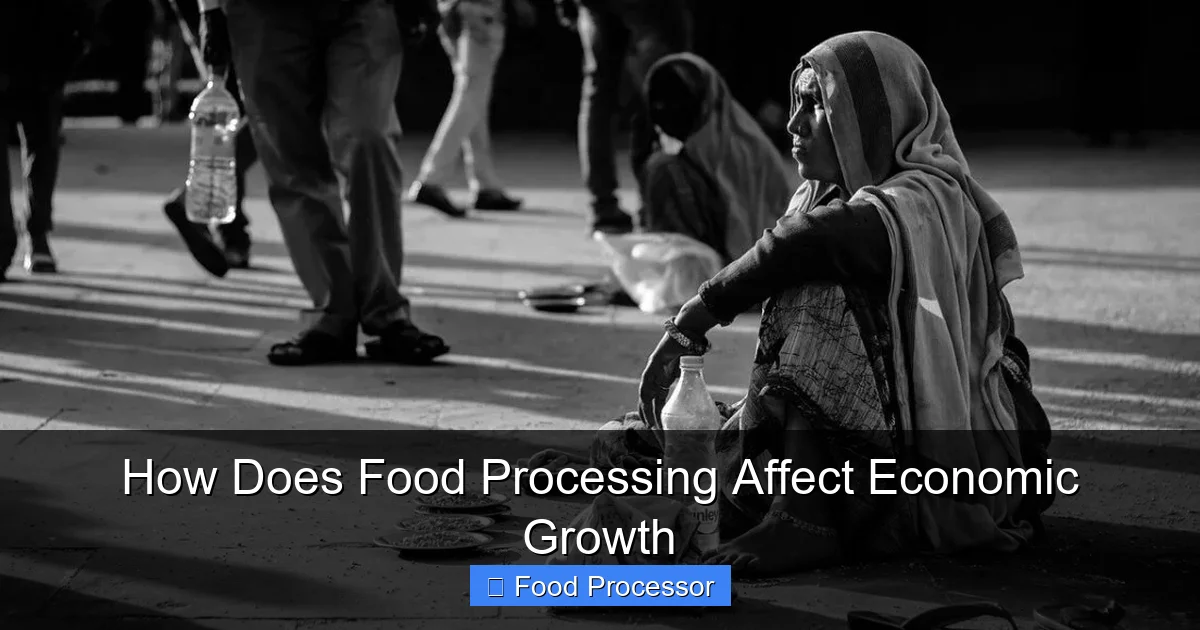
Food processing plays a pivotal role in economic growth by transforming raw agricultural products into value-added goods. This sector creates millions of jobs, from farming to manufacturing and retail, and significantly reduces post-harvest losses, improving food security. By extending shelf life and enabling diverse product offerings, food processing not only stimulates domestic consumption but also boosts exports, driving industrialization and rural development.
How Does Food Processing Affect Economic Growth
Have you ever stopped to think about the journey your food takes from the farm to your plate? It’s rarely a direct path. Most of what we eat, from breakfast cereal to frozen vegetables, has undergone some form of food processing. But did you know that this transformation isn’t just about making food tastier or more convenient? It’s a huge engine for economic growth, shaping economies, creating jobs, and improving lives around the globe.
In this comprehensive guide, we’re going to dive deep into the fascinating world of food processing and explore its profound impact on economic development. We’ll unpack how it adds value, creates jobs, enhances food security, and boosts trade. Whether you’re a student, an entrepreneur, a policymaker, or just curious, you’ll learn exactly how this vital sector fuels national prosperity. Let’s get started!
Key Takeaways
- Value Addition and Increased Revenue: Food processing transforms raw agricultural produce into higher-value products, commanding better prices and generating greater revenue for farmers, manufacturers, and the national economy.
- Job Creation Across the Value Chain: The industry creates extensive employment opportunities, from agricultural production and processing plants to logistics, marketing, and retail, significantly contributing to income generation and poverty reduction.
- Enhanced Food Security and Reduced Waste: By extending shelf life and making food safe and accessible, food processing minimizes post-harvest losses and ensures a more stable food supply, especially in regions prone to scarcity.
- Boost to Trade, Exports, and Foreign Exchange: Value-added processed foods are more competitive in international markets, leading to increased exports, diversification of trade, and a valuable inflow of foreign exchange.
- Stimulation of Rural and Industrial Development: Establishing processing units often occurs in rural areas, fostering infrastructure development, local entrepreneurship, and industrial growth, creating economic hubs beyond urban centers.
- Innovation and Technological Advancement: The demand for efficient and innovative processing methods drives research and development, leading to advancements in food science, packaging, and equipment, benefiting the entire manufacturing sector.
- Diversification of Agricultural Income: Farmers gain new market avenues for their produce, reducing reliance on fresh commodity markets and providing more stable and varied income streams.
Step 1: Understanding the Scope of Food Processing
Before we can appreciate its economic impact, it’s crucial to understand what food processing really is. It’s not just about ultra-processed snacks. Food processing involves any operation that alters food from its raw state. This can range from very simple actions to highly complex industrial processes.
Minimal vs. Extensive Processing
Think of minimal processing like washing vegetables, milling flour, or pasteurizing milk. These steps make food safer or easier to use without dramatically changing its nutritional profile. On the other hand, extensive processing involves creating new products from raw ingredients, like baking bread, making cheese, canning fruits, or producing ready-to-eat meals. Both types of food processing are incredibly important. Knowing how to tell the difference between these levels can sometimes be tricky. If you’re wondering how do you know if a food has minimal processing, it generally retains most of its original characteristics and nutrients, often just cleaned, cut, or packaged for convenience.
The Food Processing Industry is Diverse
This sector includes everything from small, local bakeries to multinational corporations producing packaged goods. It covers dairy products, meats, fruits, vegetables, grains, beverages, and much more. The sheer breadth of this industry means its economic influence is widespread and touches almost every other sector.
Step 2: How Food Processing Boosts Value Chains
One of the most direct ways food processing affects economic growth is by adding value to raw agricultural products. This process transforms inexpensive commodities into higher-priced goods, which creates more income for everyone involved.
From Raw Material to High-Value Product
Imagine a farmer growing tomatoes. Selling fresh tomatoes directly might fetch a certain price. But what if those tomatoes are processed into canned diced tomatoes, tomato paste, or ketchup? Each step of this transformation adds value. The processing itself, the packaging, branding, and distribution all contribute to a higher final price. This increased value translates into more revenue for the processing companies, better prices for farmers who supply quality produce for processing, and more tax revenue for the government.
Visual guide about How Does Food Processing Affect Economic Growth
Image source: 0.academia-photos.com
Increased Profit Margins
Processed foods often have much higher profit margins compared to raw agricultural commodities. This encourages investment in the sector, leading to more sophisticated facilities, better technology, and ultimately, a more robust economy. This cycle of value addition is a cornerstone of industrial development.
Step 3: Creating Jobs and Livelihoods
The food processing industry is a massive employer, generating jobs at every stage of the supply chain. This job creation is a powerful driver of economic growth and poverty reduction.
Direct Employment in Factories
Think about the people who work in food processing plants. They operate machinery, manage quality control, package products, and handle logistics. These are direct manufacturing jobs that provide stable incomes and often require a range of skills, from entry-level to highly specialized roles.
Visual guide about How Does Food Processing Affect Economic Growth
Image source: sourceessay.com
Indirect Employment Boost
The impact doesn’t stop at the factory gates. Food processing supports numerous indirect jobs:
- Agricultural Sector: Farmers need to produce specific types and quantities of crops for processing, creating demand and ensuring a stable market for their produce.
- Transportation and Logistics: Raw materials need to be moved to factories, and finished products need to be distributed to retailers. This requires truckers, warehouse staff, and logistics managers.
- Packaging Industry: Processed foods need packaging, driving demand for plastics, glass, paper, and metal manufacturers.
- Equipment Manufacturing: The industry relies on specialized machinery, creating jobs for engineers and manufacturing workers who build and maintain food processing equipment.
- Marketing and Sales: Promoting and selling processed foods creates jobs in advertising, sales, and retail.
- Research and Development: Food scientists, nutritionists, and engineers are employed to develop new products, improve existing ones, and ensure food safety.
This extensive network of job creation significantly contributes to a nation’s Gross Domestic Product (GDP) and improves the living standards of its citizens.
Step 4: Enhancing Food Security and Availability
Food processing plays a critical role in ensuring that people have consistent access to safe and nutritious food, which is fundamental to a stable and growing economy.
Reducing Post-Harvest Losses
A significant portion of agricultural produce spoils before it can be consumed, especially in developing countries. Food processing helps dramatically reduce these losses by preserving perishables through canning, freezing, drying, or other methods. This means more food makes it to market and less goes to waste, making the food supply more efficient and reliable.
Extending Shelf Life and Accessibility
Processed foods have a longer shelf life, allowing them to be transported further and stored for longer periods. This makes a wider variety of foods available year-round, even in regions far from agricultural hubs or during off-seasons. This consistent availability prevents price volatility and contributes to national food security. The careful practices involved in food purchasing, processing, and preservation are key to this stability.
Fortification and Nutrition
Many processed foods are fortified with essential vitamins and minerals (like iodine in salt or iron in flour) to combat nutritional deficiencies in populations. This improves public health, leading to a more productive workforce and reduced healthcare costs, both positive impacts on the economy.
Step 5: Driving Innovation and Technology Adoption
The competitive nature of the food processing industry constantly pushes for innovation, which in turn spurs technological advancement across various sectors.
Investing in Research and Development
Companies invest heavily in R&D to develop new products, improve processing techniques, enhance food safety, and create more sustainable practices. This leads to breakthroughs in food science, engineering, and packaging technology.
Adoption of Advanced Machinery
Modern food processing requires sophisticated machinery and automation. This drives demand for equipment manufacturers and encourages the adoption of advanced robotics, sensors, and data analytics within the industry. For instance, using a commercial food processor allows for efficient large-scale production, a significant step up from manual preparation. Learning what are the advantages of a food processor at an industrial scale highlights how these machines contribute to productivity and consistency in output.
Skills Development
Operating and maintaining these advanced technologies requires a skilled workforce, leading to investments in education and training programs. This elevates the overall skill level of the labor force, benefiting other industries as well.
Step 6: Boosting Trade and Exports
Processed foods are often more amenable to international trade than raw agricultural commodities. This opens up new markets and generates foreign exchange, crucial for a nation’s economic health.
Diversifying Export Portfolios
Countries can move beyond exporting raw materials and instead export value-added processed foods. This diversifies their export portfolio, making them less vulnerable to fluctuations in commodity prices. For example, exporting canned fruit instead of fresh fruit provides more revenue and market stability.
Accessing International Markets
Processed foods meet international quality and safety standards more easily, allowing them access to lucrative global markets. This creates demand for domestic products and brings in foreign currency, which can be used to import essential goods or invest in other sectors.
Attracting Foreign Direct Investment (FDI)
A thriving food processing sector can attract foreign companies looking to establish production facilities or partnerships. FDI brings capital, technology, and management expertise, further boosting economic growth.
Step 7: Fostering Rural Development and Industrialization
The presence of food processing facilities often has a transformative effect on rural areas, driving broader industrialization.
Stimulating Rural Economies
Many processing plants are located close to agricultural production areas. This provides local farmers with a stable market for their produce, reduces transportation costs, and creates non-farm employment opportunities for rural populations. It helps stem rural-to-urban migration by offering economic prospects in rural settings.
Developing Infrastructure
Setting up and operating processing plants often necessitates improvements in local infrastructure, such as roads, electricity, water supply, and communication networks. These infrastructure upgrades benefit the entire community and facilitate further economic development.
Spurring Ancillary Industries
A food processing hub can foster the growth of supporting industries, like packaging suppliers, cold storage facilities, equipment repair services, and even local restaurants catering to workers. This creates a mini-economic ecosystem.
Step 8: Addressing Challenges and Maximizing Benefits
While the economic benefits are clear, maximizing the positive impact of food processing requires addressing certain challenges.
Ensuring Sustainability
Food processing can be resource-intensive, requiring significant water and energy. Sustainable practices, such as waste reduction, energy efficiency, and responsible sourcing, are vital to ensure long-term economic and environmental viability. Governments and companies must invest in green technologies and processes.
Promoting Healthy Products
Concerns about the health implications of some highly processed foods are valid. Encouraging the industry to innovate healthier options, reduce sugar/salt/unhealthy fats, and provide clear nutritional labeling can help ensure that economic growth from food processing aligns with public health goals.
Supporting Small and Medium Enterprises (SMEs)
SMEs often face hurdles like access to finance, technology, and markets. Policies that support these smaller players through subsidies, training, and easier access to credit can broaden the economic benefits of food processing and foster local entrepreneurship.
Maintaining Food Safety Standards
Strict regulatory frameworks and robust inspection systems are essential to ensure the safety and quality of processed foods. This protects consumers and maintains the industry’s reputation, especially for exports.
Conclusion
The impact of food processing on economic growth is undeniable and far-reaching. It’s a powerhouse that transforms raw agricultural wealth into diverse, high-value products, driving job creation across multiple sectors. From farmers who find stable markets for their produce to factory workers, transporters, and retailers, countless individuals owe their livelihoods to this dynamic industry.
Moreover, food processing champions food security by dramatically reducing waste and extending the availability of nutritious food, even reaching remote areas. It acts as a catalyst for innovation, pushing technological boundaries and fostering sophisticated infrastructure, particularly in rural regions. By enabling nations to diversify their exports and attract foreign investment, it strengthens economic resilience and global competitiveness. While challenges around sustainability and health must be thoughtfully addressed, investing in and strategically developing the food processing sector is a clear pathway to robust and inclusive economic growth for countries worldwide. It truly is a pivotal component of modern economic development.
