

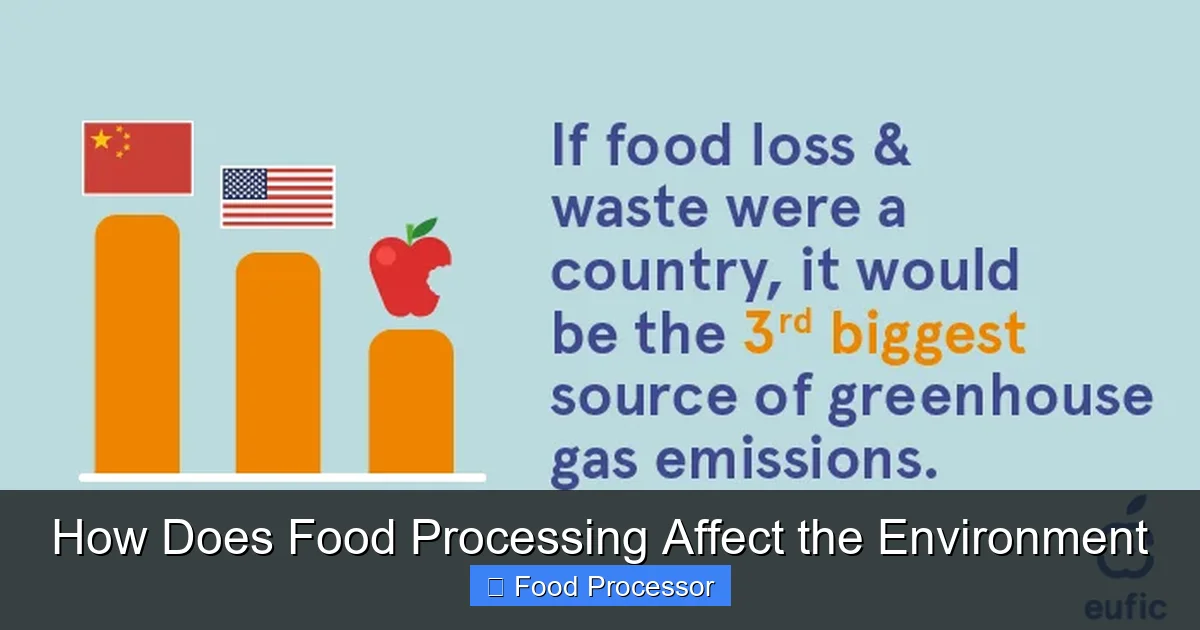
Food processing, while essential for modern food systems, significantly impacts the environment. It consumes vast amounts of energy and water, leading to greenhouse gas emissions and wastewater discharge. The industry also generates substantial food and packaging waste, contributing to landfill issues and resource depletion. Understanding these effects is crucial for developing sustainable practices and making informed consumer choices to mitigate its ecological footprint.
Have you ever stopped to think about the journey your food takes before it reaches your plate? It’s a fascinating and complex path! Most of the food we eat today goes through some form of processing. This isn’t just about big factories; it can be anything from washing and cutting vegetables to baking bread or making a frozen meal. But while food processing brings us convenience, safety, and variety, it also leaves a significant mark on our planet. Understanding how does food processing affect the environment is crucial for anyone who cares about sustainability and the future of our food system.
In this comprehensive guide, we’re going to dive deep into the environmental footprint of food processing. We’ll explore the various stages where impact occurs, from energy and water use to waste generation and emissions. You’ll learn about the challenges faced by the industry and, importantly, what steps can be taken to lessen these impacts. Get ready to uncover the hidden environmental costs and discover how you can contribute to a more sustainable food future.
Key Takeaways
- Significant Energy Consumption: Food processing factories, refrigeration, and transportation demand vast amounts of energy, often derived from fossil fuels, which significantly contributes to greenhouse gas emissions and climate change.
- Intensive Water Usage: From growing raw ingredients to washing, cooking, and cleaning in facilities, food processing is a thirsty industry, leading to water depletion and the generation of contaminated wastewater.
- Massive Waste Generation: Both food waste (from byproducts and spoilage) and packaging waste are enormous issues, straining landfill capacity and depleting valuable resources.
- Impacts on Land Use and Biodiversity: The demand for raw agricultural ingredients drives land conversion, which can lead to deforestation, habitat loss, and a decrease in biodiversity.
- Greenhouse Gas and Air Emissions: Beyond energy use, specific industrial processes can release harmful gases and pollutants into the atmosphere, affecting air quality and global warming.
- Chemical Footprint: The use of various additives, preservatives, and cleaning agents throughout the food processing chain can introduce chemicals into ecosystems if not managed properly.
- Opportunities for Mitigation: Implementing sustainable practices, optimizing resource use, and making conscious consumer choices are vital steps to reduce the overall environmental impact of food processing.
Step 1: Understanding the Energy Footprint of Food Processing
One of the most significant ways food processing affects the environment is through its massive energy demands. Every step, from growing raw materials to getting the finished product to your grocery store, requires energy. This energy often comes from burning fossil fuels, which releases greenhouse gases, contributing to climate change.
From Farm to Factory: Energy in Production
Before any food even enters a processing plant, the energy story begins on the farm. Modern agriculture, which supplies raw ingredients for processing, relies heavily on energy. Think about the fuel needed for tractors, irrigation pumps, and the production of fertilizers and pesticides. Then there’s the energy for harvesting and initial sorting. All these activities contribute to the overall energy burden before a single item is processed.
Processing Operations: Powering the Machines
Once raw ingredients arrive at a processing facility, the real energy-intensive work begins. Imagine a large food factory; it’s a hive of activity! Machines are running constantly for tasks like mixing, grinding, cooking, baking, pasteurizing, freezing, and drying. Each of these processes demands electricity or heat. For example, high-temperature pasteurization of milk, deep-freezing vegetables, or continuous baking of bread all consume enormous amounts of energy. The sheer scale of industrial food processing means these energy demands add up quickly.
Packaging and Transport: The Energy Aftermath
After the food is processed, it needs to be packaged and transported. Packaging materials, whether plastic, glass, metal, or cardboard, require energy to produce. Then, the finished products must be shipped to distribution centers, supermarkets, and eventually to your home. This transportation often involves trucks, trains, ships, and sometimes even planes, all of which burn fuel and release emissions. Even refrigeration during transport and storage at the grocery store adds to the energy use. This entire logistical chain is a critical part of how food processing affects the environment.
Step 2: Water Consumption and Pollution
Water is life, and it’s also a fundamental component of food processing. However, the industry’s heavy reliance on water can lead to both depletion of freshwater resources and significant pollution.
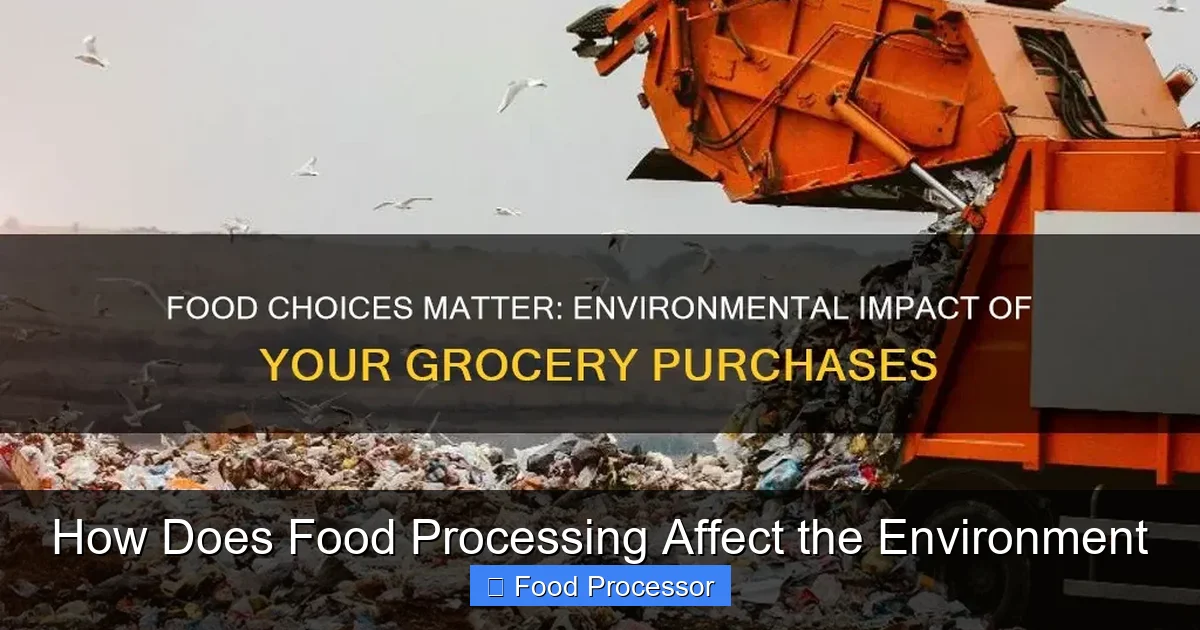
Visual guide about How Does Food Processing Affect the Environment
Image source: shunwaste.com
Thirsty Processes: Water Use in Operations
Food processing plants use water for almost everything. It’s used to wash raw ingredients, for cooking (think boiling, steaming), as an ingredient in many food products, and for cooling machinery. For example, processing vegetables involves multiple washing stages, while beverages like soda or juice are largely water-based. The amount of water needed can be staggering, especially in regions already facing water scarcity. This direct consumption directly shows how food processing affects the environment.
Wastewater: A Source of Contamination
Once water is used in processing, it often becomes wastewater. This wastewater can be heavily laden with organic matter (food particles), fats, oils, greases, cleaning chemicals, and sometimes even pathogens. If not treated properly before being discharged, this wastewater can severely pollute rivers, lakes, and oceans, harming aquatic life and ecosystems. It can also contaminate groundwater, affecting drinking water sources.
Cleaning and Sanitation: More Water, More Waste
Maintaining hygiene is paramount in food processing to ensure food safety. This means regular and thorough cleaning of equipment, floors, and surfaces. Cleaning processes require large volumes of water, often combined with harsh chemical detergents and sanitizers. The runoff from these cleaning operations also contributes to the overall wastewater volume and chemical load, posing another environmental challenge.
Step 3: Waste Generation and Management
Waste is an unavoidable byproduct of human activity, and food processing is no exception. It generates vast amounts of waste at different stages, which significantly impacts our environment.
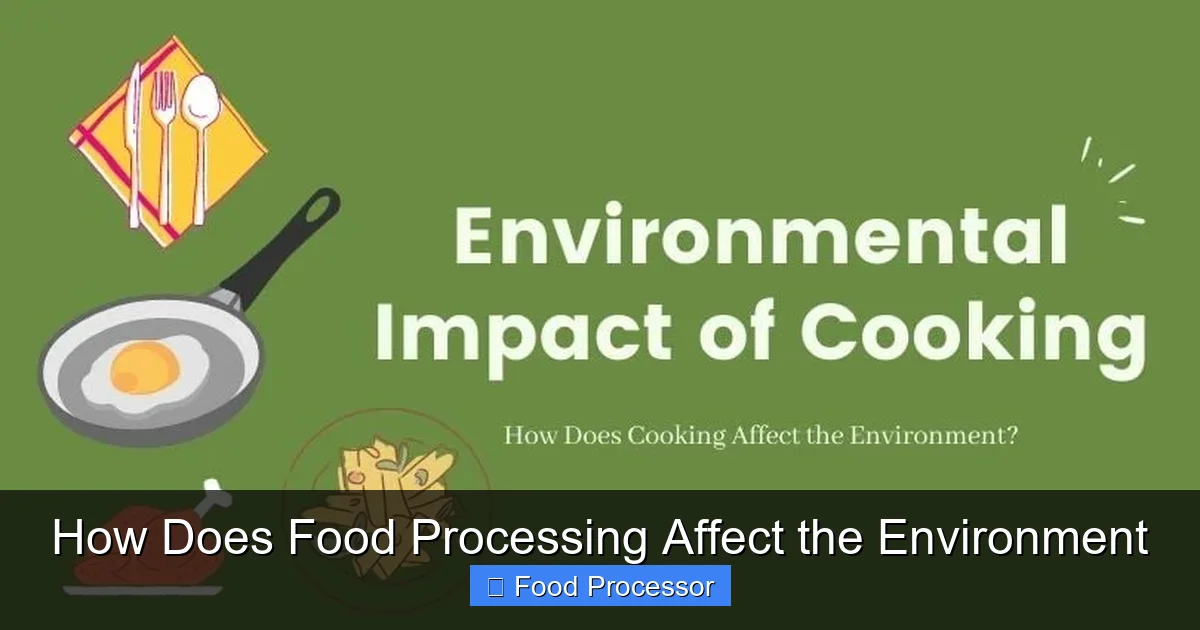
Visual guide about How Does Food Processing Affect the Environment
Image source: get-green-now.com
Food Waste: A Major Byproduct
Food waste within the processing industry occurs for many reasons: raw ingredients that don’t meet quality standards, trimming and peeling, processing errors, or spoilage. While some byproducts can be repurposed (like fruit pulp for animal feed), a substantial amount ends up in landfills. Decomposing food waste in landfills produces methane, a potent greenhouse gas, further illustrating how food processing affects the environment in terms of climate change.
Packaging Waste: Piling Up
From individual wrappers to crates and pallets, packaging is essential for protecting processed food, ensuring shelf life, and providing information. However, this convenience comes at a significant environmental cost. A vast amount of packaging material, much of it single-use plastic, glass, or metal, becomes waste after consumption. Much of this isn’t recycled and ends up in landfills or polluting natural environments, taking hundreds of years to break down. This ongoing challenge is a major concern when we consider the full life cycle of processed foods.
On a related note, understanding food purchasing, processing, and preservation practices can shed more light on why certain packaging choices are made and their implications.
Byproducts and Effluents: Dealing with the Leftovers
Beyond actual food waste, processing often creates other byproducts or effluents that need careful management. These can include sludges from wastewater treatment, discarded processing aids, or other non-food residues. Proper disposal and, where possible, valorization (finding beneficial uses) of these byproducts are critical to minimizing environmental harm. Poor management can lead to land pollution or further contamination of water systems.
Step 4: Land Use and Biodiversity Impact
The scale of food processing necessitates a massive agricultural supply chain, which in turn places significant pressure on land resources and biodiversity.
Agricultural Demands: Land for Ingredients
To feed processing plants, vast tracts of land are dedicated to growing specific crops or raising livestock. This demand can drive deforestation, particularly in regions converting forests or natural habitats into agricultural land. For instance, palm oil processing leads to the clearing of rainforests, impacting unique ecosystems and species. This conversion removes vital carbon sinks and reduces biodiversity, showing another facet of how food processing affects the environment.
Infrastructure Expansion: Factories and Facilities
Food processing plants themselves require land for their facilities, warehouses, and associated infrastructure. While often built in industrial zones, large-scale expansion can still contribute to habitat fragmentation or the loss of agricultural land. The sheer physical footprint of the industry is a factor.
Ecosystem Disruption: Habitats at Risk
The agricultural practices that support food processing, such as monoculture farming (growing a single crop over a large area) and heavy pesticide use, can degrade soil health, reduce natural pest control, and harm pollinators. These practices disrupt local ecosystems, threatening biodiversity and weakening the resilience of natural environments. The interconnectedness of agricultural practices and processing demands means the impact is far-reaching.
Step 5: Emissions and Air Quality
The environmental impact of food processing isn’t just about what you can see; it’s also about what’s in the air around us.
Greenhouse Gases: Fueling Climate Change
As mentioned, the energy consumption of food processing contributes significantly to greenhouse gas emissions, primarily carbon dioxide (CO2) from burning fossil fuels. But it’s not just CO2. Methane (CH4) from decomposing food waste and nitrous oxide (N2O) from agricultural fertilizers (used to grow processing ingredients) are also potent greenhouse gases released throughout the food processing lifecycle. These gases trap heat in the atmosphere, leading to global warming and climate change, a critical answer to how food processing affects the environment globally.
Industrial Emissions: Local Air Pollution
Beyond greenhouse gases, some processing operations can release other airborne pollutants. For example, some cooking processes can release volatile organic compounds (VOCs), and certain refrigeration systems might use refrigerants that are powerful greenhouse gases if leaked. Odors from processing plants, while not always harmful, can also impact the quality of life for nearby communities.
Step 6: Chemical Use and Contamination
Chemicals play various roles in modern food processing, but their improper use or disposal can have serious environmental consequences.
Additives and Preservatives: Chemical Footprint
To enhance flavor, texture, appearance, or shelf life, many processed foods contain additives and preservatives. While regulated for human consumption, the production of these chemicals can be resource-intensive, and their presence in wastewater streams (from washing off excess or discarded products) can affect water quality if not properly managed. The overall chemical lifecycle, from manufacturing to eventual degradation, contributes to the environmental burden.
If you’re wondering how do you know if a food has minimal processing, one indicator can often be a shorter ingredient list with fewer artificial additives.
Cleaning Agents: Environmental Release
We touched on cleaning water earlier, but it’s worth highlighting the chemicals themselves. Factories use a range of detergents, sanitizers, and disinfectants to maintain stringent hygiene standards. While necessary, these chemicals, if not neutralized or treated, can be toxic to aquatic organisms when discharged into waterways. Companies must invest in proper wastewater treatment to remove or break down these agents before release.
Step 7: What Can Be Done? Mitigating the Impact
Understanding how food processing affects the environment is only half the battle. The good news is that there are many ways, both for the industry and for consumers, to reduce these environmental footprints. This isn’t just about troubleshooting existing problems but about proactively building a more sustainable future.
Adopting Sustainable Practices in Industry
- Energy Efficiency: Food processing plants can invest in energy-efficient machinery, optimize production schedules to reduce idle time, and switch to renewable energy sources like solar or wind power.
- Water Conservation: Implementing water-saving technologies, recycling process water where safe and appropriate, and optimizing cleaning-in-place (CIP) systems can drastically cut water use.
- Waste Reduction & Valorization: Industries can adopt lean manufacturing principles to minimize food waste, find alternative uses for byproducts (e.g., composting, animal feed, bioenergy), and implement robust recycling programs for packaging.
- Sustainable Sourcing: Working with suppliers who practice sustainable agriculture, minimize pesticide use, and protect biodiversity can reduce the impact at the farm level.
- Eco-Friendly Packaging: Shifting towards recyclable, compostable, or biodegradable packaging materials, or exploring reusable packaging systems, can reduce landfill waste.
Reducing Waste and Optimizing Resources
The industry needs to focus on a circular economy approach, where waste is viewed as a resource. This means investing in technologies that convert byproducts into valuable commodities, such as turning food waste into biogas or using agricultural residues for bio-based materials. Better inventory management and forecasting can also prevent overproduction and spoilage.
Consumer Choices: Your Role
As consumers, we also have a powerful role to play in shaping the environmental impact of food processing:
- Choose Minimally Processed Foods: Whenever possible, opt for fresh, whole foods that require less industrial processing.
- Reduce Food Waste at Home: Plan meals, store food properly, and use leftovers to minimize what you throw away. This reduces the demand on the entire food supply chain.
- Look for Sustainable Labels: Support brands that commit to environmental sustainability, use renewable energy, or have transparent sourcing policies.
- Recycle Diligently: Make sure you properly recycle food packaging materials according to local guidelines.
- Be Informed: Educate yourself about the origins of your food and the practices of the companies you support. Understanding why is food processing important can help you appreciate the balance needed between convenience and environmental responsibility.
Conclusion
The question of “how does food processing affect the environment” reveals a complex web of interactions, from energy consumption and water pollution to waste generation and land use changes. While essential for feeding a global population, the industry’s environmental footprint is significant and far-reaching. However, this is not a hopeless situation. Through continuous innovation, a commitment to sustainable practices by food processors, and informed choices by consumers, we can collectively work towards mitigating these impacts.
By understanding the challenges, supporting sustainable initiatives, and making conscious decisions about the food we buy and consume, we can help guide the food processing industry towards a more environmentally responsible future. Our choices today will determine the health of our planet for generations to come.
