

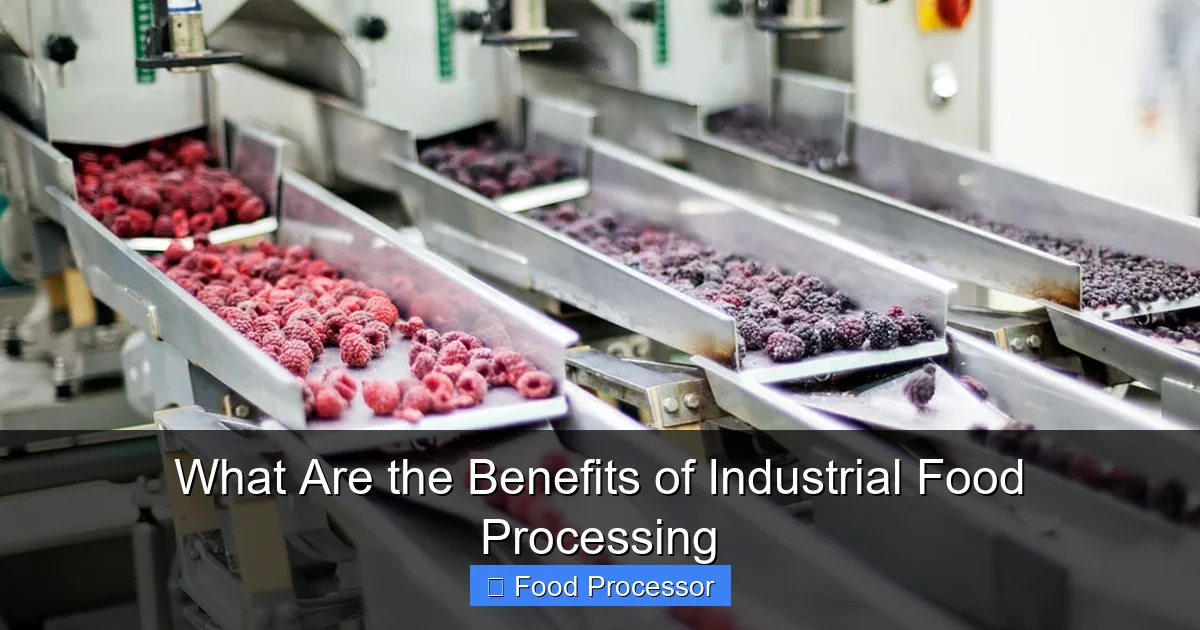
Industrial food processing plays a vital role in our modern food system, offering numerous advantages that often go unnoticed. It significantly enhances food safety by eliminating harmful pathogens and extends shelf life, drastically reducing waste. This vital process also ensures food is widely available and affordable year-round, while often boosting nutritional value through fortification, making healthy options accessible to more people.
What Are the Benefits of Industrial Food Processing
Have you ever stopped to think about where your food comes from, especially beyond the farm gate? Or how it manages to stay fresh for so long, travel great distances, and always be available on store shelves, regardless of the season? The answer, for a significant portion of what we eat, lies in industrial food processing. This isn’t just about creating highly processed junk food, as some might assume. Instead, it encompasses a vast range of techniques and steps that transform raw ingredients into the safe, accessible, and often nutritious products we consume daily.
In this comprehensive guide, we’re going to dive deep into the world of industrial food processing. We’ll explore its many benefits, breaking down how it impacts everything from your health and budget to the sheer variety of food you can enjoy. You’ll learn why this often-misunderstood industry is so crucial to our modern society and global food security. Get ready to discover the advantages that industrial food processing brings to your plate and pantry!
Key Takeaways
- Enhanced Food Safety: Industrial food processing uses methods like pasteurization and sterilization to destroy harmful bacteria and contaminants, making food safer for consumption and significantly reducing the risk of foodborne illnesses.
- Extended Shelf Life & Reduced Waste: Techniques such as canning, freezing, and vacuum-sealing prevent spoilage, allowing food to be stored longer, transported further, and ultimately minimizing food waste at all stages from farm to fork.
- Increased Accessibility & Affordability: By enabling year-round availability of seasonal produce and mass production, industrial processing makes a wider variety of foods accessible and affordable for a diverse global population, overcoming geographical and seasonal limitations.
- Improved Nutritional Value: Many processed foods are fortified with essential vitamins and minerals, addressing dietary deficiencies and enhancing the nutritional profile of everyday staples, such as iodized salt or vitamin D-enriched milk.
- Convenience & Time Saving: Ready-to-eat or pre-prepared processed foods offer significant convenience, saving consumers time and effort in meal preparation, which is crucial for busy lifestyles and promoting healthier eating habits.
- Consistency & Quality Control: Industrial processing ensures a consistent product quality, flavor, and texture. Strict quality control measures are in place to meet consumer expectations and adhere to food safety standards.
- Economic Impact & Innovation: The sector provides countless jobs, supports agricultural economies, and drives innovation in food science, leading to new ingredients, processing techniques, and diverse product offerings that cater to evolving consumer preferences.
Understanding Industrial Food Processing: More Than Meets the Eye
Before we explore the benefits, let’s clarify what industrial food processing actually is. It involves any operation that changes a raw agricultural product from its natural state. This can range from simple tasks like washing, cutting, and packaging fresh produce, to more complex procedures such as pasteurizing milk, canning vegetables, freezing meals, baking bread, or even fortifying cereals with vitamins. The goal is often to enhance safety, extend shelf life, improve taste, or increase convenience. For more on this, it’s worth understanding what is the importance of food processing in our daily lives.
The scale of these operations is what makes them “industrial.” They use specialized equipment and controlled environments to handle large volumes of food efficiently and safely. This scale allows for consistency and cost-effectiveness that wouldn’t be possible with home-based or small-scale processing.
Step 1: Enhanced Food Safety and Preservation
One of the most critical advantages of industrial food processing is its profound impact on food safety and preservation. Historically, food spoilage and foodborne illnesses were rampant. Modern processing techniques have dramatically reduced these risks, making our food supply safer than ever before.
Visual guide about What Are the Benefits of Industrial Food Processing
Image source: industrial.ph
Eliminating Harmful Pathogens
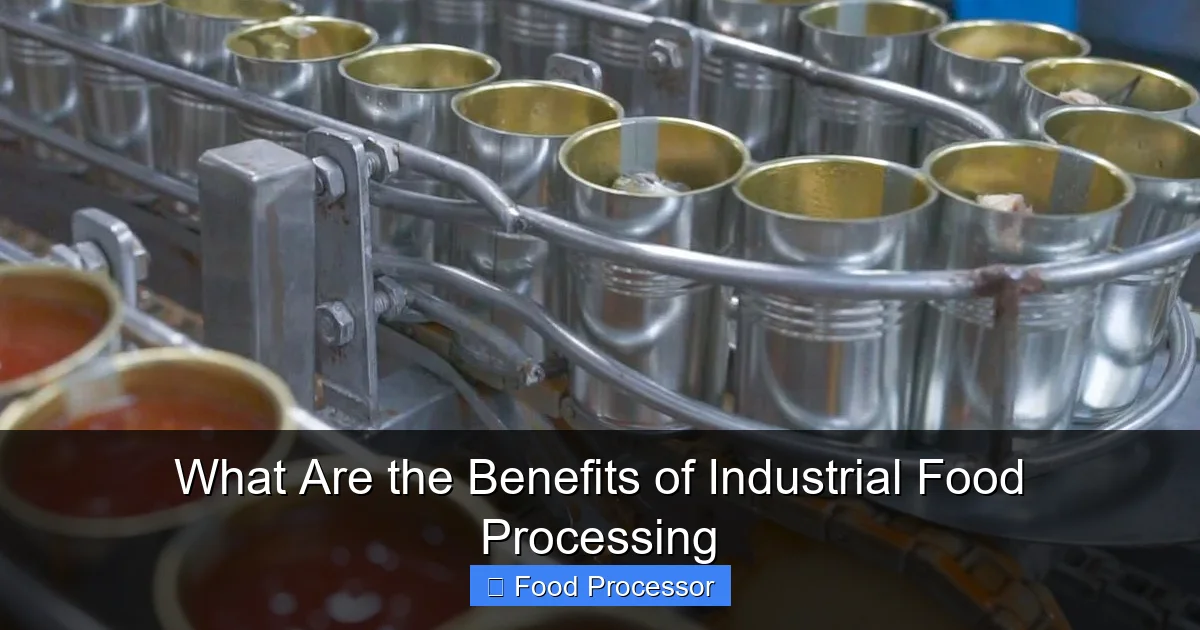
Industrial processing employs various methods to destroy harmful microorganisms like bacteria, viruses, and parasites that can cause serious illness. Pasteurization, for example, heats liquids like milk and juice to a specific temperature for a set time, killing pathogens while preserving nutritional quality and flavor. Sterilization, often used for canned goods, involves even higher temperatures to eliminate all microorganisms, allowing products to be stored at room temperature for years.
- Pasteurization: Think of milk, juices, and even some egg products. This process ensures they are safe to drink.
- Sterilization: Canned foods like beans, soups, and vegetables undergo this, making them shelf-stable and free from dangerous bacteria.
- Thermal Processing: Cooking, blanching, and baking at industrial scales also ensure pathogens are killed effectively and consistently.
Extending Shelf Life
A major benefit of processing is its ability to extend the time food can be stored before it spoils. This means less waste and greater availability. Imagine trying to get fresh berries in winter without freezing or canning techniques!
- Freezing: Locks in nutrients and flavor by stopping microbial growth and enzyme activity, allowing us to enjoy seasonal produce year-round.
- Canning: Provides a sterile, airtight environment, preventing spoilage and allowing foods to be stored for extended periods without refrigeration.
- Drying/Dehydration: Removes moisture, which is essential for microbial growth, preserving foods like fruits, vegetables, and jerky.
- Vacuum Packaging: Removes oxygen, slowing down spoilage and extending the freshness of meats, cheeses, and other perishables.
Reducing Food Waste
By extending shelf life and making food safe for transport over long distances, industrial processing plays a huge role in reducing food waste. Produce that might otherwise spoil before reaching consumers can be processed and preserved. This also allows for the utilization of ‘ugly’ produce that might not be sold fresh but is perfectly fine for processing into juices, sauces, or frozen goods. The efficiency in food purchasing processing and preservation is key to this reduction.
Step 2: Increased Food Availability and Accessibility
Beyond safety, industrial food processing ensures that a wide variety of foods are available to people across the globe, at any time of the year. This significantly enhances food security and dietary diversity.
Visual guide about What Are the Benefits of Industrial Food Processing
Image source: interestingfacts.org
Year-Round Access to Seasonal Foods
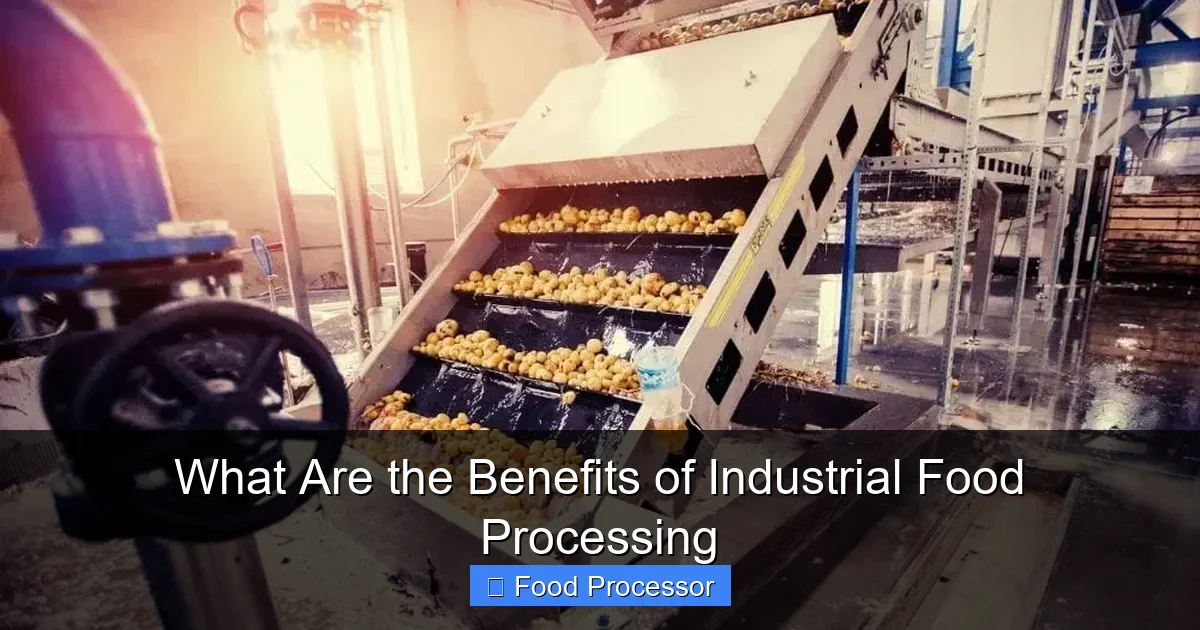
Nature dictates when certain crops are harvested. Industrial processing breaks this cycle, allowing us to enjoy fruits, vegetables, and other seasonal items throughout the year. Frozen peas in winter, canned peaches in spring, or dried cranberries for your holiday baking are all thanks to processing.
- Bridging Seasonal Gaps: Ensures a consistent supply of nutrients and flavors, regardless of local harvest times.
- Global Variety: Allows us to experience foods from different climates and regions without being limited by geography.
Global Distribution and Variety
Thanks to extended shelf life and efficient packaging, processed foods can be transported across continents. This means you can find exotic fruits in your local supermarket, or enjoy staples from around the world. It also helps in times of crisis, allowing aid organizations to distribute nutritious food to remote or affected areas.
- Logistical Efficiency: Standardized packaging and forms make transportation more efficient and less prone to damage.
- Dietary Choices: Provides consumers with an unparalleled range of choices, catering to diverse tastes and culinary preferences.
Convenience for Busy Lifestyles
In today’s fast-paced world, time is a precious commodity. Industrial food processing offers immense convenience, saving consumers valuable time and effort in meal preparation.
- Ready-to-Eat Meals: Pre-cooked and packaged meals, snacks, and components reduce cooking time significantly.
- Pre-Prepared Ingredients: Washed and chopped vegetables, pre-cut meats, and ready-to-use sauces simplify cooking at home. This allows people to create healthy meals even when they have limited time, making it easier to stick to a balanced diet.
Step 3: Improved Nutritional Value and Fortification
Contrary to the common misconception that all processed food is “unhealthy,” industrial processing can actually enhance the nutritional value of our diet. While some processed foods are indeed high in sugar, salt, or unhealthy fats, many contribute positively to public health.
Adding Essential Nutrients (Fortification)
Many staple foods are fortified during processing with essential vitamins and minerals that might be lacking in typical diets. This practice has been instrumental in eradicating widespread deficiency diseases.
- Iodized Salt: Helps prevent iodine deficiency, which can cause thyroid problems.
- Vitamin D Milk: Crucial for bone health, especially in areas with less sunlight.
- Folic Acid in Cereals and Bread: Vital for preventing birth defects like spina bifida.
- Iron in Flours: Helps combat anemia.
These initiatives are prime examples of how industrial food processing directly contributes to better public health outcomes on a grand scale.
Maintaining Nutrient Content
While some nutrients can be lost during processing (e.g., heat-sensitive vitamins), modern techniques are often designed to minimize this. Freezing, for instance, can lock in nutrients very effectively, sometimes even preserving more vitamins than fresh produce that has been stored for several days.
- Flash Freezing: Quickly freezes foods, preserving cellular structure and nutrient content.
- Controlled Heating: Optimized to destroy pathogens with minimal nutrient degradation.
Addressing Dietary Needs
Industrial processing also allows for the creation of foods tailored to specific dietary needs or preferences, such as gluten-free products, low-sodium options, dairy-free alternatives, or foods with added fiber or protein.
- Allergen Management: Strict protocols are in place to prevent cross-contamination and produce safe products for allergy sufferers.
- Specialty Diets: Provides a wider array of choices for vegetarians, vegans, diabetics, or individuals with specific health goals.
Step 4: Affordability and Economic Efficiency
The scale and efficiency of industrial food processing significantly contribute to making food more affordable for the average consumer, while also driving economic growth.
Lowering Production Costs
Mass production allows for economies of scale. Purchasing raw materials in bulk, using automated machinery, and optimizing logistics all reduce the per-unit cost of food. These savings are often passed on to the consumer.
- Bulk Sourcing: Buying ingredients in large quantities significantly lowers material costs.
- Automated Production: Reduces labor costs and increases output speed, making production more efficient.
Creating Economies of Scale
The ability to process vast amounts of food means that the fixed costs of facilities and equipment are spread across millions of units, making each item cheaper to produce. This makes food accessible to lower-income households and helps stabilize food prices.
- Wider Reach: More affordable food means it’s available to a larger segment of the population.
- Price Stability: Large-scale production can buffer against supply chain shocks or regional crop failures.
Supporting Economic Growth
The industrial food processing sector is a massive employer, creating jobs in manufacturing, logistics, research and development, marketing, and distribution. It also supports agriculture by providing a reliable market for farmers’ produce.
- Job Creation: Provides diverse employment opportunities from factory workers to food scientists.
- Agricultural Support: Offers a stable outlet for farmers’ crops, ensuring profitability and encouraging production.
- Export Opportunities: Processed foods are significant export items for many countries, boosting national economies.
Step 5: Consistency, Quality, and Innovation
When you buy a particular brand of cereal or a specific type of ready meal, you expect it to taste and look the same every time. Industrial food processing delivers this consistency and drives continuous innovation.
Standardized Product Quality
Industrial processes adhere to strict quality control measures and standardized recipes. This ensures that every package of a particular product meets specific criteria for taste, texture, appearance, and nutritional content. This reliability builds consumer trust.
- Consistent Flavor and Texture: Consumers know what to expect from their favorite products.
- Reliable Performance: Ensures products perform as expected, whether it’s bread rising correctly or a sauce having the right consistency.
Diverse Product Development
The capabilities of industrial processing allow for the creation of a vast array of food products that wouldn’t be possible otherwise. Think about all the different types of snacks, beverages, convenience meals, and specialized ingredients available today. This innovation caters to evolving consumer tastes and dietary trends.
- New Flavors and Forms: Continual development of new and exciting food options.
- Functional Foods: Creation of foods with added health benefits, like probiotics or enhanced protein.
Meeting Consumer Demands
From organic and gluten-free to plant-based and low-sugar, industrial food processors respond to consumer demands by developing and scaling production of new product lines. This adaptability ensures that the food supply remains relevant and responsive to societal changes.
- Market Responsiveness: Quick adaptation to new trends and health concerns.
- Customization: Offering options for various dietary needs and preferences.
Step 6: Addressing Common Concerns and Misconceptions
Despite its many benefits, industrial food processing often faces criticism. It’s important to differentiate between necessary processing and excessive processing, and to understand the nuances.
Understanding “Processed” Food
Not all processed food is created equal. Simple processing like washing, cutting, or freezing fruits and vegetables is vastly different from highly processed snacks laden with added sugars, unhealthy fats, and artificial ingredients. The key is to look at the level of processing and the nutritional profile of the specific food item. Learning how do you know if a food has minimal processing can help you make more informed choices.
- Minimally Processed: Washed, chopped, packaged vegetables; roasted nuts; pasteurized milk. These retain most of their nutritional value.
- Moderately Processed: Canned fruits and vegetables; bread; cheese; yogurt. These are still often healthy additions to a diet.
- Highly Processed (Ultra-Processed): Sugary drinks, candies, many fast foods, packaged cakes, and processed meats. These should be consumed in moderation due to high levels of unhealthy ingredients.
Balancing Benefits with Potential Drawbacks
While we’ve focused on the benefits, it’s true that over-reliance on highly processed foods can have negative health consequences. The goal isn’t to demonize all processed food, but to make informed choices. Industrial processing is a tool; how we use it, as consumers and as an industry, determines its ultimate impact.
- Read Labels: Always check ingredient lists and nutritional information to understand what you’re consuming.
- Balanced Diet: Prioritize whole, unprocessed foods while strategically using processed foods for convenience, safety, and nutritional enhancement.
Understanding why is food processing important involves acknowledging both its indispensable benefits and the responsibility to choose wisely.
Conclusion
Industrial food processing is a cornerstone of our modern food system, quietly delivering a vast array of benefits that often go unappreciated. From ensuring the safety of what we eat and keeping shelves stocked year-round, to enhancing nutritional content and making food affordable for billions, its contributions are profound and far-reaching. It empowers consumers with convenience and choice, supports global economies, and drives innovation in food science.
While it’s wise to be mindful of the nutritional content of any food, understanding the crucial advantages of industrial food processing helps us appreciate its indispensable role in public health, food security, and the diverse culinary landscape we enjoy today. It’s a complex system, but one that has undeniably made our food supply safer, more accessible, and more abundant than ever before.
