

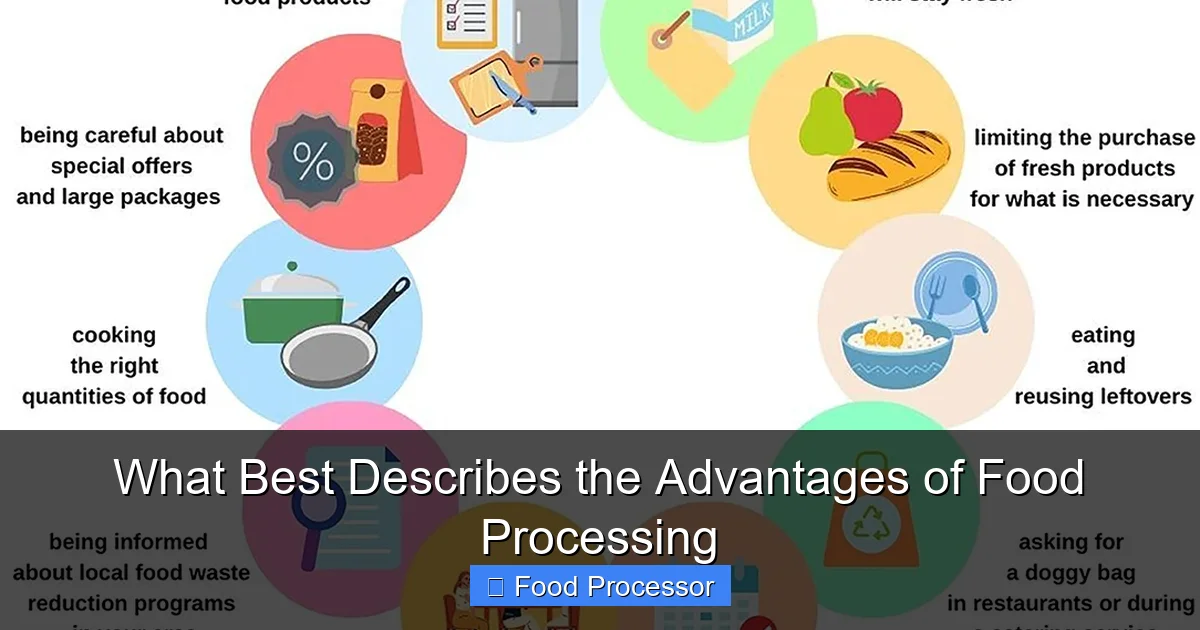
Food processing offers numerous critical benefits that impact our daily lives and global well-being. It significantly improves food safety by eliminating harmful bacteria and extends shelf life, making food available longer and reducing waste. Furthermore, it enhances nutritional value through fortification, provides immense convenience for busy consumers, and fuels economic growth. Ultimately, understanding the advantages of food processing highlights its vital role in ensuring a consistent, safe, and diverse food supply for everyone.
What Best Describes the Advantages of Food Processing
Have you ever wondered how food travels from the farm to your table, often across long distances and varying climates, while remaining safe and delicious? The secret lies in food processing. Far from being a scary term, food processing encompasses a wide range of techniques that transform raw agricultural products into the foods we consume every day. It’s a fundamental part of our modern food system, playing a role in everything from your morning cereal to the frozen vegetables you enjoy for dinner.
In this comprehensive guide, we’re going to dive deep into what best describes the advantages of food processing. We’ll explore how these methods not only make our food safer and last longer but also improve its nutritional value, make it more convenient, and even contribute to global food security. By the end, you’ll have a clear understanding of why food processing is so important and how it benefits us all.
Key Takeaways
- Enhanced Food Safety: Food processing plays a crucial role in eliminating harmful bacteria and contaminants, making food safer for consumption and reducing the risk of foodborne illnesses.
- Extended Shelf Life: Through methods like canning, freezing, and drying, food processing significantly prolongs the freshness and usability of food, minimizing spoilage and food waste.
- Improved Nutritional Value & Accessibility: Processing allows for fortification (adding essential vitamins and minerals) and makes a wider variety of foods accessible year-round, regardless of season or location.
- Unmatched Convenience: Processed foods offer immense time-saving benefits for consumers through ready-to-eat meals, pre-cut ingredients, and easy-to-prepare options, fitting into modern busy lifestyles.
- Economic Benefits & Waste Reduction: It creates new industries, provides stable markets for agricultural products, and utilizes otherwise wasted produce, contributing to economic growth and food security.
- Better Taste, Texture & Variety: Processing techniques can enhance sensory qualities, creating unique flavors and textures, and expanding the sheer diversity of food products available to consumers worldwide.
Step 1: Enhancing Food Safety and Extending Shelf Life
One of the most significant advantages of food processing is its ability to make food safer and more durable. Imagine a world where all food spoiled within a day or two! Processing steps are designed to prevent such rapid spoilage and protect us from harmful microorganisms.
Eliminating Pathogens and Spoilage Microbes
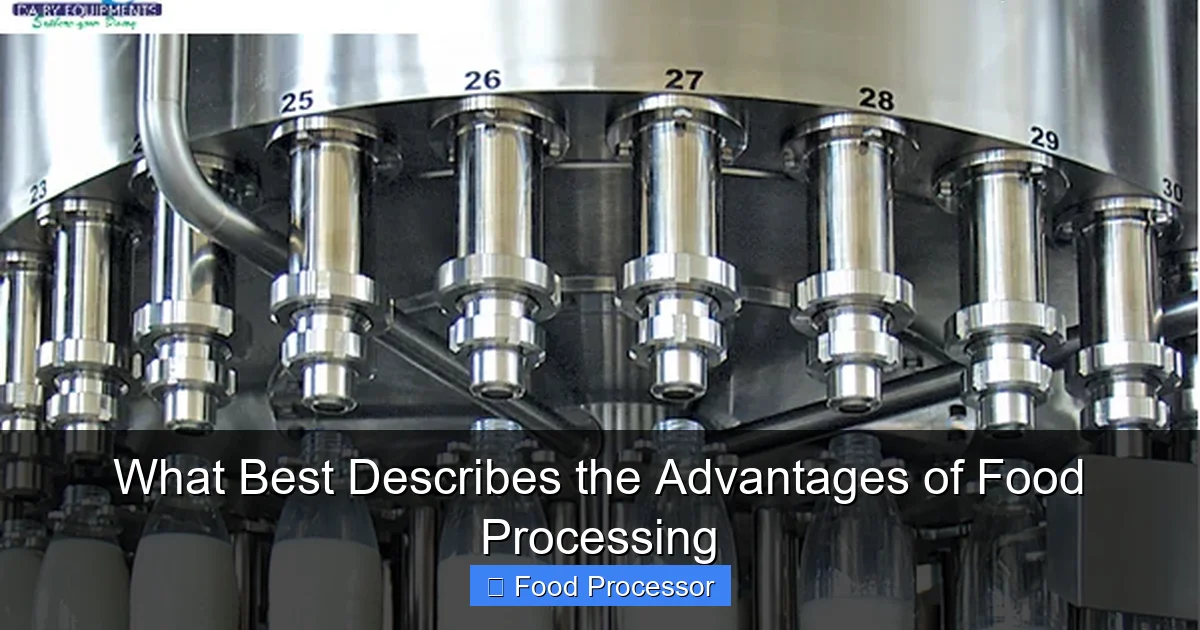
Food processing often involves heat treatments like pasteurization or sterilization. These processes kill off dangerous bacteria, viruses, and other pathogens that can cause foodborne illnesses. Think about milk: raw milk can contain harmful bacteria, but pasteurization makes it safe to drink. Similarly, canning vegetables or fruits uses heat to create a sterile environment, preventing bacterial growth and making them shelf-stable for months or even years. This is a primary aspect of what is the importance of food processing in modern society.
Beyond killing existing microbes, many processing methods, such as freezing or dehydration, create conditions where microbes simply can’t grow. Freezing slows down all microbial activity to a halt, while dehydration removes the water content that microorganisms need to thrive. These methods are essential in ensuring that the food you buy is safe to eat when you open it.
Preventing Oxidation and Degradation
Food spoilage isn’t just about microbes; it’s also about chemical changes. Exposure to air (oxygen) can cause fats to go rancid and nutrients to degrade. Food processing often includes steps to minimize this. For example, packaging foods in airtight containers or using vacuum sealing removes oxygen, significantly extending the product’s quality and shelf life. Antioxidants might also be added to processed foods to slow down these chemical reactions, preserving flavor, color, and nutritional content. This protection against degradation is a key advantage of food processing.
Facilitating Storage and Distribution
Because processed foods have an extended shelf life, they are much easier to store and distribute. This means food can travel further from where it’s produced to where it’s consumed, reaching remote areas or populations facing food shortages. Without the ability to preserve food through processing, our global food supply chain as we know it would simply not exist. This long-term storage capability also allows for greater food security, ensuring that there’s enough food available even during off-seasons or unexpected events.
Step 2: Boosting Nutritional Content and Accessibility
While some assume processed food is less nutritious, many forms of food processing actually enhance or preserve nutritional value and make a wider range of nutrients accessible to more people.
Visual guide about What Best Describes the Advantages of Food Processing
Image source: i.pinimg.com
Fortification and Enrichment
One powerful advantage of food processing is the ability to fortify or enrich foods. Fortification means adding nutrients that weren’t originally present or were present in very small amounts to a food product. Enrichment means adding back nutrients that were lost during processing. Common examples include milk fortified with Vitamin D, breakfast cereals with added iron and B vitamins, or salt with iodine. These practices have played a crucial role in public health, helping to prevent widespread nutrient deficiencies in populations around the world. The targeted addition of essential vitamins and minerals is a clear advantage of food processing, directly impacting health and well-being.
Making Nutrients More Bioavailable
Sometimes, processing can make nutrients easier for our bodies to absorb. For instance, cooking tomatoes releases lycopene, a beneficial antioxidant, making it more bioavailable than in raw tomatoes. Similarly, fermenting foods (a form of processing) can break down complex compounds, making certain vitamins and minerals more accessible. While not all processing does this, it’s a noteworthy benefit in specific contexts.
Providing Access to Diverse Nutrients Year-Round
Thanks to food processing, we can enjoy a wider variety of foods, and thus a wider range of nutrients, regardless of the season or local availability. Frozen fruits and vegetables, for example, are often picked at their peak ripeness and flash-frozen, locking in nutrients. This means you can enjoy berries in winter or broccoli year-round, ensuring a more varied and nutritious diet that might otherwise be impossible based on geographical or seasonal constraints. This broadened access is a significant advantage of food processing for a global population.
Step 3: Delivering Unmatched Convenience and Efficiency
In our fast-paced modern lives, convenience is king. Food processing delivers this in spades, saving us countless hours in the kitchen.
Visual guide about What Best Describes the Advantages of Food Processing
Image source: i.pinimg.com
Time-Saving for Busy Lifestyles
Think about how much time you save with pre-washed salads, pre-cut vegetables, or microwaveable meals. These products, all results of food processing, drastically reduce preparation time. For individuals and families with demanding schedules, these convenient options are often essential for maintaining a balanced diet without sacrificing precious time. This convenience is undeniably one of the most appreciated advantages of food processing.
Reducing Kitchen Prep Work
Beyond just saving time, processed ingredients also reduce the sheer amount of effort involved in cooking. Imagine peeling and chopping all the vegetables for a large soup from scratch versus using a bag of frozen mixed vegetables. From shredded cheese to canned beans, processed ingredients simplify cooking tasks, making home-cooked meals more accessible to everyone, regardless of their culinary skill level or available time. Many home cooks also leverage kitchen tools to enhance this convenience. For instance, understanding the advantages of a food processor can further streamline meal prep, allowing you to quickly chop, slice, or shred ingredients that might otherwise take considerable time by hand.
Creating Ready-to-Eat and Portion-Controlled Options
Ready-to-eat meals, snacks, and portion-controlled items are direct results of food processing. These options provide quick solutions for lunch, dinner, or on-the-go nourishment. They also help with managing portion sizes, which can be beneficial for dietary goals. Whether it’s a yogurt cup, a granola bar, or a pre-packaged sandwich, the convenience factor is undeniable, catering to a diverse range of dietary needs and preferences.
Step 4: Driving Economic Growth and Reducing Food Waste
The advantages of food processing extend beyond individual consumers, impacting economies and the environment on a larger scale.
Opening New Markets and Industries
Food processing is a massive global industry, creating millions of jobs from agricultural sourcing to manufacturing, packaging, and distribution. It allows for agricultural products to be transformed into higher-value goods, which can then be exported, stimulating national economies. New product development through processing also constantly innovates, driving competition and offering consumers more choices. This economic ripple effect is a substantial advantage of food processing.
Maximizing Resource Utilization
Processing allows us to use parts of food that might otherwise be discarded. For example, fruit juice processing might use fruits that aren’t aesthetically perfect for fresh sale. By-products from one process can become ingredients for another. This holistic approach to food production maximizes the value extracted from agricultural resources, making the food system more efficient.
Mitigating Post-Harvest Losses
Globally, a significant amount of food is lost or wasted between the farm and the consumer. Processing technologies play a critical role in reducing these losses. By stabilizing perishable goods through canning, freezing, drying, or fermenting, food processors prevent spoilage and extend the window for transportation and sale. This reduction in food waste is one of the most environmentally and economically beneficial advantages of food processing, helping to feed more people with the same amount of resources.
Step 5: Improving Sensory Qualities and Product Variety
Beyond safety and nutrition, processing also makes food more appealing and interesting, expanding our culinary horizons.
Enhancing Taste, Aroma, and Texture
Food processing isn’t just about preservation; it’s also about transformation. Many cooking techniques are forms of processing that enhance flavor. For example, roasting coffee beans, fermenting cocoa beans, or curing meats all develop complex flavors that wouldn’t exist in their raw forms. The Maillard reaction, a chemical reaction between amino acids and reducing sugars, is responsible for the delicious browning and complex flavors in many cooked and processed foods. Understanding Maillard reaction advantages in food processing highlights how science can directly improve our enjoyment of food. Textural changes, like making bread from flour or yogurt from milk, also contribute significantly to our eating experience. These sensory improvements are a crucial advantage of food processing.
Expanding Food Choices and Culinary Creativity
Imagine a world without cheese, bread, pasta, or chocolate! All these staple foods are products of extensive food processing. Processing allows for the creation of an incredible array of new food products, flavors, and textures. This diversity caters to different tastes, cultural preferences, and dietary needs, making eating a much richer and more varied experience. It also provides ingredients that inspire culinary creativity, both for professional chefs and home cooks. The sheer variety of food items available to us is a direct result of the myriad advantages of food processing.
Step 6: Supporting Global Food Security and Sustainability
On a macro level, food processing is indispensable for feeding the world and building a more resilient food system.
Feeding a Growing Population
With the global population continuing to grow, efficient food production and distribution are more critical than ever. Food processing helps meet this challenge by enabling mass production, extending product reach, and reducing waste, thereby making more food available to more people. Without the scale and efficiency offered by processing, it would be incredibly difficult to feed billions of people reliably.
Minimizing Environmental Impact Through Efficiency
By reducing spoilage and waste, food processing contributes to more sustainable food systems. When less food is wasted, fewer resources (water, land, energy) are needed to produce the same amount of edible food. Additionally, processing facilities can often optimize energy and water use in their operations, and some even find ways to utilize by-products, further lessening their environmental footprint. This efficiency is a growing advantage of food processing in our environmentally conscious world.
Practical Tips: Leveraging the Advantages of Food Processing Smartly
While the benefits are clear, it’s also smart to approach food processing with an informed perspective. Here are some tips:
Reading Labels and Understanding Ingredients
Take a moment to read food labels. Ingredients lists can tell you a lot about what’s in your food. Understanding terms like “fortified” or “enriched” can help you identify nutritionally enhanced products. Being aware of sodium, sugar, and unhealthy fat content in highly processed items allows you to make balanced choices. This empowers you to harness the advantages of food processing while being mindful of potential drawbacks.
Balancing Processed with Fresh Foods
The key to a healthy diet is balance. Incorporate a variety of fresh fruits, vegetables, and whole grains alongside strategically chosen processed foods. For example, frozen vegetables are processed, but they can be just as nutritious as fresh ones and offer incredible convenience. Canned beans are processed but are a fantastic source of protein and fiber. The goal is not to eliminate processed foods entirely, but to integrate them wisely.
Utilizing Home Food Processing Tools for Convenience
You can also bring some of the advantages of food processing into your own kitchen. Tools like food processors, blenders, and dehydrators can help you prepare ingredients more efficiently, preserve foods, and even make your own healthy processed alternatives at home. Learning how to get the most out of your food processor can significantly enhance your home cooking experience, allowing you to quickly chop, shred, or blend ingredients for healthier, homemade meals.
Conclusion
Food processing is a multifaceted and often misunderstood aspect of our food supply. By examining what best describes the advantages of food processing, we’ve seen that its benefits are profound and far-reaching. From safeguarding our health through improved food safety and extending the availability of nutritious ingredients, to offering unparalleled convenience in our busy lives and supporting global food security, processed foods play a crucial, positive role.
It’s about providing choice, enabling efficiency, and ensuring that a diverse array of safe, palatable, and affordable food is accessible to populations across the globe. By understanding these advantages, we can better appreciate the complex system that brings food to our tables and make more informed decisions about the foods we choose to consume.
