

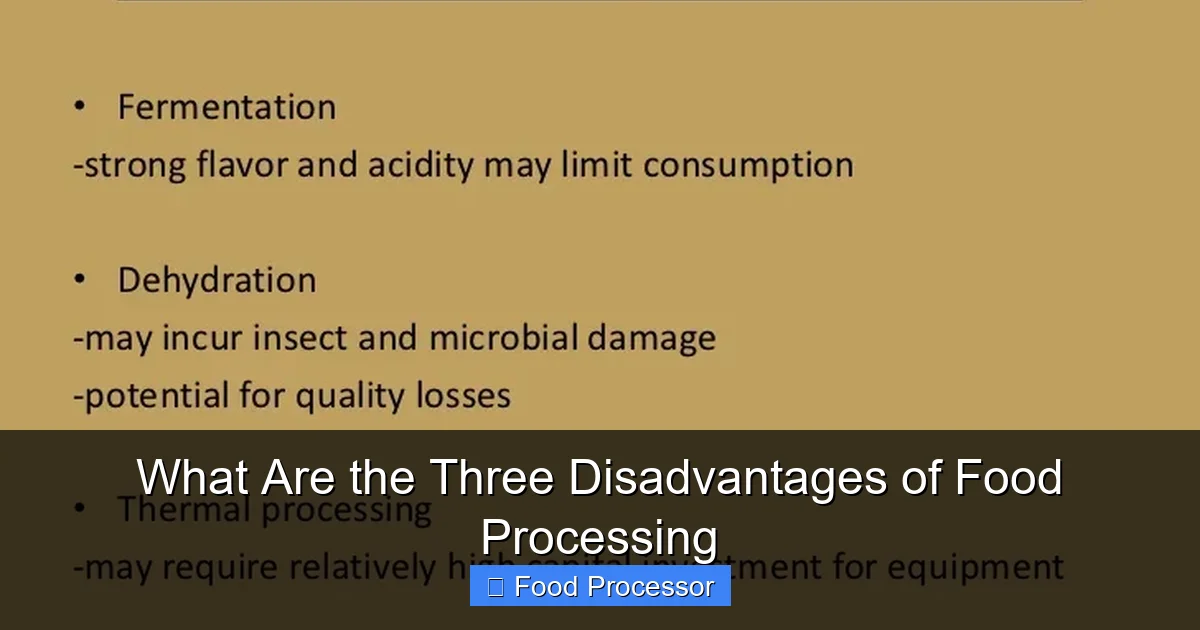
Food processing, while offering convenience and extended shelf life, comes with notable drawbacks. The three primary disadvantages of food processing include a significant loss of essential nutrients, the often-unwanted addition of unhealthy ingredients like excessive salt, sugar, and unhealthy fats, and a considerable environmental impact coupled with increased costs. Understanding these aspects helps consumers make more informed and healthier dietary choices.
In our busy modern lives, processed foods have become incredibly common. They offer convenience, a longer shelf life, and often a quick solution for meals. However, it’s really important to understand that not all processing is created equal, and many processed foods come with significant drawbacks. While food processing has its benefits, like making food safe and accessible, today we’re going to dive deep into the less talked about side: the three main disadvantages of food processing. By the end of this guide, you’ll have a clear understanding of what these drawbacks are and how they can affect your health and the world around us. You’ll learn how to identify highly processed foods and make more informed decisions about what you eat.
Key Takeaways
- Nutrient Depletion: Food processing often strips away essential vitamins, minerals, and fiber, reducing the nutritional value of foods and potentially contributing to dietary deficiencies.
- Addition of Unhealthy Components: Many processed foods contain high levels of added sugars, unhealthy fats (like trans and saturated fats), and sodium, which are linked to various chronic health issues.
- Chemical Additives: Processed foods frequently include artificial colors, flavors, preservatives, and emulsifiers, some of which may have adverse health effects or cause sensitivities.
- Environmental Footprint: The extensive energy, water, and packaging required for food processing contribute to a larger carbon footprint and increased waste, impacting the environment.
- Increased Cost and Misleading Marketing: While some processed foods appear cheaper, the overall cost of a diet heavy in them can be high. Furthermore, marketing often obscures the true nutritional profile.
- Loss of Freshness and Natural Flavor: Processing can alter the natural taste and texture of food, leading to a reliance on artificial enhancers and a deviation from whole, fresh ingredients.
Understanding the Disadvantages of Food Processing
When we talk about food processing, it’s a broad term. It can range from simply washing and cutting vegetables (minimal processing) to creating complex ready-meals packed with additives (highly processed). Our focus here is primarily on the latter, as this is where the main disadvantages of food processing become most apparent. Let’s break down the key issues.
1. Significant Loss of Essential Nutrients
One of the biggest concerns with processed foods is the reduction in their nutritional value. Raw, whole foods are packed with vitamins, minerals, fiber, and beneficial phytonutrients. However, many processing methods strip these crucial elements away.
Heat Treatment and Nutrient Degradation
Many processing techniques involve high heat, such as pasteurization, canning, or baking at high temperatures. While heat can kill harmful bacteria and extend shelf life, it can also destroy heat-sensitive vitamins like Vitamin C, B vitamins (folate, thiamine), and even some antioxidants. For example, boiling vegetables can cause water-soluble vitamins to leach into the cooking water, which is often discarded.
- Example: When fruit is turned into juice, the fiber is often removed, and a significant portion of its Vitamin C can be lost during pasteurization. Similarly, white bread, made from refined flour, loses much of the fiber, B vitamins, and iron present in whole wheat.
Removal of Fiber and Whole Grains
Fiber is incredibly important for digestive health, blood sugar control, and feeling full. Unfortunately, many processing methods, especially those for grains, remove the bran and germ, which are rich in fiber, vitamins, and minerals. This leaves behind only the starchy endosperm. This is a common practice in making white flour, white rice, and many breakfast cereals.
- Tip: Always opt for whole grains over refined grains. Look for “whole wheat flour” or “whole grain” as the first ingredient on bread, pasta, and cereal labels.
Leaching of Minerals and Other Micronutrients
Beyond vitamins and fiber, processing can also lead to the loss of essential minerals like potassium, magnesium, and zinc. Washing, peeling, cutting, and cooking can all contribute to this depletion. The more steps a food goes through, the more opportunities there are for nutrient loss.
- Practical Example: Canned vegetables, while convenient, often have lower levels of certain vitamins and minerals compared to fresh or frozen varieties due to the blanching and heating processes involved. However, frozen vegetables are often blanched and then flash-frozen, which helps retain most of their nutrients, making them a good alternative to fresh.
Understanding how to identify minimally processed foods can help you preserve nutrient intake.
2. Addition of Unhealthy Ingredients
To compensate for lost flavor and texture, or simply to make products more appealing and addictive, manufacturers often add ingredients that are detrimental to health. This is one of the most significant disadvantages of food processing.
Excessive Added Sugars
Processed foods are notorious for their high sugar content. Sugars are added not just for sweetness, but also for texture, color, and as a preservative. Hidden sugars can be found in surprising places, like savory sauces, yogurts, breakfast cereals, and even “healthy” granola bars. Regular consumption of high amounts of added sugar is linked to weight gain, type 2 diabetes, heart disease, and dental problems.
- Look Out For: High-fructose corn syrup, corn syrup, dextrose, maltose, sucrose, fruit juice concentrate, and anything ending in “-ose.”
- Example: A single serving of some breakfast cereals can contain more sugar than a candy bar. Soft drinks are also a major source of added sugar.
Unhealthy Fats (Trans and Saturated Fats)
Many processed foods contain unhealthy fats to improve taste, texture, and shelf life. Trans fats, often listed as “partially hydrogenated oil,” are particularly harmful, raising bad cholesterol and lowering good cholesterol, increasing the risk of heart disease. Saturated fats are also common, found in processed meats, baked goods, and many snack foods, and should be consumed in moderation.
- Tip: Always check the nutrition label for “trans fat” and try to avoid products that contain any amount. Be mindful of “partially hydrogenated oil” in the ingredient list.
High Sodium Content
Sodium, primarily in the form of salt, is added to processed foods for flavor enhancement and as a preservative. While some sodium is essential, excessive intake is a major contributor to high blood pressure, which increases the risk of heart attack and stroke. Canned soups, frozen meals, deli meats, and packaged snacks are often loaded with sodium.
- Practical Advice: Compare sodium content on labels. Aim for foods with lower sodium per serving, especially if you’re managing blood pressure. Cooking from scratch allows you to control salt levels completely. This is one of the main advantages of a food processor – enabling you to prepare fresh meals easily.
Artificial Additives and Preservatives
To improve appearance, taste, texture, and shelf stability, processed foods often contain a cocktail of artificial colors, flavors, emulsifiers, and preservatives. While many are deemed safe in small amounts, concerns exist about their long-term health effects, particularly for sensitive individuals or children. Some additives have been linked to allergic reactions, hyperactivity, or other adverse health outcomes.
- Examples: Monosodium glutamate (MSG), artificial sweeteners (aspartame, sucralose), artificial colors (Red 40, Yellow 5), and various nitrates/nitrites in processed meats.
- Consideration: The cumulative effect of consuming many different additives across various foods is not fully understood.
The importance of food processing in ensuring food safety and availability is undeniable, but it’s crucial to acknowledge these added ingredients as significant disadvantages of food processing.
3. Environmental Impact and Increased Cost
The journey of food from farm to processing plant to your plate can have a substantial environmental footprint and often comes with hidden costs.
Energy and Water Consumption
Food processing plants require immense amounts of energy for operations like heating, cooling, grinding, mixing, and packaging. They also consume vast quantities of water for cleaning, cooking, and various other processes. This high demand for resources contributes to greenhouse gas emissions and can strain local water supplies.
- Impact: The energy used often comes from fossil fuels, increasing carbon emissions and contributing to climate change.
Excessive Packaging Waste
Processed foods typically come in multiple layers of packaging – plastic films, cardboard boxes, aluminum cans, and more. This packaging is essential for protection, preservation, and marketing, but it generates a significant amount of waste. Much of this packaging is not recyclable or ends up in landfills, polluting our environment and oceans.
- Practical Tip: Try to choose foods with minimal or recyclable packaging. Buying in bulk or opting for fresh produce (which often has no packaging) can significantly reduce your household’s waste.
Transportation and Supply Chain Footprint
Processed foods often travel long distances from where ingredients are sourced to where they are processed, packaged, and then distributed to stores. This extensive supply chain relies heavily on transportation, usually by truck, ship, or plane, all of which consume fossil fuels and release pollutants. The more steps and distance involved, the larger the carbon footprint.
- Example: A frozen pizza might have ingredients sourced from several continents, processed in one facility, packaged in another, and then shipped across a country to a supermarket.
From food purchasing, processing, and preservation perspectives, the environmental consequences are a critical consideration.
Hidden Costs and Economic Implications
While some processed foods might seem cheap at the checkout, they often come with hidden costs. These can include:
- Health Costs: A diet high in processed foods is linked to increased healthcare costs due to chronic diseases like obesity, diabetes, and heart disease.
- Nutritional Trade-offs: You might pay less upfront, but you’re getting less nutritional value, potentially leading to increased spending on supplements or other foods to compensate.
- Economic Impact on Local Producers: Reliance on large-scale processing can sometimes undermine local food systems and small farmers, who may struggle to compete.
While food processors are great for preparing fresh ingredients at home, it’s clear that the industrial scale of food processing contributes to these larger disadvantages of food processing.
How to Mitigate the Disadvantages of Food Processing in Your Diet
Now that you’re aware of the disadvantages of food processing, how can you apply this knowledge to your daily life?
Visual guide about What Are the Three Disadvantages of Food Processing
Image source: webgardner.com
1. Prioritize Whole, Unprocessed Foods
The simplest way to avoid the drawbacks of processed foods is to eat more whole foods. These include fresh fruits and vegetables, lean proteins, whole grains, nuts, and seeds. They are naturally rich in nutrients and free from added sugars, unhealthy fats, and artificial additives.
- Tip: Shop the perimeter of the grocery store, where fresh produce, dairy, and meats are usually located. The inner aisles often contain more processed items.
2. Read Food Labels Carefully
Become a detective at the grocery store. Pay close attention to the ingredient list and the nutrition facts panel. Look for short ingredient lists with recognizable items. Watch out for high amounts of added sugar, sodium, and unhealthy fats.
- Focus on: Added sugars, sodium, saturated fat, trans fat, and fiber content. Choose options with higher fiber and lower amounts of the undesirable ingredients.
3. Cook More at Home
Cooking meals from scratch gives you complete control over the ingredients. You decide what goes into your food, ensuring it’s fresh, nutritious, and free from unwanted additives. Even simple meals cooked at home are often healthier than their processed counterparts.
- Benefit: A food processor can be incredibly important here, making it easier and faster to chop, slice, grate, and mix fresh ingredients for healthy home-cooked meals.
4. Choose Minimally Processed Alternatives
Some processing is necessary and even beneficial. For example, frozen fruits and vegetables are often flash-frozen at peak freshness, preserving most of their nutrients. Canned beans are convenient and healthy if rinsed to reduce sodium. Look for these “minimally processed” options when fresh isn’t available.
- Examples: Plain yogurt instead of flavored, whole-grain bread instead of white, unsweetened dried fruit, plain nuts instead of candied ones.
Conclusion
While food processing plays an important role in our food system, providing convenience and ensuring food safety, it’s crucial to be aware of its darker side. The three main disadvantages of food processing – the loss of vital nutrients, the addition of unhealthy ingredients, and the significant environmental and economic impacts – are compelling reasons to re-evaluate our dietary choices. By prioritizing whole foods, reading labels diligently, cooking more at home, and choosing minimally processed alternatives, you can significantly reduce your exposure to these drawbacks. Making conscious food choices not only benefits your personal health but also contributes to a healthier planet. Empower yourself with this knowledge and start making more informed decisions today!
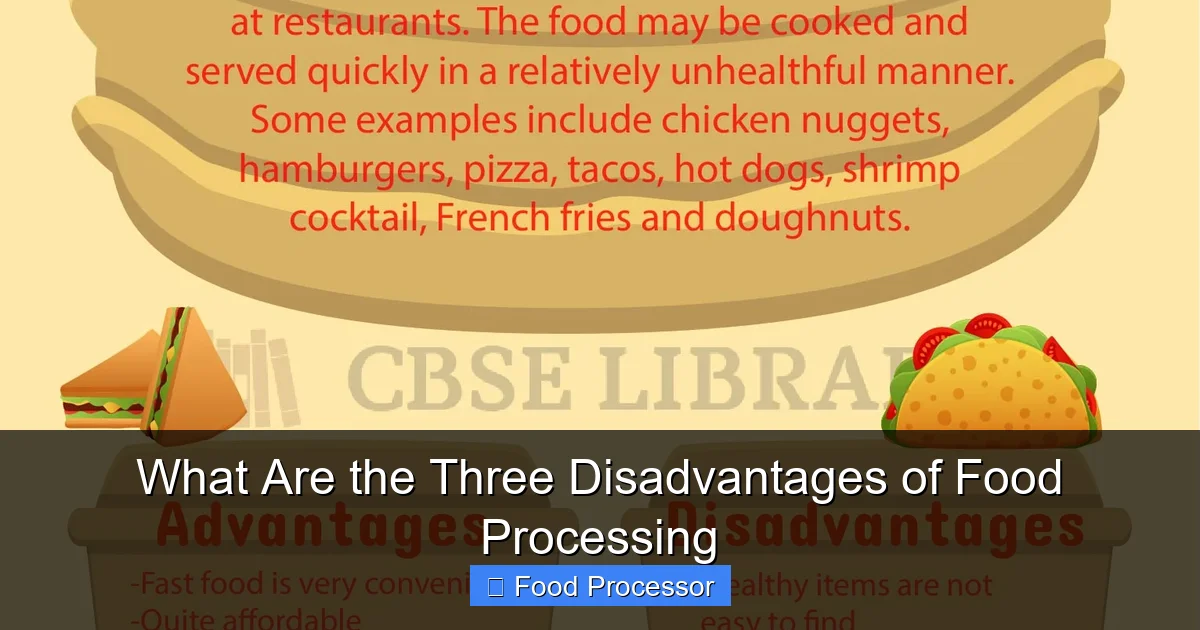
Visual guide about What Are the Three Disadvantages of Food Processing
Image source: cbselibrary.com
