
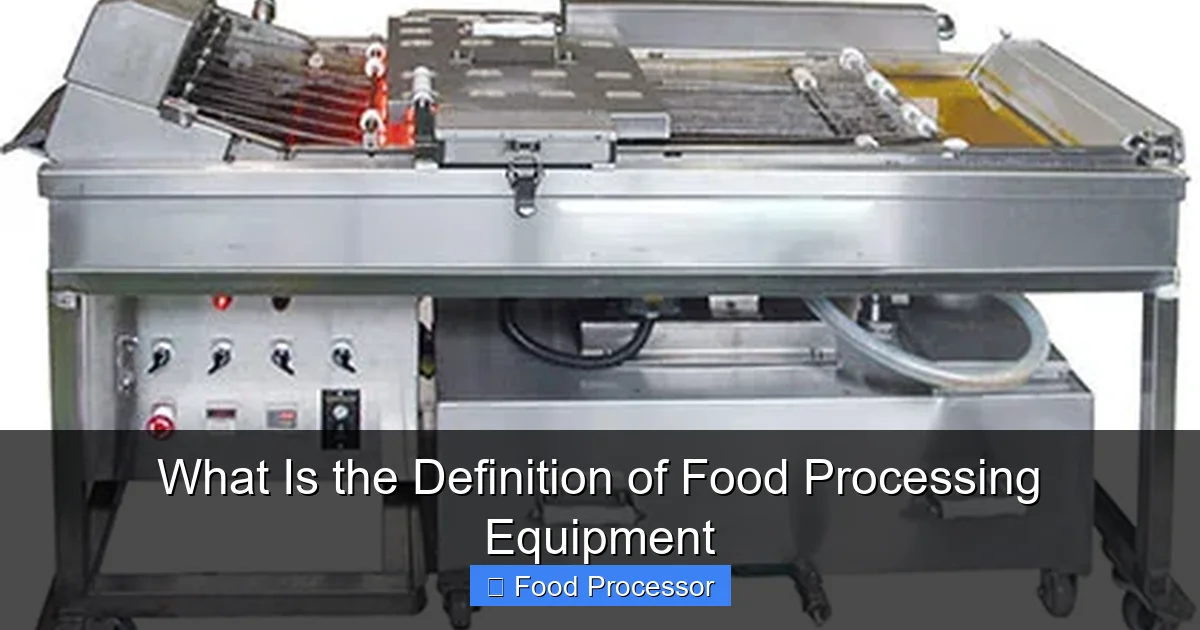
Food processing equipment encompasses any machine or tool used to transform raw food ingredients into consumable products. These essential tools range from simple household items to complex industrial systems, playing a vital role in preparing, preserving, and enhancing food. Understanding this comprehensive definition helps consumers and businesses appreciate the diverse functions these machines perform, ensuring food safety, quality, and availability in our daily lives.
What Is the Definition of Food Processing Equipment?
Ever wondered what goes into making the food you eat every day? From the fresh produce you buy to the packaged snacks in your pantry, almost everything undergoes some form of processing. At the heart of this transformation lies “food processing equipment.” But what exactly does that term mean? Is your kitchen blender considered food processing equipment? What about the giant machines in a factory?
In this comprehensive guide, we’ll break down the definition of food processing equipment. You’ll learn what it is, why it’s so important, the different types available, and what characteristics define it. By the end, you’ll have a clear understanding of these essential tools that bring food from farm to table.
Key Takeaways
- Broad Definition: Food processing equipment includes any apparatus, from a simple knife to complex industrial machinery, designed to transform food ingredients.
- Core Purpose: Its primary function is to alter raw food into a more palatable, digestible, safe, or preserved state, suitable for consumption or further processing.
- Wide Scope: The equipment category spans household appliances like blenders and food processors, as well as large-scale industrial systems used in factories.
- Key Characteristics: Essential features include hygiene (food-grade materials), efficiency, safety mechanisms, durability, and suitability for specific food types and processes.
- Diverse Applications: Equipment is categorized by its function in various processing stages, such as preliminary cleaning, primary preparation (chopping, mixing), thermal treatment (cooking, pasteurization), and final packaging.
- Importance of Understanding: Knowing this definition is crucial for food safety, quality control, regulatory compliance, and making informed decisions whether as a consumer or a business owner.
- Selection Factors: Choosing the right food processing equipment depends on factors like the scale of operation, product type, budget, maintenance needs, and adherence to industry standards.
Understanding the Core Definition of Food Processing Equipment
Let’s start with the basics. What is food processing equipment? Simply put, it refers to any machine, apparatus, or tool specifically designed and used to carry out various operations on food products. These operations aim to transform raw ingredients into finished food items, or to prepare them for further processing.
The key here is “transformation.” This equipment helps change the physical, chemical, or biological properties of food. Think about it: a raw potato becomes mashed potatoes, milk becomes cheese, or wheat becomes flour. All these changes require specialized tools.
The Purpose and Function of Food Processing Equipment
The primary goal of using food processing equipment is multifaceted. It includes:
- Preparation: Cleaning, peeling, slicing, dicing, grinding, mixing.
- Preservation: Heating (pasteurization, sterilization), cooling (refrigeration, freezing), drying, packaging to extend shelf life.
- Enhancement: Improving flavor, texture, appearance, or nutritional value.
- Safety: Eliminating harmful microorganisms and contaminants.
- Convenience: Making food easier to cook or consume.
- Efficiency: Speeding up production and reducing manual labor, especially in commercial settings.
Essentially, any device that plays a role in taking food from its raw state to a more usable, safe, or desirable form falls under the umbrella of food processing equipment. This can range from the simplest hand tools to highly automated, complex industrial lines.
Key Characteristics That Define Food Processing Equipment
Not just any tool can be called food processing equipment. There are specific characteristics that set these machines apart.
1. Designed for Food Contact and Hygiene
This is perhaps the most critical characteristic. All food processing equipment must be made from materials that are safe for contact with food. This means they are non-toxic, non-corrosive, and do not leach harmful substances into the food. Common materials include food-grade stainless steel, specific types of plastics, and certain alloys.
Furthermore, the design itself must prioritize hygiene. Surfaces should be smooth, easy to clean, and free from crevices where bacteria can hide. Many pieces of equipment are designed for easy disassembly for thorough cleaning and sanitation.
Visual guide about What Is the Definition of Food Processing Equipment
Image source: cdna.artstation.com
2. Safety Features and Standards
Operating heavy machinery or sharp blades requires stringent safety measures. Food processing equipment is built with safety guards, emergency stops, interlocks, and other features to protect operators. It must also comply with various national and international safety standards (e.g., OSHA, FDA, HACCP guidelines).
3. Efficiency and Performance
Whether it’s a home appliance or an industrial giant, efficiency is key. This equipment is designed to perform its specific task effectively and often quickly. For commercial operations, this means high throughput, consistent quality, and minimal waste.
4. Durability and Longevity
Food processing environments can be demanding, involving heat, cold, moisture, and abrasive materials. Therefore, this equipment is built to last, often from robust materials that can withstand continuous use and harsh cleaning regimens.
5. Specificity and Versatility
Some equipment is highly specialized, designed for one particular task (e.g., a specific type of cheese slicer). Others are versatile, capable of performing multiple functions (e.g., a commercial mixer that can blend, knead, and whip).
Exploring the Diverse Types of Food Processing Equipment
The world of food processing equipment is vast, reflecting the incredible variety of food products and processes. We can categorize them based on the stage of processing they perform.
1. Preliminary Processing Equipment
These machines handle food right after harvesting or delivery, preparing it for the main processing steps.
Washing and Cleaning Equipment
Examples include industrial washers for fruits and vegetables, ultrasonic cleaners, and blanchers that use hot water or steam to clean and partially cook food.
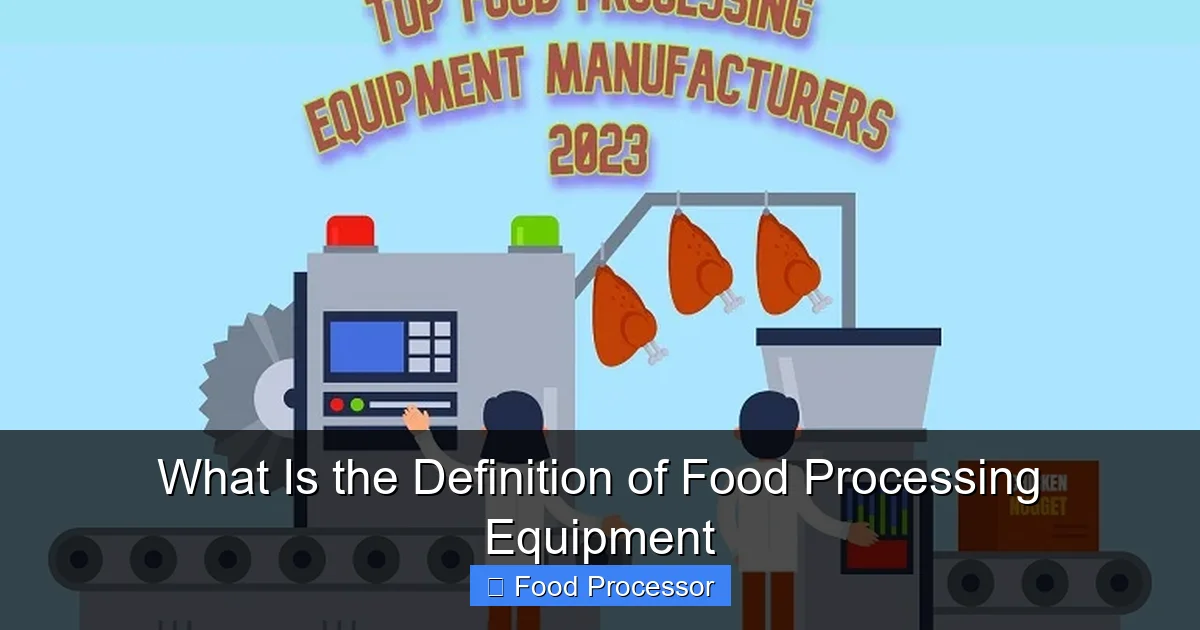
Visual guide about What Is the Definition of Food Processing Equipment
Image source: foodinfotech.com
Sorting and Grading Equipment
Used to separate food items by size, weight, color, or quality. This can involve vibrating screens, optical sorters, or manual sorting lines.
Peeling and Destoning Equipment
Machines that remove outer layers from fruits and vegetables, or pits/stones. Examples include abrasive peelers, steam peelers, and destoners for cherries or olives.
2. Primary Processing Equipment
This category includes machines that perform the core transformation of ingredients.
Cutting, Slicing, and Dicing Equipment
From simple vegetable choppers to industrial slicers for deli meats, these machines precisely cut food into desired shapes and sizes. An excellent example of household cutting equipment is a food processor, which can significantly speed up meal prep. If you’re wondering about the advantages of a food processor, its ability to quickly chop, slice, and dice is a major benefit.
Grinding and Milling Equipment
Used to reduce solids into smaller particles, powders, or pastes. Think coffee grinders, meat grinders, and flour mills.
Mixing and Blending Equipment
These machines combine ingredients thoroughly. Examples range from small kitchen blenders and stand mixers to large industrial blenders for sauces, doughs, or beverages. Understanding the difference between a food processor and a mixer is crucial, as they excel at different types of blending and kneading tasks.
Forming and Shaping Equipment
Machines that mold food into specific shapes, like pasta extruders, patty formers, or bread molders.
3. Thermal Processing Equipment
Heat and cold are crucial for both cooking and preservation.
Cooking and Frying Equipment
Industrial ovens, fryers, steam kettles, and continuous cookers are examples. They apply heat to cook food, enhance flavor, and improve texture.
Pasteurization and Sterilization Equipment
These processes use controlled heat to kill harmful microorganisms in products like milk, juices, and canned goods, ensuring safety and extending shelf life.
Refrigeration and Freezing Equipment
Industrial freezers (blast freezers, tunnel freezers) and large-scale refrigeration units are used to rapidly cool and freeze food, slowing down spoilage.
4. Separation and Concentration Equipment
These machines separate components or remove moisture.
Filtration and Centrifugation Equipment
Used to separate solids from liquids (e.g., clarifying juices, separating cream from milk).
Evaporation and Drying Equipment
Removes water content from food to concentrate it or preserve it. Examples include spray dryers for milk powder and vacuum evaporators for fruit concentrates.
5. Packaging Equipment
The final stage ensures food is protected and ready for distribution.
Filling and Sealing Equipment
Machines that fill bottles, pouches, or containers with liquid or solid food, then seal them.
Labeling and Coding Equipment
Applies labels and date codes to packaged products.
Why Understanding the Definition of Food Processing Equipment Matters
Knowing what constitutes food processing equipment isn’t just academic; it has practical implications for everyone involved in the food chain.
For Food Manufacturers and Businesses
For businesses, a clear understanding is fundamental. It guides the selection of appropriate machinery, ensures compliance with food safety regulations, and impacts product quality and cost-efficiency. Choosing the right equipment, such as knowing how to choose the right size food processor for your small-scale operation, can make a huge difference in productivity and investment.
It’s also essential for understanding the importance of food processing in meeting consumer demands for safe, convenient, and diverse food products.
For Consumers
While consumers don’t typically operate this equipment, understanding its role helps in appreciating the effort that goes into food production. It can also inform discussions around “processed food” and help distinguish between minimally processed items and highly processed ones. It fosters a better understanding of food safety and quality control.
For Regulatory Bodies
Government agencies rely on this definition to establish standards, regulations, and inspection protocols for food safety and public health. They ensure that all equipment used in food production meets strict hygiene and operational criteria.
Common Questions and Clarifications About Food Processing Equipment
Sometimes, the lines can blur between simple kitchen tools and true “food processing equipment.” Let’s clarify a few points.
Is My Kitchen Blender Food Processing Equipment?
Yes, absolutely! While it might be small-scale, your kitchen blender performs a clear food processing function: blending ingredients to change their texture and form. It transforms whole fruits into a smoothie, for example. The same goes for your toaster oven, microwave, or even a good chef’s knife – they all aid in processing food.
What’s the Difference Between Food Preparation and Food Processing Equipment?
The terms are often used interchangeably, and there’s a lot of overlap. “Food preparation equipment” often refers to tools used in a home kitchen or restaurant to get ingredients ready for cooking or serving (e.g., cutting boards, knives, spatulas). “Food processing equipment” often implies a more significant transformation or preservation step, especially when talking about industrial contexts. However, a food processor in your kitchen clearly does both preparation and processing. The key is the “transformation” aspect.
Does Food Processing Equipment Always Mean “Unhealthy” Processed Food?
Not at all. The equipment itself is neutral. It’s used to make everything from freshly squeezed juices and chopped vegetables to frozen meals and baked goods. “Processed food” gets a bad rap sometimes, but even simple acts like washing vegetables or baking bread involve food processing equipment and result in wholesome food. The healthfulness of the end product depends on the ingredients and the overall process, not just the existence of equipment.
Conclusion: The Indispensable Role of Food Processing Equipment
Food processing equipment is an incredibly broad and vital category of tools and machinery. From the humble knife in your kitchen to the vast, automated lines in industrial plants, these devices are essential for transforming raw agricultural products into the diverse, safe, and convenient food items we consume daily.
Understanding its definition means appreciating the intricate steps involved in getting food to your plate. It highlights the importance of hygiene, safety, efficiency, and quality in every stage of food production. Whether you’re a home cook, a budding chef, or a food industry professional, recognizing the core functions and characteristics of food processing equipment deepens your appreciation for the complex world of food science and technology. It’s a world where innovation constantly strives to make our food supply better, safer, and more sustainable.
