

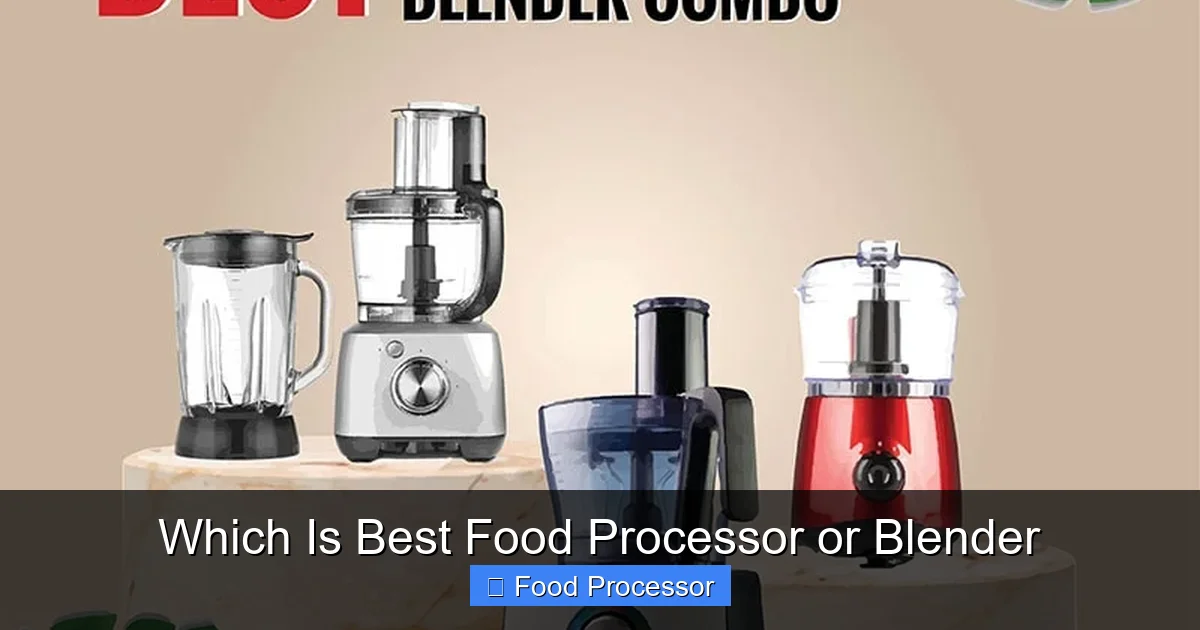
Choosing between a food processor or blender depends entirely on your cooking habits. Food processors excel at chopping, slicing, grating, and kneading dough, handling thick, solid ingredients with ease. Blenders, on the other hand, are masters of liquid-based tasks, creating smooth purees, smoothies, and crushing ice. Understanding their unique strengths will help you pick the right tool for your kitchen, or perhaps even consider a versatile combo unit to cover all bases.
Which Is Best Food Processor or Blender?
Have you ever stood in a kitchen appliance aisle, scratching your head, wondering if you really need a food processor *and* a blender? Or perhaps you’re just starting your culinary journey and need to pick one. It’s a common dilemma! Both a food processor and a blender are incredibly useful kitchen tools, but they shine in different areas. While they might look similar at first glance, understanding their unique capabilities is key to choosing the right one for your cooking style.
In this comprehensive guide, we’ll dive deep into the world of kitchen gadgets to help you decide which is best: food processor or blender. We’ll explore their core functions, blade designs, typical uses, and even discuss when a combo unit might be the perfect solution. By the end, you’ll feel confident making an informed decision that elevates your culinary creations!
Key Takeaways
- Distinct Purposes: Food processors are designed for solid ingredients, excelling at chopping, slicing, shredding, and kneading. Blenders are built for liquids, creating smooth purees, smoothies, and crushing ice.
- Blade Differences: Food processors typically use interchangeable S-blades for chopping and various discs for slicing/shredding. Blenders have fixed multi-tiered blades optimized for pulling ingredients down and creating vortexes.
- Texture Control: A food processor offers more granular control over texture for chunky salsas or finely minced herbs. Blenders generally aim for a smooth, uniform consistency.
- Container Design: Food processor bowls are wide and short, with a feed tube for adding ingredients while running. Blender jars are tall and narrow, ideal for liquid dynamics.
- Consider Your Primary Needs: If your kitchen tasks lean towards meal prep like chopping vegetables, making dough, or grating cheese, a food processor is your best bet. If you mostly make smoothies, soups, and sauces, a blender is ideal.
- Combo Units Exist: For those who need both functionalities but have limited space, many brands offer versatile food processor and blender combo appliances that share a single motor base.
- Don’t Overlap Perfectly: While some tasks can be done by both, neither appliance perfectly replaces the other. Understanding their core strengths will prevent frustration and ensure delicious results.
Understanding the Core Differences
Before we compare, let’s understand what each appliance brings to the table. This will make it clear why a food processor is different from a blender in fundamental ways.
What is a Food Processor?
Think of a food processor as your personal kitchen assistant for prep work. It’s designed to handle solid ingredients with precision and power. A food processor typically comes with a wide, short bowl and a variety of interchangeable blades and discs. Its main goal is to make tedious tasks like chopping, slicing, shredding, and pureeing quick and easy.
Common uses for a food processor include:
- Chopping vegetables (onions, carrots, celery)
- Slicing fruits and vegetables thinly or thickly
- Shredding cheese or cabbage
- Kneading dough for bread or pizza
- Making chunky salsas, pesto, or hummus
- Grinding nuts into nut butter
- Crumbing bread or cookies
What is a Blender?
A blender, on the other hand, is built for liquids. Its primary function is to combine, liquefy, and smooth ingredients. It features a tall, narrow jar with fixed blades at the bottom, designed to create a powerful vortex that pulls ingredients down for thorough blending.
Common uses for a blender include:
- Making smoothies and milkshakes
- Pureeing soups and sauces
- Crushing ice for drinks
- Blending batters for pancakes or waffles
- Making salad dressings
- Creating creamy dips and spreads
Key Distinctions in Action
The differences between a food processor or blender go beyond just their names. They are engineered for distinct tasks, which reflects in their design and functionality.
Blade Design and Functionality
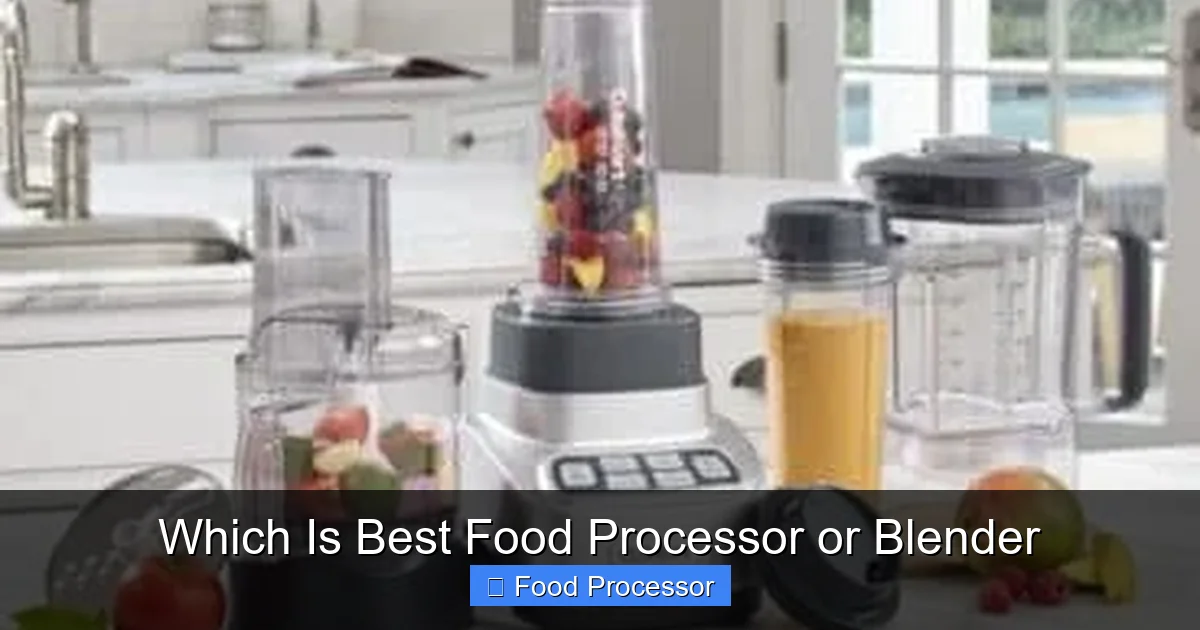
This is perhaps the most significant difference. A food processor’s main chopping blade is an S-shaped metal blade that sits loosely on a central spindle. Its purpose is to cut ingredients rather than pulverize them. Furthermore, food processors come with various discs that sit at the top of the bowl for specific tasks like slicing (thin or thick) and shredding (fine or coarse). This versatility in blades is one reason why a food processor might be better than a blender for certain prep tasks.
Visual guide about Which Is Best Food Processor or Blender
Image source: culinaryhill.com
Blenders, however, have fixed blades at the bottom of the jar. These blades are often multi-tiered and designed to create a strong vortex that pulls ingredients down towards them, ensuring a smooth, even consistency. They are optimized for liquefying ingredients.
Container and Capacity
Food processor bowls are generally wide and squat, making it easy to spread out ingredients for even chopping or to fit larger items like whole onions for slicing. They also feature a feed tube on the lid, allowing you to add ingredients while the machine is running, which is incredibly handy for continuous processing or incorporating liquids slowly.
Blender jars are tall and narrow. This design helps in creating the powerful vortex necessary for thoroughly blending liquids. The narrow base ensures ingredients are forced repeatedly into the blades. While some blenders have a small opening in the lid, it’s not designed for continuous feeding in the same way a food processor’s feed tube is.
Motor Power and Speed
Both appliances boast powerful motors, but their application differs. Food processors often have robust motors capable of handling dense, tough ingredients like dough or hard vegetables without stalling. They typically have a pulse function for precise control over texture.
Blenders, especially high-performance models, often feature extremely powerful motors and high RPMs to achieve super-smooth results and effectively crush ice. They prioritize speed and consistency in liquefying.
Versatility and Attachments
Food processors are champions of versatility when it comes to solid food preparation. Beyond the S-blade, they often include slicing discs, shredding discs, a dough blade, and sometimes even whisking attachments. This range of tools makes them indispensable for extensive meal prep.
Blenders are more specialized. While some come with personal blending cups or smoothie programs, their core function remains liquefying. They don’t typically offer the variety of cutting or shredding attachments found in a food processor.
When the Food Processor Shines
If your kitchen tasks frequently involve transforming solid ingredients, a food processor is likely your hero.
Mastering Meal Prep: Chopping, Slicing, Shredding
This is where a food processor truly excels. Need finely diced onions for a mirepoix? Sliced cucumbers for a salad? Shredded carrots for coleslaw? A food processor handles these tasks in seconds, saving you immense time and effort compared to doing it by hand. It’s fantastic for making large batches of ingredients for weekly meal prep.
Visual guide about Which Is Best Food Processor or Blender
Image source: culinaryhill.com
Dough and Batters: Kneading and Mixing
Many food processors come with a dedicated dough blade. This makes quick work of kneading bread dough, pie crusts, or even cookie dough, saving your hands from sticky, laborious work. The wide bowl allows for proper mixing without overworking the gluten.
Thick Spreads and Sauces: Nut Butters, Pesto, Hummus
For recipes that require processing thick, dense ingredients into a cohesive paste or spread, a food processor is the ideal choice. Making homemade peanut butter, rich pesto, or a perfectly textured hummus is much easier in a food processor, as its powerful motor and S-blade are designed to handle these tasks without overheating or struggling. If you’re wondering if you should make hummus in a blender or food processor, the food processor will give you that classic, thick texture.
When the Blender Excels
For liquid-based concoctions, the blender is king.
Smoothies, Shakes, and Liquid Drinks
This is probably the most common use for a blender. Whether you’re making a healthy green smoothie, a creamy fruit shake, or a protein-packed breakfast drink, the blender effortlessly combines frozen fruit, ice, and liquids into a smooth, drinkable consistency. Its powerful vortex ensures no chunks are left behind.
Silky Soups and Sauces
When you want a perfectly smooth, lump-free soup or sauce, a blender is your best friend. After cooking, simply transfer your ingredients to the blender (being careful with hot liquids, leaving the vent open slightly) and blend until velvety smooth. This is especially true if you use a blender or food processor for soup and prefer a very fine texture.
Crushing Ice and Frozen Ingredients
Many blenders, particularly high-powered models, are designed to effortlessly crush ice cubes into fine snow, perfect for cocktails or frozen desserts. They also handle frozen fruits and vegetables with ease, making them invaluable for cold beverages and sorbets.
Navigating Overlaps and Limitations
While a food processor and blender each have their strong suits, there are some tasks where they might overlap, or where one struggles.
* Pureeing cooked vegetables for baby food or dips: Both can do this, but a blender will likely give a smoother, more uniform puree if liquid is present. A food processor will produce a thicker, slightly chunkier result.
* Salsa: A food processor is excellent for chunky salsa, allowing you to control the chop. A blender will likely turn it into a smoother, sauce-like consistency very quickly.
* Grinding coffee beans or spices: Some blenders can do this in small quantities, but a food processor with its S-blade might offer better control for coarser grinds. Dedicated coffee grinders are often superior for consistency.
* Making nut butter: As mentioned, a food processor is far superior here. A blender can struggle with thick, dense mixtures, often requiring constant scraping down and potentially overheating.
It’s clear that while they might share *some* capabilities, neither can truly replace the other without significant compromise on texture or efficiency for their non-primary tasks.
Considering a Combo Unit
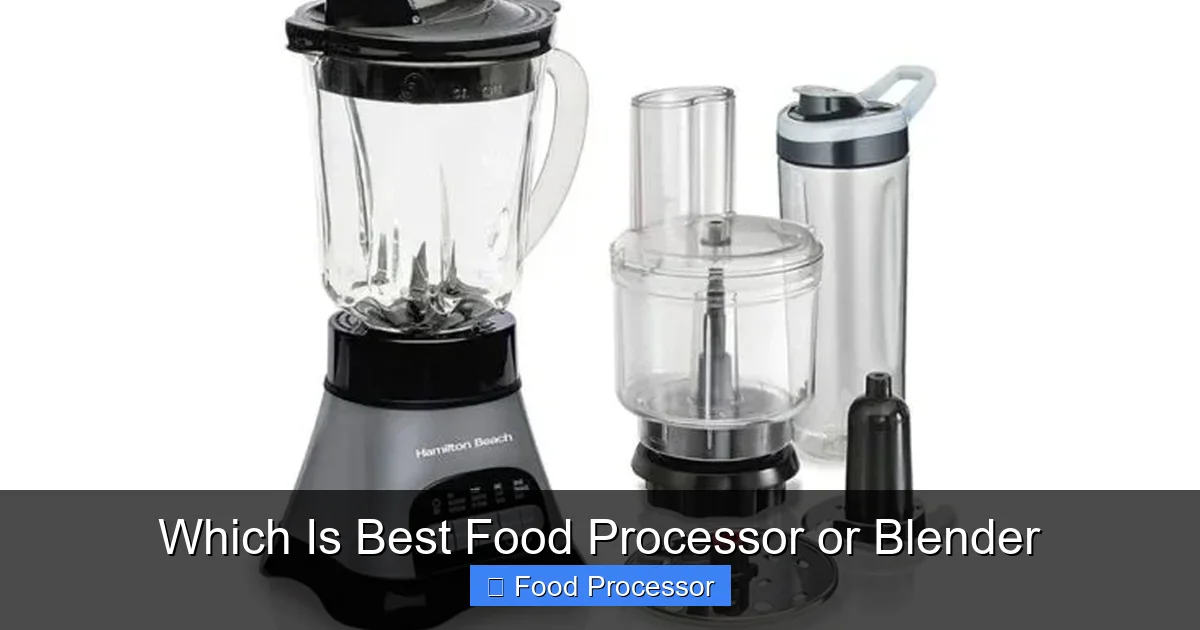
For those who want the best of both worlds but have limited kitchen space, a food processor and blender combo unit can be an excellent solution. These appliances typically feature a single motor base with interchangeable attachments for both food processing and blending. You can swap out a blender jar for a food processor bowl and its various blades and discs as needed.
* Pros: Saves space, often more cost-effective than buying two separate high-quality appliances.
* Cons: The motor might be optimized more for one function than the other, and you usually can’t use both functions simultaneously. Some combo units might not be as powerful or versatile as standalone top-tier models.
Making Your Decision: Key Factors to Ponder
So, how do you decide which is best: food processor or blender? It boils down to your personal cooking habits and needs.
Your Primary Culinary Needs
Think about the types of meals you prepare most often. Are you constantly chopping vegetables for stir-fries, making homemade dips, or baking? Then a food processor will be invaluable. If your daily routine involves smoothies for breakfast, creamy soups for lunch, or frozen drinks, a blender is your go-to.
Kitchen Space and Storage
Consider the footprint of each appliance. Blenders typically have a narrower base but are taller. Food processors are wider but often shorter. If space is a premium, measure your counter and cabinet space. A combo unit might also be a smart choice here.
Budget and Investment
Prices vary widely for both appliances, from basic models to high-end professional ones. Decide how much you’re willing to invest. Generally, a good quality food processor or blender is an investment that will last for years. If your budget allows for only one, choose the one that aligns most with your frequent cooking needs.
Ease of Cleaning
Both appliances have parts that need to be cleaned. Many modern food processor bowls, lids, and blades, as well as blender jars, are dishwasher safe, but always check the manufacturer’s instructions. Consider how easily you can disassemble and clean the components.
Troubleshooting Common Issues
While generally reliable, both appliances can face minor issues. Here are quick tips:
* Food Processor Not Chopping Evenly: Don’t overcrowd the bowl. Process in batches. Ensure ingredients are cut into similar-sized pieces before adding. Use the pulse function for better control.
* Blender Not Blending Smoothly: Add enough liquid. Start with liquids first, then soft ingredients, then frozen items/ice. Use the tamper if your blender has one to push ingredients towards the blades.
* Motor Stalling: This usually means you’ve overloaded the machine or the ingredients are too tough. Remove some contents or cut tougher ingredients into smaller pieces.
* Leaking: Ensure lids are properly secured and gaskets (if applicable) are correctly seated. Check for cracks in the jar or bowl.
Conclusion
Ultimately, the choice of which is best: food processor or blender isn’t about one being inherently “better” than the other. It’s about aligning the tool with your specific culinary demands. A food processor excels at dry, solid ingredient prep, offering precision for chopping, slicing, and shredding. A blender is the undisputed champion of liquefying, creating smooth purees, drinks, and crushing ice with ease.
If you’re an avid cook who loves to bake, meal prep, and make homemade sauces from scratch, a food processor will be a game-changer. If your kitchen life revolves around healthy smoothies, creamy soups, and refreshing beverages, a blender is your essential gadget. For those who frequently dabble in both worlds and have limited space, a versatile food processor and blender combo unit could be the perfect compromise.
Consider your cooking style, your most frequent tasks, and your kitchen space, and you’ll easily find the perfect appliance to make your culinary adventures more efficient and enjoyable. Happy cooking!
