

Food processing plays a absolutely vital role in modern aquaculture. It ensures that farmed aquatic animals receive highly nutritious, digestible, and safe feed, which directly impacts their health, growth, and the overall profitability of aquaculture operations. Through various techniques, food processing transforms raw ingredients into specialized diets, addressing specific nutritional needs and minimizing environmental impact. It’s the backbone of efficient and sustainable fish farming.
Why Is Food Processing Important in Aquaculture
Hello there, curious reader! Have you ever wondered what it takes to feed the fish, shrimp, and other aquatic creatures we farm for food? It’s not as simple as tossing some raw ingredients into the water. In fact, a sophisticated process called “food processing” is absolutely vital to the success and sustainability of aquaculture. If you’re involved in aquaculture, or just keen to understand the science behind your seafood, you’re in the right place.
This guide will take you on a journey to explore the incredible importance of food processing in aquaculture. We’ll uncover how it transforms basic raw materials into highly specialized diets, ensuring our farmed aquatic friends grow strong, stay healthy, and provide us with delicious, safe food. You’ll learn about the many benefits, the different methods involved, and why skipping this crucial step would be a huge disservice to both the animals and the environment. Get ready to dive deep into the world of aquaculture feed!
Key Takeaways
- Enhanced Nutrition and Growth: Food processing allows for the creation of balanced, nutrient-dense diets tailored to specific aquatic species and life stages, leading to faster growth rates and improved feed conversion ratios.
- Improved Feed Digestibility and Palatability: Techniques like extrusion and pelleting improve how well aquatic animals can digest nutrients and make the feed more appealing, reducing waste and boosting nutrient uptake.
- Disease Prevention and Food Safety: Processing methods, especially heat treatments, sterilize feed ingredients, eliminate pathogens, and help prevent the spread of diseases, ensuring healthier farmed animals and safer food products for consumers.
- Waste Reduction and Environmental Sustainability: By creating stable, water-resistant feeds, food processing minimizes nutrient leaching into the water, reducing pollution and supporting more sustainable aquaculture practices.
- Cost Efficiency and Profitability: Optimized feed formulations and efficient delivery through processing reduce feed costs, improve animal performance, and enhance the overall economic viability and profitability of aquaculture farms.
- Resource Optimization: Food processing enables the use of diverse raw materials, including agricultural by-products, converting them into valuable feed, thereby reducing reliance on wild-caught fish meal and promoting resource sustainability.
- Longer Shelf Life and Storage Stability: Processed feeds are more stable and have a longer shelf life, making storage and distribution easier, especially in remote aquaculture locations, without compromising quality.
Understanding the Basics: What is Food Processing in Aquaculture?
When we talk about food processing in aquaculture, we’re referring to the various techniques and methods used to convert raw ingredients into palatable, nutritious, and stable feeds for farmed aquatic animals. Think of it as preparing a perfectly balanced meal, but on an industrial scale, specifically designed for fish, shrimp, or mollusks. This isn’t just about grinding ingredients; it involves a whole suite of scientific and engineering approaches to optimize the feed.
The primary goal of food processing in aquaculture is to create a feed that meets several critical criteria:
- Nutritional Completeness: Providing all essential proteins, fats, carbohydrates, vitamins, and minerals.
- High Digestibility: Ensuring the aquatic animals can easily break down and absorb the nutrients.
- Palatability: Making the feed appealing so the animals readily consume it.
- Physical Stability: Preventing the feed from disintegrating quickly in water, which leads to waste.
- Safety: Eliminating harmful pathogens and anti-nutritional factors.
- Cost-Effectiveness: Producing feed efficiently to keep aquaculture operations profitable.
This careful preparation is a cornerstone of modern aquaculture. In fact, understanding why is food processing important in general terms helps us appreciate its specific role in this specialized field.
The Critical Reasons Why Food Processing Matters
Let’s break down the core reasons why food processing isn’t just a good idea, but an indispensable practice in aquaculture.
1. Enhancing Nutrient Availability and Digestibility
Aquatic animals have unique digestive systems. Raw ingredients often contain complex carbohydrates, fibrous materials, or anti-nutritional factors that are difficult for them to digest. Food processing helps overcome these challenges.
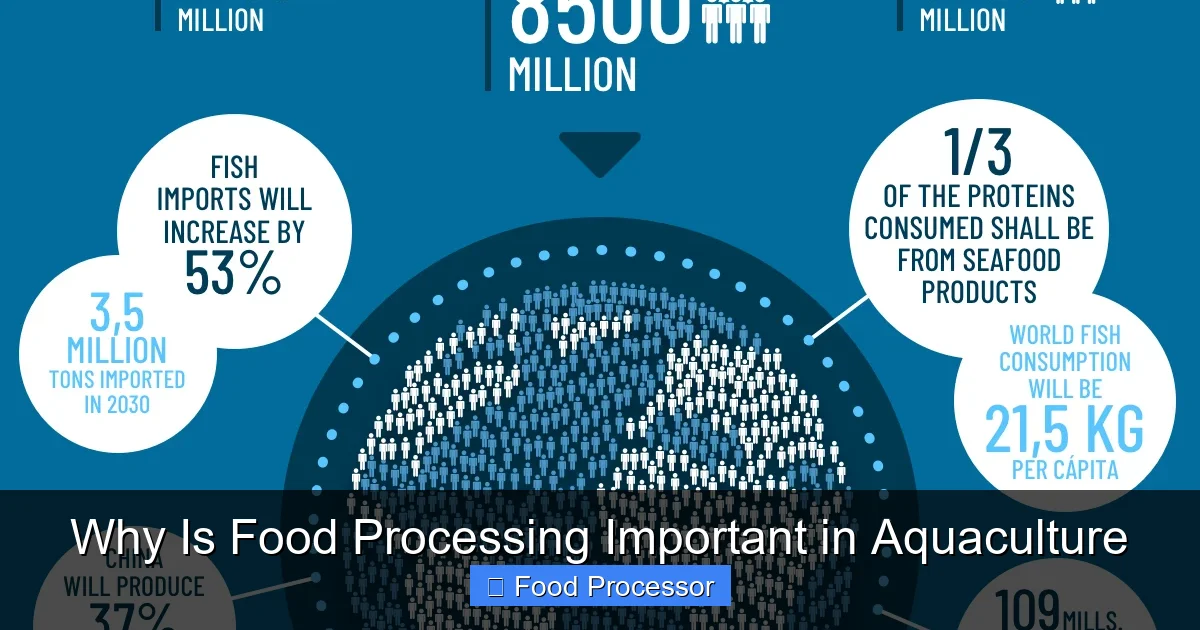
Visual guide about Why Is Food Processing Important in Aquaculture
Image source: dibaq.com
- Breaking Down Complex Structures: Heat treatments, grinding, and extrusion can break down complex starches and proteins, making them more accessible to digestive enzymes.
- Removing Anti-Nutritional Factors: Certain raw ingredients might contain compounds that inhibit nutrient absorption. Processing steps like cooking and fermentation can neutralize or reduce these factors, allowing for better nutrient utilization.
- Optimizing Nutrient Balance: By combining various ingredients and processing them, feed manufacturers can precisely balance nutrient profiles – ensuring the fish get exactly what they need for optimal growth and health.
This is a fundamental aspect of what is the importance of food processing in any context, but especially critical for aquatic species.
2. Improving Feed Palatability and Acceptance
Fish, like any other animal, need to find their food appealing to eat it. If the feed isn’t palatable, they won’t consume enough, leading to poor growth and wasted resources. Food processing plays a big role here.
- Flavor and Aroma Enhancement: Heating and other processing steps can create appealing aromas and flavors. For instance, the Maillard reaction advantages in food processing can contribute to desirable colors and flavors in feed, making it more attractive to aquatic species.
- Texture Modification: The right texture is crucial. Some species prefer soft pellets, while others need firmer ones. Processing allows for the creation of various textures to suit different species and their feeding habits.
- Proper Sizing: Fish and shrimp need feed particles that match their mouth size. Grinding and pelleting machines can produce feeds of precise and consistent sizes, from fine crumbles for larvae to larger pellets for adult fish.
3. Ensuring Feed Stability and Reducing Waste
One of the biggest challenges in aquaculture is that feed is introduced into water. If it disintegrates too quickly, nutrients leach into the environment before animals can eat them, causing waste and pollution. Food processing tackles this head-on.
- Water Stability: Extrusion, a common food processing method, uses heat and pressure to create highly stable pellets that can float or sink slowly and maintain their integrity in water for extended periods. This gives aquatic animals ample time to consume the feed.
- Reduced Leaching: Stable feeds prevent valuable nutrients from dissolving into the water. This means less wasted feed, better water quality, and a reduced environmental footprint.
- Longer Shelf Life: Processed feeds are generally more stable against spoilage by microbes or oxidation. This means they can be stored for longer periods without losing nutritional value, which is crucial for efficient food purchasing, processing, and preservation strategies in aquaculture operations.
4. Disease Prevention and Food Safety
The health of farmed aquatic animals and the safety of the final product for human consumption are paramount. Food processing is a critical line of defense.
- Pathogen Elimination: High temperatures used in extrusion and pelleting effectively kill most harmful bacteria, viruses, and parasites that might be present in raw ingredients. This reduces the risk of disease outbreaks in the farm and ensures the feed is safe.
- Mycotoxin Reduction: Raw agricultural ingredients can sometimes contain mycotoxins (toxic compounds produced by molds). Proper processing, including sorting and specific treatments, can help reduce their presence.
- Ingredient Quality Control: Food processing facilities implement strict quality control measures for incoming raw materials, minimizing the risk of contaminants entering the feed supply chain.
5. Promoting Sustainable Aquaculture Practices
Sustainability is a buzzword, but in aquaculture, it’s a necessity. Food processing plays a direct role in making fish farming more environmentally friendly.
- Reducing Reliance on Wild Fish: Historically, aquaculture relied heavily on fishmeal made from wild-caught fish. Modern food processing allows for the incorporation of a wider range of alternative ingredients, such as plant-based proteins, insect meal, and algae, thereby reducing pressure on wild fish stocks.
- Minimizing Environmental Pollution: As mentioned, stable feeds lead to less nutrient leaching. This means less nitrogen and phosphorus runoff into natural water bodies, protecting ecosystems from eutrophication (algal blooms).
- Efficient Resource Utilization: By making feeds highly digestible, food processing ensures that more of the input (feed) is converted into output (fish biomass), leading to better feed conversion ratios and more efficient use of resources like water and energy.
6. Enhancing Economic Viability and Profitability
At the end of the day, aquaculture is a business. Food processing contributes significantly to its economic success.
- Improved Growth Rates: Nutritionally balanced and highly digestible feeds lead to faster growth, meaning fish reach market size quicker.
- Lower Feed Conversion Ratios (FCR): FCR measures how much feed is needed to produce a unit of animal weight. Efficiently processed feeds reduce the FCR, meaning less feed is required to grow the same amount of fish, saving significant costs.
- Reduced Disease Outbreaks: Healthier animals mean fewer mortalities and lower veterinary costs, safeguarding investments.
- Market Appeal: Healthy, well-grown fish are more attractive to consumers and command better prices.
Key Steps in Aquaculture Feed Processing
Food processing in aquaculture involves several distinct steps, each contributing to the final quality of the feed.
1. Raw Material Receiving and Storage
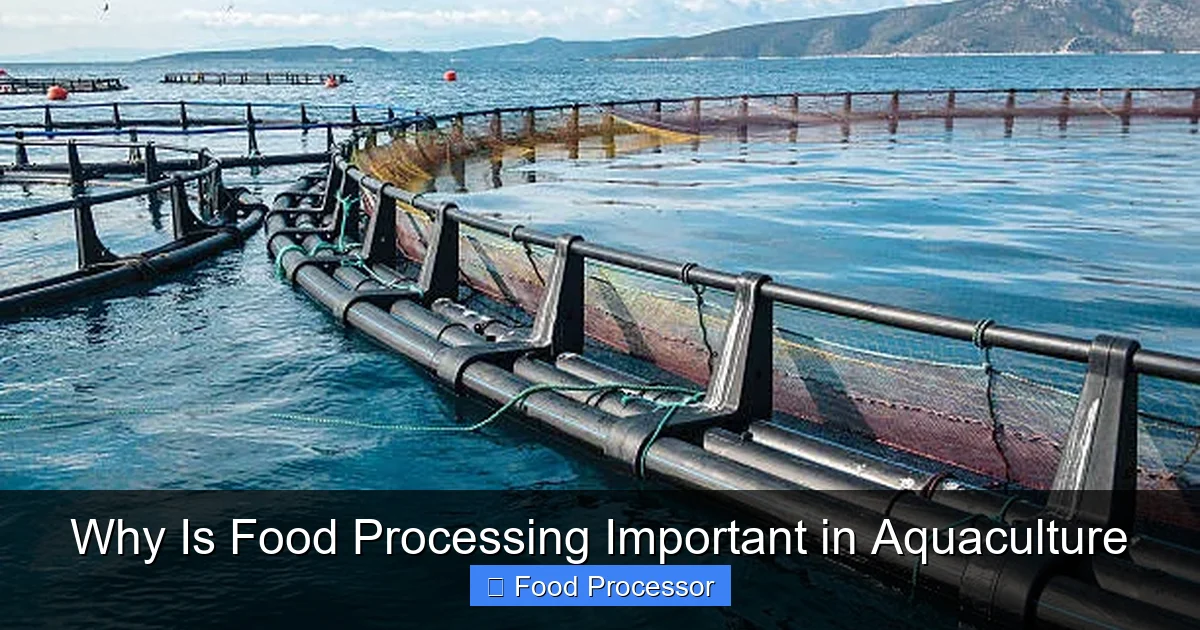
It all starts with sourcing high-quality ingredients. These can include fish meal, soy meal, corn, wheat, oils, vitamins, and minerals. Proper inspection and storage are crucial to prevent spoilage and contamination. Ingredients are often stored in silos or climate-controlled warehouses.
Visual guide about Why Is Food Processing Important in Aquaculture
Image source: organicabiotech.com
2. Grinding and Milling
Raw ingredients, especially grains and protein sources, are typically ground into fine particles. This increases the surface area, making subsequent processing steps more effective and improving digestibility for the aquatic animals.
- Coarse Grinding: Initial size reduction.
- Fine Grinding: Further reduction to achieve uniform particle size, essential for consistent feed quality.
3. Mixing and Formulation
This is where the “recipe” comes together. All the ground ingredients, along with precise amounts of vitamins, minerals, and other additives, are carefully weighed and mixed to create a homogeneous blend. Nutritionists formulate these blends to meet the specific dietary requirements of different species and life stages (e.g., juvenile, grower, broodstock).
- Accurate Weighing: Critical for nutrient consistency.
- Thorough Mixing: Ensures every pellet has the same nutritional profile.
4. Conditioning
Before pelleting or extrusion, the mixed feed is often conditioned. This involves adding steam and sometimes water. Steam heats the mixture, gelatinizes starches, and partially cooks the ingredients, making them more digestible and preparing them for the next stage.
- Moisture and Heat Application: Improves flow and binding.
- Pre-Cooking: Enhances digestibility and reduces anti-nutritional factors.
5. Pelleting or Extrusion
This is arguably the most critical food processing step, as it forms the feed into its final physical shape and ensures its stability.
a. Pelleting
Conditioned feed is forced through a die with small holes under high pressure. This compresses the mixture into dense pellets, which are then cut to desired lengths. Pelleted feeds are generally sinking feeds and are suitable for many bottom-feeding species.
- Pressure Compaction: Forms dense, uniform pellets.
- Die and Roller System: Shapes the feed.
b. Extrusion
Extrusion involves cooking the feed under high heat, pressure, and shear within a barrel, then forcing it through a die. When the pressure is released, the steam flashes off, causing the pellet to expand and become porous. This process creates highly water-stable, often floating or slow-sinking feeds, ideal for surface and mid-water feeders. Extrusion offers greater control over density and stability.
- High Heat and Pressure Cooking: Gelatinizes starches, denatures proteins, kills pathogens.
- Expansion and Drying: Creates stable, often buoyant pellets.
6. Drying and Cooling
After pelleting or extrusion, the feed is hot and moist. It needs to be dried to a low moisture content (typically 8-10%) to prevent mold growth and ensure a long shelf life. After drying, the feed is cooled to ambient temperature to prevent condensation and further spoilage.
- Moisture Reduction: Prevents microbial growth.
- Temperature Stabilization: Prepares feed for storage.
7. Coating (Optional)
Sometimes, a liquid coating of oils, vitamins, or medications is applied to the cooled pellets. This can enhance palatability, increase energy content, or deliver specific health treatments. This step is usually done after drying to prevent nutrient degradation by heat.
8. Screening and Packaging
Finally, the feed is screened to remove any dust or broken pieces, ensuring a consistent product. It’s then packaged in bags of various sizes, labeled, and prepared for distribution to aquaculture farms.
Troubleshooting Common Feed Processing Challenges
Even with advanced technology, food processing in aquaculture can face issues. Here are a few common problems and how to address them:
1. Poor Pellet Stability
If pellets break apart too quickly in water, it means wasted feed and potential pollution.
- Check Raw Material Quality: Ensure ingredients like binders (e.g., wheat gluten, guar gum) are of good quality and correctly proportioned.
- Optimize Conditioning: Insufficient steam or temperature during conditioning can lead to poor binding. Adjust steam pressure and retention time.
- Review Die Compression: For pelleting, wear in the die or incorrect roller gap can affect pellet density. For extrusion, ensure proper die configuration and shear.
2. Inconsistent Pellet Size or Shape
Varying pellet size can lead to uneven feeding among aquatic animals.
- Verify Grinding Consistency: Ensure raw materials are uniformly ground before mixing.
- Inspect Die and Knives: Worn dies or dull cutting knives on pellet mills/extruders can cause irregular shapes. Regular maintenance is key.
3. Low Digestibility or Palatability
Animals not eating the feed or showing poor growth despite consumption.
- Re-evaluate Formulation: Consult with a nutritionist to ensure the feed formula is appropriate for the species and life stage.
- Check Processing Temperatures: Overheating can destroy vitamins and reduce protein quality; underheating might leave starches undigested or fail to eliminate anti-nutritional factors.
- Analyze Raw Ingredients: Test raw materials for contaminants or anti-nutritional factors that might persist even after processing.
4. Mold Growth During Storage
This is a common issue if not properly managed, leading to ruined feed and potential health risks for animals.
- Ensure Adequate Drying: Feed must be dried to a moisture content of 10% or below.
- Proper Cooling: Cool feed completely before storage to prevent condensation within bags.
- Controlled Storage Environment: Store feed in a cool, dry place with good ventilation, away from direct sunlight and humidity.
Conclusion: The Indispensable Role of Food Processing
As you can see, food processing is not just an optional add-on in aquaculture; it is a fundamental pillar supporting the industry’s efficiency, sustainability, and profitability. From transforming raw ingredients into perfectly balanced meals to ensuring feed stability, disease prevention, and environmental protection, every step of the food processing journey contributes to healthier aquatic animals and a more responsible way of producing seafood.
By understanding “why is food processing important in aquaculture,” we gain a deeper appreciation for the science and technology that brings nutritious, safe, and sustainably farmed seafood to our tables. It’s a testament to how intelligent preparation can optimize resources, protect our planet, and feed a growing global population. The future of aquaculture hinges on continuous innovation and excellence in feed processing, ensuring a sustainable source of protein for generations to come.
