
Looking to buy a food processor in Nigeria? The cost varies significantly, typically ranging from ₦25,000 to over ₦150,000, depending on factors like brand, capacity, and features. You can find them on online platforms like Jumia and Konga, as well as in physical electronics stores and supermarkets across the country. Understanding these variables will help you make an informed purchase that suits your budget and culinary needs.
How Much Is a Food Processor in Nigeria
Are you a passionate home cook in Nigeria looking to upgrade your kitchen? Or perhaps you’re just starting your culinary journey and wondering about essential kitchen gadgets? A food processor is an incredibly versatile tool that can chop, slice, shred, grate, mix, and even knead dough, saving you immense time and effort in the kitchen. But before you dive into the world of effortless meal prep, a crucial question often comes to mind: “How much is a food processor in Nigeria?”
Understanding the cost of a food processor in Nigeria can be a bit tricky. Prices aren’t static; they fluctuate based on a variety of factors, including the brand, size, features, where you buy it, and even the current economic climate. This comprehensive guide will walk you through everything you need to know about purchasing a food processor in Nigeria. We’ll explore the factors that influence pricing, where to find the best deals, provide estimated price ranges for different types of processors, and offer practical tips to help you make an informed decision that perfectly fits your budget and cooking needs. By the end of this guide, you’ll have a clear picture of what to expect when investing in this valuable kitchen appliance in Nigeria.
Key Takeaways
- Price Range Varies Widely: Food processor prices in Nigeria generally range from ₦25,000 for basic, smaller models to over ₦250,000 for high-end, feature-rich appliances.
- Key Influencing Factors: The cost of a food processor in Nigeria is primarily determined by brand reputation, bowl capacity, motor power (wattage), the number and type of included attachments, and special features.
- Multiple Shopping Channels: Consumers can purchase food processors from major online retailers like Jumia and Konga, reputable physical electronics stores, large supermarkets, and, cautiously, local markets.
- Budgeting for Specific Needs: Before buying, define your primary cooking needs and family size to select a food processor that offers the best functionality and value within your budget, avoiding unnecessary features.
- Importance of Due Diligence: Always compare prices from various vendors, read customer reviews for real-world feedback, and ensure the product comes with a valid warranty from an authorized seller to guarantee authenticity and after-sales support.
- Economic Impact on Pricing: Fluctuations in Nigeria’s exchange rates and broader economic conditions can significantly affect the import costs and final retail prices of food processors.
Factors Influencing the Price of a Food Processor in Nigeria
The cost of a food processor in Nigeria isn’t a one-size-fits-all figure. Several key elements play a significant role in determining its final price tag. Understanding these factors will empower you to better gauge whether a particular model offers good value for its cost.
Brand Reputation and Origin
Just like with any other electronic appliance, the brand name carries a lot of weight. Internationally recognized brands known for quality and durability, such as Cuisinart, Kenwood, Philips, Bosch, and Russell Hobbs, often come with a higher price. These brands typically invest more in research and development, use premium materials, and offer better warranty support. On the other hand, lesser-known brands or those with a stronger presence in local markets might be more affordable. Products manufactured in Europe or North America generally cost more due to import duties and higher manufacturing costs, while those from Asia might be more competitively priced, affecting the overall cost of a food processor in Nigeria.
Bowl Capacity and Size
Food processors come in various sizes, measured by their bowl capacity. This usually ranges from mini choppers (around 1-3 cups) to full-sized models (8-16 cups) and even commercial-grade processors (over 20 cups). Logically, the larger the capacity, the more material and power are required, leading to a higher price. If you’re cooking for a small family or simply need to chop small amounts of ingredients, a compact model will be cheaper. For larger families or those who frequently prepare meals in bulk, a larger capacity food processor will be necessary, and consequently, more expensive. To help you decide, consider how to choose the right size food processor for your kitchen.
Motor Power (Wattage)
The motor’s wattage indicates its power and efficiency. A higher wattage (e.g., 700W to 1500W+) means the food processor can handle tougher ingredients like hard vegetables, nuts, or even knead dense dough with ease and without straining the motor. Entry-level models typically have lower wattage motors, suitable for basic tasks, and are therefore cheaper. More powerful motors translate to greater versatility and durability, but also a higher cost of a food processor in Nigeria.
Number of Attachments and Features
A basic food processor usually comes with a standard S-blade for chopping and mixing. However, many models offer a wide array of attachments like slicing discs, shredding discs, grating discs, kneading blades, whisking attachments, and even juicers. The more accessories included, and the more functions the food processor can perform (e.g., pulse function, multiple speed settings, smart programs, digital displays), the higher its price will be. These extra features add convenience and expand the appliance’s utility, but they contribute significantly to the overall cost of a food processor in Nigeria.
Where You Buy It
The vendor plays a crucial role in pricing. Online retailers like Jumia and Konga often have competitive prices due to lower overheads and frequent sales, but you also need to factor in shipping costs. Physical electronics stores in major cities might offer better after-sales service and allow you to inspect the product, but their prices could be slightly higher. Local markets might offer the lowest prices, especially for non-branded or refurbished items, but often lack warranties or returns policies. You might want to compare the prices on Jumia specifically to see how much is a food processor in Nigeria Jumia offers versus other channels.
Economic Factors and Exchange Rates
Nigeria’s economy, particularly the fluctuating exchange rate between the Nigerian Naira and foreign currencies (like USD or EUR), has a direct impact on the cost of imported goods, including food processors. When the Naira weakens, imported appliances become more expensive in local currency. Inflation and supply chain issues can also affect pricing. These macro-economic factors are largely beyond your control but are important to acknowledge when budgeting for a food processor in Nigeria.
Where to Buy a Food Processor in Nigeria
Finding a food processor in Nigeria is relatively easy, thanks to a mix of online and offline retail options. Each channel has its pros and cons regarding price, convenience, and authenticity.
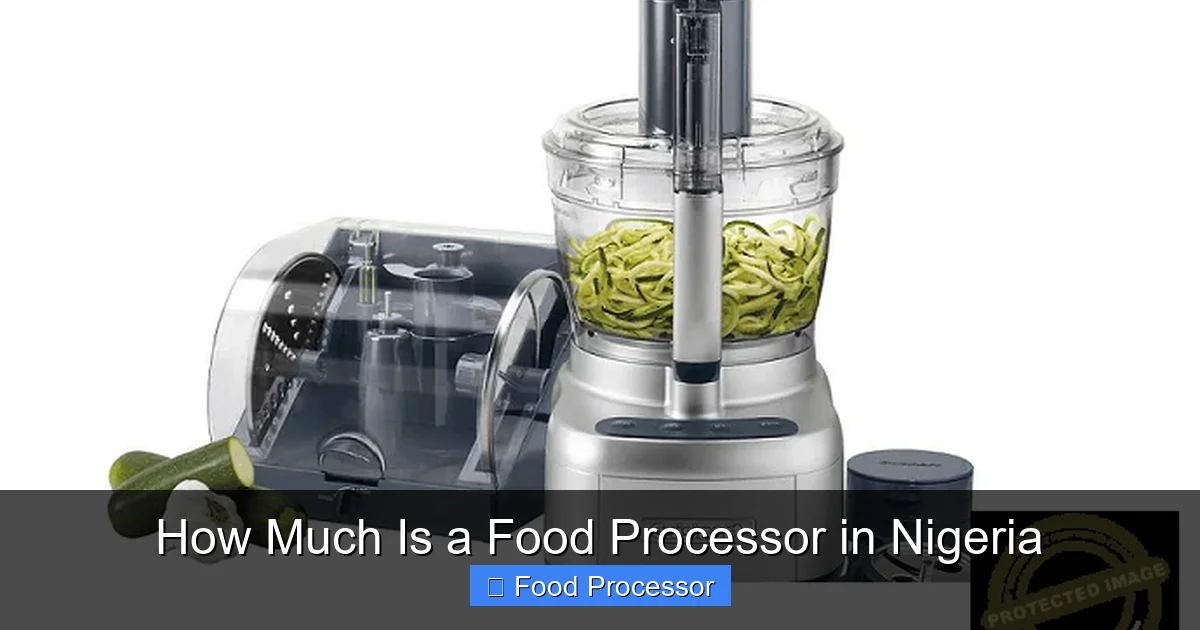
Visual guide about How Much Is a Food Processor in Nigeria
Image source: jumia.one
Online Marketplaces
Jumia Nigeria
Jumia is arguably the largest online marketplace in Nigeria. You’ll find a vast selection of food processors from various local and international brands, often with competitive pricing and regular discounts. It’s convenient for comparing models and reading customer reviews. Delivery options are available nationwide, though shipping fees apply. When checking Jumia, be sure to look for seller ratings and genuine product descriptions. We highly recommend checking out how much is a food processor in Nigeria Jumia to get current pricing directly from the platform.
Konga Nigeria
Konga is another prominent e-commerce platform offering a wide range of electronics, including food processors. Similar to Jumia, you can compare prices, read reviews, and benefit from promotional sales. Konga also offers nationwide delivery and various payment options. Both Jumia and Konga provide a level of buyer protection, which is a significant advantage over less formal purchasing channels for a food processor in Nigeria.
Other Online Stores
Some major electronics retailers or brand-specific stores may also have their own e-commerce websites (e.g., Binatone, Philips official stores). While the selection might be narrower, you can often be more confident in the authenticity of the product and warranty support when buying a food processor in Nigeria from these specialized sites.
Physical Retail Stores
Major Supermarkets and Department Stores
Supermarkets like Shoprite, Ebeano, Spar, and Market Square often stock a range of kitchen appliances, including food processors. While the selection might not be as extensive as online platforms, you have the advantage of seeing the product physically, asking questions from sales assistants, and often taking it home immediately. Prices might be slightly higher than online, but this is offset by the immediate availability and direct customer service when looking for a food processor in Nigeria.
Electronics Retailers
Dedicated electronics stores, such as Kolour, Fouani, or smaller independent appliance shops found in commercial hubs across cities like Lagos, Abuja, Port Harcourt, and Ibadan, offer a curated selection of food processors. These stores typically carry well-known brands and can provide expert advice. They are also usually the go-to place for warranty claims and after-sales support for a food processor in Nigeria.
Local Markets
For budget-conscious buyers, local markets (e.g., Alaba International Market in Lagos, GSM Village in Abuja) can offer significantly lower prices. However, caution is advised here. You might find non-branded items, second-hand processors, or products without official warranties. The risk of purchasing counterfeit goods or items with limited lifespan is higher. Always inspect the product thoroughly and negotiate prices if you choose this option for a food processor in Nigeria.
Estimated Price Ranges for Food Processors in Nigeria (as of Mid-2024)
It’s important to remember that these are estimated prices and can change due to economic conditions, retailer promotions, and new model releases. Use them as a guide to help you budget for a food processor in Nigeria.
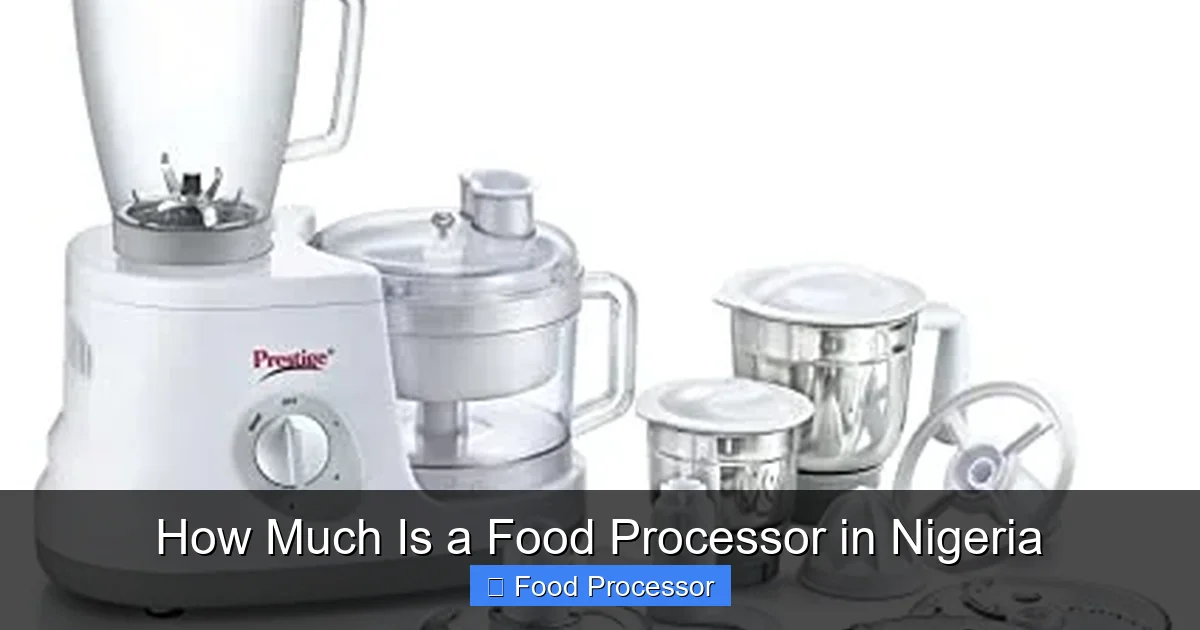
Visual guide about How Much Is a Food Processor in Nigeria
Image source: nigeriantech.com.ng
Entry-Level Food Processors (₦25,000 – ₦50,000)
- Capacity: Typically 3-7 cups.
- Power: 300W – 600W.
- Features: Basic chopping blade, sometimes a reversible slicing/shredding disc. Limited speed settings.
- Brands: Binatone, Century, Qasa, some smaller local brands, or less powerful models from brands like Philips or Russell Hobbs.
- Best For: Individuals or small families with basic chopping, blending, and mixing needs. Occasional use. This is often how much a food processor in Nigeria costs for simple tasks.
Mid-Range Food Processors (₦50,000 – ₦100,000)
- Capacity: 8-12 cups.
- Power: 600W – 1000W.
- Features: Multiple blades and discs (slicing, shredding, grating, kneading), pulse function, multiple speed settings, often a more robust design.
- Brands: Philips, Russell Hobbs, Kenwood (basic to mid-range models), Bosch (some models), and more advanced models from Binatone or Century.
- Best For: Medium-sized families, frequent cooks who need more versatility and durability for various tasks like pureeing, making dough, or shredding vegetables. This range offers a good balance of features and cost for a food processor in Nigeria.
High-End/Premium Food Processors (₦100,000 – ₦250,000+)
- Capacity: 12-16 cups or even larger.
- Power: 1000W – 1500W+.
- Features: Very powerful motors, a comprehensive set of attachments for every task, durable construction (often stainless steel components), advanced controls, food-grade BPA-free plastics, sometimes extra mini-bowls, and extended warranties.
- Brands: Cuisinart, KitchenAid, high-end Kenwood models, Bosch (premium models), Magimix.
- Best For: Large families, serious home chefs, those who cook frequently and extensively, or individuals who want the best performance, durability, and a wide range of functionalities. For those interested in premium brands, it’s good to know how much does a Cuisinart food processor cost as an example of a top-tier brand. This represents the higher end of how much a food processor in Nigeria can be.
Tips for Buying a Food Processor in Nigeria
Making an informed decision is key to getting the best value for your money and ensuring satisfaction with your purchase of a food processor in Nigeria. Here are some essential tips:
1. Define Your Needs and Budget
Before you even start looking, ask yourself: What will I primarily use the food processor for? How often will I use it? How many people do I usually cook for? Your answers will guide you towards the right size and power. Then, set a realistic budget for how much you’re willing to spend on a food processor in Nigeria. It’s easy to get swayed by fancy features, but sticking to your budget ensures you don’t overspend on functions you won’t use.
2. Research and Compare Prices
Don’t settle for the first price you see. Visit different online platforms and physical stores. Compare prices for similar models from various brands. Take advantage of sales periods, especially during festive seasons or major online shopping events. Remember to factor in potential shipping costs if buying a food processor in Nigeria online.
3. Check for Warranty and After-Sales Support
A warranty is your protection against manufacturing defects. Reputable brands and retailers in Nigeria should offer at least a 6-month to 1-year warranty. Confirm the warranty period and understand the process for repairs or replacements. Good after-sales support can be invaluable if you encounter any issues down the line with your food processor in Nigeria.
4. Read Customer Reviews
Online reviews offer real-world insights into a product’s performance and durability. Look for consistent feedback regarding motor strength, ease of cleaning, noise level, and overall user satisfaction. Be wary of products with very few or overwhelmingly negative reviews when choosing a food processor in Nigeria.
5. Prioritize Authenticity
The Nigerian market sometimes sees counterfeit products. To ensure you’re buying a genuine food processor, purchase from authorized dealers, official brand stores, or well-known online marketplaces. If a deal seems too good to be true, it probably is. A food processor is an investment, so ensuring its authenticity is crucial for long-term use and safety.
6. Consider Features and Attachments Wisely
While extra attachments are appealing, think about which ones you’ll genuinely use. Paying a premium for a julienne disc or a citrus juicer attachment is only worthwhile if these are functions you truly need. Conversely, if you frequently bake, a kneading blade is a must-have. For a broader perspective, you can also explore what to consider when buying a food processor to ensure you make the best choice.
Maximizing Your Investment
Once you’ve made your purchase of a food processor in Nigeria, getting the most out of it involves understanding its capabilities and maintaining it properly. A food processor is a powerful appliance designed for efficiency. It can handle a multitude of tasks from chopping onions in seconds to finely grating cheese, or even preparing a smooth pesto. Familiarize yourself with all the included attachments and their specific uses. Many food processors are also quite versatile; for instance, some models can even be used as a blender for certain tasks, blurring the lines between these two kitchen workhorses.
Regular cleaning is essential for longevity. Most food processor parts are dishwasher-safe, but always check your manual. For blades, careful handwashing is recommended to protect the sharp edges. Proper storage of all components prevents loss or damage. By taking good care of your food processor, you ensure it remains a reliable helper in your kitchen for many years, truly maximizing the investment you’ve made in your food processor in Nigeria.
Conclusion
Finding the answer to “how much is a food processor in Nigeria” isn’t just about a single number; it’s about understanding the diverse landscape of options available and how various factors influence the final cost. From compact, budget-friendly models suitable for occasional use to powerful, feature-rich machines designed for avid cooks, there’s a food processor for every need and wallet in Nigeria.
Remember to consider the brand, capacity, motor power, and included attachments when making your choice. Shop wisely by comparing prices across online platforms like Jumia and Konga, and reputable physical stores. Always prioritize models with good warranties and genuine products. By following the tips outlined in this guide, you can confidently navigate the market and find a food processor that not only fits your budget but also elevates your culinary experience in Nigeria. Happy cooking!
