
Choosing the right food processor can transform your kitchen experience, making meal prep faster and easier. This comprehensive guide will walk you through the essential factors to consider, from understanding your cooking habits to evaluating bowl capacity, motor power, and crucial attachments. By focusing on your specific needs and budget, you can confidently select a food processor that perfectly fits your culinary adventures, ensuring efficiency and joy in your kitchen for years to come.
How to Choose the Right Food Processor
Bringing a food processor into your kitchen is like gaining an extra set of hands – incredibly efficient and versatile. It can chop, slice, shred, grate, mix, and even knead dough in mere seconds, transforming your cooking routine. But with so many models, sizes, and features available, how do you choose the right food processor that truly fits your needs and lifestyle? It can feel a bit overwhelming, right?
Don’t worry, you’re in the perfect place! This comprehensive guide is designed to demystify the process of buying a food processor. We’ll walk you through everything you need to consider, from understanding your personal cooking habits to evaluating crucial specifications and features. By the end, you’ll feel confident in selecting a food processor that will be a cherished and indispensable tool in your culinary adventures for years to come. Let’s dive in!
Key Takeaways
- Assess Your Needs First: Before anything else, consider what tasks you’ll primarily use the food processor for and how often you’ll be cooking. This helps determine the necessary power and specific attachments.
- Size Matters for Capacity: Choose a bowl capacity (mini, mid-size, full-size) that matches your typical batch sizes and available counter space. A common mistake is buying a unit too small or too large for regular use.
- Prioritize Motor Power: Opt for higher wattage (500W+) for tougher tasks like kneading dough or grinding nuts, ensuring your food processor can handle demanding jobs without straining.
- Evaluate Blades and Discs: Look beyond the standard S-blade. Assess if included slicing, shredding, and dough blades meet your specific cooking requirements, or if you’ll need to purchase additional accessories.
- Focus on User-Friendly Features: Consider a wide feed chute for less pre-cutting, intuitive controls, sturdy construction for stability, and dishwasher-safe parts for easy cleanup.
- Balance Brand and Budget: Research reputable brands known for durability and performance, but also set a realistic budget. Sometimes, a slightly higher investment upfront means a more reliable and long-lasting food processor.
- Read Reviews and Warranty Information: Don’t skip user reviews for real-world insights into a model’s performance and longevity. Always check the warranty for peace of mind regarding your investment.
Step 1: Understand Your Culinary Needs and Habits
Before you even start looking at models, the most crucial step is to understand what you truly need from a food processor. Think about your cooking style, how often you cook, and the types of dishes you prepare regularly. This self-assessment will be your compass in navigating the vast world of kitchen appliances.
What Will You Primarily Use Your Food Processor For?
Food processors are incredibly versatile, but different models excel at different tasks. Consider what you’ll be doing most often:
- Daily Chopping and Slicing: If you frequently chop vegetables for salads, stir-fries, or mirepoix, or slice cucumbers and tomatoes, you’ll need a food processor with good blades and perhaps an adjustable slicing disc. A wide feed chute will also be a major plus here.
- Shredding Cheese or Vegetables: Love freshly shredded cheese for tacos or grating carrots for salads? A strong shredding disc is essential. Many models come with reversible discs for fine or coarse shredding. Knowing how to use your food processor to shred cabbage, for instance, can save you a lot of time.
- Pureeing and Sauces: Making hummus, pestos, baby food, or smooth soups? A powerful motor and a sharp S-blade are key for achieving silky smooth textures.
- Dough Kneading: If you bake bread, pizza, or pies, a food processor with a sturdy dough blade and a high-wattage motor can be a game-changer. It takes the heavy lifting out of kneading.
- Nut Butters and Grinding: For making homemade nut butter or grinding nuts and seeds, you’ll definitely need a robust motor that can handle dense, sticky ingredients without overheating.
- General Meal Prep: Perhaps you just want a general-purpose machine to speed up various tasks for family meals. In this case, a well-rounded, mid-to-full-size model with multiple attachments would be ideal.
How Often Will You Use It?
Your frequency of use directly impacts the durability and investment you should consider:
- Occasional Use: If you only plan to use your food processor once a month or for specific recipes, a more basic, less expensive model might suffice. You don’t necessarily need a top-of-the-line appliance.
- Regular Use (Weekly): For weekly meal prep or cooking for a small family, a mid-range model with decent power and a good set of standard attachments will be a smart investment.
- Daily or Heavy Use: If you’re a passionate home cook, entertain often, or have a large family, investing in a high-end, durable food processor with a powerful motor and a comprehensive range of attachments will pay off in the long run. These models are built to withstand frequent, demanding tasks.
Understanding these aspects will help you narrow down your choices significantly. It’s also worth thinking about what are the advantages of a food processor in general, to ensure it aligns with your overall cooking philosophy.
Step 2: Determine the Right Size (Bowl Capacity)
The size of your food processor’s work bowl is one of the most critical decisions. It determines how much food you can process at once. Getting this wrong can lead to frustration – either constantly having to process in small batches or having a massive machine take up too much counter space.
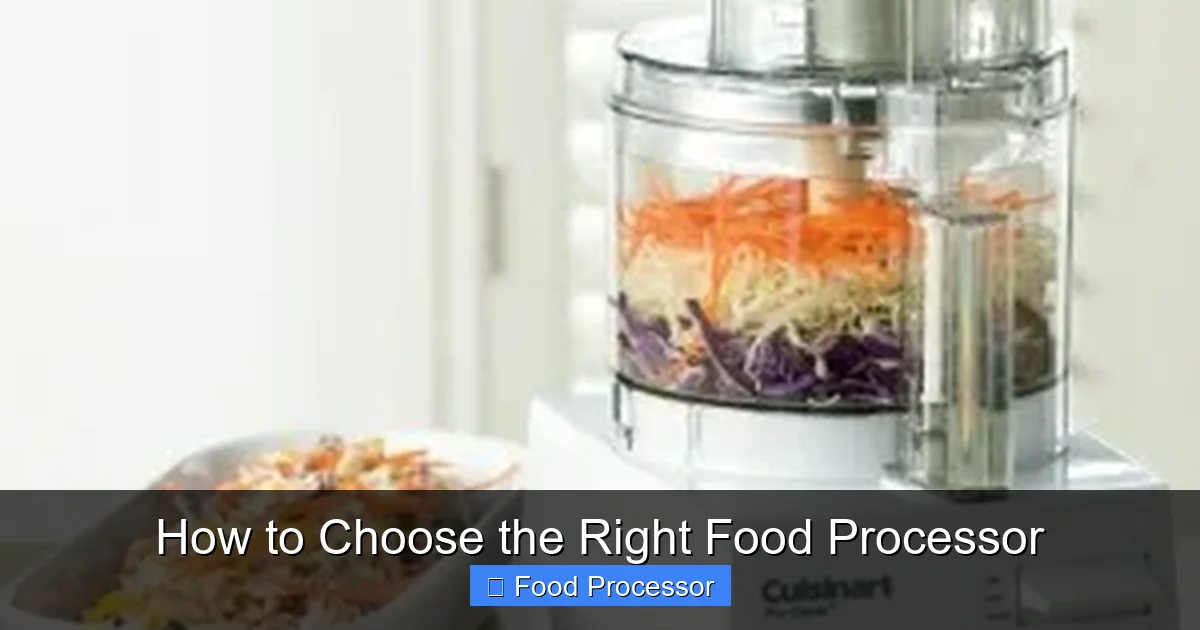
Visual guide about How to Choose the Right Food Processor
Image source: stepbystep.com
Consider Your Batch Sizes and Family Size
Food processors come in a range of sizes, typically measured in cups:
-
Mini or Compact Food Processors (1-4 cups)
These smaller units are perfect for single servings, small batches of dips, dressings, or chopping a single onion or a few cloves of garlic. They are space-saving and ideal for individuals or couples with limited kitchen space. However, they lack the power and capacity for larger tasks like kneading dough or processing a whole head of cabbage.
-
Mid-Size Food Processors (5-10 cups)
This is often considered the sweet spot for many home cooks. A 7-cup to 9-cup food processor is versatile enough for most daily tasks, like shredding a block of cheese, making a batch of hummus, or slicing vegetables for a family of four. They offer a good balance between capacity and countertop footprint.
-
Full-Size Food Processors (10-16+ cups)
If you cook for a large family, entertain frequently, or regularly prepare large quantities of food (e.g., big batches of soup, dough for multiple loaves of bread, large quantities of shredded vegetables), a 12-cup or 14-cup food processor is your best bet. These provide ample space for processing larger ingredients without needing to empty the bowl repeatedly. Keep in mind they do require more storage and counter space. For a more detailed look, check out our guide on how to choose the right size food processor.
Consider Your Counter and Storage Space
Don’t forget to measure! A powerful, large food processor is fantastic, but not if it doesn’t fit under your cabinets or has no dedicated storage spot. Mini choppers are easy to tuck away, while full-size models often demand a permanent spot on the counter. Also, consider the weight; heavier models are more stable but less convenient to move in and out of storage.
Step 3: Evaluate Motor Power and Performance
The motor is the heart of your food processor. Its power, typically measured in watts, dictates how efficiently and effectively the appliance can handle various ingredients, especially tougher ones.
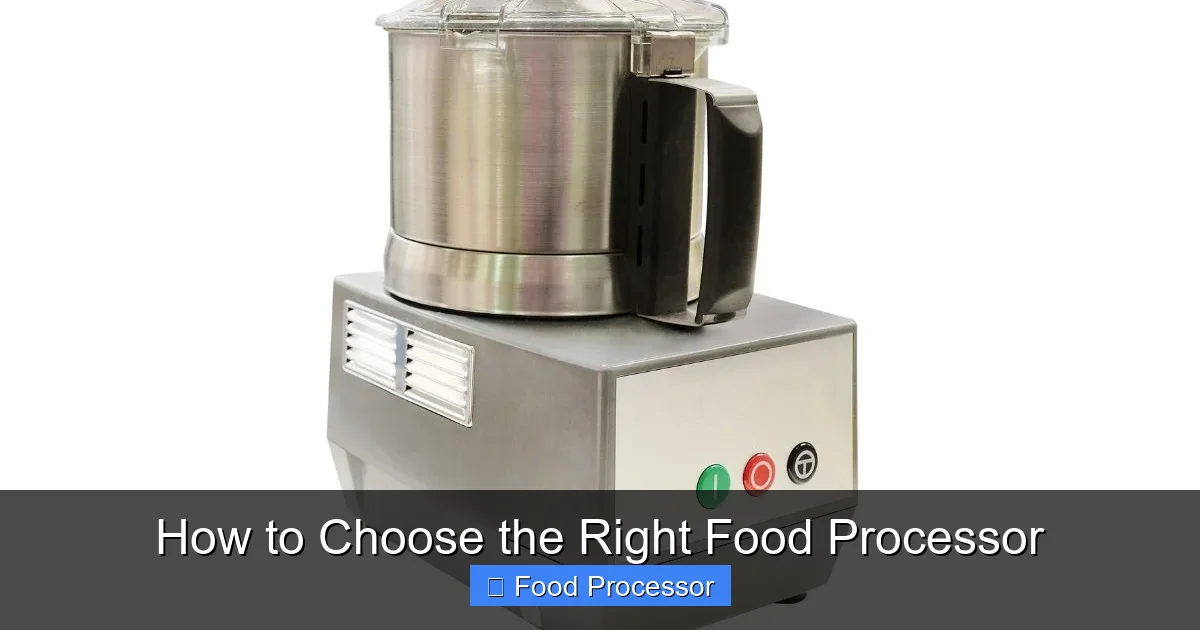
Visual guide about How to Choose the Right Food Processor
Image source: msbkitchen.com
Wattage Matters for Tough Tasks
- Lower Wattage (300-600W): Found in smaller, more basic models. These are fine for light tasks like chopping soft vegetables, making dressings, or pureeing cooked foods. They might struggle with dense ingredients, large batches, or kneading dough.
- Mid-Range Wattage (600-1000W): Most mid-size and some full-size food processors fall into this category. They offer a good balance of power for most common kitchen tasks, including shredding harder cheeses, slicing firmer vegetables, and general mixing.
- High Wattage (1000W+): Premium and professional-grade food processors boast motors in this range. These are essential if you plan to frequently knead stiff doughs, grind meat, make nut butters, or process large quantities of hard ingredients. Higher wattage means less strain on the motor and a longer lifespan for the appliance.
Direct Drive vs. Belt Drive
While less common to advertise, understanding the motor type can be helpful:
- Direct Drive: The motor is directly connected to the blade shaft, offering more efficient power transfer and typically found in higher-end, more durable models. These often come with longer warranties on the motor.
- Belt Drive: Power is transferred via a belt. These can be less efficient and potentially less durable over time, though modern designs have improved significantly.
Look for a model with a robust motor and a good warranty, especially if you plan on tackling demanding tasks. A powerful motor ensures consistent results and less risk of overheating or stalling.
Step 4: Assess Blade and Disc Attachments
Beyond the motor, the quality and variety of attachments truly unlock the potential of your food processor. These are what allow it to perform all those amazing tasks.
Essential Attachments to Look For
-
S-Blade (Chopping/Mixing Blade)
This is the workhorse. Almost all food processors come with one. It’s used for chopping, mincing, mixing, pureeing, and emulsifying. Look for a durable, sharp stainless steel S-blade that fits snugly onto the central post.
-
Slicing Discs
These are horizontal discs with blades that allow you to quickly slice vegetables, fruits, and even some meats.
- Fixed Slicing Disc: Slices at one specific thickness.
- Adjustable Slicing Disc: A highly desirable feature! This allows you to set the slicing thickness from paper-thin to thick, offering incredible versatility. If you frequently slice ingredients, an adjustable disc is a must-have.
-
Shredding/Grating Discs
Similar to slicing discs, these have perforations or blades for shredding cheese, vegetables (like carrots or potatoes), or even nuts. Many models include a reversible shredding disc (one side for fine, the other for coarse). This is incredibly handy for everything from coleslaw to hash browns. For instance, knowing the best way to shred cabbage in a food processor relies heavily on a good shredding disc.
-
Dough Blade
Often made of plastic, this blade is designed for kneading dough without overworking it. If you plan to make bread, pizza dough, or pie crusts in your food processor, ensure your chosen model comes with a dedicated dough blade and has sufficient motor power to handle thick dough.
-
Other Specialty Attachments
Some food processors come with additional accessories:
- Julienne Disc: For cutting matchstick-sized pieces.
- Whipping Disc: For whipping cream or egg whites.
- Citrus Juicer: A convenient attachment for fresh juice.
- Small Bowl/Blade Inserts: Some full-size models include a smaller work bowl and blade that fits inside the main bowl, perfect for processing small quantities without needing a separate mini chopper. This is a brilliant feature for versatility.
Consider which attachments are most relevant to your cooking. While a comprehensive set is nice, you might pay more for accessories you’ll never use. Focus on the ones that match your primary needs.
Step 5: Check Features and Design for Usability
A food processor isn’t just about power and blades; its overall design and user-friendly features can significantly impact your experience. Think about ease of use, safety, and cleaning.
Feed Chute Size and Design
- Wide Feed Chute: A wide feed chute means less pre-cutting of ingredients. This is a huge time-saver. You can often drop in whole potatoes, tomatoes, or blocks of cheese.
- Narrow Pusher: Some chutes include a smaller inner pusher, allowing you to process thinner ingredients like carrots or celery more stably, preventing them from flopping around.
- Oil Drizzle Hole: A small opening in the pusher is great for slowly adding liquids (like oil for mayonnaise or dressings) while the machine is running, creating perfect emulsions.
Controls and Speed Settings
- Simple On/Off Buttons: Basic models usually have just these.
- Pulse Button: Absolutely essential! The pulse function gives you short bursts of power, allowing for precise control over consistency – perfect for coarse chopping or avoiding over-processing.
- Multiple Speeds: Some models offer low, medium, and high speeds, providing more control for various tasks. While useful, a good pulse function often negates the need for many speed settings.
- Touchpads vs. Dials: Touchpads are often easier to clean, while dials might offer a more tactile feel for some users.
Stability and Durability
A good food processor should feel solid and heavy. Look for:
- Heavy Base: A weighty base prevents the unit from “walking” across your counter, especially when processing heavy loads or kneading dough.
- Suction Cup Feet: These provide extra grip and stability.
- Sturdy Construction: High-quality plastics, stainless steel components, and robust locking mechanisms indicate better durability.
Ease of Cleaning
Let’s be honest, cleanup can be a chore. Look for features that make it easier:
- Dishwasher-Safe Parts: Bowls, lids, and blades that can go into the dishwasher are a massive time-saver. Always check specific care instructions.
- Minimal Crevices: Fewer nooks and crannies mean less food can get trapped.
- Sealed Buttons/Touchpads: These are easier to wipe clean than raised buttons where gunk can accumulate.
Safety Features
Modern food processors typically have safety mechanisms:
- Lid Lock: The machine won’t operate unless the bowl and lid are properly secured and locked into place. This is a standard and crucial safety feature.
- Overload Protection: Shuts off the motor if it detects too much strain, preventing damage.
Choosing a food processor with thoughtful design features makes a huge difference in how enjoyable and efficient it is to use every day. If you want to make sure you’re using it to its full potential, learning how to get the most out of your food processor is a great next step after purchase.
Step 6: Consider Brand Reputation and Price
Once you have an idea of the features you need, it’s time to think about brands and how much you’re willing to spend. There’s a wide range of options at every price point.
Reputable Brands
Certain brands have built a strong reputation for quality and innovation in the food processor market:
- Cuisinart: Often considered the pioneer in home food processors, Cuisinart offers a wide range of models known for their robust motors and durable construction.
- KitchenAid: Known for their stand mixers, KitchenAid also produces reliable and stylish food processors, often with intuitive designs.
- Breville: A premium brand, Breville food processors are praised for their powerful motors, innovative features (like adjustable slicing discs), and sleek aesthetics.
- Magimix: A European brand known for its exceptional durability, silent operation, and long warranties, often favored by serious cooks.
- Ninja, Hamilton Beach, Black+Decker: These brands offer more budget-friendly options, often suitable for occasional use or those with simpler needs.
Reading user reviews and professional comparisons for specific models from these brands can provide valuable insights into real-world performance and longevity.
Set a Realistic Budget
Food processor prices can range from under $50 for mini choppers to over $500 for high-end, professional-grade machines.
- Entry-Level ($50-$150): Typically smaller, less powerful, and with fewer attachments. Good for light, occasional use.
- Mid-Range ($150-$300): Offers a good balance of power, capacity (usually 7-12 cups), and essential attachments for most home cooks. This is where most people find their ideal food processor.
- High-End ($300+): Premium brands, powerful motors, larger capacities (12-16+ cups), more advanced features like adjustable slicing, and often superior build quality for heavy, frequent use.
While it’s tempting to go for the cheapest option, remember that a food processor is an investment. Spending a little more upfront for a quality model that meets your needs can save you money and frustration in the long run, as it will likely last longer and perform better.
Step 7: Read Reviews and Check Warranties
You’ve done your homework on your needs, size, power, and features. Now it’s time for the final checks.
Scrutinize User Reviews
Before making a final decision, always read reviews from other users. Look for common themes:
- Consistent Performance: Do people report that it consistently performs well for the tasks you care about?
- Durability Concerns: Are there frequent complaints about parts breaking or the motor failing prematurely?
- Ease of Use/Cleaning: Do users find it easy to assemble, operate, and clean?
- Noise Levels: While most food processors are somewhat noisy, some are significantly louder than others.
- Customer Service: How does the brand handle issues or warranty claims?
Websites of major retailers, consumer review sites, and kitchen appliance blogs are excellent sources for this information.
Understand the Warranty
A good warranty is a sign of a manufacturer’s confidence in their product. Look for:
- Overall Appliance Warranty: Typically 1-3 years for the entire unit.
- Motor Warranty: High-quality food processors, especially those with powerful direct-drive motors, often come with extended warranties (5, 10, or even 20 years) specifically for the motor. This is a strong indicator of durability.
- Coverage Details: Understand what the warranty covers and what it excludes.
A longer warranty, particularly on the motor, offers peace of mind and protects your investment.
Troubleshooting Your Choice: What If You Picked the Wrong Food Processor?
Sometimes, even after careful consideration, you might realize your chosen food processor isn’t quite right. Here are a few common scenarios and what they indicate about your initial choice:
- “My food processor bowl is always too small!” This is a clear sign you underestimated your batch sizes. Next time, opt for a mid-to-full-size model (10-14 cups). You might also consider if getting more out of your food processor by optimizing batching could help in the interim.
- “The motor struggles with dough or nuts.” Your food processor likely has insufficient wattage for tough tasks. For heavy-duty jobs, you need a motor of 1000W or more.
- “Cleaning this thing is a nightmare.” This suggests you didn’t prioritize ease of cleaning. Look for models with dishwasher-safe parts and minimal crevices next time.
- “I constantly have to pre-cut everything.” Your feed chute is too narrow. A wider feed chute is a game-changer for reducing prep time.
- “It chops unevenly, or leaves big chunks.” The S-blade might not be sharp enough, or the motor might be too weak to create a consistent vortex. Pulse control is also key here.
If you’re already experiencing these issues, it might be time to reconsider your initial choice or explore if different techniques could help you maximize your current unit’s performance. For instance, knowing how to assemble a food processor step by step correctly can sometimes improve performance by ensuring all parts are seated properly.
Conclusion: Your Perfect Culinary Partner Awaits!
Choosing the right food processor is about making an informed decision that aligns with your unique cooking needs and kitchen setup. By taking the time to consider bowl capacity, motor power, essential attachments, user-friendly features, brand reputation, and budget, you’re well on your way to finding the perfect culinary assistant.
A well-chosen food processor isn’t just another gadget; it’s an investment in efficiency, creativity, and enjoyment in the kitchen. It will empower you to tackle new recipes, speed up meal prep, and effortlessly create delicious dishes for yourself, your family, and your friends. So, go forth with confidence, use this guide as your roadmap, and soon you’ll be enjoying the countless benefits of your ideal food processor!
