

A food processor is a true kitchen powerhouse, ready to tackle a multitude of tasks that simplify meal prep. From chopping and dicing vegetables in seconds to shredding cheese, kneading dough, and pureeing creamy sauces, its versatility is unmatched. This guide will help you unlock its full potential, transforming your cooking experience and saving you precious time.
What Can You Use in a Food Processor
Ah, the food processor! It’s one of those kitchen appliances that, once you have it, you wonder how you ever lived without it. More than just a simple chopper, a good food processor can be a true game-changer in your kitchen, slicing minutes off your prep time and opening up a world of culinary possibilities. But if you’re new to the world of food processors, or perhaps you’ve only used yours for a few basic tasks, you might be surprised by its true potential.
In this comprehensive guide, we’re going to dive deep into all the amazing things you can use in a food processor. We’ll explore its versatile functions, break down common uses, share practical tips, and even touch on what to avoid. By the end, you’ll feel confident harnessing the full power of your food processor, making your cooking journey easier and more enjoyable.
Key Takeaways
- Embrace Versatility: A food processor is far more than just a chopper; it’s a multi-functional appliance capable of shredding, slicing, pureeing, mixing dough, and even emulsifying.
- Understand Your Attachments: Familiarize yourself with the different blades and discs (S-blade, shredding disc, slicing disc) to maximize your food processor’s capabilities for various tasks.
- Master the Pulse Function: The pulse button is your best friend for precise control, preventing over-processing and achieving the perfect consistency for chopped ingredients, nuts, or dough.
- Proper Ingredient Preparation is Key: Cut larger ingredients into uniform, manageable pieces before adding them to the food processor to ensure even processing and prevent motor strain.
- Know Its Limitations: While powerful, a food processor isn’t ideal for extremely hot liquids, grinding whole coffee beans to a fine powder, or crushing large quantities of ice unless specifically designed for it.
- Don’t Overload the Bowl: Processing in batches is crucial for efficient results and to avoid taxing the motor of your food processor, especially with denser ingredients.
- Clean Promptly: Disassemble and clean your food processor parts immediately after use to prevent food from drying on them, making cleanup much easier and ensuring hygiene.
Understanding Your Food Processor: Blades and Discs
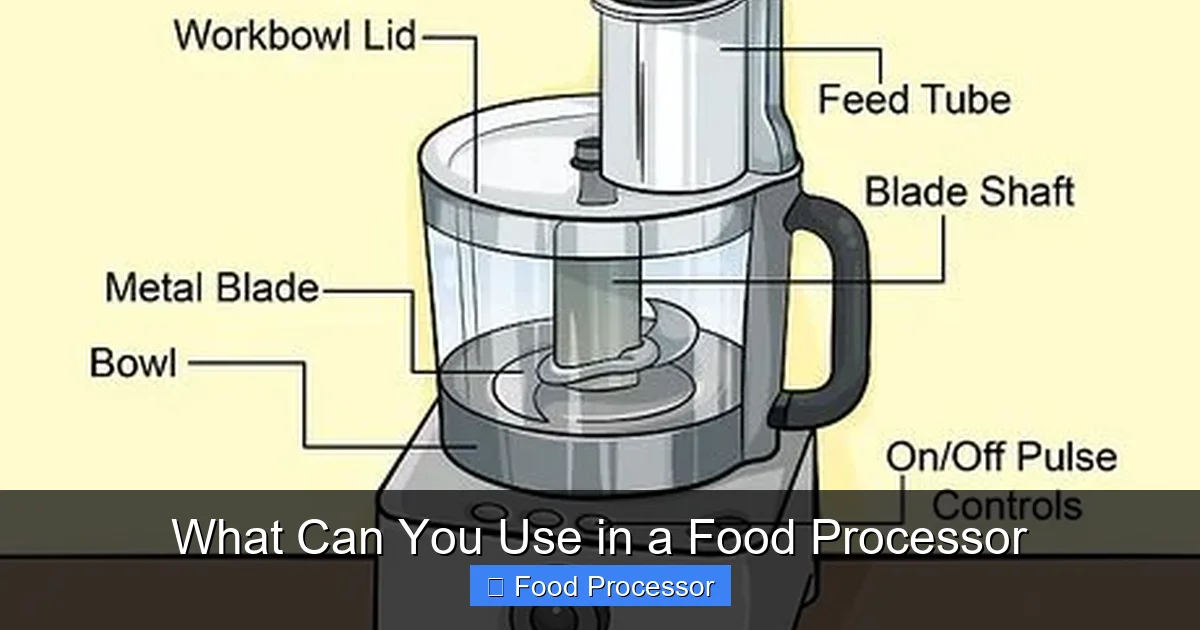
Before we jump into the “what,” let’s quickly understand the “how.” The magic of a food processor lies in its interchangeable attachments. Most models come with a few key pieces that make all the difference:
The S-Blade (or Chopping Blade)
This is the workhorse of your food processor. Shaped like an “S,” this blade sits at the bottom of the bowl and is used for most chopping, mincing, pureeing, and mixing tasks. It’s incredibly versatile.
Shredding Disc
Often a reversible disc with different size grates on each side, the shredding disc is designed to quickly shred ingredients like cheese or vegetables. It saves you tons of arm work compared to a box grater.
Slicing Disc
Similar to the shredding disc, this attachment features a sharp blade that consistently slices ingredients to a uniform thickness. Think perfectly even cucumber slices or potato rounds.
Dough Blade (or Plastic S-Blade)
Some food processors come with a plastic version of the S-blade. This is specifically designed for mixing and kneading dough without overworking it or heating it up too much, which can happen with a metal blade.
Emulsifying/Whipping Disc
Less common but still found in some models, this disc is often a plastic attachment used for whipping cream, egg whites, or emulsifying dressings and mayonnaise.
Core Uses of Your Food Processor
Now that you know your tools, let’s explore the incredible array of ingredients and preparations your food processor can handle.
Visual guide about What Can You Use in a Food Processor
Image source: thespruceeats.com
1. Chopping and Mincing Vegetables
This is probably the most common use for a food processor, and for good reason! It can chop an onion in mere seconds, saving your eyes and your time.
- Onions, Garlic, and Herbs: Say goodbye to tedious hand-chopping. A few pulses will finely mince garlic or chop onions for any recipe. For herbs, ensure they are dry to prevent clumping.
- Carrots, Celery, Peppers: Dice these foundational vegetables quickly for soups, stews, or stir-fries. Cut them into roughly 1-inch pieces before adding to the food processor for even results.
- Nuts: From coarse chops for toppings to finely ground for baking, a food processor handles nuts effortlessly.
- Making Pesto: Combine fresh basil, pine nuts, garlic, Parmesan, and olive oil in your food processor for a vibrant, homemade pesto in minutes.
- Salsa or Relishes: Pulse tomatoes, onions, cilantro, and jalapeños for a chunky or smooth salsa. For a chunky salsa, remember to pulse in short bursts and avoid over-processing.
2. Shredding Cheese and Vegetables
Tired of grating cheese by hand? Your food processor makes this task unbelievably easy and fast.
- Cheese: Hard and semi-hard cheeses like cheddar, mozzarella, and Parmesan are perfect for shredding. For the best results, ensure your cheese is firm and cold. Cut it into pieces that fit easily into the feed tube. If you’re wondering how effective it is, you might want to read more about can you use food processor to shred cheese – it’s a huge time-saver!
- Cabbage: Need shredded cabbage for coleslaw or sauerkraut? The shredding disc will make light work of an entire head. To learn the best techniques, check out our guide on how to use food processor to shred cabbage.
- Carrots, Zucchini, Potatoes: Quickly shred these vegetables for salads, fritters, baked goods, or hash browns.
3. Slicing Fruits and Vegetables
Achieve perfectly uniform slices every time with the slicing disc, making your dishes look professionally prepared.
- Cucumbers, Tomatoes, Zucchini: Ideal for salads, gratin dishes, or dehydrating.
- Potatoes: Slice potatoes thinly for au gratin, chips, or scalloped potatoes.
- Apples, Pears: Great for tarts, crisps, or quick snacks.
4. Pureeing and Blending
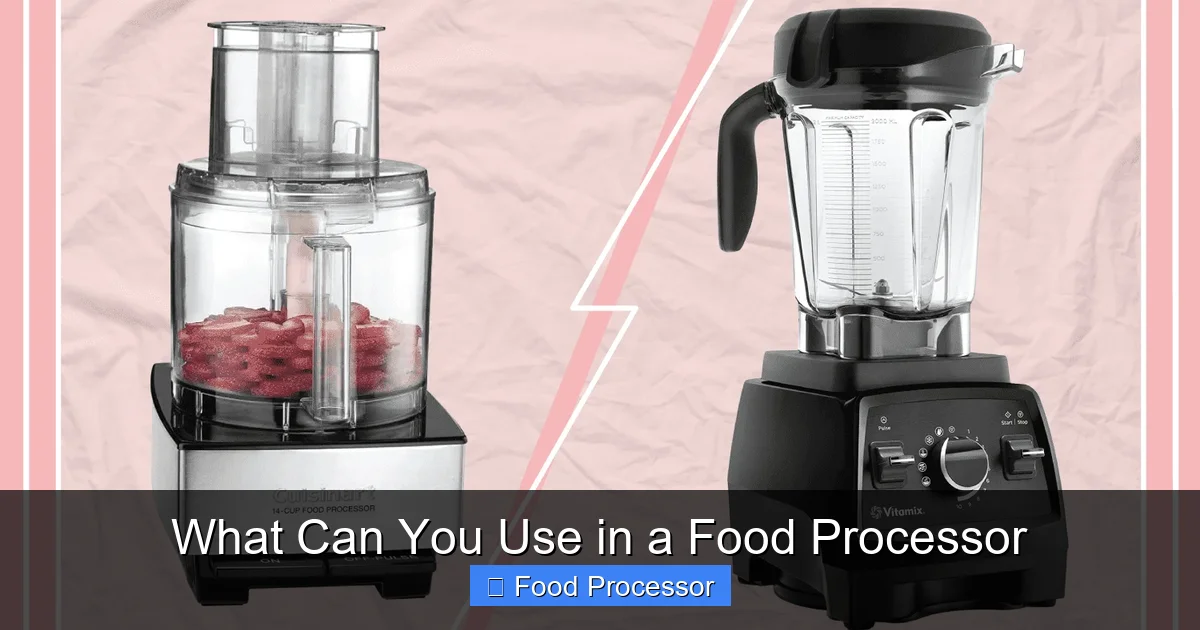
While a blender is often the go-to for very smooth liquids, a food processor excels at thick purees and pastes.
- Soups and Sauces: Create creamy vegetable soups, smooth pasta sauces, or fruit purees. For hot ingredients, let them cool slightly before adding to prevent steam buildup.
- Hummus and Dips: The S-blade makes incredibly smooth and creamy hummus, bean dips, and spreads. If you’re debating between appliances, you might wonder should I use a blender or food processor for hummus. Often, the food processor is preferred for its ability to create that perfect, thick texture.
- Baby Food: Easily puree cooked fruits and vegetables into nutritious homemade baby food.
- Nut Butters: With enough time and patience (and scraping down the sides), you can transform roasted nuts into creamy, homemade nut butter.
5. Making Dough
Yes, your food processor can make baking much less messy and labor-intensive!
- Pie Crusts and Pastry Dough: The cold butter and flour come together quickly without overworking the gluten, resulting in flaky, tender crusts.
- Cookie Dough: Mix ingredients for many cookie doughs efficiently.
- Bread Dough: Some food processor models with a powerful motor and a dedicated dough blade can even knead bread dough, though often for smaller batches than a stand mixer.
6. Grinding and Crushing
From fine crumbs to coarser grinds, the food processor is excellent for many dry ingredients.
- Breadcrumbs: Transform stale bread into fresh breadcrumbs for coatings or toppings.
- Crackers and Cookies: Crush them for pie crusts or dessert bases.
- Oats: Make oat flour by processing rolled oats.
- Spices: Grind whole spices like cumin seeds or coriander for fresher flavors, though for very fine powders, a dedicated spice grinder might be better.
- Coffee Beans: While a dedicated grinder is best for consistent grounds, a food processor can grind coffee beans in a pinch. However, be aware that it might produce a coarser, less uniform grind. To avoid an uneven grind, pulse briefly. If you want to know more about this, explore our article on can you use food processor to grind coffee.
7. Emulsifying and Whipping
Achieve stable emulsions and light textures with the right blade or disc.
- Mayonnaise: Drizzle oil slowly through the feed tube while the food processor runs to create rich, creamy homemade mayonnaise.
- Dressings and Vinaigrettes: Easily combine ingredients and emulsify oils and vinegars.
- Whipped Cream: Some food processors with a whipping disc can whip heavy cream to soft or firm peaks.
What to Be Cautious About (or Avoid) in Your Food Processor
While incredibly versatile, there are a few things your food processor isn’t best suited for, or requires extra care:
Visual guide about What Can You Use in a Food Processor
Image source: kitchencities.com
- Very Hot Liquids: The sealed nature of the food processor bowl can create pressure with hot liquids, potentially causing splashes or even damage. Let hot ingredients cool before processing.
- Too Much Liquid: Most food processor bowls are not completely watertight, especially around the blade spindle. Excess liquid can leak out, creating a mess. For large quantities of thin liquids, a blender is usually a better choice.
- Whole Coffee Beans (for fine grinds): As mentioned, a food processor can grind coffee beans, but it often yields an inconsistent, coarser grind unsuitable for espresso or pour-over. For precise, fine grounds, a burr grinder is superior.
- Large Ice Cubes: While some robust food processors can handle ice, many standard models are not designed for it. Crushing hard ice can dull blades or strain the motor. If you must use ice, ensure your food processor is rated for it, and use smaller cubes. You can find more specific advice on is it safe to put ice in a food processor.
- Bones or Very Hard Shells: These can damage the blades and motor.
- Sticky, Dense Doughs (in large quantities): While good for many doughs, very stiff or large batches of dough can overwork the motor of smaller food processors.
- Small Quantities: For tiny amounts of garlic or a few herbs, the S-blade might just push them around. Sometimes, a mini food processor or a knife is more efficient for very small tasks.
Tips for Best Results with Your Food Processor
To get the most out of your food processor, keep these practical tips in mind:
- Cut Ingredients Uniformly: For even chopping or slicing, cut larger ingredients into pieces that are roughly the same size before adding them to the food processor bowl. This helps the blades process everything consistently.
- Don’t Overload the Bowl: Process ingredients in batches if necessary. Overfilling can lead to uneven results, put strain on the motor, and potentially cause leaks. Aim for no more than two-thirds full for most tasks.
- Use the Pulse Function: This is your best friend! Short bursts of power give you precise control, preventing ingredients from turning into mush. Pulse until you reach your desired consistency, then stop.
- Scrape Down the Sides: Ingredients can stick to the sides of the bowl. Periodically stop the food processor and scrape down the sides with a spatula to ensure everything is incorporated evenly.
- Chill Your Ingredients: For shredding cheese or making dough, cold ingredients work best. Cold cheese is firmer and shreds cleanly, while cold butter in dough prevents it from becoming greasy.
- Clean Promptly: Disassemble and wash your food processor parts immediately after use. This prevents food from drying and sticking, making cleanup much easier. Most bowls, lids, and blades are top-rack dishwasher safe, but always check your manufacturer’s instructions.
- Always Assemble Correctly: Ensure the bowl, blade/disc, and lid are securely locked into place before turning on the food processor. This is crucial for both safety and proper operation.
Troubleshooting Common Food Processor Issues
Even with the best intentions, you might run into a few snags. Here’s how to troubleshoot common food processor problems:
- Uneven Chopping or Processing:
- Problem: Some pieces are finely chopped, while others are still large.
- Solution: Ensure ingredients are cut into similar-sized pieces before adding. Don’t overload the bowl; process in smaller batches. Use the pulse function more frequently, stopping to scrape down the sides if needed.
- Liquid Leaking from the Bowl:
- Problem: Liquid seeps out from under the lid or around the central spindle.
- Solution: You might have too much liquid, or the liquid level is too high for your food processor’s design. Remember that food processor bowls are not typically watertight like blender jars. Reduce the amount of liquid or switch to a blender for very wet tasks. Always ensure the lid is properly sealed.
- Motor Straining or Stopping:
- Problem: The motor sounds overworked, or the food processor stops mid-task.
- Solution: You’ve likely overloaded the food processor with too many ingredients or pieces that are too large/hard. Unplug, remove some ingredients, cut larger pieces into smaller ones, and try again in smaller batches. If your food processor has an overload protection feature, it might have automatically shut off; let it cool down before restarting.
- Blade Not Spinning or Moving:
- Problem: The motor is on, but the blade isn’t rotating.
- Solution: Check that the bowl and lid are correctly assembled and locked into place. Most food processors have safety interlocks that prevent operation if not assembled properly. Also, ensure the blade is correctly seated on the spindle.
Conclusion
Your food processor is a powerful and versatile ally in the kitchen, capable of handling a wide array of tasks that simplify meal preparation and expand your culinary repertoire. From effortlessly chopping vegetables and shredding cheese to kneading dough and pureeing delicious sauces, its utility is immense. By understanding its different blades and discs, practicing good technique with the pulse function, and knowing its limitations, you can unlock the full potential of this indispensable appliance.
So, go ahead – experiment! With this guide in hand, you’re well-equipped to use your food processor for a myriad of delicious creations, saving you time and effort every step of the way. Happy cooking!
