

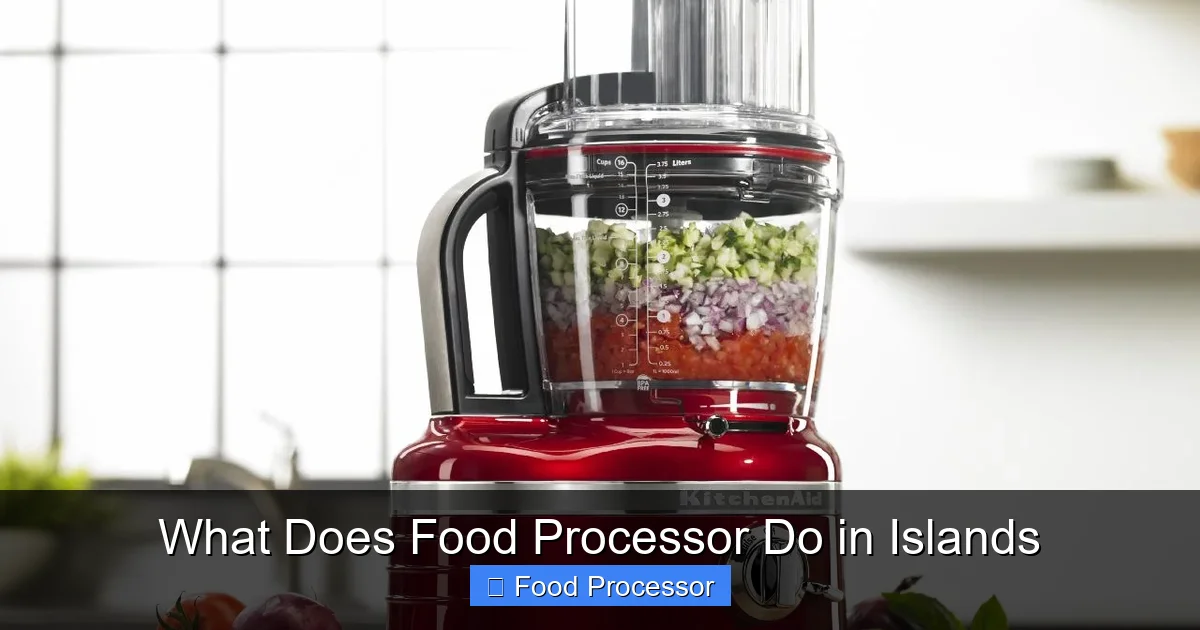
In island kitchens, a food processor is an invaluable tool that transforms local ingredients and simplifies traditional cooking methods. It efficiently handles everything from grating root vegetables for fritters to pureeing tropical fruits for sauces. This versatile appliance significantly reduces manual labor and speeds up meal preparation for families and home cooks living in the unique environment of the islands.
Welcome to our delicious journey into the heart of island kitchens! Have you ever wondered what a food processor actually does when it finds its home on a tropical island? It’s not just about making fancy dips. In the unique culinary landscape of islands, a food processor becomes an indispensable helper, transforming local ingredients into traditional delights.
This guide will walk you through the many amazing things a food processor does in islands. We will explore how this powerful kitchen gadget helps prepare everything from root vegetables to fresh seafood. You’ll learn about its benefits, practical uses, and even some tips for keeping it running smoothly in a tropical climate. Get ready to discover how this appliance simplifies cooking and opens up a world of culinary possibilities for island residents and enthusiasts alike!
Key Takeaways
- Efficiently Processes Local Produce: Food processors are indispensable for quickly grating starchy root vegetables like cassava and taro, or pureeing ripe tropical fruits such as mango and papaya, which are staples in island diets.
- Simplifies Traditional Island Cuisine: They streamline the creation of complex dishes like curry pastes, marinades, and dumpling doughs, often saving hours of manual labor in preparing flavorful island meals.
- Saves Time and Effort: For busy island households, a food processor drastically cuts down on prep time for chopping, slicing, and shredding, making everyday cooking much more manageable and enjoyable.
- Ensures Consistent Results: The consistent processing power of a food processor helps achieve uniform textures for ingredients, which is crucial for the quality and taste of many traditional island recipes.
- Adapts to Unique Island Living: While powerful, food processors need careful consideration for power stability and proper maintenance in humid island climates to ensure longevity and reliable performance.
- More Than Just Chopping: Beyond basic chopping, a food processor in islands can also shred coconuts for milk, make fresh breadcrumbs from local breads, and even blend ingredients for homemade sorbets and ice creams.
Understanding the Island Kitchen and Its Needs
Island kitchens are special. They often feature an abundance of fresh, local ingredients. Think about root vegetables like cassava, taro, and breadfruit. Imagine a rainbow of tropical fruits such as mangoes, papayas, and pineapples. Then there’s the fresh fish, seafood, and a vibrant array of herbs and spices.
Preparing these ingredients can be time-consuming, especially for traditional recipes. Many dishes require a lot of chopping, grating, and mashing. This is where the food processor steps in. It’s designed to handle these tasks quickly and efficiently. This makes cooking a joy, not a chore.
The Core Functions of a Food Processor in Islands
A food processor is a versatile tool. It can perform many tasks that would otherwise take a lot of manual effort. Let’s look at its core functions in an island setting.
Chopping and Mincing Fresh Produce
One of the most common uses for a food processor is chopping. Imagine preparing a large batch of onions, garlic, and hot peppers for a seasoning base. Doing this by hand can be tiresome and make your eyes water! A food processor does the job in seconds.
- Garlic and Ginger Pastes: Many island recipes start with a base of fresh garlic and ginger. The food processor makes quick, smooth pastes.
- Herbs and Spices: It can finely mince fresh herbs like cilantro, thyme, and parsley. It’s also great for grinding whole spices for curry powders.
- Vegetable Bases: Think about chopping bell peppers, tomatoes, and onions for a sofrito or a stew base. The food processor handles it all evenly and quickly.
Grating Root Vegetables with Ease
Island diets often rely heavily on root vegetables. These can be tough and starchy. Grating them by hand is hard work! This is where a food processor shines.
- Cassava and Taro: For dishes like cassava bread, fritters, or puddings, these roots need to be finely grated. A food processor with a grating disk makes this task simple.
- Potatoes and Sweet Potatoes: If you’re making a local version of potato pancakes or sweet potato gratin, the food processor can shred them in moments.
- Breadfruit: Young breadfruit can be grated for patties or accompanying dishes.
This function alone highlights a major advantage of using a food processor, especially with tough, fibrous island produce.
Pureeing Tropical Fruits and Vegetables
Tropical fruits are abundant and delicious. A food processor helps turn them into amazing purees for various uses.
- Smoothies and Juices: Create thick, creamy fruit purees for refreshing drinks.
- Sauces and Salsas: Turn ripe mangoes into a tangy salsa or blend papayas for a sweet and savory sauce.
- Soups and Baby Food: Puree cooked vegetables like pumpkin or callaloo for smooth soups or nutritious baby food.
- Desserts: Make fruit purees for sorbets, ice creams, or fruit tarts.
Making Doughs and Batters for Island Delights
From savory dumplings to sweet fritters, many island recipes involve doughs or batters.
- Dumplings: The food processor can mix and knead dough for various types of dumplings, such as those made from flour or grated root vegetables.
- Breads and Rolls: It can handle mixing and kneading for homemade breads, greatly reducing manual effort.
- Fritters and Pancakes: Prepare smooth batters for banana fritters, pumpkin pancakes, or conch fritters quickly and consistently.
Shredding and Slicing for Everyday Meals
Beyond roots and fruits, a food processor is fantastic for everyday shredding and slicing.
- Cabbage and Salad Greens: If you’re preparing a large salad or coleslaw, the slicing and shredding disks are a lifesaver. You can learn more about how to use a food processor to chop vegetables like cabbage effectively.
- Coconuts: In many islands, fresh coconut is key. A food processor can shred coconut meat quickly, perfect for making fresh coconut milk or desiccated coconut.
- Cheese: If cheese is part of your island meal, it can be shredded quickly for gratins or toppings.
Practical Examples: Island Dishes Made Easy
Let’s dive into some specific island dishes where a food processor truly shines.
Homemade Curry Pastes and Marinades
Islands are famous for their vibrant curries and marinades. These often involve a long list of fresh ingredients.
H3: Creating Authentic Curry Bases
Visual guide about What Does Food Processor Do in Islands
Image source: i.ytimg.com
Visual guide about What Does Food Processor Do in Islands
Image source: i.ytimg.com
Ingredients like ginger, garlic, turmeric, scotch bonnet peppers, and various herbs need to be blended into a smooth paste. The food processor does this in minutes, giving you a powerful, aromatic base for chicken curry, fish curry, or vegetable stews.
H3: Whipping Up Flavorful Marinades
For grilled fish, jerk chicken, or roasted pork, a good marinade is essential. Combine onions, scallions, thyme, peppers, lime juice, and spices in the food processor. It creates a perfectly blended marinade that penetrates the meat, delivering incredible flavor.
Preparing Ackee and Saltfish (Jamaica)
This iconic Jamaican dish requires careful preparation. The food processor can help with chopping onions, peppers, and tomatoes for the sautéed base that accompanies the ackee and saltfish.
Making Callaloo (Caribbean)
Callaloo, a leafy green vegetable similar to spinach, is a staple. The food processor can finely chop callaloo leaves, along with onions, garlic, and peppers, for a smooth, flavorful soup or side dish.
Bakes and Johnny Cakes (various islands)
These popular fried breads or dumplings need a simple, consistent dough. The food processor can quickly mix flour, baking powder, salt, and water (or coconut milk) into a perfect dough, ready for shaping and frying.
Advantages of Using a Food Processor in an Island Setting
Beyond specific tasks, a food processor offers significant advantages for island residents.
Time-Saving for Busy Lifestyles
Life on an island can be busy. A food processor drastically cuts down on the time spent on chopping, slicing, and grating. This means more time for family, work, or enjoying the beautiful surroundings.
Reduced Manual Labor
Many traditional island cooking methods involve a lot of manual effort. From pounding spices to grating tough roots, it can be physically demanding. The food processor takes over these laborious tasks.
Consistency in Food Preparation
For professional cooks or home cooks who love consistency, a food processor is invaluable. It ensures that ingredients are uniformly chopped or pureed. This leads to better textures and more predictable cooking results.
Encourages Healthy Eating
With fresh produce so readily available, a food processor makes it easier to incorporate more fruits and vegetables into daily meals. Quick purees for smoothies or finely chopped veggies for stir-fries become effortless.
Tips for Using and Maintaining Your Food Processor in Islands
Island environments can be tough on electronics due to humidity and occasional power fluctuations. Here’s how to keep your food processor in top shape. When looking for a new appliance, consider what to consider when buying a food processor, especially factors relevant to island conditions like durability and voltage.
Choose the Right Model
Look for a sturdy model with a powerful motor. Consider one with a large capacity if you cook for a big family or entertain often. Ensure it’s compatible with your island’s voltage.
Power Stability
Islands can sometimes experience power surges or outages. Consider using a surge protector with your food processor to protect its motor.
Cleaning and Storage
Humidity can encourage mold or rust. Always clean your food processor parts thoroughly after each use. Make sure they are completely dry before storing them.
H3: Dishwasher Safety
Many food processor parts are dishwasher safe. Check your user manual to confirm if you can put food processor parts in the dishwasher. This makes cleaning even easier. If not, wash them by hand with warm, soapy water.
H3: Proper Storage
Store the unit in a cool, dry place. If possible, cover it with a cloth to protect it from dust and humidity.
Troubleshooting Common Food Processor Issues in Islands
Even the best appliances can have issues. Here are a few common problems and how to address them, especially in an island context.
The Food Processor Won’t Turn On
H3: Check Power Connection
First, ensure the appliance is properly plugged into a working outlet. Test the outlet with another small appliance.
H3: Safety Lock Engaged
Most food processors have safety features. The bowl and lid must be correctly aligned and locked into place for the motor to engage. Double-check that all parts are securely assembled.
H3: Overheating Protection
If you’ve been using the processor for a long time or processing very tough ingredients, it might have overheated. Let it cool down for 20-30 minutes before trying again.
Blades Are Not Spinning or Processing Unevenly
H3: Overloaded Bowl
Don’t overfill the bowl. Processing too many ingredients at once can prevent the blades from spinning freely. Process in smaller batches.
H3: Ingredients Too Large
Cut ingredients into smaller, more manageable pieces before adding them to the bowl. This helps the blade catch and process them evenly.
H3: Blade or Spindle Issue
Ensure the blade is correctly seated on the spindle. If the blade still isn’t spinning, or if it feels loose, there might be a mechanical issue. In some cases, you might need to troubleshoot why your food processor blade is not spinning, which could point to a motor or coupling problem.
Loud Noises or Strange Smells
H3: Motor Strain
Loud noises often indicate the motor is struggling. This could be due to an overloaded bowl or trying to process extremely hard ingredients.
H3: Burning Smell
A burning smell typically means the motor is overheating or working too hard. Immediately turn off the appliance, unplug it, and let it cool completely. Do not continue to use it if the smell persists after cooling.
Conclusion
A food processor is truly a culinary game-changer in island kitchens. It’s much more than just a convenience; it’s a vital tool that bridges traditional cooking methods with modern efficiency. From the humble task of grating tough root vegetables to creating complex curry pastes and pureeing vibrant tropical fruits, this appliance simplifies countless cooking processes. It saves precious time, reduces manual effort, and helps island cooks, both home-based and professional, prepare delicious, authentic meals with consistency and ease. Investing in a good food processor means embracing a more efficient, enjoyable, and creative approach to island cooking.
