

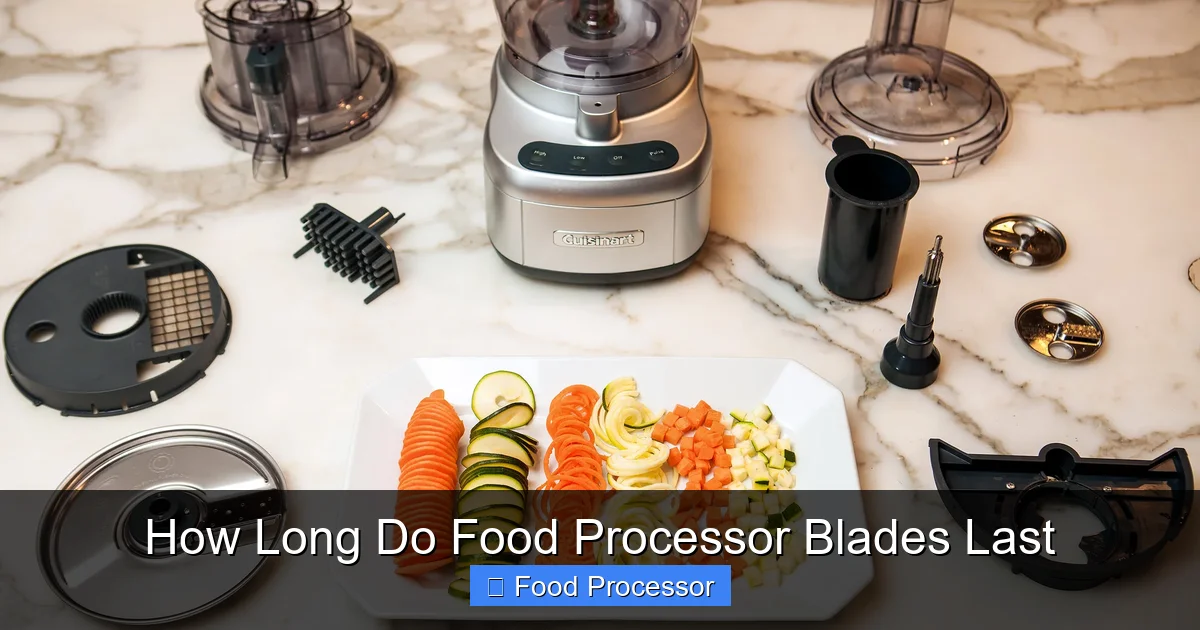
Understanding how long food processor blades last is crucial for maintaining your appliance’s peak performance. Their lifespan depends on factors like material, usage, and care. Recognizing signs of wear and adopting proper maintenance can significantly extend the life of your food processor blades, ensuring efficient and safe food preparation for years to come.
How Long Do Food Processor Blades Last
Your food processor is a kitchen workhorse, making countless tasks quicker and easier. From chopping vegetables to pureeing sauces, it relies heavily on one crucial component: its blades. But just like any tool, food processor blades don’t last forever. Have you ever wondered, “How long do food processor blades last?” It’s a common question, and understanding the answer can save you time, frustration, and even money in the long run.
In this comprehensive guide, we’re going to dive deep into the lifespan of your food processor’s blades. We’ll explore the various factors that influence how long they stay sharp and effective, from the materials they’re made from to how you use and care for them. You’ll learn to spot the signs of dull or worn-out blades, understand why they degrade, and discover practical tips to extend their life. By the end, you’ll be equipped with all the knowledge you need to keep your food processor performing at its best, ensuring your blades remain sharp and ready for any culinary challenge.
Key Takeaways
- Average Lifespan: Food processor blades typically last between 3 to 10 years, depending heavily on the quality of the material and how frequently the appliance is used.
- Key Factors for Wear: The type of food processed (hard vs. soft), frequency of use, proper cleaning, and storage methods are the main contributors to blade degradation.
- Signs of Dull Blades: Reduced processing efficiency, struggling motor, uneven chopping, and noticeable nicks or rust are clear indicators that your blades are losing their edge.
- Extend Blade Life: Always hand wash blades, avoid harsh abrasives, process appropriate foods, and store them safely to protect their sharp edges.
- Replacement is Key: Once blades are significantly dull or damaged, replacement is often more cost-effective and safer than trying to sharpen them, ensuring your food processor operates at its best.
- Material Matters: High-quality stainless steel blades offer greater durability and resistance to corrosion and dulling compared to lower-grade materials.
- Safety First: Dull or damaged blades can be unsafe, increasing the risk of accidents and motor strain. Prioritize replacement for both performance and safety.
Understanding the Lifespan of Food Processor Blades
The general consensus is that a good set of food processor blades can last anywhere from 3 to 10 years. However, this is a broad estimate. Several elements play a significant role in determining the actual longevity of your specific food processor blades. Let’s break down these critical factors.
Material Quality of the Blades
The type of material used for your food processor blades is perhaps the most influential factor. Most high-quality food processor blades are made from stainless steel.
- High-Quality Stainless Steel: These blades are typically stronger, more resistant to rust, and hold their edge longer. Premium brands often use hardened stainless steel, which significantly extends their effective lifespan.
- Lower-Quality Stainless Steel: Cheaper blades might be made from a lesser grade of stainless steel, making them more prone to dulling, nicks, and even rust over time.
Frequency and Intensity of Use
It stands to reason that the more you use your food processor, the faster its blades will wear down.
- Daily vs. Occasional Use: A food processor used daily for heavy-duty tasks will have a much shorter blade life than one used sparingly for lighter jobs.
- Type of Foods Processed: Regularly processing hard ingredients like nuts, ice, or tough root vegetables puts more strain on the blades than softer foods like cooked vegetables or sauces. If you frequently use your food processor to chop vegetables or other tough ingredients, the blades will naturally wear faster.
- Batch Size and Duration: Constantly overloading the food processor or running it for extended periods can also stress the blades and motor. While it’s important to understand how long you can leave a food processor running, prolonged use can still impact blade longevity.
Cleaning and Maintenance Practices
How you clean and maintain your food processor blades greatly impacts their lifespan.
- Dishwasher vs. Hand Washing: Dishwashers, especially with high heat and harsh detergents, can dull blades faster and even lead to corrosion over time. Hand washing is almost always recommended for preserving blade sharpness.
- Abrasive Cleaners: Using scouring pads or abrasive cleaners can scratch the blade surface, making them more susceptible to rust and dulling.
- Proper Drying: Leaving blades wet can encourage rust formation, even on stainless steel. Always dry them thoroughly after washing.
Storage Conditions
Where and how you store your blades matters.
- Blade Protection: Storing blades loosely in a drawer where they can bump against other utensils can cause nicks and dulling. Many food processors come with protective sleeves or dedicated storage compartments, which should be utilized.
- Moisture Control: Storing blades in a humid environment can accelerate rust.
Recognizing the Signs of Dull or Worn Food Processor Blades
Knowing when your food processor blades are past their prime is crucial for efficient and safe operation. Here are the tell-tale signs:
1. Reduced Processing Efficiency
This is often the first and most obvious sign.
- Uneven Chopping: Instead of uniformly chopped ingredients, you’ll find a mix of finely minced, roughly chopped, and even some untouched pieces. The blades seem to “push” food around rather than cut it cleanly.
- Struggling Motor: If your food processor’s motor sounds like it’s working harder than usual, even with moderate loads, dull blades could be the culprit. The motor has to exert more force to push ingredients through blunt edges.
- Sloppy Pureeing: When making purees or smooth sauces, the texture might be grainy or inconsistent, requiring longer processing times to achieve the desired smoothness.
- Increased Prep Time: Tasks that once took seconds now take longer, as you have to process ingredients multiple times or for extended periods to get acceptable results. This also relates to how you use your food processor to chop vegetables and other ingredients; if it’s struggling, it’s a sign.
2. Visible Damage to the Blades
Sometimes, the damage is clear to see.
- Nicks or Dents: Inspect the edges of your blades carefully. Any visible nicks, dents, or bends indicate damage that will severely impair their cutting ability. These can sometimes occur from accidentally processing foreign objects.
- Rust Spots: While stainless steel is rust-resistant, it’s not entirely rust-proof, especially lower-quality blades or those left wet. Small rust spots are a clear sign of degradation and can affect food safety.
- Dull, Rounded Edges: Compare your blades to a new one (if you have access to one) or even to a sharp knife. Sharp blades have a distinct, crisp edge, while dull ones appear rounded or flattened.
3. Safety Concerns
Dull blades aren’t just inefficient; they can be unsafe.
- Increased Effort: Having to push food harder into the processor or needing to manually intervene more often increases the risk of accidental contact with the blade.
- Motor Overheating: A struggling motor can overheat, potentially leading to appliance failure or a fire hazard.
- Unpredictable Performance: Dull blades can cause food to jump or jam, leading to unexpected movements within the processing bowl.
How to Extend the Life of Your Food Processor Blades
You can significantly prolong the life and sharpness of your food processor blades with proper care and mindful use.
1. Hand Washing is Best
Always opt for hand washing your food processor blades immediately after use.
- Gentle Cleaning: Use warm, soapy water and a soft brush or sponge. Be extremely careful when handling the blades, as they are still sharp enough to cut even when dull.
- Avoid Dishwashers: The harsh detergents and high temperatures in dishwashers can erode the blade’s edge and finish, leading to dullness and potential corrosion.
- Thorough Rinsing and Drying: After washing, rinse the blades completely to remove all soap residue. Immediately dry them with a clean towel to prevent water spots and rust.
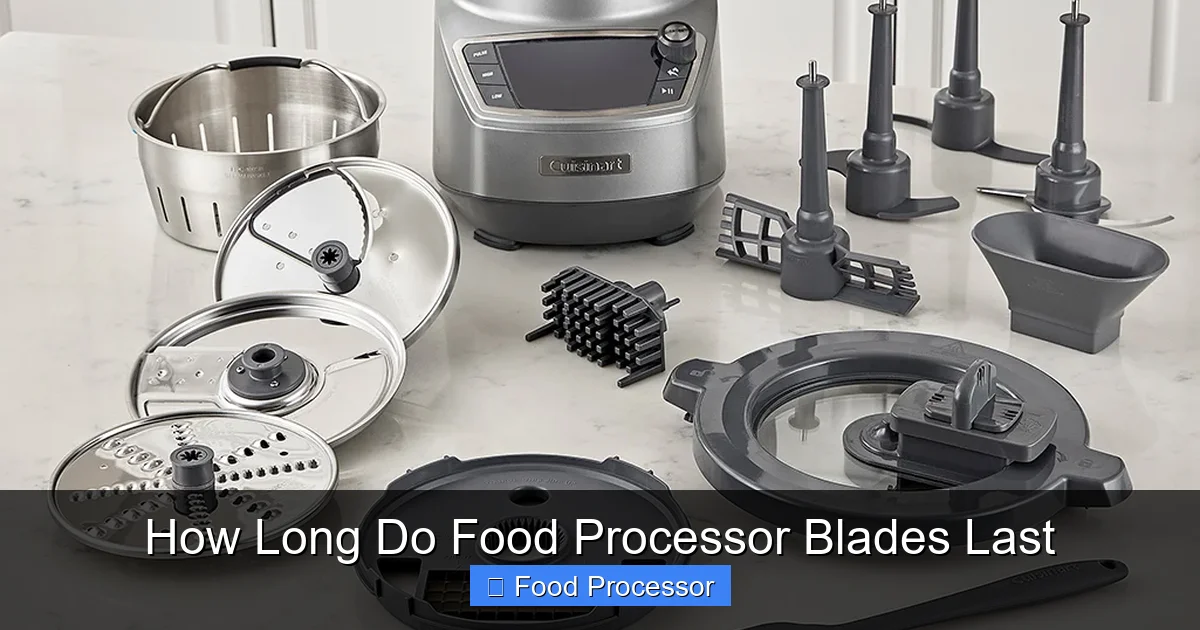
Visual guide about How Long Do Food Processor Blades Last
Image source: contentgrid.homedepot-static.com
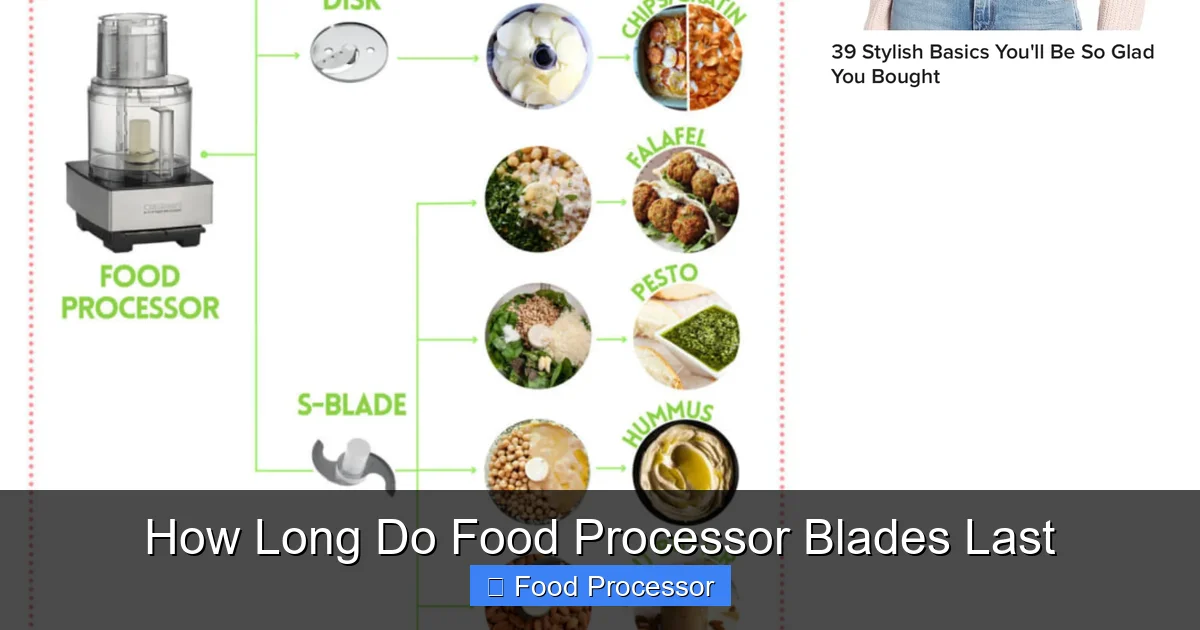
Visual guide about How Long Do Food Processor Blades Last
Image source: i.pinimg.com
2. Process Appropriate Foods
Your food processor is versatile, but it has its limits.
- Cut Food into Smaller Pieces: Before adding hard or fibrous ingredients, cut them into smaller, manageable pieces. This reduces the strain on the blades and motor. For instance, when you use your food processor to shred cabbage, cutting the head into quarters first makes a big difference.
- Avoid Extremely Hard Items: Try to avoid processing extremely hard items like whole coffee beans (unless your model specifically states it can), large ice cubes, or frozen blocks of food. These can chip or damage the blades.
- Don’t Overload the Bowl: Respect the maximum fill lines. Overloading forces the blades to work through too much food, causing strain and inefficient processing.
3. Proper Storage
Protecting the blades when not in use is vital.
- Use Protective Sleeves/Covers: Many food processor blades come with plastic covers. Always use them when storing the blades.
- Dedicated Storage: If your food processor includes a dedicated storage drawer or box for accessories, use it. This prevents blades from bumping into other utensils in a crowded drawer, which can dull or nick the edges. When you learn how to assemble your food processor step by step, also pay attention to how to disassemble and store its parts properly.
- Dry Environment: Store blades in a dry place to prevent moisture accumulation and rust.
4. Don’t Over-Process
While food processors are designed for speed, avoid running them unnecessarily long, especially at high speeds, with minimal contents. This can generate friction and heat, which isn’t good for the blades or the motor. Pulse ingredients to achieve the desired consistency rather than letting the machine run continuously, unless the recipe specifically calls for it.
5. Sharpening (with caution)
While professional sharpening services exist for some types of food processor blades, it’s generally not recommended for home users to sharpen them.
- Complexity: Food processor blades often have specific angles and sometimes serrations that are difficult to replicate accurately at home without specialized tools.
- Safety Risk: Attempting to sharpen blades yourself carries a high risk of injury.
- Cost-Effectiveness: For many models, the cost of professional sharpening might approach the cost of a new replacement blade, making replacement a more practical option.
When to Replace Food Processor Blades
There comes a point when extending the life of your food processor blades is no longer feasible or safe. Knowing when to bite the bullet and buy new ones is important.
1. Performance Degradation is Irreversible
If, despite your best maintenance efforts, your food processor continues to struggle with basic tasks like chopping or pureeing, it’s time for new blades. If the motor is straining, food is inconsistently processed, or you’re spending more time trying to get acceptable results, replacement blades will restore your food processor’s efficiency.
2. Visible and Unrepairable Damage
Severe nicks, bends, cracks, or significant rust that cannot be cleaned away are clear indicators for replacement. Damaged blades can be unstable during operation and may even break off, posing a serious safety hazard.
3. Safety Concerns
If you’re worried about the safety of using your food processor due to blade issues, don’t hesitate. A new set of food processor blades is a small investment compared to the risk of injury or further damage to your appliance.
Choosing the Right Replacement Food Processor Blades
When it’s time to replace, ensure you pick the right ones.
- Manufacturer-Specific: Always try to buy replacement blades from the original manufacturer or a reputable third-party supplier that explicitly states compatibility with your food processor model. Universal blades often don’t fit perfectly and can lead to performance issues or damage.
- Check Model Number: Your food processor’s model number is usually on a sticker on the base. Use this to ensure you get the exact matching blade.
- Consider Upgrades: If available, some manufacturers offer improved blade designs or different materials for specific tasks. This might be an opportunity to upgrade if you frequently process challenging ingredients.
Troubleshooting Common Food Processor Blade Issues
Sometimes, what seems like a worn-out blade might be a fixable issue.
The Blade Isn’t Spinning
If your food processor blade isn’t spinning, check a few things. First, ensure the lid is properly locked into place, as safety mechanisms prevent operation otherwise. Second, verify that the blade assembly is correctly seated on the motor shaft. An improperly placed blade won’t engage. Third, check for any obstructions in the bowl or around the shaft that might be preventing movement. If these basic checks don’t work, you might need to investigate further to fix food processor blade not spinning issues.
Inconsistent Chopping or Processing
This is the classic sign of dull blades, as discussed. However, also consider:
- Overfilling: Too much food can prevent proper circulation and chopping. Reduce the batch size.
- Incorrect Blade for Task: Ensure you’re using the right blade for the job. The S-blade is for chopping, mincing, and pureeing, while slicing/shredding discs are for specific textures.
- Wet vs. Dry Ingredients: Very wet ingredients might slosh instead of chop if not enough dry ingredients provide friction. Similarly, very dry ingredients might just bounce around if the bowl is too empty.
Motor Straining or Overheating
While dull blades contribute, also check for:
- Overload: Too much food puts immense strain on the motor.
- Hard Ingredients: Are you trying to process something too hard for your machine?
- Prolonged Use: Giving the motor breaks, especially during tough tasks, can prevent overheating.
Conclusion
Knowing “how long do food processor blades last” isn’t an exact science, but by understanding the key factors at play – blade material, usage habits, and meticulous care – you can significantly influence their longevity. From the moment you unbox your food processor, treating its blades with respect through proper washing, careful storage, and mindful use will ensure they stay sharper, longer.
Regularly inspecting your blades for signs of dullness or damage allows you to address issues proactively. Replacing worn-out food processor blades isn’t just about restoring efficiency; it’s about maintaining safety and preventing undue strain on your appliance’s motor. By following these guidelines, you’ll ensure your food processor remains a reliable, high-performing kitchen companion, ready to tackle any recipe with precision and ease for many years to come.
