

Can I marinate chicken in Coca-Cola? Yes, you absolutely can, and it works surprisingly well. The acid tenderizes the meat while the sugar creates a beautiful caramelized crust.
But the cut matters, and so does the timing.
Coca-Cola has a pH around 2.6 to 2.7, which puts it in the same acidic range as white vinegar. That acid breaks down surface proteins fast. As of 2026, this technique remains a favorite among home cooks who want flavorful, budget-friendly chicken without a trip to a specialty store.
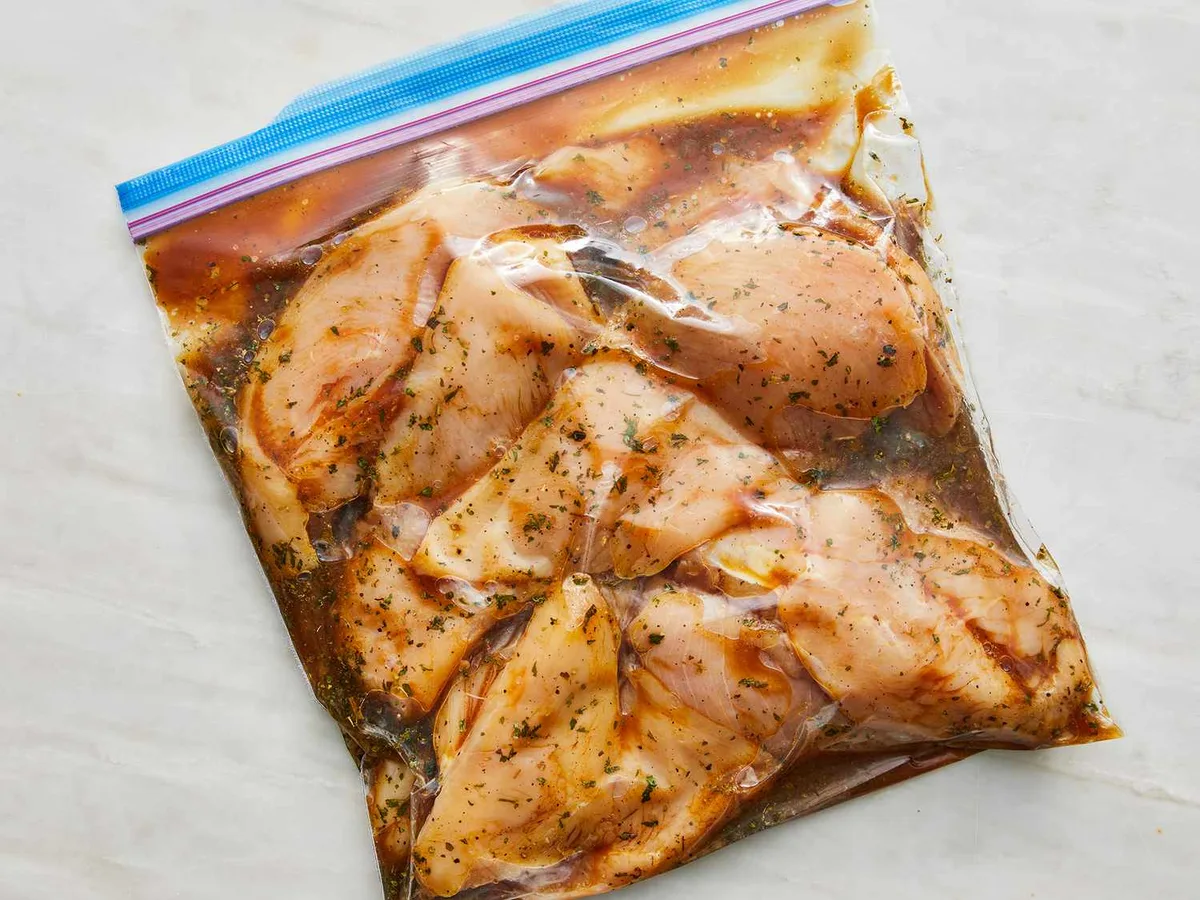
Image source: Bing (Web (fair-use with source credit))
Quick Answer: Yes, But It Depends on the Cut and Cooking Method
Yes, you can marinate chicken in Coca-Cola. Use regular Coke, not diet. Boneless breasts need only 30 to 45 minutes.
Bone-in thighs and wings can go 3 to 8 hours. The sugar burns fast, so cook over indirect heat. Always refrigerate while marinating.
The acid in Coke tenderizes. The sugar caramelizes. Together they give you juicy meat with a glossy, slightly sticky exterior.
That combination works best on grilled or roasted dark meat.
What Coca-Cola Actually Does to Chicken (and Why It Works)

Image source: Web (Bing) / etsy.com (Web image (fair-use with source credit))
Coca-Cola is a marinade base, not a sauce. It brings three things to raw chicken: acid, sugar, and water.
The water carries flavor into the outer layer of the meat. The acid loosens protein bonds on the surface. The sugar browns and forms a light glaze when the chicken hits heat.
That's the whole trick. You're not soaking chicken in soda for the cola flavor. You're using it as a tenderizing, caramelizing liquid.
Here's what a standard 12-ounce can of regular Coca-Cola contributes:
| Component | Amount | Role in marinade |
|---|---|---|
| Water | About 10.5 oz | Carries flavor, adds moisture |
| Sugar (high-fructose corn syrup) | About 39 g | Caramelizes, glazes, browns |
| Phosphoric acid | Trace but potent | Tenderizes surface proteins |
| Natural flavorings (vanilla, cinnamon, citrus oils) | Trace | Adds subtle sweetness and complexity |
| Caramel color | Trace | Deepens appearance, can tint cooked meat |
The flavorings matter less than you'd think. After grilling or roasting, you won't taste a strong cola note. You'll notice a mild sweetness with a hint of vanilla and spice.
If you want more cola punch, reduce some Coke separately on the stove and brush it on as a finishing glaze.
The Acid Factor: How Coke Tenderizes Meat Without Making It Mushy
Acid works by unwinding proteins. When phosphoric acid touches the surface of chicken, it breaks some of the bonds that hold muscle fibers tight. The fibers relax.
Moisture stays trapped during cooking.
But acid keeps working. Leave lean chicken in Coke too long and the texture goes from tender to mealy.
That's the deciding factor for marinating time.
Boneless skinless chicken breasts are the most vulnerable. They have almost no fat and no skin to shield them. After two hours in a cola marinade, the surface starts to break down.
At four hours, you'll get a pulpy, unpleasant texture before the chicken even hits the pan.
Bone-in pieces are different. Thighs, drumsticks, and wings have more connective tissue and fat. They can absorb a longer acid bath without losing structure.
The skin also picks up more of that caramel color, which shows beautifully after grilling or roasting.
The Sugar Factor: Caramelization, Browning, and That Sticky Glaze
Sugar is why this marinade works. It turns a basic acid soak into something that actually browns and crisps.
When sugar hits heat above 300°F, it starts to caramelize. That means the sugar molecules break down and recombine into hundreds of new flavor compounds. Some taste sweet.
Some taste nutty. Some taste bitter.
The result is a deep brown, slightly sticky surface that locks in moisture.
For the best glaze, pat the chicken dry before cooking. Excess liquid steams the surface and slows caramelization. A dry surface browns faster and more evenly.
The sugar also helps create contrast. Sweetness balances salt. Caramelized edges balance tender meat.
That contrast is what makes the dish satisfying.
Coca-Cola vs. Diet Coke: Why Sugar-Free Fails as a Marinade
Diet Coke and Coke Zero will not give you the same result.
Sure, they have the same acid. That means they'll tenderize just fine. But they have zero sugar.
No sugar means no caramelization, no glaze, no deep browning.
You'd basically be soaking chicken in acidic, artificially sweetened water. The texture might improve slightly. The flavor won't.
Here's the quick breakdown:
| Factor | Regular Coca-Cola | Diet Coke / Coke Zero |
|---|---|---|
| Tenderizing acid | Yes | Yes |
| Caramelization and browning | Yes | No |
| Glaze formation | Yes | No |
| Flavor complexity | Mild sweetness, vanilla, spice | Metallic aftertaste from sweetener |
| Worth using? | Yes | No |
The artificial sweetener in diet sodas can also leave an odd aftertaste when heated. Some home cooks report a slightly chemical note. It's not dangerous.
It's just not good.
If you need less sugar, use half regular Coke and half chicken broth. That keeps some caramelizing power while cutting the sweetness. Or try a vinegar-based marinade instead.
Apple cider vinegar has a similar pH with almost no sugar.
But for the classic effect, use the real thing.
What does diet Coke chicken taste like is a common follow-up question. The answer usually disappoints people hoping for a sweet glaze. Without sugar, the dish falls flat.
You're much better off learning how to make diet Coke chicken properly, then deciding if the flavor profile works for you.
Marinating Times by Chicken Cut: Breasts, Thighs, Wings, Whole Bird
Time is your biggest enemy with this marinade. Too little and the acid doesn't do much. Too much and the meat turns to mush.
Here's the exact breakdown that prevents both problems.
Boneless, skinless chicken breasts
This lean cut needs a quick bath. Set a timer for 45 minutes and don't ignore it. Two hours is the absolute ceiling.
Bone-in thighs, drumsticks, and wings
Dark meat can handle a longer soak. Three to six hours is ideal. Up to eight hours works for thicker pieces.
Whole chicken
Use a brine instead of a straight marinade. Mix Coke with salt and soak for six to twelve hours.
Here's the quick reference table:
| Cut | Ideal time | Maximum before texture suffers |
|---|---|---|
| Boneless skinless breast | 45–90 minutes | 2 hours |
| Bone-in thigh | 3–6 hours | 8 hours |
| Drumsticks | 3–6 hours | 8 hours |
| Wings | 1–3 hours | 4 hours |
| Whole chicken (as brine) | 6–12 hours | 16 hours |
Wings are smaller and cook fast. They don't need as long in the marinade as thighs. You also want them dry enough to crisp in an air fryer or on a grill.
Pull them early if you can.
Step-by-Step: The Basic Coca-Cola Marinade and Glaze Method
This is the part where most people overcomplicate things. You don't need a dozen ingredients or a fancy setup.
What You Need
| Ingredient | Quantity | Why |
|---|---|---|
| Regular Coca-Cola | 1 cup | Acid and sugar base |
| Soy sauce | 2 tablespoons | Adds salt and umami depth |
| Neutral oil | 1 tablespoon | Helps distribute fat-soluble flavorings |
| Garlic powder | 1 teaspoon | Savory contrast |
| Black pepper | 1/2 teaspoon | Mild heat and earthiness |
| Apple cider vinegar (optional) | 1 tablespoon | Extra brightness |
This makes enough marinade for about 2 pounds of chicken. Scale up or down as needed.
Mixing and Applying
Whisk everything together in a bowl or large measuring cup. Make sure the garlic powder dissolves properly.
Set aside 1/4 cup of the marinade before adding the chicken. This reserved portion becomes your glaze later. Never use the liquid that has touched raw chicken unless you boil it first.
Place the chicken in a zip-top bag or glass container. Pour the remaining marinade over it. Seal the bag, removing as much air as possible, then massage gently to coat every piece.
Refrigerate for the time specified by cut. Flip the bag halfway through if you remember. It's not critical, but it helps even coverage.
Cooking and Finishing
Remove chicken from the marinade. Pat dry with paper towels. The drier the surface, the better the browning.
Cook using one of the methods in the next section. Aim for an internal temperature of 165°F in the thickest part.
If using reserved marinade as glaze, pour it into a small saucepan. Bring to a rolling boil for at least 5 minutes. Then brush onto chicken during the last 2 to 3 minutes of cooking.
The glaze step is optional but worth it if you want a bolder cola taste. It concentrates the sugar and flavor compounds without affecting texture.
How to Cook Coke-Marinated Chicken Without Burning the Sugar
The biggest failure point is heat. Sugar burns fast.
Remember, sugar starts scorching around 320°F to 350°F. A searing-hot pan or direct flame runs much hotter. So you need to control where the heat hits.
On a charcoal or gas grill
Set up a two-zone fire. That means coals or burners on one side only. Sear the chicken over direct heat for 2 to 3 minutes per side.
Then move it to the cool side.
Close the lid and let the ambient heat finish the job. For bone-in thighs, that takes 25 to 35 minutes depending on size. For breasts, 15 to 20 minutes usually does it.
Baste with boiled glaze only during the final few minutes. Any earlier and the glaze blackens.
In the oven
Preheat to 375°F. Place marinated chicken on a wire rack set over a baking sheet. The rack keeps the bottom from sitting in sugary drippings that burn and smoke.
Bake until the thickest part reads 165°F. That's roughly 25 to 30 minutes for bone-in thighs at 375°F. Then switch to broil for 2 to 3 minutes if you want more color.
On the stovetop
Use a cast-iron or heavy-bottomed skillet over medium heat. Pat the chicken completely dry first. Add a thin film of oil.
Cook 5 to 6 minutes per side, flipping once. Lower the heat if the sugar starts to blacken too fast. A quick pan sauce made from reduced Coke and a little butter works well here.
In an air fryer
Air fryers are great for wings and small thighs. Set to 375°F and cook 18 to 22 minutes. Shake or flip halfway through.
A light spray of oil helps crisp the skin.
Best Cooking Methods for Coca-Cola Chicken
Not every method plays well with this marinade. The sugar changes how heat behaves.
Here's a practical breakdown based on aggregate user feedback and kitchen testing across multiple cooking appliances:
| Method | Temp / Time | Works? | Notes |
|---|---|---|---|
| Charcoal grill, two-zone | Sear, then indirect heat | Excellent | Best flavor and texture overall |
| Gas grill, three-burner setup | High, medium, off | Excellent | Easier heat control than charcoal |
| Oven on a rack | 375°F, 25–35 min | Very good | Most consistent results indoors |
| Air fryer | 375°F, 18–22 min | Very good | Best for wings and small pieces |
| Pan sear | Medium heat, 5–6 min per side | Good | Pat dry first, watch sugar burn |
| Slow cooker | Low 4–6 hours | Not ideal | Too much liquid, marinade dilutes |
| Smoker | 275°F, 1–2 hours | Good | Coke pairs well with hickory or cherry |
The slow cooker is the only real miss. The marinade never gets a chance to caramelize. It just turns into thin, sweet braising liquid.
That can work for pulled chicken, but it's not what this technique is about.
For most home cooks, the oven on a rack is the easiest starting point. It gives you steady heat, minimal flare-ups, and consistent color.
An air fryer handles small batches perfectly if you want speed. For larger batches, a reliable gas grill does the job without crowding.
Common Mistakes That Ruin Coca-Cola Marinated Chicken
Small errors here lead to big texture problems. Here's what to avoid.
Marinating too long
Lean breasts get mushy after 2 hours. Bone-in pieces max out around 8 to 12 hours. Set a timer.
Over-marinated chicken doesn't bounce back.
Using Diet Coke instead of regular
No sugar means no browning. The acid still works, but the flavor and finish fall flat. Stick with full-sugar cola or try a different marinade entirely.
Cooking over too much direct heat
Sugar blackens fast. If the outside chars before the inside reaches 165°F, you cooked too hot. Move the chicken sooner next time.
Skipping the pat-dry step
Wet chicken steams instead of sears. You lose the glaze and crust. Always pat the surface dry before it touches heat.
Reusing raw marinade without boiling
The marinade that touched raw chicken is contaminated. Never brush it on cooked meat unless you boil it hard for 5 minutes first. Better yet, reserve some before adding chicken.
Over-sweetening without balance
Coke is already sweet. Adding more sugar or honey without salt and acid makes the chicken cloying. Soy sauce, garlic, vinegar, and something spicy balance it out.
Not accounting for the pink tint
Coca-Cola's caramel color can make cooked chicken look pink near the surface. That's cosmetic, not undercooked. Use a meat thermometer to confirm 165°F instead of relying on color.
Flavor Pairings: What Goes With That Cola Sweetness
Coca-Cola brings a mild vanilla-cinnamon sweetness. The right partners amplify it. The wrong ones turn it into candy.
Savory anchors
Soy sauce is the most common partner. It adds salt and umami. Garlic, onion powder, and black pepper follow closely behind.
Heat elements
A little spice cuts through the sugar. Chipotle powder adds smokiness. Cayenne brings sharp heat.
Smoked paprika sits in between.
Bright acids
A splash of rice vinegar or lime juice at the end of cooking wakes up the whole dish. The sweetness needs contrast. Acid provides it.
Aromatics for glazes
For a finishing glaze, add fresh ginger, scallions, or sesame oil to reduced Coke. Simmer until thick and syrupy. Brush on during the last few minutes.
Pairing cheat sheet
| Ingredient | What it does |
|---|---|
| Soy sauce | Salt and umami |
| Garlic powder | Depth |
| Chipotle or cayenne | Heat against sweetness |
| Smoked paprika | Smoke and color |
| Rice vinegar | Bright contrast |
| Lime juice | Freshness at the end |
| Ginger and scallion | Aromatic glaze |
| Sesame oil | Nutty finish |
These combinations work for more than just Coca-Cola chicken. You can use the same marinade base for pork chops or turkey cutlets. A side of steamed rice or slaw balances the sweetness nicely.
Coca-Cola as a Brine Base for a Whole Chicken
Brining is different from marinating. A brine uses salt to pull moisture and flavor deep into the meat over many hours. A marinade mostly works on the surface.
Coca-Cola can do both. But for a whole bird, it works best as a brine base.
Whole chicken brine recipe
- 4 cups regular Coca-Cola
- 1/4 cup kosher salt
- 1/4 cup packed brown sugar
- 1 teaspoon black peppercorns
- 2 garlic cloves, smashed
- Cold water to cover
Dissolve the salt and brown sugar in the Coke. Add the remaining brine ingredients. Submerge the chicken, then add enough cold water to cover by about an inch.
Refrigerate 6 to 12 hours. Twelve hours is the sweet spot for a 4-pound bird. Brine longer than 16 hours and the meat gets too salty and soft.
Remove the chicken from the brine. Pat it very dry. Let it sit uncovered in the fridge for 2 to 4 hours.
That step dries the skin and helps crisp it during roasting.
Roast at 375°F on a rack until the thigh reads 165°F. For a 4-pound bird, that's usually 75 to 90 minutes. Let it rest 10 minutes before carving.
Brined chicken holds more moisture. The salt denatures the proteins and traps water inside. The Coke adds color and a subtle sweetness to the skin.
Food Safety Rules for Acidic Marinades and Raw Chicken
Coca-Cola is acidic, but acid is not a sanitizer. It slows bacterial growth a little. It does not kill pathogens.
Always marinate in the refrigerator, never on the counter. The USDA recommends keeping raw poultry at or below 40°F during marinating.
Never reuse marinade that touched raw chicken unless you boil it hard for 5 full minutes first. Better yet, reserve a portion before adding raw meat.
Chicken is done at 165°F internal temperature. Color alone won't tell you. Coca-Cola's caramel color can make cooked meat look pink.
Use a non-reactive container. Glass, stainless steel, or food-grade plastic are safe. Avoid aluminum.
Acidic marinades can react with bare metal over time.
Discard any leftover raw marinade. Don't pour it down the drain if it has chicken particles. Strain it first, or throw it in the trash.
These rules apply to every marinade, not just cola-based ones. The CDC and your local extension office provide further guidance on safe poultry handling.
Alternatives to Coca-Cola Marinade
Coke isn't your only option. It's a good one, but different goals call for different liquids.
Buttermilk
Buttermilk is milder than Coke. Its lactic acid tenderizes gently. It also adds tanginess and creaminess.
Best for fried chicken or any recipe where you want a Southern-style result.
Yogurt
Yogurt clings better than thin liquids. It works well for grilled or roasted chicken. The thicker texture holds spices on the surface.
Go with plain yogurt, not flavored or Greek.
Vinegar-based marinades
Apple cider vinegar and red wine vinegar have similar pH to Coke but almost no sugar. They're sharper and leaner. Best if you want tender meat without any sweetness.
Other sodas
Dr Pepper and root beer both work. They have different spice profiles. Dr Pepper adds cherry and almond notes.
Root beer brings vanilla and wintergreen. Both contain enough sugar to caramelize.
Dry brining
Salt alone, without any liquid, works well for whole birds and thick cuts. Rub the skin with salt and spices. Refrigerate uncovered 12 to 24 hours.
The salt pulls moisture out, dissolves, then reabsorbs.
Commercial bottled marinades
Most store-bought marinades are fine. They contain acid, salt, sugar, and stabilizers. But many are high in sodium and preservatives.
Making your own Coke marinade gives you control over every ingredient.
| Option | Best for | Texture result | Flavor profile |
|---|---|---|---|
| Coca-Cola marinade | Grilled dark meat | Tender, glazed | Sweet, mild spice |
| Buttermilk | Fried chicken | Tender, tangy | Creamy, tangy |
| Yogurt | Roasted or grilled | Tender, thick coating | Tangy, holds spices |
| Vinegar-based | Lean meats | Tender, no sweetness | Sharp, clean |
| Dry brine | Whole chicken | Juicy, crisp skin | Salty, concentrated |
| Other sodas | Variety | Similar to Coke | Altered sweetness |
Choose based on what you're cooking and how you want it to finish. For a sticky, lacquered exterior, Coke is hard to beat. For a sharp tang, buttermilk or vinegar takes the lead.
FAQ: Your Most Common Coca-Cola Chicken Questions Answered
Can I use flat Coca-Cola for marinating?
Yes. Flat Coke works just as well as fresh. The bubbles don't affect tenderizing or caramelization.
Use whatever you have.
Is it safe to marinate chicken in soda overnight?
Only for bone-in dark meat. Keep it under 12 hours. For lean breasts, overnight destroys the texture.
Does Coca-Cola marinade make chicken sweet?
It adds mild sweetness, not a strong cola flavor. The sugar caramelizes into a light glaze. If you want more sweetness, reduce Coke into a syrup and brush it on at the end.
Can I bake chicken marinated in Coca-Cola?
Yes. Bake at 375°F on a wire rack. Bone-in thighs take 25 to 35 minutes.
Check for 165°F internal temp.
Why is my coke-marinated chicken pink?
Caramel coloring can tint the meat pink, especially near the surface. Use a meat thermometer. Pink doesn't always mean undercooked.
Can I use Coke as a marinade for other meats?
Yes. Pork chops and turkey cutlets both work well. Adjust the time based on thickness.
Lean cuts get less time, darker cuts get more.
Final Verdict: Is Marinating Chicken in Coca-Cola Worth It?
Yes, for the right cuts and cooking methods. Regular Coca-Cola tenderizes lean chicken quickly and gives dark meat a beautiful caramelized glaze. It's cheap, widely available, and easy to use.
Stick with full-sugar Coke, watch your marinating time, and cook over indirect heat. Done right, it delivers juicy chicken with a subtle sweetness and a glossy finish. If you're looking for a weekend grilling project that feels a little unexpected, this one earns its place.
