

How do I make Diet Coke chicken? You simmer boneless chicken in a tangy sauce built from Diet Coke, ketchup, and a few pantry spices. The result is tender, shredded chicken with a sticky-sweet glaze.
It works on the stovetop, in a slow cooker, or in an electric pressure cooker.
As of 2026, this recipe remains a go-to for anyone cutting sugar without giving up barbecue-style flavor. The USDA recommends cooking all poultry to an internal temperature of 165°F, and that rule applies here. Below, we'll walk through the exact ratios and the easiest cooking method for tonight.
Quick Answer
To make Diet Coke chicken, simmer 1.5 to 2 pounds of boneless chicken in a sauce made from one 12-ounce can of Diet Coke, 1 cup ketchup, and 1/4 cup brown sugar substitute. Cook until the chicken shreds easily. Thicken leftover sauce with a cornstarch slurry if needed.
Serve over rice or on buns.
What to Expect From This Recipe
You'll get sweet, tangy, pull-apart chicken in about 35 minutes on the stovetop. The sauce leans bold and barbecue-like, but not overly spicy. It clings well to shredded meat once thickened.
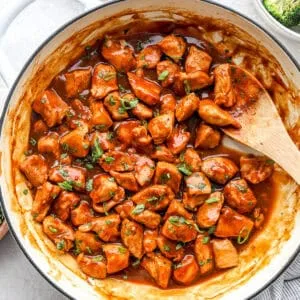
Image source: Bing (Web (fair-use with source credit))
The color ends up deep reddish-brown. That comes from the ketchup and the caramel color in Diet Coke. The texture is soft, not crispy.
This is a braised dish, not a seared one.
Most home cooks describe the flavor as somewhere between sweet-and-sour chicken and pulled pork in cola sauce. It's not exactly the same as full-sugar Coca-Cola chicken. The difference is that Diet Coke brings acidity and a hint of caramel without the sugar.
You control sweetness through the ketchup and sweetener you add.
If you've made other shredded chicken recipes, such as this soy-glazed baked version, you'll recognize the same low-effort, high-flavor approach. The main job is letting the sauce reduce while the chicken steams and softens.
Why Diet Coke Instead of Regular Coke
Diet Coke is the lower-sugar base that keeps the sauce from turning into candy. Regular Coca-Cola adds roughly 39 grams of sugar per can. Diet Coke adds zero.
That's the whole reason this recipe exists.
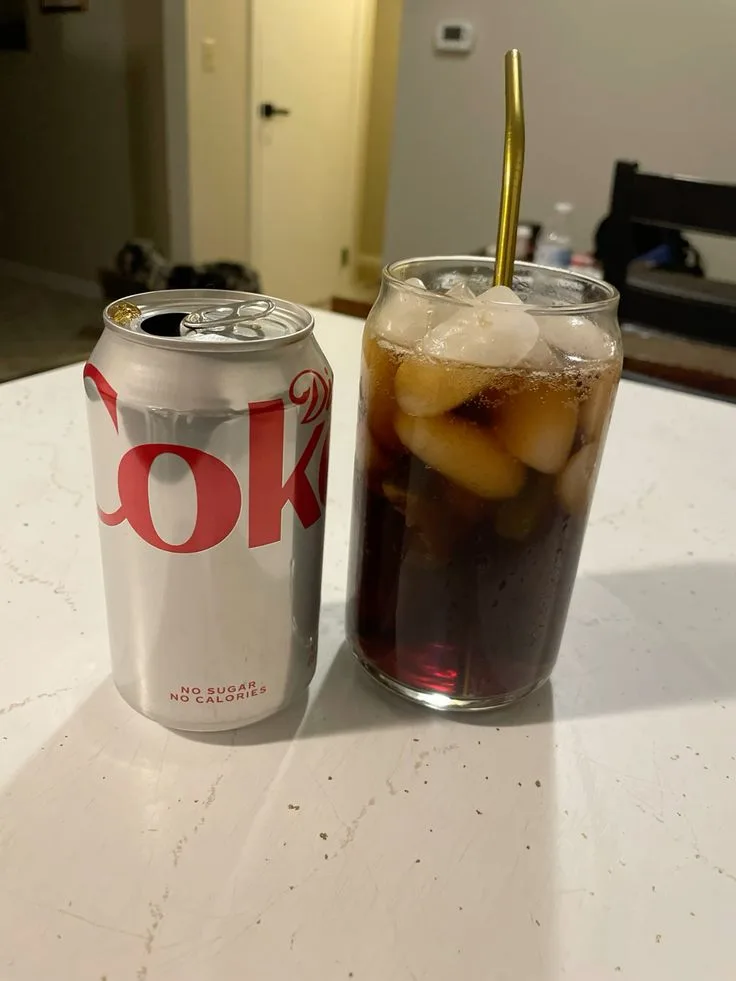
Image source: Bing (Web (fair-use with source credit))
The trade-off is that Diet Coke will not thicken on its own. Regular soda reduces into a syrup because of all that sugar. Diet Coke just reduces into a thinner, more acidic liquid.
Aspartame, the sweetener in Diet Coke, also stays stable at low simmering temperatures. That means you don't need to worry about it breaking down and turning bitter.
The FDA has reviewed aspartame multiple times and maintains that it is safe for the general population at normal consumption levels. If you're serving guests with phenylketonuria, mention that Diet Coke contains phenylalanine.
For a slightly different flavor with the same zero-sugar benefit, Coke Zero works as a one-to-one swap. Diet Pepsi also works, though the spice blend in the final dish will taste a little brighter and more citrus-forward. Stick with Diet Coke if you want the classic flavor match for ketchup and Worcestershire.
Chicken Breasts vs Thighs: Which One Should You Use
Boneless, skinless chicken breasts are the most common choice. They shred cleanly and stay lean. But they dry out fast if you overcook them even a few minutes past done.
Chicken thighs hold up better. They have more connective tissue, which breaks down into gelatin during the simmer. That gives the sauce a silkier finish.
Thighs are also more forgiving in a slow cooker, where temperatures stay low for hours.
Here's a quick comparison for this recipe:
| Cut | Texture | Risk | Best Cooking Method |
|---|---|---|---|
| Boneless, skinless breasts | Lean, light, easy to shred | Dries out above 170°F internal | Stovetop or Instant Pot |
| Boneless, skinless thighs | Juicier, softer, richer | Hard to overcook | Slow cooker or stovetop |
Aggregate recipe reviews show thighs score slightly higher for moisture and flavor. Breasts score higher for calorie-conscious eaters. Either works.
Just avoid bone-in pieces unless you plan to pull the meat off the bone after cooking, because the bone throws off cook time and shredding.
If you're already set up with an air fryer, a raw chicken air fryer guide covers a different route to crispy, safe poultry. For this braise, stick with a covered pot or cooker.
The Simple Sauce Ratio
The base sauce has four ingredients. Mix one 12-ounce can of Diet Coke with 1 cup ketchup, 1/4 cup light brown sugar or a brown sugar substitute, and 1 tablespoon Worcestershire sauce. That's enough coating for 1.5 to 2 pounds of chicken.
From there, add your dry seasonings. A standard blend is 1 teaspoon garlic powder, 1 teaspoon onion powder, 1/2 teaspoon smoked paprika, 1/2 teaspoon black pepper, and a pinch of salt. Smoked paprika matters more than you'd think.
It rounds out the artificial sweetener aftertaste and adds a subtle barbecue background.
If you want a thicker sauce from the start, use 1/2 cup ketchup and 1/2 cup barbecue sauce instead of a full cup of ketchup. That brings extra body and a deeper molasses note. Aggregate recipe reviews suggest a 50/50 ketchup-to-barbecue split gives the closest result to classic cola chicken.
Taste the raw sauce before adding chicken. It should be tangy, lightly sweet, and savory. If it tastes flat, add a teaspoon of apple cider vinegar.
If it tastes too sharp, add a teaspoon more brown sugar substitute.
One warning. Don't skip the Worcestershire sauce. It's the ingredient that ties the Diet Coke's acidity to the ketchup's sweetness.
Without it, the sauce can taste one-note and slightly tinny from the canned cola.
Slow Cooker Version for Hands-Off Shredded Chicken
The slow cooker is the easiest route, but it also needs the most restraint with cook time. Add all sauce ingredients to the pot first. Whisk to combine.
Then nestle the chicken into the liquid so it's mostly submerged.
Set the slow cooker on high for 3 to 4 hours or low for 6 to 7 hours. Start checking for doneness at the three-hour mark on high. Breasts can go from tender to dry in under an hour at the end of a high setting.
When the chicken reaches 165°F internally, remove it to a cutting board. Shred it with two forks. Pour the remaining sauce into a small saucepan and simmer it for 10 to 15 minutes to reduce and thicken.
Then pour the sauce back over the shredded chicken.
The slow cooker method works best for meal prep. You can start it before work and have dinner ready when you get home. For a gas cooktop alternative that heats quickly, a six-burner gas cooker with oven and grill gives you the stovetop flexibility to reduce that sauce in minutes.
Stovetop Method: Faster Sauce Reduction
The stovetop method gives you the most control over sauce texture. It also cooks faster than the slow cooker. Use a wide skillet or Dutch oven so the liquid has room to reduce.
Follow these steps:
- Whisk the sauce ingredients together in the skillet before adding chicken.
- Add the chicken in a single layer. Spoon some sauce over the top.
- Bring the liquid to a gentle simmer over medium heat.
- Cover, reduce the heat to low, and cook for 25 to 35 minutes.
- Flip the chicken once halfway through.
- Check that the thickest piece reaches 165°F.
- Remove the chicken, shred it, then return it to the sauce.
A wide skillet shortens the reduction time because more liquid sits directly over the heat. If the sauce gets too thick before the chicken finishes, add a splash of water. If it's too thin, uncover the pan for the last 10 minutes.
Instant Pot Shortcut for Busy Nights
An electric pressure cooker turns Diet Coke chicken into a 15-minute job. Add the chicken and sauce to the inner pot. Stir once so the spices don't sit on top.
Seal the lid and cook on high pressure for 10 to 12 minutes.
Let the pressure release naturally for 5 minutes, then flip the valve to quick release. The official safety guidance from the USDA's Food Safety and Inspection Service (FSIS) stresses keeping your hands clear of the steam vent. Use a long-handled spoon to open the lid away from you.
Pressure cooking adds condensation, so the sauce will be thinner than the stovetop version. That's normal. Remove the chicken, shred it, and thicken the sauce with a cornstarch slurry.
Or simmer it on sauté mode for a few minutes after shredding.
How to Fix Watery Sauce
A watery sauce is the most common issue with this recipe. It happens because Diet Coke doesn't reduce the way regular Coke does. The fix is simple and takes five minutes.
Make a cornstarch slurry. Whisk 1 tablespoon cornstarch into 2 tablespoons cold water until smooth. Pour that into the simmering sauce while stirring.
Heat for 2 to 3 minutes. The sauce will tighten into a glossy glaze that clings to the chicken.
Never add dry cornstarch straight to hot liquid. It clumps instantly and leaves chalky pockets in the sauce. If you follow a keto plan, swap the cornstarch for 1/4 teaspoon xanthan gum.
Whisk it in slowly until the sauce reaches the thickness you want.
Shredding and Serving the Chicken
Shredding is the easiest step, but doing it in the right order matters. Pull the chicken from the sauce first. Let it rest for 5 minutes.
Then shred it with two forks on a cutting board.
Don't shred the chicken inside the pot. You'll end up with uneven pieces and a messy braising liquid. Once shredded, return the meat to the sauce and toss to coat.
At this point you can adjust the salt and pepper to taste.
For serving, pile the chicken onto toasted buns for pulled chicken sandwiches. Or spoon it over white rice with a little of the extra sauce. A shredded chicken dinner also pairs well with a creamy biscuit-topped gravy chicken if you want to turn one batch into two different meals.
Best Ways to Serve Diet Coke Chicken
This recipe is flexible. The sweet-savory profile works with nearly any starchy base. Keep portions around 1/2 to 3/4 cup of shredded chicken per serving.
Try these serving options:
- Rice bowls with steamed broccoli
- Toasted brioche or pretzel buns
- Warm corn tortillas with pickled onions
- Lettuce cups for a lower-carb meal
- Sliders for game day
Leftovers reheat well in a covered skillet over low heat. Add a tablespoon of water if the sauce tightened in the fridge. An air fryer can crisp the edges if you prefer a drier, caramelized bite on the reheated chicken.
Frequently Asked Questions
Can I use frozen chicken?
Yes, but thaw it first. Frozen chicken releases too much water as it cooks, which will thin the sauce further and create uneven cooking. Thaw fully in the refrigerator overnight, then pat dry before adding to the sauce.
Why is my sauce so watery?
Diet Coke contains no sugar, so it won't reduce into syrup on its own. The fix is a cornstarch slurry made from 1 tablespoon cornstarch and 2 tablespoons cold water. Whisk it in while the sauce simmers, then cook for 2 to 3 minutes.
How long does Diet Coke chicken last in the fridge?
Store leftovers in an airtight container for up to 4 days. Reheat gently on the stovetop or in the microwave. The sauce may separate slightly as it sits.
Stir it well and add a splash of water if needed.
Can I use regular Coke instead?
Yes, but you'll add about 39 grams of sugar per can. The dish will be sweeter and the sauce will thicken more on its own. If you want the lower-sugar version, stick with Diet Coke or Coke Zero.
Is Diet Coke chicken keto-friendly?
It can be. Use a sugar-free ketchup, a brown sugar substitute, and serve it in lettuce cups. Check the ketchup label carefully, because standard ketchup adds around 4 grams of sugar per tablespoon.
With the right swaps, each serving lands near 4 to 6 grams of net carbs.
What does Diet Coke chicken taste like?
The flavor is tangy, lightly sweet, and savory, similar to barbecue pulled chicken. The cola note is subtle. Most of the boldness comes from ketchup, Worcestershire sauce, and smoked paprika working together.
