
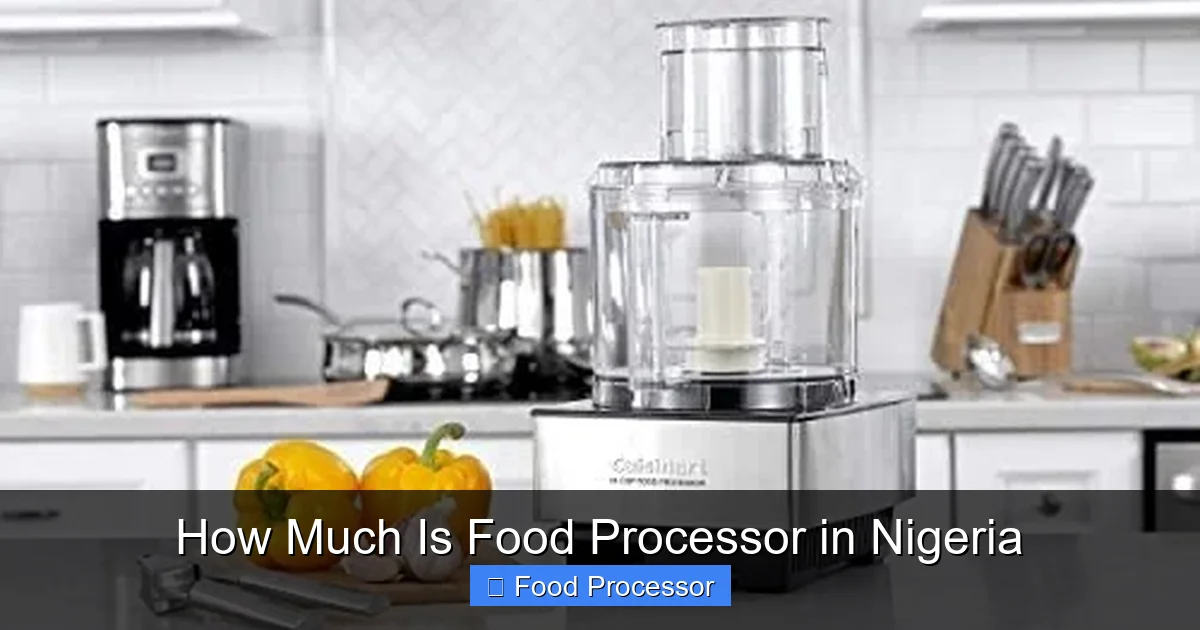
Navigating the cost of kitchen appliances in Nigeria can be tricky, especially for essential tools like food processors. This guide breaks down exactly how much is a food processor in Nigeria, considering factors like brand, capacity, and where you shop. You’ll learn about typical price ranges from budget-friendly options to high-end models, helping you make an informed purchase. Discover smart tips to get the best value and efficiently equip your Nigerian kitchen.
How Much Is Food Processor in Nigeria
Hello there, fellow home cooks and culinary enthusiasts! Are you tired of tedious chopping, slicing, and dicing by hand? A food processor can be a game-changer in any kitchen, simplifying countless tasks and saving you precious time. But when it comes to bringing one home, a common question often pops up: “How much is food processor in Nigeria?” It’s a valid query, as prices can vary widely depending on a multitude of factors.
This comprehensive guide is designed to shed light on exactly that. We’ll explore the various elements that influence the cost of a food processor in Nigeria, walk you through typical price ranges for different types and brands, and give you practical tips on where to buy one. By the end, you’ll be well-equipped to make an informed decision and find the perfect kitchen assistant that fits both your needs and your budget. Let’s dive in!
Key Takeaways
- Price Varies Significantly: The cost of a food processor in Nigeria can range from NGN 25,000 for basic models to over NGN 500,000 for high-end or commercial units, influenced by brand, features, and capacity.
- Key Factors Influence Cost: Brand reputation, bowl capacity, motor wattage, included attachments, and the type of food processor (compact vs. full-size) are major determinants of its price.
- Where You Buy Matters: Prices may differ between online retailers like Jumia and Konga, physical electronics stores, and local market vendors, with online platforms often offering competitive deals.
- Define Your Needs First: Before purchasing, assess your typical usage, the types of food you’ll process, and the batch sizes to choose a model with the right capacity and power, avoiding overspending or under-equipping.
- Always Compare and Review: To get the best value, compare prices across different vendors, read product reviews, and look out for sales or warranty offers, especially from reputable brands.
- Budget-Friendly to Premium Options: Nigeria’s market offers a wide spectrum of food processors, from affordable local brands to premium international ones, ensuring there’s an option for every budget and culinary requirement.
Understanding Food Processors: Why They’re Essential
Before we talk about the price, let’s quickly appreciate why a food processor is such a valuable addition to your kitchen. Imagine effortlessly grinding beans for moi-moi, shredding vegetables for coleslaw, kneading dough for bread, or puréeing soups to a silky smooth consistency. A food processor handles these tasks with ease and speed, far surpassing what you can achieve manually or with a basic blender. It’s a versatile appliance that can transform your cooking experience, making meal prep faster, more efficient, and often more enjoyable.
Factors Influencing Food Processor Prices in Nigeria
The question of “how much is food processor in Nigeria” doesn’t have a single, straightforward answer. Several key factors come into play, causing a significant range in prices across the market. Understanding these factors will help you gauge what you’re paying for.
Brand Recognition and Reputation
Just like any other appliance, the brand plays a huge role in pricing. Well-known international brands such as Kenwood, Philips, Bosch, Braun, and Cuisinart typically command higher prices due to their reputation for quality, durability, and advanced features. Local or less-known brands might offer more budget-friendly options, though their quality can sometimes be inconsistent. A brand that’s trusted often means better performance and longer lifespan. For instance, if you’re curious how much does a Cuisinart food processor cost, you’ll generally find them at the higher end of the spectrum due to their professional-grade reputation.
Capacity (Bowl Size)
Food processors come with bowls of varying capacities, measured in cups or liters.
- Compact/Mini Food Processors (1-4 cups): These are usually the most affordable. They’re great for small tasks like chopping nuts, herbs, or making dips for one or two people.
- Mid-Size Food Processors (7-12 cups): This is the most common and versatile size for average family use. They can handle bigger batches of vegetables, dough, and purées. The cost begins to climb here.
- Full-Size/Large Food Processors (12-16+ cups): Designed for large families, entertaining, or bulk meal prep, these come with powerful motors and higher price tags.
Consider your household size and cooking habits. A larger capacity generally means a higher price. It’s important to how to choose the right size food processor to ensure it meets your specific culinary needs without unnecessary expense.
Wattage and Motor Power
The motor’s wattage indicates its power. A higher wattage (e.g., 600W to 1500W+) means the food processor can handle tougher ingredients like hard vegetables, nuts, or kneading stiff dough more efficiently without straining. Models with powerful motors are generally more expensive but offer better performance and durability, especially for demanding tasks.
Included Attachments and Features
The more accessories a food processor comes with, the higher its price. Basic models might only include a standard S-blade. More expensive models often come with:
- Multiple S-blades (different sizes)
- Slicing and shredding discs (fine, medium, coarse)
- Dough blade
- Whisking attachment
- Citrus juicer
- Storage case for accessories
- Variable speed settings, pulse function, and specific pre-set programs
Each additional feature and attachment adds to the overall cost of a food processor in Nigeria.
Type of Food Processor
The market offers different types of food processors, each with a different price point:
- Traditional Food Processors: The most common type, ranging from compact to full-size.
- Food Processor/Blender Combos: These appliances offer the functionality of both a food processor and a blender, often with interchangeable bases or separate jugs. They tend to be more expensive but offer great versatility, saving counter space.
- Commercial Food Processors: Built for heavy-duty, continuous use in restaurants or catering businesses. They are robust, have very powerful motors, and come with a hefty price tag, usually starting from NGN 300,000 and going much higher.
Where You Buy It (Online vs. Physical Stores)
The retail channel can also influence how much is food processor in Nigeria.
- Online Retailers: Websites like Jumia, Konga, and Payporte often have competitive pricing, sales, and a wider selection. They might also offer convenient delivery services. For a deep dive into specific platforms, you might search for information on how much is food processor in Nigeria Jumia, as it’s a popular choice.
- Physical Electronics Stores: Stores like SPAR, Ebeano, or dedicated appliance stores allow you to see the product in person, get immediate assistance, and sometimes negotiate prices. Prices might be slightly higher due to overheads.
- Local Market Vendors: While sometimes offering lower prices, particularly for less-known brands or imported goods, it’s crucial to verify authenticity and warranty when buying from local markets.
Current Economic Climate and Exchange Rates
Nigeria’s economy and foreign exchange rates significantly impact the cost of imported goods, including most food processors. Fluctuations in the Naira’s value against foreign currencies can cause prices to change, sometimes quite rapidly. This is a crucial external factor in determining how much is food processor in Nigeria at any given time.
Typical Price Ranges for Food Processors in Nigeria
Now that we understand the factors, let’s look at some general price brackets you can expect to find in the Nigerian market (prices are approximate and subject to change).
Entry-Level/Compact Models (NGN 25,000 – NGN 60,000)
These are typically 1-4 cup mini choppers or compact food processors with basic S-blades. They are suitable for light tasks like chopping onions, garlic, making small amounts of pesto, or blending baby food. Brands like Binatone, Century, and some basic Philips or Kenwood models might fall into this range. They usually have lower wattage motors.
Mid-Range Models (NGN 60,000 – NGN 150,000)
This is where you find the most popular and versatile options for average households. These 7-12 cup food processors often come with a good range of attachments (slicing, shredding discs, dough blade) and more powerful motors (600W-1000W). Brands like Kenwood, Philips, Bosch, and some models from Braun are common here. They strike a good balance between performance, features, and affordability, making them a popular answer to “how much is food processor in Nigeria” for many.
High-End/Premium Models (NGN 150,000 – NGN 500,000+)
These are robust, feature-rich food processors with large capacities (12-16+ cups) and very powerful motors (1000W+). They offer superior durability, advanced features, and often come with a full suite of attachments. Brands like Cuisinart, KitchenAid, and premium models from Bosch or Magimix fall into this category. These are built for serious home cooks who demand professional-grade performance and longevity.
Commercial Food Processors (NGN 300,000 – NGN 1,000,000+)
If you’re buying for a restaurant, hotel, or large catering business, you’ll be looking at commercial-grade machines. These are designed for continuous, heavy-duty processing, often made with stainless steel components for maximum durability and hygiene. Prices vary significantly based on capacity and brand, often requiring direct quotes from suppliers.
Where to Buy a Food Processor in Nigeria
Knowing how much is food processor in Nigeria is one thing, knowing where to find it is another.
Online Retailers
Platforms like Jumia and Konga are go-to options for many Nigerians. They offer a vast selection, competitive pricing, frequent discounts, and doorstep delivery. You can easily compare different models and read customer reviews before making a purchase. Remember to filter by brand, capacity, and price range to narrow down your options.
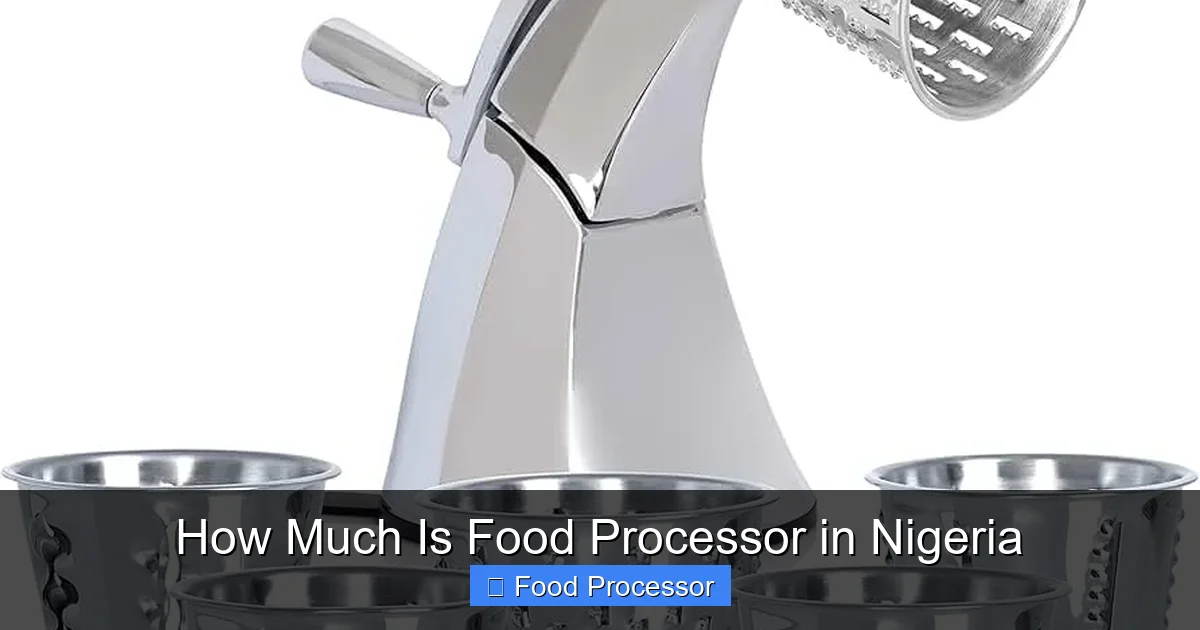
Visual guide about How Much Is Food Processor in Nigeria
Image source: m.media-amazon.com
Visual guide about How Much Is Food Processor in Nigeria
Image source: i.onthe.io
Physical Electronics Stores
Major cities like Lagos, Abuja, Port Harcourt, and Ibadan have large electronics retailers and supermarket chains that stock a variety of food processors. Visiting these stores allows you to physically inspect the product, ask questions, and sometimes benefit from in-store promotions.
Local Market Vendors
Markets such as Alaba International Market in Lagos or Onitsha Main Market are known for a wide array of electronics. While you might find seemingly lower prices here, exercise caution. Ensure the product is genuine, comes with a warranty, and is not a counterfeit. Always test the appliance if possible before purchase.
Tips for Getting the Best Value When Buying a Food Processor
To ensure you get the most out of your budget when figuring out how much is food processor in Nigeria, keep these tips in mind:
Define Your Needs
Before even looking at prices, consider what you’ll primarily use the food processor for. Are you making small batches of paste or large quantities of dough? This will help you decide on the ideal capacity and motor power. You might want to consider what to consider when buying a food processor in terms of features and long-term durability.
Read Reviews
Customer reviews can provide invaluable insights into a product’s performance, durability, and any potential downsides. Look for reviews from Nigerian users if possible, as their experiences might be more relevant to local conditions.
Compare Prices
Don’t settle for the first price you see. Check multiple online and physical stores. Prices for the same model can vary significantly between vendors.
Look Out for Sales and Deals
Keep an eye out for seasonal sales events like Black Friday, Jumia Anniversary, or end-of-year clearances. These are excellent opportunities to snag a good deal on a food processor in Nigeria.
Check Warranty and After-Sales Support
A good warranty offers peace of mind. Ensure the retailer or brand offers a decent warranty period and readily available after-sales service or spare parts in Nigeria. This can save you money and headaches down the line if something goes wrong.
Common Brands and Their Price Points
Let’s briefly touch on some popular brands and their general price placements:
- Binatone & Century: Often found in the entry-level to mid-range. Good for basic tasks, generally affordable.
- Philips & Kenwood: Dominant in the mid-range, offering a wide array of models with various capacities and features. They are reliable choices for most home kitchens.
- Bosch & Braun: Tend to be in the mid-to-high range, known for robust build quality and efficient performance.
- Cuisinart & KitchenAid: These are premium brands, usually found in the high-end category. They offer professional-grade performance, durability, and a sleek design, reflecting their higher price tag.
Troubleshooting Common Food Processor Issues
Even with the best food processor, you might encounter minor issues. While this guide is primarily about cost, a quick glance at common problems can be helpful.
My Food Processor Isn’t Turning On
This is a frequent concern. Often, it’s a simple fix related to safety mechanisms. Ensure all parts – the bowl, lid, and blade – are correctly assembled and locked into place. Most food processors have interlock systems that prevent them from operating if not assembled correctly. Also, check if it’s properly plugged into a functional power outlet. If it still doesn’t work, you might want to look at resources on how to fix a food processor that is not turning on.
The Blade Isn’t Spinning
Again, check the assembly. The blade needs to be securely seated on the motor shaft, and the lid must be locked correctly. Overloading the bowl can also prevent the blade from spinning effectively. Reduce the load and try again. Sometimes, a clogged motor can also be an issue, requiring a quick clean.
Conclusion
So, how much is food processor in Nigeria? The answer, as you’ve seen, isn’t a single number but a spectrum, reflecting the diversity of choices available. From compact, affordable mini choppers to powerful, feature-rich full-size machines and heavy-duty commercial units, there’s a food processor for every budget and culinary ambition.
By considering factors like brand, capacity, motor power, included attachments, and where you choose to purchase, you can make a well-informed decision. Remember to define your needs clearly, compare prices, read reviews, and prioritize warranty and after-sales support. With these tips, you’re now ready to confidently navigate the Nigerian market and invest in a food processor that will undoubtedly elevate your cooking game. Happy processing!
