

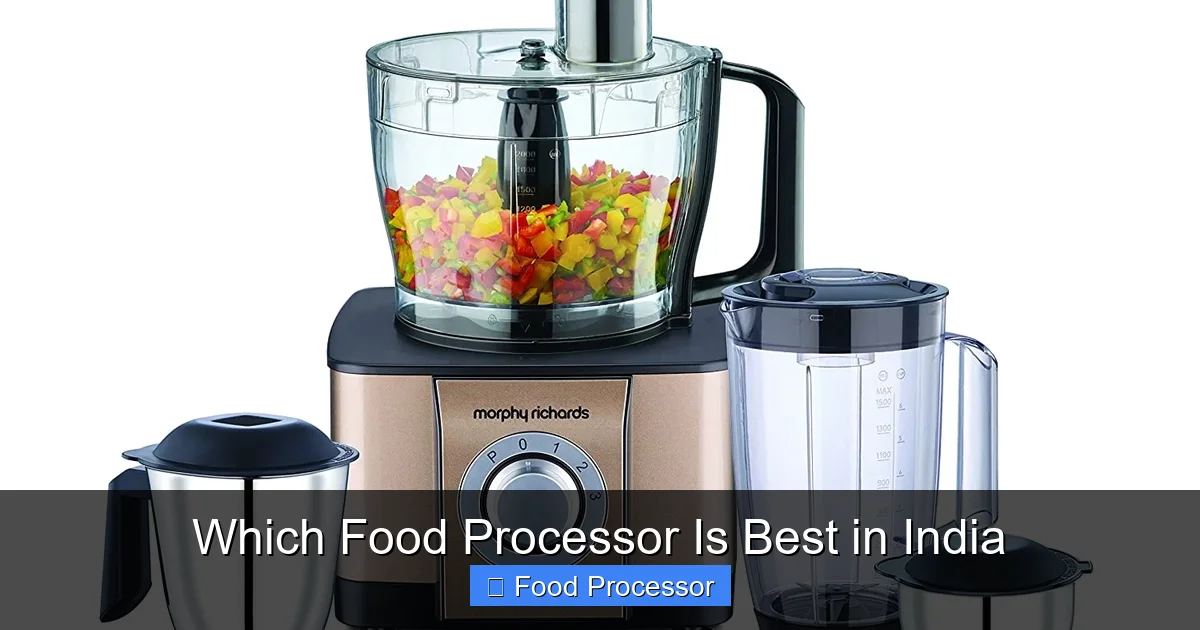
Choosing the best food processor in India can transform your kitchen experience, making daily cooking tasks much easier. This comprehensive guide helps you navigate the options by explaining key features like wattage, bowl capacity, and attachments, tailored for Indian culinary practices. You’ll learn about top brands, different types available, and how to match a food processor to your specific needs and budget, ensuring you make a smart investment.
Which Food Processor Is Best in India
Hello there, home chefs and kitchen enthusiasts! Are you tired of endless chopping, grating, and kneading by hand? If so, you’re in the right place. A food processor can be a game-changer in any kitchen, especially in India, where our cuisine demands a lot of prep work. From finely chopping onions for a curry to kneading dough for rotis or grinding fresh masalas, a good food processor can save you a ton of time and effort. But with so many options available, how do you pick the one that’s just right for you?
This comprehensive guide will walk you through everything you need to know to choose the best food processor in India. We’ll cover what to look for, popular types, top brands, and practical tips to ensure you make an informed decision that suits your cooking style and budget. By the end of this guide, you’ll be confident in selecting the perfect kitchen companion.
Key Takeaways
- Understand Your Needs: Before buying, assess your family size, common cooking tasks (e.g., kneading dough, chopping vegetables, grinding spices), and available kitchen space to determine the ideal food processor type and size.
- Prioritize Motor Power (Wattage): For tough Indian ingredients like hard spices and dough, a motor with at least 600W-750W is recommended, with higher wattage (1000W+) being excellent for heavy-duty tasks.
- Consider Bowl Capacity and Attachments: Choose a bowl size that matches your batch cooking needs. Look for essential attachments like chopping blades, slicing/shredding discs, a kneading blade, and perhaps a juicer for versatility.
- Explore Mixer Grinder Food Processor Combos: These are highly popular in India, offering the functionality of both a mixer grinder and a food processor in one appliance, saving space and money.
- Research Reputable Brands: Brands like Philips, Preethi, Bajaj, Bosch, Inalsa, and Morphy Richards are well-regarded in India for their durability, performance, and after-sales service.
- Set a Realistic Budget: Food processors in India range from entry-level options (₹3,000-₹6,000) to mid-range (₹6,000-₹12,000) and premium models (₹12,000+). Align your budget with your required features and brand preference.
- Check Warranty and Reviews: Always verify the warranty period and read customer reviews to gauge product reliability and customer satisfaction before making a purchase.
Understanding Your Needs: The First Step
Before diving into product specifications, take a moment to think about your specific requirements. This will narrow down your choices significantly.
Your Family Size Matters
Are you cooking for one or two people, a small family, or a large joint family? The size of your household directly influences the ideal bowl capacity of your food processor. A larger family will benefit from a bigger bowl (2.5-3.5 liters), while a couple might find a compact model (1.2-2 liters) sufficient.
What Do You Cook Most Often?
Consider the tasks you’ll primarily use the food processor for.
- Dough Kneading: If you make rotis, parathas, or bread frequently, look for a powerful motor and a dedicated kneading blade. Many Indian models are excellent for kneading roti dough perfectly.
- Chopping and Slicing: For everyday vegetable prep for curries, salads, or stir-fries, any standard food processor with good blades will work. Look for multiple disc options for different slice thicknesses or shredding. For example, some food processors are great for quickly shredding cheese smoothly for various dishes.
- Grinding Spices/Pureeing: Indian cooking often involves grinding fresh spices or making pastes. Ensure the model has a sturdy wet grinding jar or powerful enough blades to handle this without strain. A dedicated grinding jar is a huge plus if you often make fresh spice blends at home.
- Juicing: Some food processors come with juicer attachments, which can be a convenient addition if you enjoy fresh juices.
Thinking about these uses will help you determine the necessary power and attachments.
Kitchen Space and Storage
Indian kitchens can sometimes be compact. Measure your counter space and cabinet availability. A bulky food processor might be inconvenient if you have limited room. Consider models that offer a compact design or can be easily disassembled for storage.
Key Features to Look for in a Food Processor
Once you know your needs, it’s time to check the specifications. These features are crucial for a food processor in India to perform well and last long.
Motor Power (Wattage)
This is arguably the most important factor. For Indian cooking, which often involves tough ingredients like hard vegetables, spices, and dough, you need a robust motor.
- 600W-750W: Good for basic chopping, slicing, pureeing, and light dough kneading. This range is suitable for most average Indian households.
- 750W-1000W: Excellent for heavy-duty tasks, frequent dough kneading, grinding tough ingredients, and continuous operation without overheating. This is often the sweet spot for the best food processor in India.
- 1000W+: Ideal for large families, commercial use, or those who need maximum power and speed for all tasks, including making peanut butter or large batches of dough.
A powerful motor ensures efficiency and prevents the appliance from straining or burning out quickly.
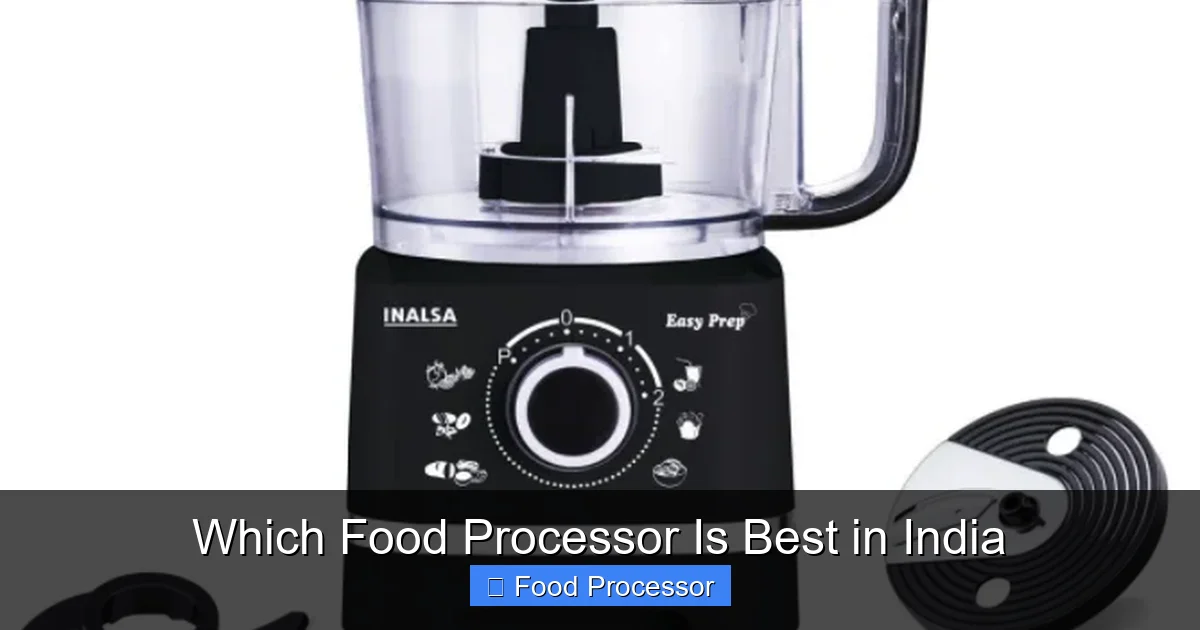
Visual guide about Which Food Processor Is Best in India
Image source: sabsebest.co.in
Bowl Capacity
Food processor bowls usually range from 1 to 3.5 liters.
- 1-1.5 liters: Best for single servings, small families, or specific tasks like making chutneys.
- 2-2.5 liters: Ideal for most average families (3-5 people) for daily cooking tasks.
- 3-3.5 liters: Perfect for large families, entertaining guests, or batch cooking.
Some models also come with smaller processing bowls for tiny quantities, which can be very handy.
Blades and Attachments
The versatility of a food processor largely depends on its attachments. Look for:
- S-Blade (Chopping Blade): The standard blade for chopping, mincing, pureeing, and mixing. This is essential.
- Dough Blade/Kneading Blade: A plastic blade designed specifically for kneading dough without overworking it. A must-have for Indian households.
- Slicing Discs: For uniform slicing of vegetables like potatoes, cucumbers, and onions. Look for adjustable slicing discs for varied thicknesses.
- Shredding Discs: For grating cheese, vegetables, or coconut. Often comes with coarse and fine options.
- Whisking Disc: For whipping cream or eggs.
- Juicer Attachment: Some models include centrifugal or citrus juicers.
The more attachments, the more functions your food processor can perform, making it a true all-in-one appliance.
Build Quality and Durability
A good food processor should feel sturdy.
- Body Material: Look for durable plastic or stainless steel. Stainless steel generally offers better longevity and aesthetics.
- Bowl Material: High-quality, BPA-free plastic is standard. Ensure it’s robust and impact-resistant.
- Blade Material: Stainless steel blades are a must for sharpness and rust resistance.
Durability is key for an appliance that will see frequent use in a busy Indian kitchen.
Safety Features
Safety should never be compromised.
- Interlock System: The food processor won’t start unless the bowl and lid are correctly locked in place. This prevents accidents.
- Overload Protection: Automatically shuts off the motor if it’s overloaded or overheats, protecting the appliance from damage.
- Non-Slip Feet: Ensures the food processor stays stable on your countertop during operation.
Ease of Cleaning
Nobody likes a difficult cleanup. Look for models with:
- Dishwasher-Safe Parts: Many bowls, lids, and blades are dishwasher-safe, saving you time.
- Simple Assembly/Disassembly: Easy to take apart and put back together for thorough cleaning.
- Smooth Surfaces: Fewer crevices mean less food gets stuck, making cleaning simpler.
Types of Food Processors Available in India
The Indian market offers a few distinct types, each with its advantages.
Standalone Food Processors
These are dedicated appliances primarily focused on processing tasks like chopping, slicing, shredding, and kneading. They typically have a larger processing bowl and come with a range of specialized blades and discs. If you already have a mixer grinder and just need a processor, this might be your pick.
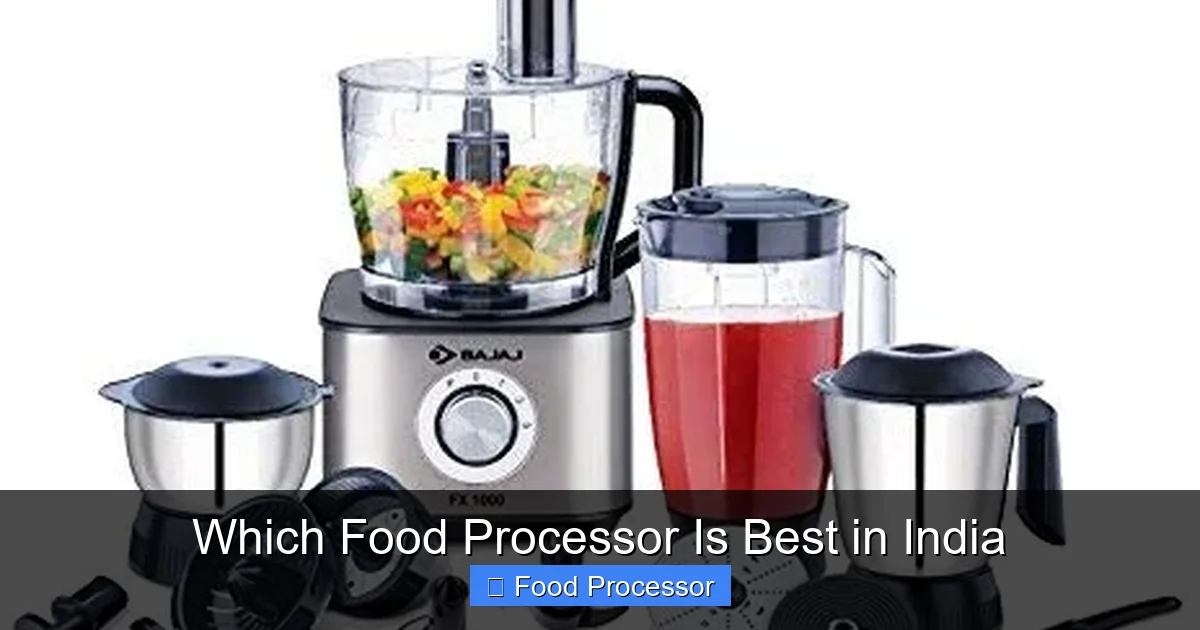
Visual guide about Which Food Processor Is Best in India
Image source: sabsebest.co.in
Mixer Grinder Food Processor Combos (The Indian Favorite)
This is perhaps the most popular category in India. These appliances combine the functions of a traditional Indian mixer grinder (for wet and dry grinding, making purees, batters) with the capabilities of a food processor. They usually come with multiple jars (for grinding and blending) and a separate large processing bowl with various attachments. This type offers excellent value and versatility, making it a strong contender for the best food processor and blender combo in India.
Mini Food Processors
Compact and ideal for small tasks like chopping herbs, nuts, or making small batches of chutney. They usually have a bowl capacity of 1 liter or less and are perfect for individuals or couples with limited kitchen space. They are often more affordable but lack the power and versatility of larger models.
Top Brands to Consider in India
Several brands have established a strong presence and reputation in the Indian food processor market.
Philips
A global leader, Philips offers reliable and feature-rich food processors known for their powerful motors, robust build, and innovative designs. They often provide a good range of attachments and excellent after-sales service.
Preethi
A household name in India, Preethi specializes in mixer grinders and food processors built to withstand the rigors of Indian cooking. Their products are known for their powerful motors, durability, and efficiency, especially for grinding and kneading.
Bajaj
Another popular Indian brand, Bajaj offers a wide range of kitchen appliances, including affordable and reliable food processors. They are a good option for budget-conscious buyers looking for decent performance.
Bosch
Known for German engineering, Bosch offers premium food processors with powerful motors, sophisticated features, and excellent build quality. They are often a bit pricier but deliver superior performance and longevity.
Inalsa
Inalsa provides a good balance of features, performance, and affordability. They have a variety of models catering to different needs and budgets, making them a popular choice for many Indian families.
Morphy Richards
This UK-based brand offers stylish and efficient food processors with a focus on design and user-friendliness. Their models are often packed with useful features and offer good performance for everyday tasks.
Setting Your Budget: How Much Should You Spend?
Food processors in India come in a wide price range. Knowing your budget will help filter options effectively.
Entry-Level Options (₹3,000 – ₹6,000)
These usually offer basic functions like chopping, slicing, and sometimes kneading. They might have lower wattage motors (600-750W) and fewer attachments. Good for occasional use or small families.
Mid-Range Performers (₹6,000 – ₹12,000)
This segment offers a great balance of power (750W-1000W), multiple functions, better build quality, and a wider range of attachments. Many excellent mixer grinder food processor combos fall into this category, providing great value for the best food processor for grinding spices at home and other common tasks.
Premium Choices (₹12,000+)
These are high-end models, often from international brands, with very powerful motors (1000W+), superior build materials (stainless steel), advanced features, and a comprehensive set of attachments. Ideal for large families, heavy-duty users, or those who want the best performance and durability.
Important Considerations Before Buying
A few more checks can ensure you get the best deal and peace of mind.
Warranty and After-Sales Service
Always check the warranty period offered by the manufacturer, typically 2-5 years on the product and sometimes longer on the motor. More importantly, research the brand’s after-sales service network in your area. Good service ensures you can get repairs or parts easily if needed.
Customer Reviews and Ratings
Online reviews from actual users can provide invaluable insights into a product’s real-world performance, durability, and common issues. Look for products with high ratings and consistent positive feedback.
Noise Levels
While all food processors make some noise, some are significantly louder than others. If you live in an apartment or prefer a quieter kitchen, look for models that mention “low noise operation” in their descriptions or customer reviews.
Energy Efficiency
Though not a primary concern for most, an energy-efficient food processor can save a bit on electricity bills over time. Look for energy star ratings or specifications if this is important to you.
Troubleshooting Common Food Processor Issues
Even the best food processors can sometimes encounter minor hiccups. Here’s what to do if you face common problems:
Food Not Processing Evenly
This often happens if you overload the bowl, or if the pieces of food are too large to begin with. Try processing smaller batches. Also, ensure you are adding liquids if the recipe calls for it, as some foods need moisture to process smoothly. Pulse the machine instead of running it continuously for better control and more even results.
Overheating or Strange Noises
If your food processor starts making unusual noises, smells like burning plastic, or stops working, it might be overheating. This can occur due to overloading the motor or continuous operation for too long. Switch it off immediately, unplug it, and let it cool down for at least 15-20 minutes. Check if anything is jammed. Always adhere to the recommended operating times and don’t push the motor beyond its capacity.
Blade Not Spinning
If your food processor turns on but the blade isn’t spinning, check a few things. First, ensure the bowl and lid are correctly locked into place. Most food processors have a safety interlock system that prevents operation if parts are misaligned. Second, check if the blade is properly seated on the drive shaft. Sometimes, food debris can also obstruct its movement. If all else fails, consult the user manual or contact customer service.
Making Your Final Decision
To choose the best food processor in India, summarize your research:
- Match Your Needs: Does the food processor meet your family size, cooking habits, and kitchen space requirements?
- Check Key Features: Does it have sufficient wattage, the right bowl capacity, and all the essential attachments you need?
- Consider the Type: Is a standalone food processor, a combo unit, or a mini processor best for your lifestyle?
- Brand Reputation: Are you comfortable with the brand’s quality and after-sales service?
- Budget Alignment: Does the price fit within your budget without compromising on critical features?
Conclusion
Choosing the best food processor in India doesn’t have to be daunting. By carefully considering your needs, understanding the key features, researching reputable brands, and setting a realistic budget, you can find the perfect appliance to simplify your kitchen tasks. Whether you’re a seasoned chef or a cooking novice, a good food processor will undoubtedly become your most valued kitchen assistant, helping you whip up delicious Indian meals with ease and efficiency. Happy cooking!
