

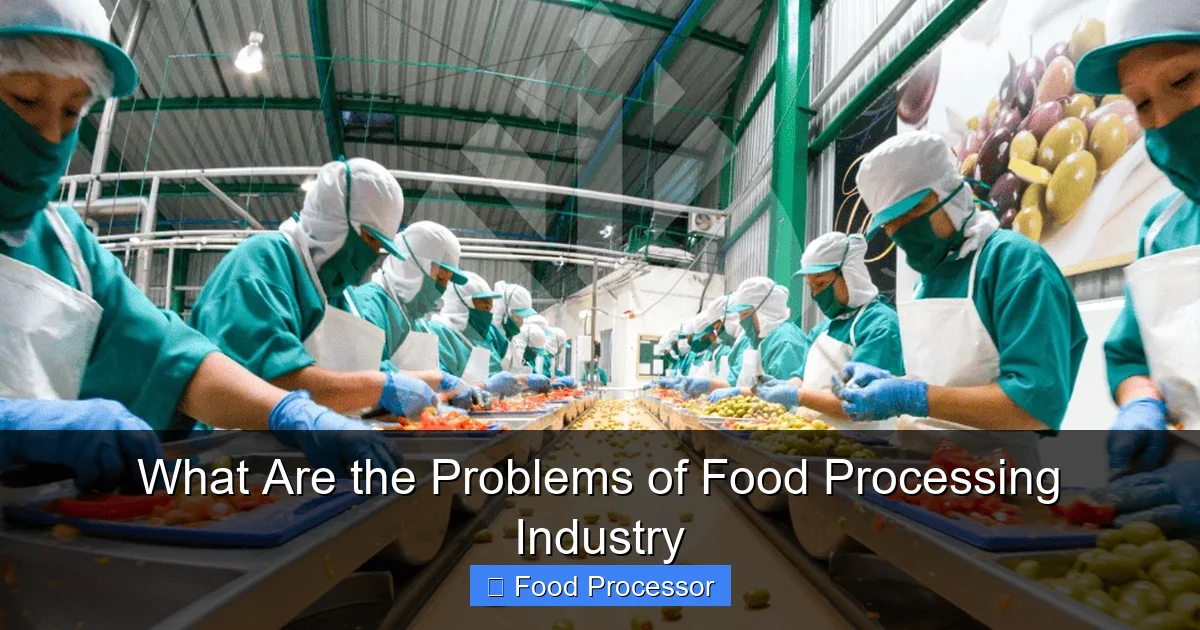
The food processing industry faces a complex array of challenges today. These include stringent regulatory compliance, unpredictable supply chain disruptions, and the urgent need for greater sustainability. Additionally, businesses must constantly adapt to changing consumer preferences for healthier, more transparent products while managing labor shortages and economic pressures. Addressing these problems of food processing industry requires innovation, investment, and a strategic approach to ensure future resilience and growth.
What Are the Problems of Food Processing Industry
The food processing industry plays a critical role in feeding the world, transforming raw agricultural products into the diverse, convenient, and safe foods we find on our shelves. From frozen vegetables to packaged snacks, processed foods are integral to modern life, contributing significantly to food security and economic development. If you’re wondering what is the importance of food processing, it’s about extending shelf life, enhancing safety, and providing accessibility. However, this vital sector is not without its formidable challenges. In fact, the problems of the food processing industry are complex and constantly evolving, demanding innovative solutions and strategic foresight.
Understanding these challenges is crucial for anyone involved in or interested in the journey our food takes from farm to fork. Whether you’re a consumer curious about what goes into your food, an entrepreneur eyeing the food sector, or an industry professional seeking to improve operations, this guide will walk you through the major hurdles. We’ll explore everything from strict regulations and volatile supply chains to changing consumer tastes and environmental pressures. Get ready to dive deep into the multifaceted problems facing the food processing industry today.
Key Takeaways
- Regulatory Hurdles: The food processing industry must navigate an ever-changing landscape of strict food safety laws, labeling requirements, and environmental regulations, demanding constant vigilance and investment in compliance.
- Supply Chain Instability: Fluctuating raw material prices, climate change impacts, and global events can disrupt supply chains, leading to higher costs and unpredictable availability for food processors.
- Sustainability Imperatives: Companies face increasing pressure to reduce their environmental footprint, tackle food waste, manage water usage, and decrease energy consumption throughout their operations.
- Workforce Challenges: The industry grapples with significant labor shortages, an aging workforce, and the need to attract and retain skilled employees for both manual and technologically advanced roles.
- Consumer Evolution: Shifting consumer preferences towards healthier, “clean label,” ethically sourced, and transparent products require constant innovation and adaptation in product development and marketing.
- Economic Pressures: Rising production costs, intense market competition, and the need for significant capital investment in technology and infrastructure strain profit margins and growth potential.
- Technological Integration: While automation offers efficiency, the high upfront cost, complexity of implementation, and the need for a skilled workforce to operate and maintain advanced machinery present significant barriers.
Understanding the Core Challenges of Food Processing
The food processing industry operates within a dynamic environment, constantly balancing innovation with safety, efficiency with sustainability, and profitability with public health. Let’s break down the primary problems that keep industry leaders on their toes.
Regulatory Compliance and Food Safety Concerns
One of the most significant problems of the food processing industry is the intricate web of regulations it must navigate. Food safety is paramount, and governments worldwide impose stringent standards to protect consumers.
H3: Navigating Strict Food Safety Standards
Companies must adhere to regulations like HACCP (Hazard Analysis and Critical Control Points), ISO 22000, and various national food safety acts. These require meticulous record-keeping, strict hygiene protocols, and regular audits. Failing to comply can result in hefty fines, product recalls, damage to brand reputation, and even business closure. The sheer volume and complexity of these rules, which often differ across regions and countries, make compliance a continuous and costly endeavor.
H3: Traceability and Allergen Management
Modern consumers demand to know where their food comes from and what’s in it. This pushes for robust traceability systems, allowing companies to track ingredients from their origin through every stage of processing to the final product. Allergen management is another critical area. Mislabeling allergens can have severe health consequences for consumers, leading to urgent recalls. Implementing effective systems to prevent cross-contamination and ensure accurate labeling is a constant challenge, especially with diverse product lines.
Supply Chain Volatility and Raw Material Sourcing
The journey of food begins with raw ingredients, and ensuring a consistent, high-quality, and affordable supply is a perpetual struggle for the food processing industry.
H3: Fluctuating Prices and Availability
Raw material prices can swing wildly due to factors like weather patterns, global demand, geopolitical events, and even currency fluctuations. A sudden drought or flood can decimate a crop, leading to scarcity and price hikes for processors. This unpredictability makes long-term planning difficult and can significantly impact profit margins. Securing a stable supply chain for food purchasing, processing, and preservation becomes a top priority, often requiring diversified sourcing strategies.
H3: Quality Control of Raw Materials
Maintaining consistent quality in raw ingredients is another problem. Variations in crop yield, animal health, or supplier practices can affect the end product’s taste, texture, and nutritional value. Food processors must implement rigorous inspection and testing protocols for incoming materials, which adds to operational costs and complexity.
Technological Advancements and Automation Integration
Technology offers immense potential for efficiency and safety, but its adoption presents its own set of problems for the food processing industry.
H3: High Upfront Investment and Maintenance
Implementing advanced automation, robotics, or sophisticated data analytics systems requires a substantial capital outlay. Small and medium-sized enterprises (SMEs) often struggle to afford these investments. Beyond the initial cost, maintenance, software updates, and potential breakdowns also contribute to ongoing expenses. The return on investment, while often significant in the long run, can be slow to materialize.
H3: Need for Skilled Labor and Cybersecurity Risks
As factories become more automated, the demand for manual labor shifts to a need for skilled technicians, engineers, and IT specialists to operate and maintain the complex machinery. Finding and retaining this specialized talent is a growing problem. Furthermore, increased reliance on interconnected systems opens the door to cybersecurity threats. A data breach or a cyberattack on operational technology can halt production, compromise sensitive information, and erode consumer trust.
Environmental Impact and Sustainability Pressures
The food processing industry is under increasing scrutiny for its environmental footprint, pushing sustainability to the forefront of its challenges.
H3: Waste Management and Resource Consumption
Food waste is a major concern, both during processing and from packaging. Disposing of by-products, wastewater, and solid waste streams efficiently and responsibly is a complex task. Moreover, food processing is often water-intensive and energy-intensive. Reducing water usage, transitioning to renewable energy sources, and minimizing carbon emissions are not just ethical imperatives but also economic pressures, as consumers increasingly favor environmentally conscious brands.
H3: Consumer Demand for Sustainable Practices
Consumers are more aware of environmental issues than ever before. They expect companies to be transparent about their environmental impact and to actively pursue sustainable practices. This demand can influence purchasing decisions, forcing processors to invest in greener technologies and communicate their efforts effectively. Greenwashing, or misleading consumers about environmental practices, is also a risk that companies must avoid.
Labor Shortages and Workforce Management
Like many manufacturing sectors, the food processing industry faces persistent challenges in recruiting and retaining its workforce.
H3: Attracting and Retaining Talent
Many jobs in food processing are physically demanding or involve repetitive tasks in specific environments (e.g., cold storage). This can make it difficult to attract new talent, especially younger generations who may prefer less strenuous work. There’s also an aging workforce, with many experienced employees nearing retirement, leading to a knowledge gap. High turnover rates add to recruitment and training costs.
H3: Training and Safety in the Workplace
Ensuring a safe working environment is crucial, especially when operating heavy machinery or handling sharp tools. Regular training on safety protocols, hygiene, and equipment operation is essential. However, the costs associated with comprehensive training programs and the time taken away from production can be significant problems for companies. Moreover, maintaining a diverse workforce while ensuring consistent quality and adherence to strict food safety guidelines adds another layer of complexity.
Consumer Demands and Shifting Preferences
Consumers are not passive recipients of processed food; their evolving tastes and values significantly shape the industry’s direction.
H3: Demand for Healthy, Natural, and Clean Label Products
There’s a strong trend towards healthier eating, with consumers seeking products that are less processed, contain fewer artificial ingredients, and have clear nutritional benefits. The “clean label” movement emphasizes transparency, with consumers wanting to understand every ingredient on the list. For processors, this means reformulating existing products, innovating with new ingredients, and often simplifying complex recipes. Understanding how do you know if a food has minimal processing is becoming a key factor for many shoppers.
H3: Ethical Sourcing, Customization, and Convenience
Beyond health, ethical considerations are gaining prominence. Consumers want to know that ingredients are sourced responsibly, that workers are treated fairly, and that animal welfare standards are met. Furthermore, while convenience remains a driver, there’s also a growing desire for customization and unique dietary options (e.g., plant-based, gluten-free). Meeting these diverse and often niche demands requires significant agility in product development, marketing, and production.
Economic Pressures and Market Competition
Profitability is always a concern, and the food processing industry faces unique economic hurdles.
H3: Rising Production Costs and Thin Margins
Labor, energy, raw materials, packaging, and transportation costs are all on the rise. These increasing expenses, coupled with intense competition that often drives down prices, lead to very thin profit margins for many food processors. This makes it challenging to invest in research and development, upgrade facilities, or offer competitive wages.
H3: Intense Competition and Market Saturation
The market is highly competitive, with both large multinational corporations and smaller, agile startups vying for shelf space. Innovation cycles are shortening, meaning companies must constantly introduce new products or improve existing ones to stay relevant. Market saturation in many categories means that gaining market share often comes at the expense of a competitor, making it a cutthroat environment.
Navigating Solutions and Future Directions
Despite the myriad problems of the food processing industry, the sector is actively seeking and implementing solutions to ensure its future viability and growth. This isn’t just about survival; it’s about evolving to meet a new era of global demands.
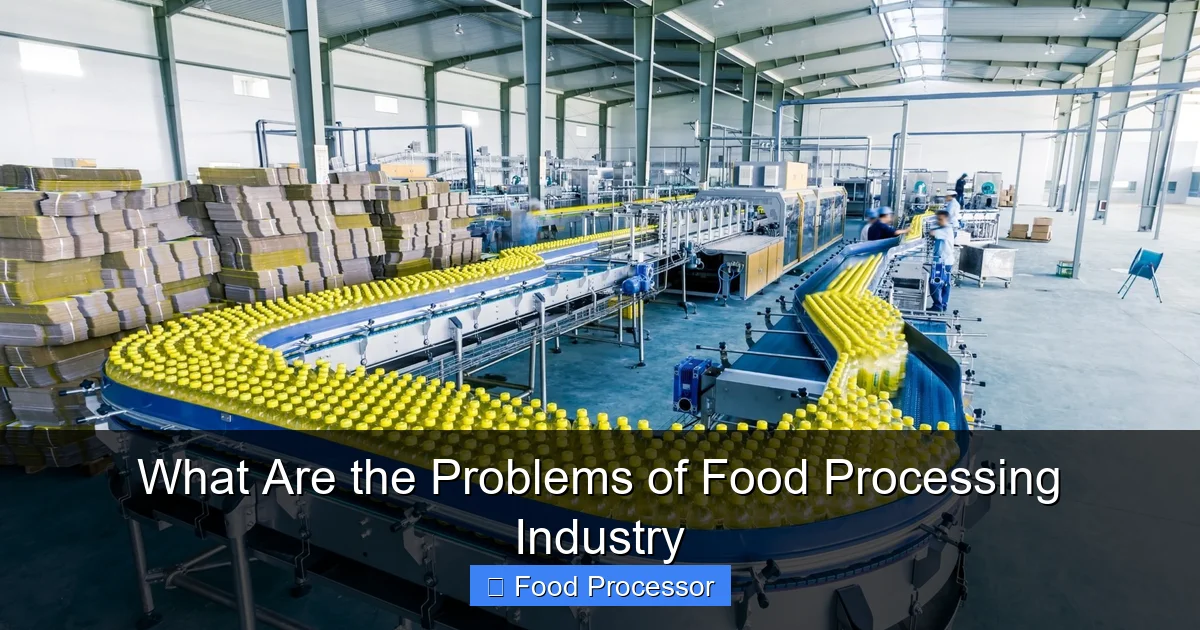
Visual guide about What Are the Problems of Food Processing Industry
Image source: foodsafetyhelpline.com
H3: Embracing Technology and Innovation
Investing in smart factories, AI-driven quality control, and advanced robotics can mitigate labor shortages, improve efficiency, and enhance food safety. Data analytics can optimize supply chains, predict consumer trends, and reduce waste. While the initial investment is high, the long-term benefits in terms of cost savings, increased production, and improved compliance are undeniable.
H3: Prioritizing Sustainability and Ethical Practices
Companies are adopting circular economy principles to minimize waste, exploring eco-friendly packaging alternatives, and investing in renewable energy. Transparent reporting on environmental and social governance (ESG) metrics is becoming standard. Certifications for fair trade or sustainable sourcing also help build consumer trust and meet ethical demands.
H3: Investing in Workforce Development
Addressing labor shortages requires a multi-pronged approach. This includes offering competitive wages and benefits, creating more attractive work environments, and investing in continuous training programs. Apprenticeships and partnerships with educational institutions can help build a pipeline of skilled workers, ensuring the industry has the talent it needs for both traditional and technologically advanced roles.
H3: Strengthening Supply Chain Resilience
Diversifying supplier bases, implementing robust risk management strategies, and leveraging technology for real-time tracking can help mitigate supply chain disruptions. Building stronger relationships with suppliers and even investing in vertical integration can provide greater control over raw material quality and availability. This proactive approach helps buffer against unforeseen global events and climate impacts.
H3: Adapting to Consumer Trends
Continuous market research and agile product development are key to staying ahead of shifting consumer preferences. This means focusing on R&D for healthier formulations, plant-based alternatives, and personalized nutrition. Open communication about ingredient sourcing and processing methods builds trust with consumers seeking transparency and clean labels. The ability to quickly innovate and pivot product lines is a crucial differentiator in today’s market.
Conclusion
The food processing industry is a cornerstone of global food systems, but it faces an intricate web of challenges. From the strictures of regulatory compliance and the unpredictability of global supply chains to the urgent call for sustainability and the ever-changing whims of consumer demand, the problems of the food processing industry are multifaceted and complex. However, these challenges also spur innovation, driving the sector towards more efficient, sustainable, and consumer-centric practices.
Visual guide about What Are the Problems of Food Processing Industry
Image source: startupinthailand.com
By understanding these problems, industry leaders, policymakers, and consumers can work together to foster an environment where food processing can continue to thrive, feeding populations safely, responsibly, and deliciously into the future. It’s a journey of continuous adaptation, where collaboration and forward-thinking solutions are not just desirable but absolutely essential for success.
