

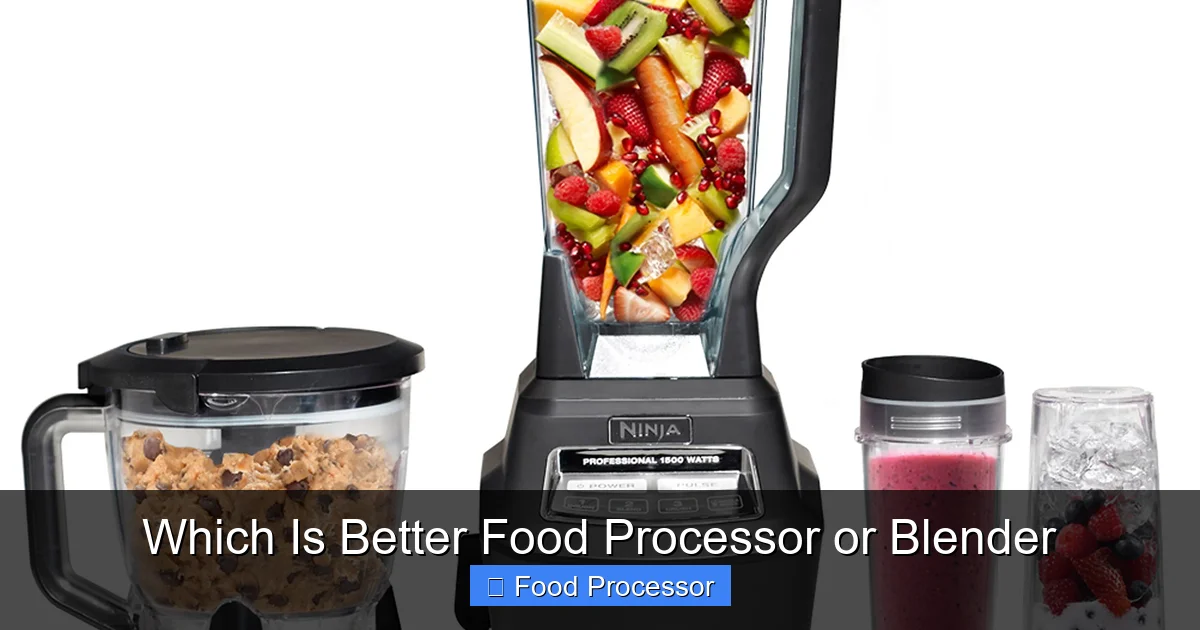
Choosing between a food processor or blender depends entirely on your kitchen tasks and desired food textures. While food processors excel at chopping, slicing, shredding, and making dough with solid ingredients, blenders are ideal for creating smooth liquids like smoothies, soups, and sauces. This comprehensive guide will help you understand their unique functionalities, compare their strengths, and ultimately make the best decision for your culinary needs.
Which Is Better Food Processor or Blender?
Welcome to the ultimate guide on one of the most common kitchen dilemmas: “Which is better food processor or blender?” If you’ve ever stood in front of an appliance aisle, scratching your head over which one to buy, or wondered if your existing blender can really do what a food processor can (or vice-versa), you’re in the right place.
Both food processors and blenders are countertop powerhouses designed to simplify food preparation. They can chop, puree, and mix, but they go about these tasks in fundamentally different ways and excel at distinct functions. Understanding these differences is key to choosing the right tool for your kitchen, saving you time, effort, and potential frustration.
In this guide, we’ll dive deep into what makes each appliance unique. We’ll explore their designs, primary functions, strengths, and weaknesses. By the end, you’ll have a clear understanding of when to reach for a food processor and when a blender is the better choice, helping you make an informed decision tailored to your culinary adventures. Let’s get cooking!
Key Takeaways
- Fundamental Difference: Food processors are designed for processing solid ingredients like chopping, slicing, shredding, and kneading, while blenders specialize in pureeing and blending liquids into smooth consistencies.
- Blade & Container Design: Food processors use various interchangeable blades (S-blade, slicing/shredding discs) in a wide, short bowl. Blenders typically have fixed blades at the bottom of a tall, narrow jar to create a vortex.
- Best for Solids: If you frequently prepare chunky salsa, finely chop vegetables, shred cheese, or make dough, a food processor is your best friend.
- Best for Liquids: For silky-smooth smoothies, creamy soups, sauces, or crushing ice, a blender will deliver superior results.
- Versatility vs. Specialization: While some modern blenders can handle light chopping and some food processors can puree with enough liquid, neither perfectly substitutes the other for its primary tasks.
- Consider Combo Appliances: If kitchen space is limited and you need both functionalities, a multi-function appliance that combines a food processor and blender might be a practical solution.
- Evaluate Your Needs: The “better” appliance depends on what you cook most often. Assess your primary culinary activities before making a purchase.
Understanding the Basics: What Are They?
Before we compare, let’s get a clear picture of what each appliance is designed to do.
What is a Food Processor?
A food processor is a versatile kitchen appliance designed for a wide range of tasks involving solid or semi-solid ingredients. Think of it as your personal sous chef for chopping, slicing, shredding, grinding, and kneading. It typically features a wide work bowl, a powerful motor in the base, and various interchangeable blades and discs.
Its design allows it to handle dry, hard, or thick ingredients with ease. The S-blade, also known as the sabatier blade, is its most common attachment, used for chopping, mincing, and pureeing. Other attachments like slicing discs, shredding discs, and dough blades expand its capabilities significantly.
What is a Blender?
A blender is primarily built for turning liquids and soft solids into smooth, consistent mixtures. It consists of a motor base, a tall, narrow jar (usually glass or plastic), and a set of fixed blades at the bottom. The blades create a powerful vortex that pulls ingredients down, ensuring a uniform blend.
Blenders are fantastic for tasks that require a smooth, pourable consistency. They excel at crushing ice, making smoothies, pureeing soups, and preparing sauces and dressings. While some high-powered blenders can handle a few solid tasks, their core strength lies in liquid-based processing.
Key Differences Between a Food Processor and a Blender
Although they might seem similar at first glance, a food processor or blender each have distinct characteristics that define their primary uses.
Blade Design and Action
The most significant difference lies in their blades.
- Food Processor: Uses a variety of interchangeable blades and discs. The standard S-blade sits loose on a central post, allowing it to chop ingredients by cutting through them. Slicing and shredding discs fit at the top of the bowl, processing ingredients as they pass through.
- Blender: Features fixed blades at the bottom of the jar. These blades are designed to create a swirling vortex that draws ingredients downwards, ensuring everything gets processed into a smooth, even consistency, especially with liquids.
Container Shape and Size
The shape of their containers directly influences their functionality.
- Food Processor: Has a wide, shallow bowl with a larger surface area. This design is perfect for holding a greater volume of solid ingredients and allows for even processing, whether you’re chopping a batch of onions or shredding a block of cheese.
- Blender: Typically features a tall, narrow pitcher or jar. This shape, combined with the vortex action of the blades, is optimized for blending liquids smoothly and efficiently, preventing ingredients from splashing out.
Power and Speed
While both are powerful, their power is utilized differently.
- Food Processor: Often has powerful motors to handle dense, heavy tasks like kneading dough or grinding hard nuts. The focus is on torque and consistent chopping power.
- Blender: High-speed blenders can have incredibly powerful motors, generating immense RPMs to pulverize ice and fibrous ingredients into silky smooth textures.
Functionality and Versatility
This is where the “which is better food processor or blender” question truly gets answered.
- Food Processor: Unmatched for tasks involving solid ingredients. Its attachments allow it to chop, mince, dice, slice, shred, grate, mix, and even knead dough. If you want a more in-depth look at what sets them apart, you can explore why a food processor is different from a blender.
- Blender: King of smooth liquid mixtures. Ideal for smoothies, protein shakes, pureed soups, sauces, batters, and crushing ice.
Texture Achieved
The end result varies greatly between the two.
- Food Processor: Excels at creating varying textures, from coarsely chopped vegetables to finely minced garlic, or even dough. It gives you control over chunkiness.
- Blender: Specializes in achieving extremely smooth, liquid, or creamy textures. It’s difficult to get a “chunky” result from a blender without significant effort and a risk of over-processing.
Cleanup
Ease of cleaning can be a factor in your decision.
- Food Processor: Can sometimes be more cumbersome to clean due to multiple parts (bowl, lid, pusher, blade/discs) and crevices where food can get stuck.
- Blender: Generally easier to clean, especially if you rinse the jar immediately after use. Many jars are dishwasher-safe.
When to Choose a Food Processor
If your cooking involves a lot of prep work with solid ingredients, a food processor will be an invaluable asset. Here are its strong suits:
Chopping and Slicing
- Vegetables: Quickly chops onions, carrots, celery, peppers, and herbs for soups, stir-fries, or salads. It can transform a pile of veggies into uniform pieces in seconds.
- Nuts: Chops nuts for baking or garnishes without turning them into butter, unless you process them for longer.
- Garlic & Ginger: Mincing these aromatics is a breeze.
Shredding and Grating
- Cheese: Effortlessly shreds hard and semi-hard cheeses like cheddar, mozzarella, or Parmesan for pizzas, tacos, or casseroles. For the best results, you might want to look into the best way to shred cheese in a food processor.
- Vegetables: Grates carrots for salads or coleslaw, potatoes for hash browns, or cabbage for… well, coleslaw!
Dough Making
- Pie Crusts & Cookies: It perfectly cuts butter into flour for flaky pastry and mixes cookie doughs quickly.
- Bread Dough: Some powerful food processors come with a dough blade and can knead smaller batches of bread dough.
Pureeing Thick Mixtures
- Hummus: Creates perfectly smooth, thick hummus from chickpeas. When it comes to making this popular dip, many people ask themselves, should I make hummus in a blender or food processor? The food processor is generally preferred for its texture.
- Pesto & Spreads: Makes vibrant pesto, chunky nut butters (if processed long enough), and various dips.
Grinding
- Meat: Grinds raw meat for homemade burgers or sausages.
- Hard Spices: Can grind whole spices, though a dedicated spice grinder might yield finer results.
When to Choose a Blender
For liquid-based creations and ultra-smooth results, the blender is your go-to.
Smoothies and Shakes
- Fruit & Vegetable Smoothies: Blends fresh or frozen fruits, vegetables, and liquids into smooth, drinkable concoctions.
- Protein Shakes: Effortlessly mixes protein powder with milk or water.
Soups and Sauces
- Creamy Soups: Purees cooked vegetables and broth into velvety smooth soups. Wondering, should I use a blender or food processor for soup? For creamy soups, a blender is ideal.
- Dressings & Marinades: Emulsifies oil, vinegar, and other ingredients into smooth, consistent dressings.
Pureeing Liquids
- Baby Food: Blends cooked fruits and vegetables into smooth purees for infants.
- Batters: Creates lump-free pancake, waffle, or crepe batters.
Crushing Ice
- Frozen Drinks: Powerful blenders can easily crush ice for margaritas, daiquiris, or iced coffees.
Nut Milks
- Almond or Oat Milk: Blends soaked nuts or oats with water to create homemade plant-based milks.
Direct Comparison: Food Processor vs. Blender for Specific Tasks
Let’s look at some common tasks and see which appliance truly shines.
Hummus
Winner: Food Processor. While a blender can make hummus, a food processor is generally better. Its wide bowl and S-blade allow it to create a perfectly thick and creamy texture without over-aerating it. Blenders can sometimes struggle with the thickness and require more liquid, which might alter the desired consistency. As mentioned earlier, if you’re deliberating between a food processor or blender for hummus, the processor usually wins.
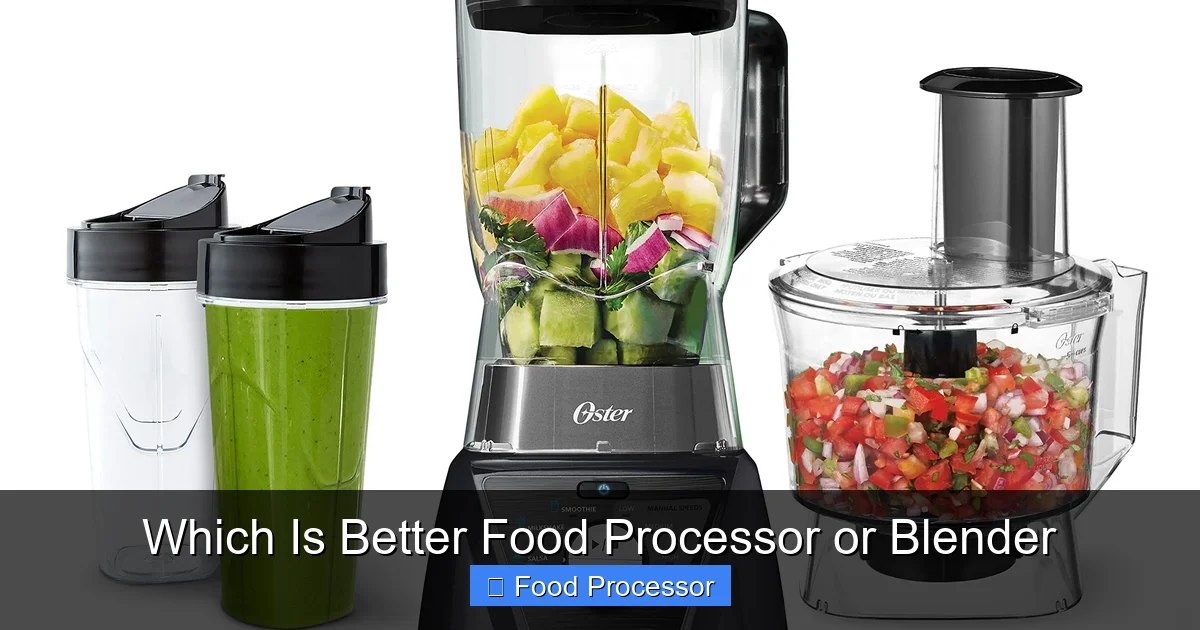
Visual guide about Which Is Better Food Processor or Blender
Image source: m.media-amazon.com
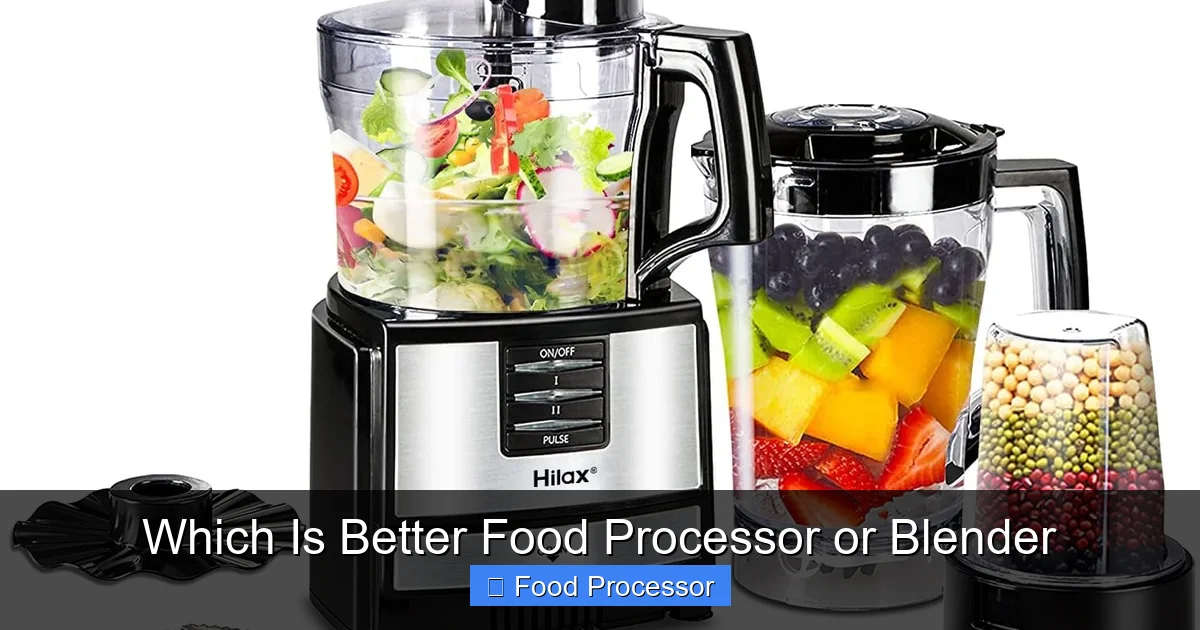
Visual guide about Which Is Better Food Processor or Blender
Image source: m.media-amazon.com
Salsa
Winner: Food Processor (for chunky), Blender (for smooth). If you prefer chunky salsa with distinct pieces of onion, tomato, and peppers, the pulse function of a food processor is ideal. It allows for precise control to avoid over-processing. If you’re after a very smooth, restaurant-style pureed salsa, a blender can achieve this, but be careful not to turn it into gazpacho! Many home cooks ask should I use a blender or food processor for salsa? It really depends on the texture you desire.
Soup
Winner: Blender (for creamy), Food Processor (for chunky). For silky-smooth pureed soups like butternut squash or tomato bisque, a blender is superior. Its ability to create a vortex ensures no lumps remain. For soups that require chunky vegetables or a lighter processing, a food processor can handle chopping the ingredients beforehand, but it’s not ideal for pureeing hot liquid mixtures to a fine consistency.
Nut Butter
Winner: Food Processor. Making homemade nut butter requires processing nuts for an extended period until their natural oils release and they transform into a creamy spread. A food processor’s wide bowl and sturdy S-blade are perfect for this task. A blender might struggle with the thick consistency and overheat, or require constant scraping down.
Baby Food
Winner: Both (depending on consistency). Both appliances can make baby food. For very smooth, pureed single-ingredient mashes, a blender is excellent. For slightly thicker, textured purees or mashes with tiny soft chunks for older babies, a food processor can provide more control over the consistency.
The “Better” Choice: It Depends on Your Needs
There’s no single answer to “which is better food processor or blender” because the best choice truly depends on your individual cooking habits and what you plan to make most often.
Consider Your Most Frequent Tasks
Think about the types of recipes you make regularly.
- If you’re often chopping vegetables, shredding cheese, making pesto, or baking, a food processor will be your workhorse. It significantly cuts down on manual labor for prep tasks.
- If your diet includes daily smoothies, homemade nut milks, creamy soups, or blended sauces, then a high-quality blender is indispensable.
Kitchen Space and Budget
Consider how much counter or cabinet space you have. Both appliances take up significant room. Also, budget plays a role. A basic blender can be quite affordable, while a high-end food processor or a powerful professional blender can be a significant investment.
Consider a Combo Appliance
What if you want both? Many brands now offer multi-function appliances that combine a food processor and blender in one unit. These often come with interchangeable bases or separate attachments. If you’re short on space or budget but need both capabilities, exploring what is the best food processor and blender combo might be a smart move. They offer a good compromise, though sometimes they don’t excel as much as dedicated units.
Consider an Immersion Blender
For simple blending tasks like pureeing soup directly in the pot, an immersion blender is a compact and convenient alternative to a full-sized blender. It’s not a replacement for a food processor, but if your primary blender use is hot liquids, it’s worth considering. You might even ask yourself should I get a food processor or immersion blender? for specific liquid tasks.
Practical Tips for Both Appliances
To get the most out of your chosen appliance, remember these tips:
Don’t Overfill
Always adhere to the maximum fill lines. Overfilling can lead to uneven processing, leaks, or strain on the motor.
Cut Ingredients Properly
Cut larger ingredients into uniform pieces that fit easily through the feed tube (for food processors) or can be grabbed by the blades (for blenders). This ensures even processing.
Pulse for Control
Especially with a food processor, use the “pulse” setting for short bursts. This gives you much more control over the texture, preventing over-processing and ensuring you get the desired chunkiness or fineness.
Add Liquid (for Blenders)
When using a blender, ensure there’s enough liquid to help the blades create that essential vortex. If your mixture is too thick, it might just churn the bottom layer. Start with less liquid and add more as needed.
Layer Ingredients Strategically
For blenders, add liquids first, then soft ingredients, then hard ingredients, and finally ice or frozen items. This helps the blending process. For food processors, uniform pieces work best.
Safety First
Always ensure the lid is securely locked in place before operating either appliance. Never put your hand or any utensil into the bowl or jar while the motor is running. Unplug the appliance before assembling, disassembling, or cleaning.
Troubleshooting Common Issues
Even the best appliances can encounter minor hiccups. Here are some quick fixes for common problems:
Ingredient Not Processing Evenly
- Food Processor: You might be overfilling it, or your ingredients are too large. Try processing in smaller batches or cutting ingredients into more uniform sizes. Using the pulse function can also help redistribute ingredients.
- Blender: Not enough liquid is the most common culprit. Add more liquid, or stop the blender, stir the mixture with a spatula (with the power off!), and restart.
Motor Overheating
- If you smell burning or the motor stops, you might be overworking the appliance. This often happens when processing very thick mixtures (like nut butter in a blender) or running it continuously for too long. Give it a break to cool down. Process in shorter bursts.
Leaks
- Ensure all parts are correctly assembled. For blenders, check that the blade assembly is tightly screwed onto the bottom of the jar and that the gasket is properly seated. For food processors, make sure the bowl and lid are securely locked.
Conclusion
The question of “which is better food processor or blender” isn’t about one being inherently superior to the other; it’s about matching the tool to the task. A food processor excels at handling solids – chopping, slicing, shredding, and kneading – making it indispensable for meal prep and baking. A blender, on the other hand, is the undisputed champion for creating smooth, liquid consistencies, perfect for drinks, soups, and sauces.
Ultimately, the best choice for your kitchen depends on your cooking style, the types of dishes you prepare most often, and your available space and budget. Many home cooks find that having both a food processor and a blender (or a quality combo unit) offers the most versatility. By understanding the unique strengths of each, you can confidently choose the appliance that will best support your culinary creativity and make your time in the kitchen more enjoyable and efficient. Happy cooking!
