

Many wonder if a food processor can replicate the traditional yam pounder’s magic. While it offers a convenient, modern alternative for preparing pounded yam, it’s essential to understand its capabilities and limitations. With the right technique and expectations, you can achieve a wonderfully smooth texture, though it might differ slightly from the hand-pounded version.
Is Food Processor Same as Yam Pounder?
Have you ever found yourself craving a delicious plate of pounded yam, but dreading the strenuous, time-consuming process of traditional pounding? You’re not alone! Many people, especially those living in modern kitchens, wonder if their versatile food processor can step in to save the day. It’s a fantastic question that bridges tradition with convenience.
In this comprehensive guide, we’re going to dive deep into the world of yam pounding. We’ll explore the differences between a traditional yam pounder and a modern food processor, discuss their unique capabilities, and most importantly, show you exactly how to make delicious pounded yam using your food processor. Get ready to learn practical tips, troubleshoot common issues, and decide which method is truly best for your culinary adventures. By the end, you’ll have a clear understanding of whether a food processor can indeed be your go-to kitchen tool for this beloved dish.
Key Takeaways
- Not Identical, But Adaptable: A food processor isn’t the same as a traditional yam pounder, but it can successfully create a smooth, edible pounded yam with specific techniques.
- Texture Differences Exist: Hand pounding typically yields a more elastic and lump-free texture. Food processors can produce a very smooth result, but it might be slightly less stretchy or have a different “mouthfeel.”
- Pre-cooking is Crucial: Yam must be cooked until very soft before being processed. Hard yam will damage your machine and won’t yield the desired texture.
- Use the Dough Blade (if available): For best results, use the plastic dough blade or a blunt processing blade, not the sharp S-blade, to mash rather than chop the yam.
- Work in Small Batches: Overloading the food processor can strain the motor and prevent even pounding. Small batches ensure thorough processing and a smoother outcome.
- Add Warm Water Gradually: A little warm water or yam cooking water helps achieve a smoother, more pliable consistency and prevents the yam from sticking.
- Patience and Pulsing: Don’t just hold the button down. Use short pulses, scraping down the sides often, to gradually break down and smooth the yam without overworking it.
Understanding the Traditional Yam Pounder
Before we talk about modern appliances, let’s pay homage to the traditional method. A traditional yam pounder typically consists of two main parts: a large wooden mortar and a heavy wooden pestle. This isn’t just a tool; it’s often a cultural symbol, especially in West African cuisine, where pounded yam is a staple.
How Traditional Pounding Works
The process is quite manual and requires a significant amount of effort. Cooked yam chunks are placed into the mortar, and then the pestle is used to repeatedly pound and mash them against the sides and bottom of the mortar. The continuous pounding, lifting, and turning of the yam helps to break down its fibers, releasing starches and creating a wonderfully smooth, elastic, and consistent dough-like texture. It’s a rhythm, a workout, and often a communal activity.
The Result of Traditional Pounding
The pounded yam from this method is renowned for its unique texture: incredibly smooth, stretchy, and without any lumps. It has a distinctive chewiness and elasticity that many traditionalists swear by. This texture allows it to be easily scooped with soups and stews, making it perfect for soaking up rich flavors.
Understanding the Food Processor
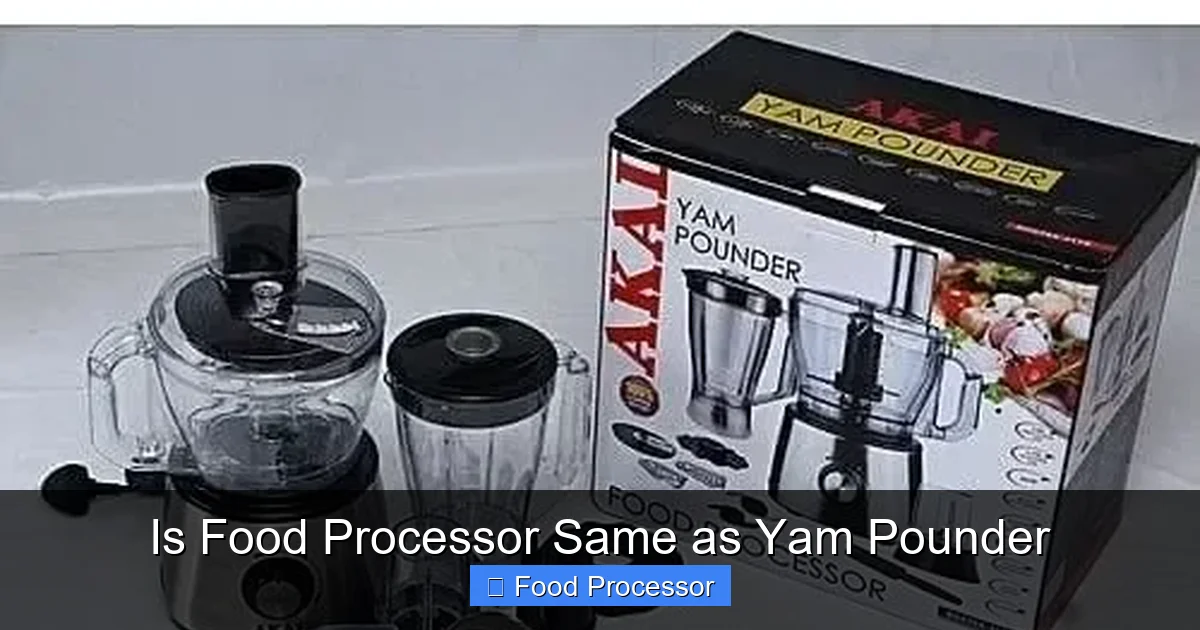
Now, let’s switch gears to the food processor. This countertop appliance is a multi-tasking marvel in many kitchens. It comes with various blades and attachments designed to chop, slice, shred, grate, mix, and purée. It’s a powerhouse for speeding up meal prep and tackling a wide range of culinary tasks. For more insights into the general uses and advantages of a food processor, you might find other resources helpful.
How a Food Processor Works
A typical food processor has a motor base, a work bowl, a lid with a feeding tube, and interchangeable blades. When you turn it on, the motor spins the blade at high speeds, rapidly processing whatever ingredients are in the bowl. It’s all about speed and mechanical action to break down, emulsify, or combine ingredients.
Visual guide about Is Food Processor Same as Yam Pounder
Image source: www-konga-com-res.cloudinary.com
Are They the Same? Key Differences Between a Food Processor and a Yam Pounder
So, is a food processor the same as a yam pounder? The short answer is no, not exactly. While both can transform cooked yam, their mechanisms and the resulting textures differ. Let’s explore these key differences:
Blade Action
- Yam Pounder: Uses a blunt, heavy pestle to pound and mash the yam. This action compresses and stretches the yam, breaking down fibers without cutting them, which contributes to the characteristic elasticity.
- Food Processor: Primarily uses sharp “S” blades (or sometimes a plastic dough blade) to chop, cut, and mix ingredients. While it can mash, its primary action is often more about finely dicing and blending.
Texture of the End Product
- Yam Pounder: Produces a very smooth, stretchy, and elastic pounded yam, almost like a dough that can be pulled and stretched. It’s virtually lump-free.
- Food Processor: Can yield a very smooth pounded yam, but it might be slightly less elastic or stretchy than the traditional version. Sometimes, if not done correctly, it can have a slightly gummy or pasty texture, or even very tiny, almost imperceptible lumps, depending on the yam quality and processing technique.
Effort and Time
- Yam Pounder: Requires significant physical effort and can be time-consuming, especially for larger quantities.
- Food Processor: Significantly reduces physical effort and dramatically cuts down on preparation time. It’s a convenient, hands-off approach compared to the traditional method.
Can a Food Processor Make Pounded Yam?
Absolutely! Despite the differences, a food processor can indeed make delicious pounded yam. It’s a fantastic alternative for those who lack the traditional tools, space, or simply want to save time and energy. The key is understanding how to adapt your technique to the machine’s capabilities. Many people have successfully used their food processor and yam pounder to achieve good results, making it a popular modern solution.
How to Make Pounded Yam with a Food Processor: A Step-by-Step Guide
Ready to give it a try? Here’s how you can transform boiled yam into smooth, delightful pounded yam using your food processor.
Step 1: Prepare Your Yam
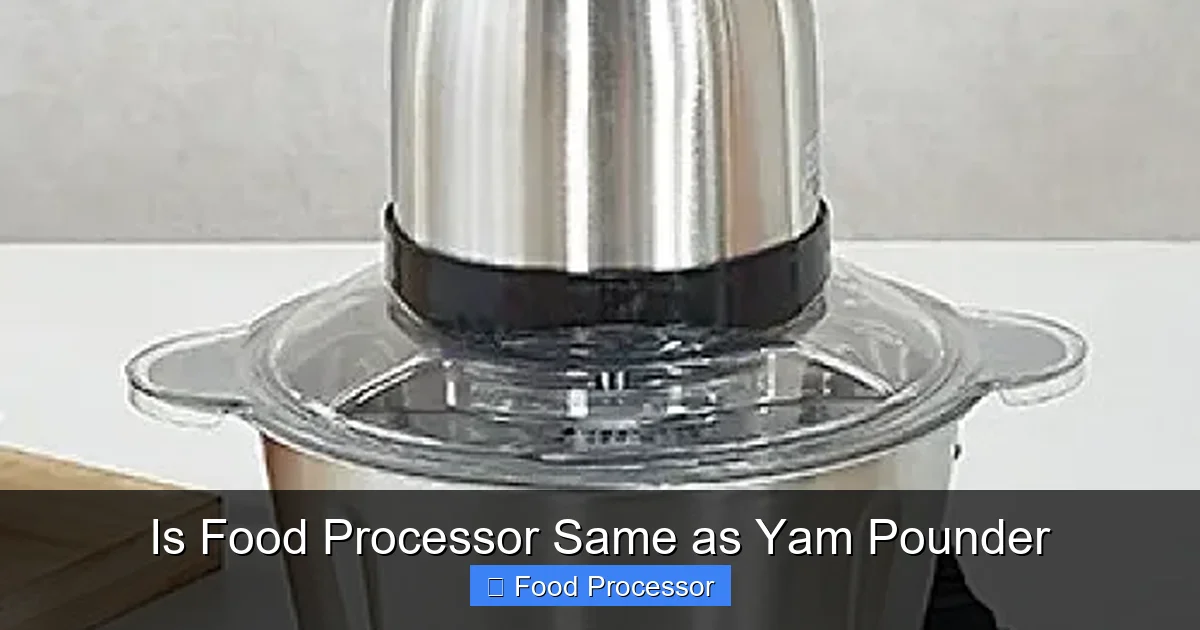
First things first, you need the right yam. Fresh, white puna yam is ideal for pounded yam. Avoid yams that are too old or have started to sprout, as they might not pound as smoothly.
Visual guide about Is Food Processor Same as Yam Pounder
Image source: www-konga-com-res.cloudinary.com
- Peel the Yam: Carefully peel the skin off the yam using a sturdy knife. Yam skin can be tough, so be cautious.
- Cut into Chunks: Cut the peeled yam into small, uniform chunks, about 1-2 inches in size. Smaller pieces cook more evenly and are easier for the food processor to handle.
- Rinse: Rinse the yam chunks thoroughly to remove any dirt or residue.
Step 2: Cook the Yam
This is a critical step. The yam must be cooked until it is extremely soft, almost to the point of falling apart. Undercooked yam will result in a lumpy, difficult-to-process pounded yam and can strain your food processor’s motor.
- Boil the Yam: Place the yam chunks in a pot and cover them with water. Add a pinch of salt if desired.
- Cook Until Very Soft: Bring to a boil, then reduce heat and simmer until the yam is tender enough to be easily pierced with a fork. This usually takes 20-30 minutes, depending on the yam’s thickness.
- Drain and Keep Warm: Once cooked, drain the yam thoroughly. Crucially, keep the yam warm! Processing warm yam helps achieve a smoother, more pliable consistency. You can leave it in a colander over the warm pot or cover it tightly.
Step 3: Set Up Your Food Processor
Get your appliance ready for action.
- Choose the Right Blade: For pounding yam, the best blade is typically the plastic dough blade (if your food processor has one). If not, use the standard metal “S” blade. The goal is to mash and blend, not to chop, so the dough blade’s gentler action is often preferred.
- Assemble: Attach the chosen blade to the spindle, place it in the work bowl, and secure the lid.
Step 4: Process the Yam
Now for the main event! This is where the food processor takes over the hard work.
- Work in Small Batches: This is arguably the most important tip. Do NOT overload your food processor. Add only a few warm yam chunks at a time, filling the bowl no more than one-third to half full. Overloading can strain the motor, lead to uneven pounding, and even cause issues like why your food processor blade might not be spinning properly due to resistance.
- Begin Pulsing: Start by using the “pulse” function. Pulse in short bursts (1-2 seconds) to break down the larger chunks.
- Scrape Down the Sides: Frequently stop the processor and use a spatula to scrape down any yam stuck to the sides of the bowl or the lid. This ensures even processing.
- Gradually Add Warm Water: As the yam starts to come together, you might notice it becoming thick and sticky. Add a tablespoon or two of the warm yam cooking water (or plain warm water) at a time through the feed tube while the machine is running (or between pulses). This helps to lubricate the yam, making it smoother and more pliable. Be careful not to add too much, or your pounded yam will be too soft.
- Process Continuously: After the initial pulsing, you can run the food processor continuously for 30-60 seconds at a time, still stopping to scrape down the sides. Continue pulsing/processing until the yam reaches a very smooth, consistent texture. The duration depends on your food processor’s power and the yam’s softness.
Step 5: Achieving the Perfect Texture
The ideal pounded yam from a food processor will be smooth and cohesive. It might not have the exact same elasticity as traditionally pounded yam, but it should be lump-free and easy to form into a ball.
- Test for Smoothness: Pinch a small piece between your fingers. It should feel smooth, not grainy or lumpy.
- Adjust Consistency: If it’s too thick, add a tiny bit more warm water and process. If it’s too soft (which happens if too much water is added), unfortunately, it’s hard to reverse. Next time, be more conservative with water.
Step 6: Serving Your Pounded Yam
Once your pounded yam is ready, immediately transfer it to a serving bowl. Using a spatula or your hands (lightly oiled to prevent sticking), quickly mold it into a smooth ball or log shape. Pounded yam is best served hot, alongside your favorite Nigerian or West African soups and stews, such as Egusi, Okra, or Efo Riro.
Tips for Best Results
- Yam Quality Matters: Start with good quality, fresh white yam.
- Heat is Your Friend: Always process warm yam. Cold yam is much harder to pound smoothly.
- Don’t Rush It: Patience is key. Take your time with batches and scraping.
- Consider a Heavy-Duty Food Processor: If you plan to make pounded yam frequently, investing in a powerful food processor (e.g., 700 watts or more) with a robust motor is a good idea. When considering what to consider when buying a food processor, power and capacity are crucial for tasks like this.
- Clean Immediately: Yam can be very sticky. Clean your food processor bowl and blades immediately after use to prevent dried yam from becoming difficult to remove.
Troubleshooting Common Issues
Issue: Pounded Yam is Lumpy
Solution: This usually means the yam wasn’t cooked soft enough or you overloaded the food processor. Ensure yam is very tender before processing. Process in smaller batches, adding a little warm water, and scrape down the sides frequently.
Issue: Pounded Yam is Too Sticky or Gummy
Solution: This can happen if you add too much water or over-process the yam. Try to be precise with water addition, a tablespoon at a time. If it’s already too sticky, you can try to incorporate a tiny bit of dry yam flour, though this can alter the taste and texture slightly. Prevention is better than cure here.
Issue: Food Processor Motor is Struggling/Overheating
Solution: You’re likely overloading the machine. Always process in small batches. If the motor feels hot, turn it off and let it cool down before continuing. This is also a sign that your food processor might not be powerful enough for this task, or you might have issues like why your food processor blade might not be spinning due to a jammed motor.
Advantages and Disadvantages of Using a Food Processor for Pounded Yam
Let’s weigh the pros and cons to help you decide.
Advantages:
- Time-Saving: Dramatically cuts down on the effort and time required compared to traditional pounding.
- Convenience: Much easier to use for everyday meals.
- Less Physical Effort: No more sore arms!
- Accessibility: Great for those who don’t have traditional tools or live in areas where they are hard to find.
- Consistency: Can achieve a very smooth, lump-free texture with the right technique.
Disadvantages:
- Texture Difference: May not achieve the exact same elasticity and stretchiness as traditionally pounded yam, which some purists prefer.
- Requires Proper Technique: Over-processing or under-processing, or incorrect water usage, can lead to undesirable textures (gummy, sticky, or pasty).
- Machine Strain: Less powerful food processors might struggle with the dense, sticky nature of cooked yam.
- Batch Size Limitation: You often have to work in smaller batches, which can still take some time for large quantities.
When to Choose Which Method
Choose the Traditional Yam Pounder If:
- You prioritize the authentic, highly elastic texture above all else.
- You enjoy the cultural aspect and physical workout of pounding.
- You’re preparing for a large gathering and have assistance.
Choose the Food Processor If:
- You value convenience, speed, and less physical effort.
- You’re cooking for a smaller family or personal consumption.
- You don’t have access to traditional pounding equipment.
- You’re open to a slightly different, though still delicious, texture.
Conclusion
So, is a food processor the same as a yam pounder? Not entirely, but it’s a mighty close contender for convenience and effectiveness. While the traditional yam pounder delivers an unparalleled elasticity and cultural experience, the food processor provides a modern, accessible, and highly efficient way to enjoy pounded yam without the strenuous effort.
With the right technique—ensuring your yam is super soft, working in small batches, and using warm water judiciously—your food processor can churn out wonderfully smooth and enjoyable pounded yam. It might not be identical, but it’s certainly a delicious and practical solution for bringing this cherished dish to your table more often. Embrace the versatility of your kitchen appliances and savor the taste of innovation!
